
Pruning
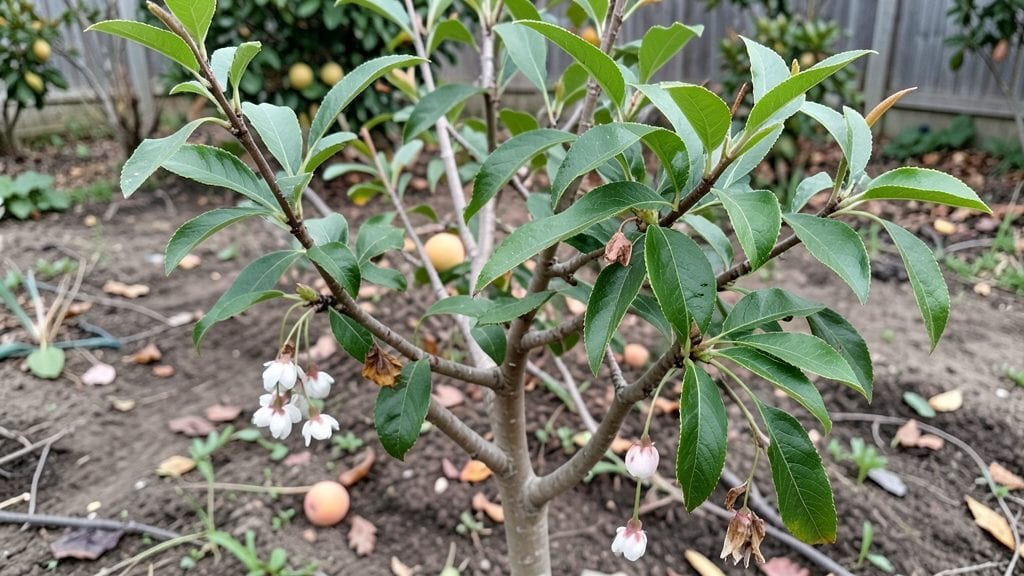
Growing a desert peach tree in the Pacific Northwest means embracing its frost-resistant nature while adapting to our wetter winters. 🌱 I’ve watched mine thrive through three seasons—its glossy leaves and delicate blossoms proving it’s tougher than it looks.
The key lies in understanding its needs: how to prune for our climate, when to water despite our rain, and how to coax fruit without smothering it.
This tree isn’t fussy, but it does demand respect—especially when it comes to pruning. Unlike Mediterranean peaches, Prunus andersonii handles our damp winters better, but you’ll still need to shape it in late winter to encourage strong growth.
Think of it as sculpting: open the center for airflow, remove weak branches, and leave room for sunlight to reach the fruit. With the right cuts, you’ll end up with a tree that produces sweet, reliable peaches even in our cooler summers.
What you’ll love most is how low-maintenance it is. Once established, it drinks deeply but infrequently—perfect for water-conscious gardeners. The fruit? Tart-sweet, with a texture somewhere between a peach and an apricot. Harvest time becomes a quiet celebration, with birds and humans alike vying for the ripe harvest.
The trade-off? Patience—it takes 3-5 years before the tree bears its first serious crop, but the wait is worth it.
Whether you’re in the arid Southwest or the Pacific Northwest’s damp corners, this tree adapts. The real magic happens when you prune with the seasons, not against them. Let’s get your tree shaped for success—before the next frost rolls in.
📚 In This Guide
- What you need
- Instructions
- Tips and common mistakes
- Wrapping up and next steps
What you need
- ● Pruning shears: Bypass pruners (sharp, sterilized with rubbing alcohol or bleach) for cuts under ½ inch thick.
- ● Loppers: 1 pair (for branches ½–1.5 inches thick). Look for ratcheting or bypass-style for clean cuts.
- ● Pruning saw: 1 hand saw (for branches >1.5 inches thick). A bow saw or folding pruning saw works best.
- ● Gloves: Heavy-duty, cut-resistant gloves (e.g., leather or synthetic mesh) to protect hands from thorns.
- ● Disinfectant: 1 bottle of 70% isopropyl alcohol or bleach solution (1 part bleach to 9 parts water) to sterilize tools between cuts.
- ○ Sealing wax or pruning paint: 1 small jar (optional but recommended for cuts >½ inch to prevent disease).
- ● Ladder: Extendable or step ladder (if tree exceeds 8 feet tall). Ensure it’s stable and rated for your weight.
- ● Buckets or bags: 2–3 (for collecting pruned branches and debris). A compostable liner helps with cleanup.
- ○ Marking twine or flags: For tagging branches to prune (optional but handy for complex trees).
- ● Timing: Prune late winter or early spring (before buds swell) to avoid frost damage. In the PNW, aim for February–March.
- ● Weather: Choose a dry, overcast day (humidity slows healing). Avoid pruning if frost is forecasted within 24 hours.
- ● Tree health check: Inspect the tree for diseased or dead branches (brown, mushy wood) before starting.
- ● Safety gear: Safety glasses (to shield eyes from debris) and long sleeves/pants (to protect from thorns and sun).
- ● ✨ Sterilize tools between each cut to prevent bacterial canker, a common issue in peach trees.
- ● 🌡️ Work in layers: Remove 30% of the tree’s canopy max in one session to avoid stress.
- ● 🔥 Focus on frost-resistant growth: Prioritize open-center shaping to improve airflow and sunlight penetration.
Step-by-Step pruning for a frost-resistant desert peach in the Pacific Northwest
Here’s how I prune my peach tree to survive our chilly winters and still produce sweet fruit.
✂️ Step 1: Prune in Late Winter Before Bud Break
Wait until late February or early March when the tree is still dormant but the frost risk has passed. This timing ensures you remove dead wood before new growth starts. I always prune on a dry day to prevent fungal infections—wet branches are an open invitation for peach tree borers.
Start by removing any dead, diseased, or crossing branches first. These are easy to spot—they’re brown, brittle, or growing inward where they’ll rub against each other. Use clean, sharp pruners to make cuts just outside the branch collar (that swollen area where the branch meets the trunk). This encourages faster healing and prevents water from pooling at the cut.
🌿 Step 2: Thin Out Overcrowded Branches for Airflow
Peach trees need good airflow to dry quickly after rain and avoid fungal diseases like brown rot. I look for branches that are growing too close together or rubbing against each other. Remove about one-third of the smallest, weakest branches to open up the center of the tree.
Focus on branches that are growing straight up or inward—they’ll never produce fruit and can block sunlight from reaching the inner canopy. A well-pruned tree should have an open vase shape with branches spreading outward. If you’re unsure which to cut, remember: thinner branches mean more energy for fruit production.
☀️ Step 3: Shape the Tree for Sun Exposure and Frost Protection
In the Pacific Northwest, frost can sneak into the center of the tree, damaging blossoms before they open. I shape my peach tree into a modified vase form—a few strong scaffold branches (about 4-6 main branches) radiating outward from the trunk. This lets sunlight warm the center while keeping the tree compact enough to avoid wind damage.
Shorten the longest branches by about one-third to encourage bushier growth. Make your cuts just above an outward-facing bud or a side branch. Avoid cutting back to a stub—this invites disease. If you’re pruning a young tree, aim for a height of 6-8 feet to make future harvesting easier.
⏰ Step 4: Post-Pruning Care for Healthy Regrowth
After pruning, seal larger cuts (over ½ inch thick) with a thin layer of pruning sealant to prevent disease. For smaller cuts, let them heal naturally—they’ll callus over in a few weeks. Water the tree deeply to help it recover, especially if we’ve had a dry winter.
Watch for new shoots emerging from the pruned areas in 4-6 weeks. These are your tree’s way of telling you it’s happy and ready to grow. If you see any suckers (shoots growing from the base of the tree), remove them immediately—they drain energy from the main branches. Fertilize lightly in early spring with a balanced 10-10-10 formula to support new growth.
✂️ Step 5: Summer Pruning for Fruit Development
In late June or early July, after the tree has finished flowering but before the fruit starts ripening, do a quick light pruning to remove any water sprouts (fast-growing vertical shoots) or branches that are growing too vigorously. These compete with the fruit for energy and can make harvesting difficult.
This is also the time to thin out some of the fruit if your tree is overloaded. Leave about 6-8 inches between peaches on each branch—this ensures larger, sweeter fruit. You’ll know you’ve done it right when you see plump, evenly spaced peaches by early summer. Avoid heavy pruning in summer, as it stresses the tree and can reduce frost hardiness.
Tips & tricks for perfect pruning of desert peach trees
Pruning your peach tree right can make all the difference between a frost-sensitive mess and a thriving fruit producer.
Timing is Everything: In Step 1, don't rush to prune too early—wait until late February or early March when the tree is still dormant but frost risk has passed. I've learned this the hard way after seeing buds damaged by late frosts. Check your local frost dates and mark your calendar! The goal is to remove dead wood before new growth starts, but not so early that you risk damaging blossoms.
Branch Collar Matters: When making cuts in Step 1, always cut just outside the branch collar—the swollen area where the branch meets the trunk. This might seem like a small detail, but it's critical for proper healing. I used to cut flush with the trunk, which led to slow healing and disease entry points. Think of the branch collar as the tree's natural bandage—it helps the wound seal faster.
Visual Cues for Summer Pruning: In Step 5, when thinning fruit, look for peaches that are uniformly spaced about 6-8 inches apart. The key is to leave the largest, healthiest fruit while removing smaller ones. I like to do this on a sunny afternoon when I can easily see the fruit's size and ripeness. You'll know you've done it right when you see plump, evenly spaced peaches by early summer—this ensures each fruit gets enough sunlight and nutrients.
Equipment Essentials: Invest in a good pair of clean, sharp pruners—dull blades can crush branches instead of making clean cuts. For larger branches, consider a pruning saw. I also recommend wearing gloves to protect your hands from thorns and carrying a small bucket to collect debris. After pruning, disinfect your tools with rubbing alcohol to prevent spreading disease between cuts.
Pro Tips for Desert Peach Tree
- Pruning your peach tree right can make all the difference between a frost-sensitive mess and a thriving fruit producer.
- Timing is Everything: In Step 1, don't rush to prune too early—wait until late February or early March when the tree is still dormant but frost risk has passed.
- Branch Collar Matters: When making cuts in Step 1, always cut just outside the branch collar—the swollen area where the branch meets the trunk.
Frequently asked questions
Got questions about growing and pruning your desert peach tree in the Pacific Northwest? You’re not alone! Here are some of the most common concerns—and their answers—to help you cultivate a thriving, frost-resistant fruit tree.
How cold can a desert peach tree tolerate?
A desert peach tree thrives in USDA Zones 5-9, with some varieties handling brief dips to 15°F (-9°C). In frost-prone areas like the PNW, choose cold-hardy cultivars (like ‘Desert Gold’ or ‘Redhaven’) and protect young trees with burlap wraps or row covers during late frosts. Mulch heavily in winter to insulate roots!
When is the best time to prune a desert peach tree?
Prune your tree during late winter or early spring (before buds swell) to avoid frost damage. For the PNW’s unpredictable climate, a light pruning in summer (after harvest) can also help manage growth. Never prune in fall—it invites disease and weakens frost resistance.
Can I grow a desert peach tree in partial shade?
Desert peach trees crave full sun (6+ hours daily), but in the PNW’s cooler microclimates, partial shade (morning sun + afternoon shade) may work for dwarf varieties. If growing in shade, expect smaller fruit and fewer blooms. Boost sunlight with reflective mulch or nearby mirrors to improve yield.
Why aren’t my desert peach tree’s branches producing fruit?
Common culprits include:
- Over-pruning: Leave 3-4 main scaffold branches for airflow and sunlight.
- Poor pollination: Plant a second tree nearby (desert peaches are self-pollinating but benefit from cross-pollination).
- Nutrient deficiency: Test soil for low nitrogen or zinc—amend with compost or a balanced fertilizer.
- Frost damage: Late frosts can kill blossoms; use frost cloth during bloom season.
How do I protect my tree from PNW’s wet winters?
Excess moisture invites bacterial leaf spot and root rot. Improve drainage with raised beds or mounds, and prune for airflow. Apply copper fungicide preventatively in spring. Avoid overhead watering—use drip irrigation instead to keep foliage dry.
Wrapping up and next steps
Growing a desert peach tree in the Pacific Northwest is absolutely doable—especially when you prioritize frost-resistant varieties and master the art of strategic pruning! 🌱 By following the right techniques, you’ll not only safeguard your tree from harsh winters but also boost fruit production and overall health.
Remember, patience and consistency are key, so don’t hesitate to adjust your approach based on your tree’s unique needs.
Ready to take the next step? Mark your calendar for your first pruning session this dormant season—your future harvests will thank you! 🍑✨