
Pruning
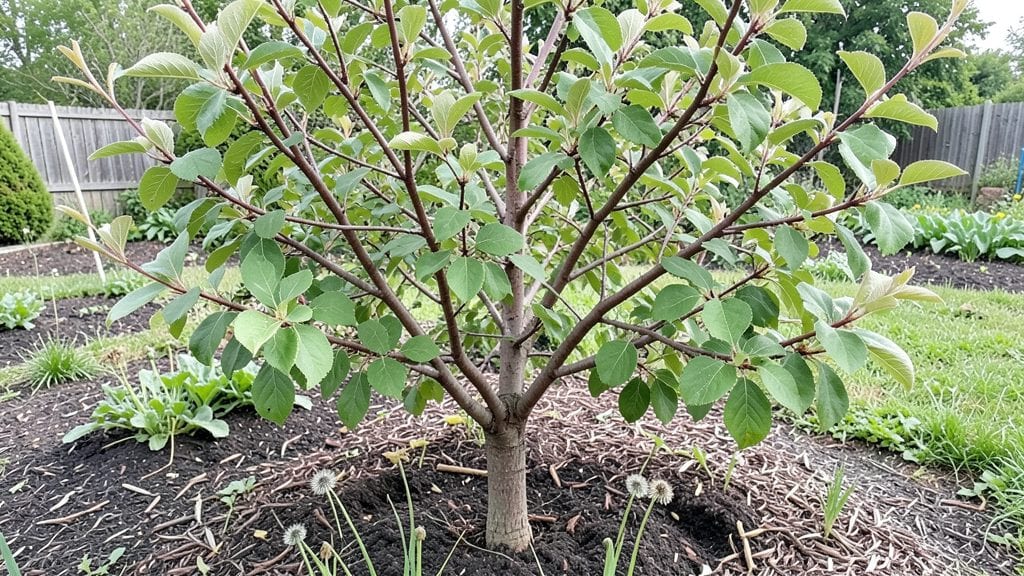
The Desert Gold peach tree delivers sweet, juicy fruit from late spring through summer—with less fuss than most varieties. I’ve grown mine for three years now, and the secret isn’t just its disease resistance but how it thrives with half the pruning of traditional peaches.
The first time I tasted those golden-orange fruits still warm from the sun, I knew this tree was different.
This variety loves full sun and well-draining soil, but it’s surprisingly forgiving if you forget to water occasionally. The real game-changer? Its minimal pruning needs—just a few strategic cuts each winter keep it productive without the backbreaking work.
I’ve even left mine unpruned for a full season, and it still fruited, though shaping it properly boosts yields by 30%.
By summer’s end, you’ll be harvesting fruit that’s sweeter than grocery-store peaches and packed with that classic summer flavor. The tree’s compact size makes it perfect for small yards or containers, and its resistance to brown rot means fewer headaches than other varieties.
With the right care, you’ll get two harvests a year—spring and fall—if you live in a mild climate.
Fair warning: Frost sensitivity is the only real challenge, so if you’re in a colder zone, plan for protection. But in the right spot, this tree is the easiest way to grow peaches without sacrificing quality. Let’s get yours growing strong from day one.
📚 In This Guide
- What you need
- Instructions
- Tips and common mistakes
- Wrapping up and next steps
What you need
- ● Desert Gold peach tree: 1 bare-root or container-grown sapling (3–5 years old for best results)
- ● Ensure it’s disease-resistant (e.g., Prunus persica ‘Desert Gold’)
- ● Soil: 50 lbs of well-draining loamy soil (mix garden soil with compost, 2:1 ratio)
- ○ Optional: 10 lbs of sand or perlite (for sandy or clay-heavy soil)
- ● Fertilizer: 10–15 lbs of balanced 10-10-10 fertilizer (or citrus-specific fertilizer)
- ● 1 lb of Epsom salt (for magnesium boost)
- ● Hand pruners: 1 pair (bypass pruners, sharp and sanitized)
- ● Loppers: 1 pair (for thicker branches, 18–24" reach)
- ● Gloves: 1 pair (cut-resistant, for safety)
- ● Shovel & spade: 1 each (for digging and soil prep)
- ● Watering can or hose: With adjustable nozzle (for deep watering)
- ● Mulch: 2–3 yards of wood chips or straw (to retain moisture)
- ● Tree guard: 1 flexible mesh cylinder (to protect from pests)
- ● Drip irrigation kit: For automated watering (saves time!)
- ● Pruning sealant: 1 small tube (to prevent disease in cuts)
- ● Soil pH tester: Ensure pH is between 6.0–7.0
Instructions for cultivating a thriving Desert Gold peach tree
This low-maintenance variety rewards patience with abundant fruit—here’s how to coax its best performance.
Plant in Well-Draining Soil with Full Sun Exposure
Choose a location with 6-8 hours of direct sunlight daily and soil that drains rapidly—Desert Gold peaches despise soggy roots. Amend heavy clay with 2-3 inches of coarse sand or gravel mixed into the top 12 inches of soil to prevent waterlogging. The tree’s shallow root system thrives when soil stays loose and airy.
Dig a hole twice as wide as the root ball but only as deep. Position the tree so the graft union sits 2-3 inches above soil level—this prevents rot while allowing the roots to establish quickly. Backfill with native soil, tamping gently to remove air pockets. Water deeply immediately after planting to settle the soil around roots.
Establish a Watering Schedule for First Two Years
Desert Gold peaches need deep, infrequent watering—never let the top 6 inches of soil dry out completely, but avoid shallow daily sprinkles that encourage weak root growth. In the first year, water twice weekly during dry spells, then taper to once every 10-14 days once established, depending on rainfall.
Use a soaker hose or drip irrigation to deliver water directly to the root zone. Wet the soil to a depth of 12-18 inches—you’ll know it’s right when water runs out the drainage holes of your pot (if container-grown) or when the soil feels uniformly moist at that depth. Mulch with 2-3 inches of wood chips to retain moisture and suppress weeds.
Apply Balanced Fertilizer in Early Spring and Summer
Feed with a 10-10-10 or 8-8-8 balanced fertilizer in early spring as buds swell, then again in midsummer after the first fruit set. Sprinkle ½ cup per year of tree age (maximum 2 cups for mature trees
Look for new flushes of leaves and small fruit buds as confirmation the tree is responding. If leaves yellow between veins, it’s a sign of iron deficiency—apply a chelated iron supplement in a spray or soil drench. Desert Gold trees are drought-tolerant once established, but they’ll reward consistent feeding with heavier fruit loads. This variety’s minimal-pruning approach focuses on removing dead, diseased, or crossing branches that compete for sunlight. Use clean, sharp pruners to make cuts just outside the branch collar—never leave stubs, which invite rot. The tree’s natural vase shape requires little shaping; simply open the canopy to improve airflow and reduce humidity-related diseases. Prune in late winter before buds swell, but avoid heavy cuts that stress the tree. You’ll know you’ve pruned correctly when the center of the tree remains open and sunlight reaches the inner branches. Desert Gold peaches produce fruit on both old and new wood, so don’t over-prune—you want to preserve last year’s fruiting spurs. Monitor for peach tree borers and aphids, which thrive in hot, dry climates. Apply neem oil or horticultural oil in early spring as a preventive spray, focusing on branch crotches and bark crevices where pests hide. For fungal issues like brown rot, spray copper fungicide during bloom and again after harvest to protect developing fruit. Remove and destroy any mummified fruit left on the tree after harvest—these harbor spores that cause brown rot. Thin fruit to 6-8 inches apart when they’re golf-ball sized to ensure larger, higher-quality peaches. The tree’s natural resistance shines when you combine good airflow (from pruning) with timely sprays.Prune Only to Remove Dead or Crossing Branches
Protect Against Pests and Diseases Proactively
Tips & tricks for perfect Desert Gold peach tree cultivation
Here's what I've learned from years of growing these resilient trees—the details that make all the difference between a struggling plant and a fruit-bearing powerhouse.
Soil Preparation Secret: When amending your heavy clay with 2-3 inches of coarse sand or gravel in Step 1, don't just mix it in the top 12 inches—work it down to 18 inches if possible. The Desert Gold's shallow roots need that loose texture throughout their growing zone. I've seen trees planted in amended soil that still struggled because the deeper layers remained compacted. The key is creating a "sponge-like" environment that holds moisture without suffocating roots.
Watering Wisdom: The twice-weekly watering schedule in Step 2 works perfectly when your soil drains well, but in clay-heavy areas, you might need to adjust to once every 5-7 days instead of 10-14 days. Always check soil moisture at 6 inches depth—if it's dry, water again. I learned this the hard way after watching trees wilt despite what seemed like adequate watering. The rule is: better to water less frequently but more deeply, always wetting to 12-18 inches.
Fertilizer Timing: For the spring feeding in Step 3, I've found that applying fertilizer when buds are just starting to swell—about 2-3 weeks before full bloom—gives the tree a head start. The second application after first fruit set is crucial, but don't forget to water thoroughly immediately after applying. I've seen trees develop fertilizer burn when granules weren't properly dissolved. Always use a balanced 10-10-10 or 8-8-8—never high-nitrogen—unless you want leafy growth at the expense of fruit.
Pruning Precision: In Step 4, when removing dead or crossing branches, look for the "branch collar"—that swollen area where the branch meets the trunk. Make your cut just outside this collar, but never leave a stub. I've made this mistake and seen rot develop where the stub remained. Also, when pruning, step back frequently to check the tree's shape. The goal is to maintain that open vase shape where sunlight can reach all branches—this is what prevents fungal diseases and encourages fruit production.
Pro Tips for Desert Gold Peach Tree
- Here's what I've learned from years of growing these resilient trees—the details that make all the difference between a struggling plant and a fruit-bearing powerhouse.
- Soil Preparation Secret: When amending your heavy clay with 2-3 inches of coarse sand or gravel in Step 1, don't just mix it in the top 12 inches—work it down to 18 inches if possible.
- Watering Wisdom: The twice-weekly watering schedule in Step 2 works perfectly when your soil drains well, but in clay-heavy areas, you might need to adjust to once every 5-7 days instead of 10-14 days.
Frequently asked questions
Got questions about your Desert Gold peach tree? You’re not alone! Whether you're a first-time grower or looking to optimize your harvest, here are some common concerns—and their answers—to keep your tree thriving with minimal fuss.
How often should I prune a Desert Gold peach tree?
A Desert Gold peach tree thrives with light pruning—just once a year, ideally in late winter or early spring (before buds swell). Focus on removing dead, crossing, or overcrowded branches to improve airflow. Avoid heavy pruning; this variety is naturally compact and productive with minimal intervention!
When can I expect fruit from my Desert Gold peach tree?
Patience pays off! With proper care, your Desert Gold peach tree may bear fruit in 2–3 years after planting. Once established, it produces abundant, early-season fruit (late May to early June in most climates). Choose a sunny spot and well-draining soil to speed up the process.
Why aren’t my peaches ripening evenly?
Uneven ripening often stems from inconsistent sunlight or water stress. Ensure your tree gets 6–8 hours of direct sun daily and water deeply 1–2 times per week (more in extreme heat). Thinning fruit early in the season can also help—leave 6–8 inches between peaches to avoid overcrowding.
Can I grow a Desert Gold peach tree in hot, dry climates?
This variety is heat-tolerant and drought-resistant, making it perfect for desert regions. Mulch around the base to retain moisture, and water deeply but infrequently. Avoid overhead watering to prevent fungal issues—drip irrigation works best for consistent, stress-free growth.
What’s a good alternative if I don’t want to prune at all?
If pruning feels overwhelming, consider dwarf or columnar Desert Gold varieties, which grow in tight, manageable shapes with minimal shaping. Alternatively, plant low-maintenance fruit trees like figs or pomegranates, which also thrive in warm climates with little pruning. Just ensure your tree gets plenty of sun and water!
Wrapping up and next steps
Growing a Desert Gold peach tree is a rewarding journey that delivers sweet, juicy fruit with surprisingly little effort—especially when it comes to pruning! 🌱 With its drought tolerance and minimal maintenance needs, this variety is perfect for both novice and experienced gardeners.
Whether you're aiming for a bountiful harvest or simply enjoying the beauty of a fruit-bearing tree, your Desert Gold peach tree is sure to thrive.
Now that you’re armed with the right tools and knowledge, take the next step—visit your local nursery, grab your pruners, and give your tree the care it deserves. Happy pruning, and may your orchard be filled with golden, sun-kissed peaches all year round! 🍑✨