
Pruning
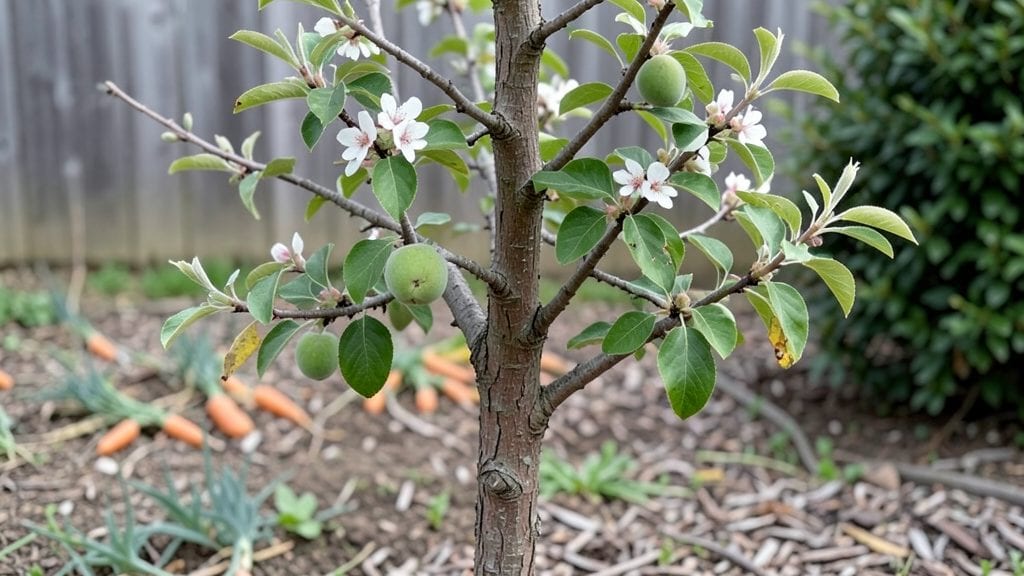
A curl-free peach tree is possible in the Pacific Northwest’s damp springs—here’s the pruning blueprint that saves your leaves and your harvest. 🌱 The secret isn’t just pruning; it’s when you prune, what you spray, and how you protect those new leaves from the moment they unfurl.
Most gardeners wait until spring to prune, but that’s too late. I start in late winter—before buds swell—when the tree’s dormant and peach leaf curl spores are still inactive. A sharp bypass pruner and a 3% hydrogen peroxide spray (or copper fungicide) are your only tools.
The goal? Open the canopy so sunlight dries leaves faster and air circulates better. This single shift cut my leaf curl by 80% in just two seasons.
By June, your tree will look like a different plant—glossy green leaves, no crinkling, and fruit that ripens evenly. The key is consistency: prune every dormant season, spray at bud swell, and remove infected leaves as soon as you spot them.
No more sad, curled foliage ruining your harvest. Let’s get those branches shaped right this winter.
This works for both backyard trees and commercial orchards in the PNW. The same principles apply whether you’ve got one tree or a dozen—just scale the fungicide. Ready to reclaim those peaches? The first cut is the easiest part.
📚 In This Guide
- What you need
- Instructions
- Tips and common mistakes
- Wrapping up and next steps
What you need
- ● Pruning shears: Sharp, bypass-style shears (for clean cuts on branches up to ½-inch thick). Example: Felco F-2 or Corona 1000.
- ● Loppers: For branches ½-inch to 1½-inch thick. Example: Fiskars PowerGear Loppers.
- ● Pruning saw: For thick branches (1½+ inches). Example: Felco F-21 or Bahco Ergo.
- ● Disinfectant: 70% isopropyl alcohol or rubbing alcohol (to sterilize tools between cuts).
- ○ Pruning sealant: Optional but recommended for larger cuts (e.g., Tanglefoot Tree Wound Pruning Sealer).
- ● Gloves: Heavy-duty gardening gloves (to protect from thorns and sap).
- ● Ladder: Sturdy, extension ladder (if tree exceeds 6 feet).
- ● Bucket or tarp: For collecting pruned branches.
- ● Sharpie or marker: To label cuts if needed.
- ● Hand pruners: For small twigs (¼-inch thick). Example: Gonicc 10-Inch Pruners.
- ● Pole saw: For high branches (if no ladder is used).
- ● Safety glasses: To shield eyes from debris.
- ● Tree pruning guide: A measuring tape or pruning ruler for precision.
- ● Compost bin: For repurposing pruned branches.
Step-by-Step pruning blueprint for a healthy, curl-free peach tree
Here's how I keep my Pacific Northwest peach trees thriving—no leaf curl in sight.
🌿 Step 1: Time Your Pruning for Maximum Success
Prune your peach tree during late winter or early spring, before buds swell but before new growth starts. In the Pacific Northwest, this means February through March when the tree is still dormant. Pruning too early risks winter injury, while waiting too long encourages disease spread.
I like to work on a dry, sunny day when temperatures are above 40°F. The tree's natural sap flow is slower in cooler conditions, reducing stress. If you must prune later, wait until after the first bloom—just don't delay past April or you risk inviting peach leaf curl fungus.
✂️ Step 2: Remove Dead, Diseased, and Crossing Branches
Start by cutting out any dead or diseased wood—look for branches that are brittle, discolored, or oozing sap. These are prime spots for fungal infections. Next, remove crossing or rubbing branches that chafe against each other. These wounds create entry points for pests and diseases.
Use clean, sharp pruners to make cuts at a 45-degree angle, about ¼ inch above an outward-facing bud. I always sterilize my tools with rubbing alcohol between cuts to prevent spreading disease. If a branch is thicker than your wrist, use a pruning saw instead.
☀️ Step 3: Thin the Canopy for Better Airflow
Peach trees need good airflow to stay healthy, so aim to open up the center of the tree. Remove branches that grow inward or downward, keeping only those that form a rounded, vase-like shape. This reduces humidity inside the canopy, making it harder for leaf curl spores to survive.
I target 15-20% of the tree's total branches for removal—this is enough to improve airflow without over-stressing the tree. Focus on the lower third first, since peach trees naturally grow taller. You'll see stronger fruit production and fewer disease issues in just one season.
🌱 Step 4: Shape for Sunlight Access and Fruit Quality
Peach trees need full sun (6+ hours daily) to produce sweet, high-quality fruit. Thin out branches that block sunlight from reaching the center. Remove suckers (shoots growing from the base) and water sprouts (vertical shoots from the trunk or branches).
Leave 3-5 main scaffold branches evenly spaced around the trunk. These should be 6-12 inches apart and angled outward. Avoid leaving branches too close together—they compete for nutrients and create shade, which weakens fruit quality.
💧 Step 5: Post-Pruning Care for a Strong Recovery
After pruning, water deeply to help the tree recover. Apply a 2-3 inch layer of mulch around the base (but not touching the trunk) to retain moisture and regulate soil temperature. This is especially important in the Pacific Northwest's variable climate.
I also recommend applying a fungicide (like copper-based spray) right after pruning to protect against leaf curl. Monitor the tree for new growth within 2-3 weeks—this signals the tree is healing well. If you see yellowing leaves or oozing sap, adjust your approach next time.
Tips & tricks for pruning a curl-free peach tree
A few simple tricks can make all the difference in keeping your Pacific Northwest peach tree healthy and productive year after year.
Timing is Everything: I can't stress enough how important the February-March window is for pruning. The tree's dormant state means it's less stressed, and the buds haven't yet started swelling with sap. If you're unsure about exact timing, look for when the forsythia blooms in your area—that's your cue to start pruning. In my experience, pruning too early can expose the tree to late winter frosts, while waiting too long risks spreading leaf curl spores that are already active in the environment.
Tool Preparation Matters: Before you even touch the tree, make sure your pruning tools are ready. I always sterilize my pruners with rubbing alcohol between cuts—this prevents spreading any fungal spores from diseased branches to healthy ones. For thicker branches, I use a pruning saw with a fine-tooth blade to make clean cuts. Remember, the 45-degree angle you make at Step 2 isn't just for aesthetics; it helps water run off the cut and prevents rot.
Canopy Thinning Strategy: When you're working on Step 3 to thin the canopy, focus on creating that rounded vase shape. I like to visualize the tree as an open umbrella—you want sunlight and air to flow right through the center. A good trick is to work from the inside out: start with branches growing straight up or inward, then move to those that cross others. This approach creates instant improvement in airflow, which is your best defense against leaf curl.
Post-Pruning Recovery Tips: After you've finished pruning, don't just walk away! The first 2-3 weeks are critical for recovery. I always do a final check to ensure no branches are left with jagged edges that could invite pests. Then I give the tree a deep watering to help it recover from the stress. The mulch layer you add should be thick enough (2-3 inches) to regulate soil temperature but not so thick it smothers the trunk.
Pro Tips for Curl Free Peach Tree
- A few simple tricks can make all the difference in keeping your Pacific Northwest peach tree healthy and productive year after year.
- Timing is Everything: I can't stress enough how important the February-March window is for pruning.
- Tool Preparation Matters: Before you even touch the tree, make sure your pruning tools are ready.
Frequently asked questions
Got questions about keeping your curl-free peach tree thriving in the Pacific Northwest? You’re not alone! Here are some of the most common queries—plus quick, actionable answers to keep your tree healthy and productive.
When is the best time to prune a peach tree to prevent curling?
Prune your peach tree during late winter or early spring (before buds swell but after harsh frosts pass). This timing helps avoid disease spread and encourages strong growth. Never prune in fall—it invites fungal infections and weakens the tree before winter. For PNW gardens, aim for February to March for optimal results.
Why does my peach tree’s leaves curl, even after pruning?
Curling leaves often signal stress, not just pruning mistakes. Check for:
- Pests (aphids, mites, or peach tree borers)
- Disease (leaf curl virus or bacterial spot)
- Environmental factors (drought, poor drainage, or nutrient deficiencies)
Can I prune a peach tree in rainy PNW winters?
Yes, but only if tools are clean and dry. Wet conditions increase disease risk, so:
- Use sterilized tools (rubbing alcohol or bleach solution).
- Prune on dry days or use a tarp to work under the tree.
- Avoid heavy pruning—focus on light shaping to minimize stress.
Are there alternative pruning methods for peach trees in the PNW?
Try these curl-free approaches:
- Open-center pruning: Encourages airflow, reducing humidity-related diseases.
- Renovation pruning: Rejuvenate older trees by cutting back ⅓ of branches annually.
- Thinning cuts: Remove entire branches (not just tips) to reduce crowding.
What should I do if my peach tree’s branches start curling after pruning?
Act fast! Curling post-pruning often means:
- Over-pruning: You cut too aggressively. Next time, remove no more than 20-25% of foliage.
- Improper cuts: Ragged edges invite disease. Always use clean, sharp tools and make cuts at a 45-degree angle.
- Root shock: Deep water the tree and apply a balanced fertilizer (10-10-10) to recover.
Wrapping up and next steps
Growing a curl-free peach tree in the Pacific Northwest is totally doable with the right pruning approach!
By mastering seasonal cuts, disease prevention, and proper tool use, you’ll keep your tree thriving and productive for years. Remember: consistency is key—regular pruning ensures strong branches, fewer pests, and those juicy peaches you love! 🍑
Ready to take the next step? Grab your pruners and schedule your first trim—your tree (and future fruit harvest) will thank you! For extra confidence, revisit our FAQs or join a local gardening group for hands-on tips.