Trees
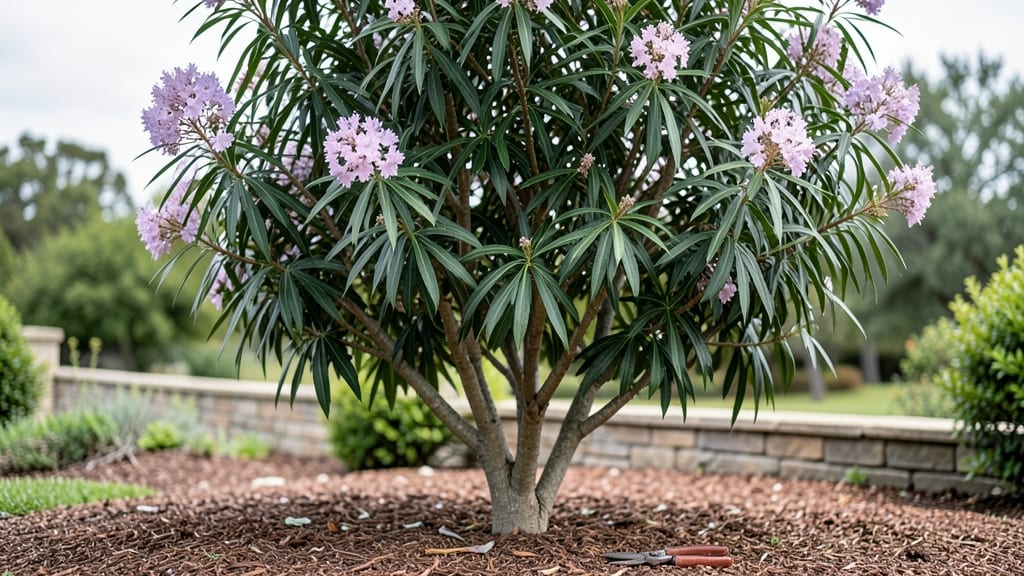
The Crepe Myrtle 'Tuscarora' transforms Pacific Northwest landscapes with its velvety lavender blooms that stretch from summer through fall—something most trees can't match.
I planted mine last spring after years of admiring neighbors' trees, and now it's the centerpiece of my garden, drawing hummingbirds and late-season color when everything else fades. The key isn't just the flowers, though—it's how this tree thrives in our damp, mild climate where other crepe myrtles struggle.
You'll need well-draining soil (even our rainy summers can't drown these roots) and a spot with at least 6 hours of sunlight daily—though it tolerates partial shade better than most varieties.
The Tuscarora grows to about 15 feet tall with a graceful, multi-stemmed habit, making it perfect for small yards or as a specimen plant. Unlike its southern cousins, this one handles our cooler nights and occasional frost without complaint, though young trees benefit from winter mulch.
Once established, watering becomes effortless—these trees drink deeply but hate soggy feet. Prune in late winter to shape and remove dead wood, and you'll reward yourself with 3-4 months of continuous blooms starting in early summer.
The bark peels dramatically in winter, adding another layer of interest, and the scent of those flowers? Pure summer in a bottle, even when autumn arrives.
Beginner-friendly but not boring, the Tuscarora asks for little beyond good drainage and occasional pruning. It handles our region's humidity and occasional wind better than most ornamental trees, making it the low-maintenance superstar I knew it would be.
Let's get yours planted so you can enjoy that same magic in your yard.
📚 In This Guide
- What you need
- Instructions
- Tips and common mistakes
- Wrapping up and next steps
What you need
- ● Crepe Myrtle Tuscarora Tree: 1 mature tree (3-5 gallons) or 3-5 smaller container-grown plants (1-gallon size) for clustering.
- ● High-quality, well-draining potting mix: 5-10 cubic feet (for planting) or 1-2 bags (for container gardening). Mix in 20-30% perlite or sand for optimal drainage.
- ● Organic mulch: 2-3 cubic feet (e.g., shredded bark, wood chips, or pine straw). Keep mulch 3-4 inches away from the trunk to prevent rot.
- ● Slow-release fertilizer: 10-10-10 or 8-3-9 blend (1 lb per tree). Apply in early spring for a nutrient boost.
- ● Shovel or trowel: 1 medium-sized digging tool (for planting holes).
- ● Garden gloves: 1 pair (to protect your hands from thorns and rough bark).
- ● Pruning shears or loppers: 1 pair (for shaping and maintenance). Sterilize blades with rubbing alcohol between cuts.
- ● Wheelbarrow or bucket: 1 (for mixing soil and transporting materials).
- ○ Watering can or hose with nozzle: 1 (for deep watering). A drip irrigation system is optional but ideal for consistent moisture.
- ● Measuring tape: 1 (to ensure proper spacing—10-15 feet apart for mature trees).
- ● Sunlight: A full-sun location (6+ hours daily). Partial shade is tolerated but reduces blooms.
- ● Soil pH: Slightly acidic to neutral (6.0-7.0). Test your soil and amend with lime or sulfur if needed.
- ● Water access: A nearby spigot or hose connection for regular watering (especially in the first year).
- ● Local regulations: Check city/county guidelines for tree planting permits or restrictions in urban areas.
- ● Tree guard or protective wrap: 1 (to shield young trees from deer or pets).
- ● Epsom salt: 1 lb (for magnesium boost—mix 1 tbsp per gallon of water monthly during growing season).
- ● Compost or worm castings: 1 bag (for enriching soil naturally).
- ● Staking kit: 1 (if planting in windy areas; use 3 stakes max to avoid girdling).
How to plant and care for a crepe myrtle Tuscarora tree in the Pacific Northwest
This stunning variety thrives in our region's mild climate—here's how to establish it for years of vibrant blooms.
Select the Optimal Planting Location
The Tuscarora crepe myrtle demands full sun exposure—at least 6-8 hours of direct sunlight daily—to develop its signature dramatic blooms. In the Pacific Northwest's cooler summers, choose a site sheltered from strong coastal winds that can stress young trees. The ideal spot receives morning sun and afternoon shade if temperatures regularly exceed 85°F.
Test your location by observing nearby plants during summer months. If neighboring shrubs show signs of heat stress (yellowing leaves, curled foliage), your crepe myrtle will need afternoon protection. The tree's natural growth habit creates a layered canopy, so ensure 8-10 feet of clearance from structures and other plants to accommodate its mature size.
Prepare the Planting Site with Proper Soil Amendments
Crepe myrtles tolerate a wide range of soil types but perform best in well-draining, slightly acidic soil with a pH between 5.5-6.5. Before planting, test your soil's drainage by digging a 12-inch deep hole—if water pools after 30 minutes, amend with 2-3 inches of organic matter like composted leaves or well-rotted manure to improve structure.
For heavy clay soils common in the Pacific Northwest, create a 24-inch diameter planting mound using a 50/50 mix of native soil and coarse sand. This elevation prevents waterlogging during our region's frequent winter rains. Avoid amending with fresh mulch at planting time—wait until after establishment to prevent root rot.
Plant at the Correct Depth and Stake for Support
Position the tree so the top of the root ball sits 1-2 inches above ground level—settling will occur naturally. The Tuscarora's strong root system requires space, so dig a hole twice as wide as the root ball but no deeper. Gently remove the tree from its container and loosen any circling roots with your fingers to encourage outward growth.
Backfill with native soil while maintaining the planting mound structure, tamping lightly every 4 inches to eliminate air pockets. Install two 4-foot stakes positioned 180 degrees apart, securing the tree with flexible ties at the base of the trunk. Water thoroughly immediately after planting to settle the soil and eliminate air gaps around roots.
Establish a Watering and Mulching Routine
Newly planted crepe myrtles need 1-2 inches of water weekly during the first growing season, delivered deeply at the soil line rather than overhead. In the Pacific Northwest's humid climate, water early in the morning to allow foliage to dry before evening—a critical preventative measure against powdery mildew. Reduce watering frequency as the tree establishes, aiming for 1 inch every 10-14 days once established.
Apply a 3-inch layer of wood chips or bark mulch around the base, extending out to the tree's drip line. Keep mulch 6 inches away from the trunk to prevent rot. Replenish mulch annually in early spring, pairing it with a ¼ cup of 10-10-10 fertilizer worked into the top 6 inches of soil to support vigorous growth without excessive nitrogen.
Prune for Structure and Bloom Health
Wait until late winter or early spring to perform your first pruning, removing any dead or crossing branches with clean cuts just outside the branch collar. The Tuscarora's natural vase shape requires minimal intervention, but remove up to 25% of the previous year's growth to encourage dense flowering. Never "top" the tree—this practice eliminates future blooms by removing flower buds.
Throughout the growing season, monitor for suckers at the base and remove them immediately. These energetic shoots divert energy from the main trunk. In fall, clean up all fallen debris and apply a 1-inch layer of compost around the base to prepare for winter. The Tuscarora's cold hardiness makes it ideal for our region, but proper pruning ensures it maintains its architectural beauty year after year.
Tips & tricks for perfect crepe myrtle Tuscarora planting
These practical insights will help you establish your Tuscarora tree for decades of stunning blooms in our Pacific Northwest climate.
Sunlight Strategy: In Step 1, when selecting your planting location, remember that the 6-8 hours of sunlight requirement is non-negotiable for those signature blooms. I've seen many gardeners compromise by planting in partial shade, only to end up with sparse flowering. If your yard gets strong afternoon sun, consider planting on the east side of structures to capture morning sunlight while avoiding the hottest afternoon rays—especially important when temperatures exceed 85°F, which can stress the tree.
Soil Preparation Secret: For Step 2, when testing your soil's drainage, I recommend going a step further by using a simple DIY test: Dig your 12-inch hole, then fill it with water. If the water drains completely within 30 minutes, your soil is perfect. If not, you'll definitely need that 24-inch diameter planting mound with the 50/50 soil-sand mix. This elevation technique has saved me from waterlogged roots in our heavy clay soils—trust me, the difference is dramatic once established.
Planting Depth Precision: The 1-2 inch elevation above ground level in Step 3 is crucial—it prevents rot while allowing natural settling. I've learned the hard way that planting too deep can suffocate the roots. When backfilling, use your hand to gently press the soil every 4 inches rather than compacting with a shovel. This creates better root contact without creating air pockets that can lead to future issues.
Watering Wisdom: In Step 4, the 1-2 inches of weekly water during the first year might seem like a lot, but it's essential for root establishment. I've found that using a soaker hose or drip irrigation system delivers water exactly where it's needed—at the soil line—without wetting the foliage, which helps prevent powdery mildew in our humid climate. Once established, that transition to 1 inch every 10-14 days becomes much easier to manage.
Pro Tips for Crepe Myrtle Tuscarora Tree
- These practical insights will help you establish your Tuscarora tree for decades of stunning blooms in our Pacific Northwest climate.
- Sunlight Strategy: In Step 1, when selecting your planting location, remember that the 6-8 hours of sunlight requirement is non-negotiable for those signature blooms.
- Soil Preparation Secret: For Step 2, when testing your soil's drainage, I recommend going a step further by using a simple DIY test: Dig your 12-inch hole, then fill it with water.
Frequently asked questions
Got questions about the stunning Crepe Myrtle Tuscarora? Here are some of the most common concerns—plus practical answers to help you grow this Pacific Northwest showstopper with confidence!
How cold can a Tuscarora Crepe Myrtle handle?
The Lagerstroemia 'Tuscarora' is a USDA Zone 5-9 tree, meaning it thrives in winter lows down to -20°F (-29°C). In the Pacific Northwest, its cold hardiness makes it perfect for Seattle, Portland, and even Spokane—just plant it in well-draining soil to avoid frost heave.
When is the best time to prune a Tuscarora?
Prune late winter or early spring (February–March) before new growth starts. Avoid summer pruning to prevent powdery mildew—a common issue in humid PNW summers. Never prune in fall, as this can stimulate tender growth vulnerable to frost damage.
Why aren’t my Crepe Myrtle blooms as vibrant as expected?
Duller blooms often signal over-fertilization (too much nitrogen) or poor sunlight. Ensure your Tuscarora gets 6+ hours of sun daily and use a balanced, low-nitrogen fertilizer (10-10-10) in early spring. Yellowing leaves? Could be iron deficiency—try a chelated iron supplement.
What’s a good alternative if I need a smaller tree?
If space is limited, consider the Dwarf Crepe Myrtle 'Natchez' (10–15 ft tall) or 'Zuni' (8–10 ft). Both retain the Tuscarora’s year-round interest (exfoliating bark + fall color) but stay compact. For hedge-like growth, prune aggressively in spring.
Are Crepe Myrtles pest-prone in the PNW?
Tuscaroras are generally pest-resistant, but watch for aphids (sap-sucking bugs) or Japanese beetles in summer. Treat with neem oil or insecticidal soap if needed. Powdery mildew (white fungal coating) is the main disease—improve air circulation and avoid overhead watering to prevent it.
Wrapping up and next steps
The Crepe Myrtle Tuscarora is a stunning, low-maintenance gem that brings year-round beauty and resilience to Pacific Northwest gardens. With its vibrant blooms, adaptable nature, and easy care, it’s the perfect choice for adding charm and color to your outdoor space.
Ready to transform your landscape? Start by selecting the ideal spot, preparing the soil, and planting your Tuscarora with confidence! 🌿✨
- Next step: Visit your local nursery to pick out your tree and begin your gardening adventure!