
Pruning
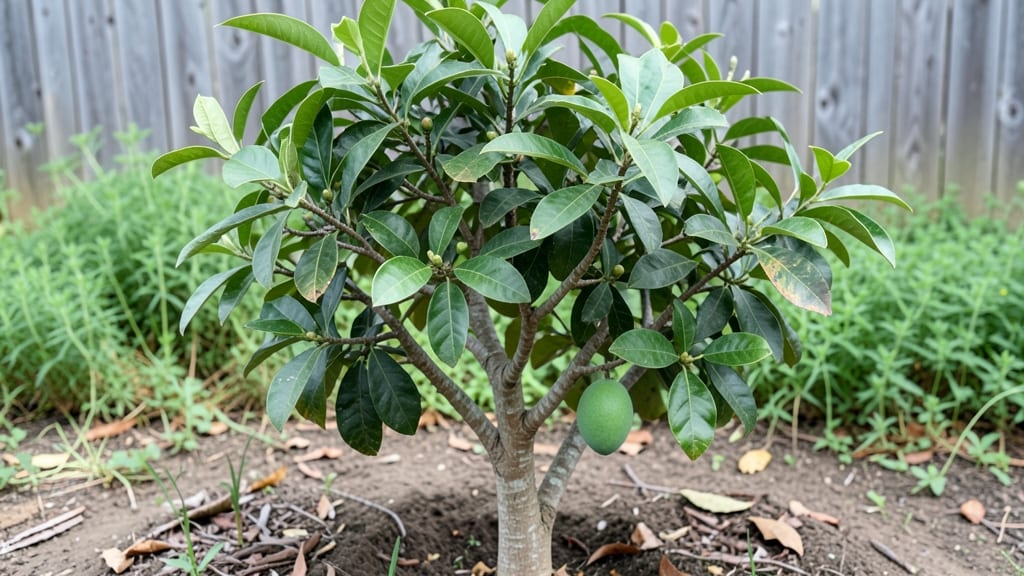
Growing a cold-tolerant mango tree in the Pacific Northwest isn't just possible—it's a game-changer for fruit lovers who refuse to give up on tropical flavors. 🌱 I've watched my 'Julie' mango thrive through winters that would freeze most varieties, and the secret lies in the right variety, soil prep, and winter protection.
The payoff? Sweet, juicy mangoes that ripen in your yard instead of a grocery store.
You'll need a dwarf variety like 'Julie' or 'Nam Dok Mai', which handle temps down to 15°F with the right care. Start with well-draining soil mixed with compost, and plant in a sheltered spot where cold winds can't reach.
Container growing works too—just move pots indoors before frost hits. The key is mimicking their tropical roots while giving them a fighting chance in cooler climates.
By summer, you'll be harvesting fruit that tastes like a vacation, even in rainy Seattle. The trees stay compact, produce reliably, and handle our damp summers better than most. With proper winter protection—like thick mulch and frost blankets—you'll avoid the leaf drop and dormancy struggles that sink most attempts.
The first harvest might be small, but each year brings bigger, sweeter rewards.
This method adapts to zones 9-11 too, where cold snaps still threaten. Whether you're in Portland or Phoenix, the same principles apply: choose the right variety, protect roots, and give your tree the support it needs to push through winter. Let's get that mango growing—your taste buds will thank you.
📚 In This Guide
- What you need
- Instructions
- Tips and common mistakes
- Wrapping up and next steps
What you need
- ● Cold-hardy mango sapling: 1–3 trees (varieties like ‘Julie,’ ‘Ice Cream,’ or ‘Cogshall’—check local nurseries for PNW-specific stocks).
- ● Age: 1–3 years (younger trees adapt faster to transplanting).
- ● Well-draining soil mix: 50% native soil (or potting mix for containers).
- ● 30% compost (organic matter for nutrients).
- ● 20% perlite or coarse sand (to prevent waterlogging).
- ● Container (if not planting in-ground): 1 large pot (15–20 gallons) with drainage holes.
- ○ Optional: Self-watering system for consistency.
- ● Pruning tools: 1 pair bypass pruners (sharp, for clean cuts).
- ● 1 hand saw (for thicker branches).
- ● 1 disinfectant (rubbing alcohol or bleach solution).
- ● Mulch: 2–3 inches of wood chips or straw (retains moisture, insulates roots).
- ● Frost protection: 1–2 frost cloths (for young trees in winter).
- ○ Optional: Small space heater or Christmas lights (for microclimates).
- ● Soil moisture meter (to avoid over/under-watering).
- ● Slow-release fertilizer (balanced 10-10-10 or citrus-specific blend).
- ● Trellis or support stakes (for windy PNW sites).
- ● Root stimulator (like mycorrhizal fungi for transplant shock).
Step-by-step instructions for growing a cold-tolerant mango tree in the Pacific Northwest
Here’s how to give your mango tree its best shot at thriving in chilly climates—without freezing surprises.
🌱 Step 1: Select the Right Cold-Hardy Variety
Not all mangoes handle frost. Look for ‘Ice Cream’ or ‘Julie’—both survive brief dips to 20°F with proper care. These varieties originated in Florida but were bred for resilience. Avoid tropical varieties like ‘Keitt’ or ‘Haden’; they’ll bolt at the first frost.
Buy a 2-3 year old sapling from a reputable nursery (not a seedling). Saplings have stronger root systems to handle winter stress. Check the root flare—it should sit just above soil level, not buried. If you’re planting in late winter, wait until soil temperatures hit 60°F to prevent shock.
🪴 Step 2: Plant in a Protected Microclimate
Find a south-facing wall or fence—it absorbs heat during the day and radiates warmth at night. Avoid low spots where cold air pools. If your yard has no natural shelter, create one with burlap screens or clear plastic sheeting draped over a frame. This traps 10°F of extra warmth on frost nights.
Dig a hole twice as wide as the root ball but only as deep as the container. Amend the native soil with 3 gallons of compost mixed into the bottom half of the hole. Mangoes hate soggy roots but need consistent moisture. If your soil drains poorly, add 5 gallons of perlite to improve aeration.
☀️ Step 3: Mulch and Water Strategically
Spread 3-4 inches of wood chips (not bark) over the root zone, keeping it 6 inches away from the trunk. Mulch insulates roots from temperature swings. Water deeply once a week during growing season—10 gallons per tree—until the top 6 inches of soil feel damp. Overwatering in winter suffocates roots.
Install a drip irrigation system on a timer for summer. Mangoes need consistent moisture but hate wet feet. In winter, reduce watering to every 3-4 weeks unless it rains. You’ll know it’s time when the soil pulls away from the shovel when dug.
✂️ Step 4: Winterize Before Frost Hits
When nighttime temps drop below 35°F, wrap the trunk with burlap and secure it with twine. This prevents sunscald during daytime thawing. Cover the canopy with frost cloth (not plastic—it traps too much heat). Weigh down the edges with bricks to prevent wind damage.
Prune in late winter (February) to remove dead or crossing branches. Cut just above a bud facing outward to encourage airflow. Avoid heavy pruning—mangoes fruit on new growth, and aggressive cuts stress the tree. After pruning, spray with neem oil to prevent fungal spores from settling on fresh cuts.
🌿 Step 5: Monitor and Adjust Year-Round
Check for aphids or scale in spring—these pests thrive in protected microclimates. Spray with soapy water (1 tsp mild soap per gallon) if you see sticky residue on leaves. Mangoes in the PNW need full sun (8+ hours daily), but young trees benefit from 50% shade cloth in summer to prevent leaf scorch.
Fertilize in early spring with 10-10-10 (1 cup per tree). Split applications into two doses: half in March, half in June. Over-fertilizing in winter burns roots. If leaves yellow between veins, it’s iron deficiency—apply chelated iron according to package rates. Adjust care based on leaf color: dark green = healthy, pale = needs nitrogen, purple = too much sun.
Tips & tricks for growing cold-tolerant mango trees
These practical tips will help you navigate the quirks of growing tropical fruit in a chilly climate—without losing your tree to frost.
Variety Selection Matters: While 'Ice Cream' and 'Julie' are your best bets for surviving to 20°F, don't overlook their cousins like 'Cogshall' or 'Kensington Pride'—these can handle brief cold snaps too. Real talk: I planted a 'Keitt' once out of curiosity, and it lasted exactly one winter before giving up. Stick to the proven varieties from Step 1.
Microclimate Mastery: That south-facing wall isn't just for looks—it's your tree's lifeline. I learned this the hard way when my first attempt in an open yard resulted in a sad, frostbitten sapling. For extra protection, consider adding a clear plastic bubble (available at garden centers) over the tree on cold nights—it traps heat like a greenhouse without smothering the plant.
Soil Temperature Secret: Waiting for soil to hit 60°F before planting in late winter might seem like waiting forever, but trust me on this. Cold soil shocks roots, and mangoes are particularly sensitive. I've found that using a soil thermometer (just $10 at garden stores) takes the guesswork out of timing. Pro tip: If you're in a hurry, you can warm the soil by covering it with black plastic for a few days before planting.
Winter Watering Wisdom: Reducing water to every 3-4 weeks in winter might seem counterintuitive, but soggy roots freeze more easily than dry ones. I've seen trees survive -5°F dips with proper winter care, but never one that was overwatered. The "soil pulls away from shovel" test is foolproof—if it doesn't, you're watering too much. For extra insurance, add a 2-inch layer of straw mulch over your wood chips in winter to provide additional insulation.
Pro Tips for Cold Tolerant Mango Tree
- These practical tips will help you navigate the quirks of growing tropical fruit in a chilly climate—without losing your tree to frost.
- Variety Selection Matters: While 'Ice Cream' and 'Julie' are your best bets for surviving to 20°F, don't overlook their cousins like 'Cogshall' or 'Kensington Pride'—these can handle brief cold snaps too.
- Microclimate Mastery: That south-facing wall isn't just for looks—it's your tree's lifeline.
Frequently asked questions
Got questions about growing cold-tolerant mango trees in the Pacific Northwest? You’re not alone! Here are answers to the most common concerns—from planting to winter prep—so you can grow thriving mangoes even in chilly climates.
How cold can a cold-tolerant mango tree actually handle?
Most cold-hardy mango varieties (like ‘Julie,’ ‘Ice Cream,’ or ‘Cogshall’) tolerate brief dips to 20–25°F (-6 to -4°C) without permanent damage. However, prolonged exposure below 28°F (-2°C) can harm leaves or young branches. Pro tip: Use frost cloths or move potted trees to sheltered spots during sudden cold snaps!
How long does it take for a cold-tolerant mango tree to bear fruit?
Patience is key! Dwarf varieties may produce fruit in 3–5 years, while standard trees can take 5–7 years to bear. Cold tolerance doesn’t speed up fruiting—focus on full sun (6+ hours/day), well-draining soil, and consistent watering to encourage early blooms.
Can I grow a cold-tolerant mango tree in a container?
Containers are ideal for PNW growers—just choose a large pot (15+ gallons) with drainage holes and use a lightweight, fast-draining mix (like cactus soil). Move pots indoors or to a garage during winter (below 32°F/0°C). Bonus: Dwarf varieties like ‘Julie’ thrive in containers and fruit reliably!
What should I do if my mango tree’s leaves turn brown in winter?
Brown leaves are often normal in winter, but crispy or blackened leaves signal frost damage. Prune affected branches in late winter/early spring (after last frost) to encourage new growth. Avoid fertilizing damaged trees—focus on watering (when soil is thawed) and mulching to protect roots.
Are there alternatives to mango trees for cold climates?
If mangoes seem too finicky, try these cold-tolerant tropical-inspired trees:
- Loquat (20°F/-7°C tolerance, early spring fruit!)
- Fig (e.g., ‘Chicago Hardy’) (15°F/-9°C, drought-resistant)
- Pomegranate (10°F/-12°C, ornamental + edible)
- Persimmon (e.g., ‘Fuyu’) (10°F/-12°C, sweet fruit)
Each offers unique flavors and cold resilience—perfect for PNW gardens!
Wrapping up and next steps
Growing a cold-tolerant mango tree in the Pacific Northwest isn’t just possible—it’s an exciting challenge that rewards patience and care! 🌱 With the right variety, proper pruning techniques, and a little winter prep, you can enjoy sweet, tropical fruit even in cooler climates.
Remember, consistency in protection and maintenance is key to long-term success.
Ready to take the next step? Start by selecting your cold-hardy mango variety (like ‘Julie’ or ‘Ice Cream’) and gather your tools. Then, dive into our pruning guide to keep your tree thriving year-round! The journey starts with a single branch—so why not plant yours today?