
Pruning
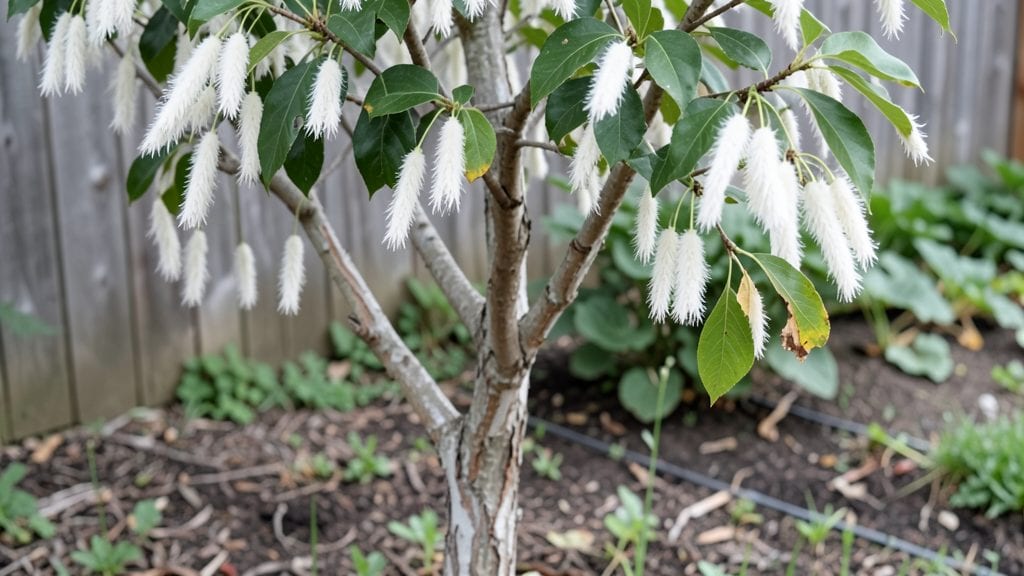
The Chinese fringe tree in winter reveals its true architectural beauty—when most trees stand bare, yours will glow with delicate lace-like branches. I’ve watched mine transform from summer’s lush foliage to a stunning winter skeleton, and the secret to keeping it that way starts with late-winter pruning.
This isn’t just about shaping; it’s about preserving the tree’s natural elegance while ensuring vigorous spring growth.
Here’s the thing—Chinese fringe trees (Chionanthus retusus) handle winter cold beautifully, but they do need strategic cuts to avoid winter dieback or weak regrowth. You’ll need sharp pruning shears, a ladder (if branches are high), and a clear day when temps are above freezing.
The goal? Remove dead wood, thin crowded branches, and open the center for airflow—all while keeping the tree’s signature silhouette intact.
When done right, your tree will burst into spring blooms (those fragrant white fringe flowers) and maintain its graceful form for years. The pruning window is tight—February to early March—so you won’t miss the ideal moment.
Think of it as a winter spa day for your tree: a little trim now means a showstopper in every season.
This method works for both young trees and mature specimens, whether you’re in Zone 5 or 8. The key is patience—one cut at a time—and watching how the tree responds. Ready to turn your winter garden into a living sculpture? Let’s get started.
📚 In This Guide
- What you need
- Instructions
- Tips and common mistakes
- Wrapping up and next steps
What you need
- ● Pruning shears: Bypass pruners (for clean cuts on small branches, 1-2 pairs, sharp and sterilized)
- ● Loppers: Bypass or anvil type (for thicker branches, 1 pair, 10–16-inch reach)
- ● Pruning saw: Hand saw with curved blade (for branches 1.5+ inches thick, 1 unit)
- ● Disinfectant: Rubbing alcohol (70%+) or pruning sealant (to sterilize tools between cuts, small bottle)
- ● Gloves: Heavy-duty gardening gloves (for protection, cut-resistant)
- ● Ladder: Sturdy, extendable ladder (if tree exceeds 6–8 feet, weight-rated for your height)
- ● Trash bags: Heavy-duty contractor bags (for debris, 2–3 large bags)
- ○ Pruning paint/sealant: Optional but recommended (for cuts > 0.5 inches thick, latex-based)
- ● Hand pruners: Compact bypass pruners (for precision on tiny branches)
- ● Safety glasses: (to protect eyes from debris)
- ● Tree tie: Soft cloth or rubber tie (to secure branches during pruning)
- ● Notebook & pen: (to sketch pruning plan or track cuts)
- ● Compost bin: (for chipping small branches into mulch)
Instructions for pruning Chinese fringe tree in winter
Here’s the precise method I use to sculpt Chinese fringe trees for balanced growth and stunning spring blooms.
Time Your Pruning for Dormancy
Prune your Chinese fringe tree (Chionanthus retusus) during its winter dormancy, between late December and early February, when the tree has no leaves and before new growth begins. This timing prevents stressing the tree during active growth periods and ensures cleaner cuts that heal faster. Look for bare branches with no buds—that’s your signal the tree is fully dormant.
If you’re in a warmer climate where winter isn’t severe, wait until early spring (just before buds swell) to avoid encouraging early growth that could be damaged by late frosts. I’ve seen trees pruned too early in mild winters sprout tender shoots that get nipped by unexpected cold snaps.
Assess Structure and Remove Dead or Weak Wood
Start by inspecting the tree for dead, diseased, or crossing branches. Dead wood is easy to spot—it’s brittle, lacks bark, and often has a dark, shriveled appearance. Use sharp, clean pruning shears to make 45-degree cuts just outside the branch collar (the swollen area where the branch meets the trunk). Avoid leaving stubs, as they invite decay.
Next, remove any branches that rub against each other or grow inward toward the center of the tree. These compete for sunlight and nutrients, weakening the tree’s overall structure. I like to step back every few cuts to visualize the tree’s shape—this helps me decide which branches to keep for balance. Aim for an open, vase-like form that allows light to reach the inner branches.
Thin Out Overcrowded Branches for Airflow
Chinese fringe trees thrive with good airflow, so focus on thinning out overcrowded areas where branches grow too close together. Select branches to remove based on their size and position—thinner branches can be cut back to their origin, while thicker branches should be pruned back to a lateral branch or bud. Always make cuts at a bud or branch collar to encourage proper healing.
I target branches that grow straight up or downward, as these can create a "Christmas tree" effect that blocks light to lower branches. By thinning these out, you encourage a more natural, layered canopy. Watch for branches that grow at sharp angles—these are often weaker and should be prioritized for removal. Step back frequently to ensure the tree maintains its natural, rounded silhouette.
Shape the Tree for Balanced Growth
Now it’s time to refine the tree’s shape. Chinese fringe trees respond well to light pruning—avoid cutting back more than 25% of the tree’s foliage in one season. Focus on evenly distributing branches so the tree doesn’t lean or look top-heavy. If one side is denser, remove a few branches from that side to balance the canopy.
For a more formal look, you can prune branches to a specific length, but I prefer a natural, slightly irregular shape that still looks intentional. Cut just above an outward-facing bud to encourage new growth in the direction you want. Avoid heavy pruning of young trees—let them develop their structure naturally before making drastic cuts. If you’re unsure, err on the side of caution and remove less rather than more.
Clean Up and Apply Protective Measures
After pruning, sterilize your tools with rubbing alcohol or a 10% bleach solution to prevent spreading disease. Remove all pruned branches and debris from the area to reduce pests and pathogens. If you notice any sawdust-like frass (a sign of borers) or oozing sap, treat the wounds with pruning sealant to protect the tree from infections.
Finally, apply a 2-3 inch layer of mulch around the base of the tree (but keep it 6 inches away from the trunk) to retain moisture and regulate soil temperature. This step is especially important in colder climates where frost can damage newly pruned areas. Water the tree deeply if winter has been particularly dry, but avoid overwatering—soggy soil can suffocate roots.
Tips & tricks for perfect pruning of Chinese fringe trees in winter
Mastering the art of winter pruning transforms your Chinese fringe tree from a tangled mess into a stunning architectural specimen. Here's how to elevate your technique beyond basic cuts.
Timing is Everything: The window between late December and early February is critical—this is when the tree's natural dormancy allows for clean cuts that heal faster. If you're in a milder climate, wait until just before buds swell in early spring to avoid encouraging tender new growth that can be damaged by late frosts. I've watched trees pruned too early in warm winters develop weak, frost-sensitive shoots that never fully mature.
Tool Precision Matters: Using sharp, clean pruning shears is non-negotiable. Dull blades crush stems instead of making clean cuts, which creates larger wounds that take longer to heal. I always sterilize my tools with rubbing alcohol between cuts to prevent spreading any potential diseases between branches. For thicker branches, consider using a pruning saw with a fine-toothed blade to avoid tearing the bark.
Visualize the Final Shape: Before making any cuts, step back and study your tree from multiple angles. Chinese fringe trees naturally develop a rounded silhouette, but you can guide this by removing branches that grow straight up or downward—these create that unnatural "Christmas tree" effect. Focus on creating an open, vase-like structure that allows sunlight to reach all branches. I like to sketch a rough outline on paper first to visualize where branches should go.
Healing is a Process: After pruning, all cuts should be made just outside the branch collar at a 45-degree angle. This technique promotes faster healing by allowing the tree to seal the wound naturally. For larger cuts, apply pruning sealant to protect against infections, especially in colder climates where frost can damage exposed areas. Remember that proper pruning isn't about drastic changes—it's about gradual shaping that encourages healthy growth patterns.
Pro Tips for Chinese Fringe Tree In Winter
- Mastering the art of winter pruning transforms your Chinese fringe tree from a tangled mess into a stunning architectural specimen.
- Timing is Everything: The window between late December and early February is critical—this is when the tree's natural dormancy allows for clean cuts that heal faster.
- Tool Precision Matters: Using sharp, clean pruning shears is non-negotiable.
Frequently asked questions
When is the best time to prune a Chinese fringe tree in winter?
The ideal window is late winter—after the worst cold snaps but before bud break (typically February to early March in most U.S. zones). Pruning too early risks frost damage to fresh cuts, while waiting too long may encourage unwanted spring growth. Pro tip: Check your local frost dates for precision!
Will pruning in winter harm my Chinese fringe tree?
Not if done correctly! Chinese fringe trees (Chionanthus retusus) are dormant in winter, making them resilient to pruning. Avoid heavy cuts (never remove more than 25% of the canopy at once) and use sharp tools to prevent tearing. Warning: Never prune during extreme cold or ice storms—wait for stable weather.
Can I prune a Chinese fringe tree in late fall instead?
Late fall pruning (October–November) is possible but riskier. Cold snaps can stress fresh cuts, and fungal diseases thrive in damp autumn conditions. If you must prune early, sterilize tools and avoid heavy pruning. Winter pruning (post-dormancy) is always safer for long-term health.
What if my Chinese fringe tree isn’t blooming after pruning?
Blooms appear on old wood, so avoid over-pruning mature branches. Focus on shaping, not removing flowering stems. If blooms are sparse, check for:
- Sunlight: Ensure 6+ hours of sun daily.
- Soil: Well-draining, slightly acidic soil (pH 6.0–7.0).
- Age: Young trees (under 5 years) may not bloom yet.
Are there alternatives to Chinese fringe tree for winter structure?
Yes! Consider these cold-hardy, ornamental trees for year-round interest:
Tree
Winter Feature
USDA Zone
Amelanchier (Serviceberry)
Exfoliating bark + early spring blooms
3–9
Cercis canadensis (Eastern Redbud)
Peeling bark + vibrant pink flowers
4–9
Cornus sericea (Red Twig Dogwood)
Striking red stems
2–7
Wrapping up and next steps
Winter is the perfect time to shape your Chinese fringe tree into a stunning year-round landscape star! By following this pruning blueprint—timing, technique, and tool care—you’ll encourage vibrant blooms, healthy growth, and that iconic fuzzy fringe silhouette. 🌿✨
Ready to take action? Grab your tools, step outside, and give your tree the TLC it deserves. Start small—even a few strategic cuts can make a big difference. Happy pruning!