
Pruning
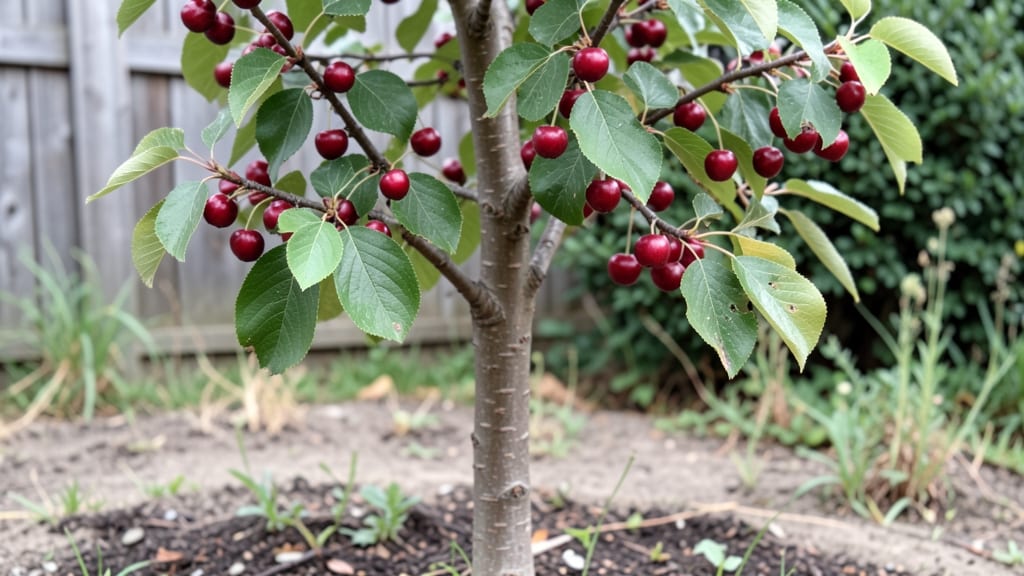
Growing cherries in the Pacific Northwest means choosing the right varieties for your cherry tree climate zone—because the wrong pick can mean no fruit, or worse, a tree that won’t survive winter.
I’ve learned this the hard way after watching a sweet cherry tree I planted in Portland freeze back to the ground one brutal February. The key? Matching your tree to zones 6b through 8a, where winters are cold but not extreme, and summers stay warm enough for fruit to ripen.
Sweet cherries like ‘Stella’ and ‘Lapins’ thrive in the PNW’s zones 6b-8a, while sour cherries like ‘Montmorency’ handle colder snaps down to zone 5. The trick is planting varieties that bloom late enough to avoid late frosts—those April chills can wipe out blossoms before they set fruit.
I’ve found that dwarf varieties (like ‘Sweetheart’) are the safest bet for small yards, as they fruit earlier and resist winter damage better than standard trees.
Once established, your tree will reward you with juicy, deep-red cherries that ripen in late June or early July—just in time for fresh eating, pies, or freezing. The secret to long-term success?
Mulching heavily in fall to protect roots, watering deeply during dry summers, and pruning to open the canopy for better airflow (which cuts down on fungal diseases). With the right variety, you’ll be picking fruit for decades.
If you’re outside the PNW, don’t worry—adjustments like microclimates, windbreaks, and cold-hardy rootstocks can extend your options. Just verify your exact zone using the USDA Plant Hardiness Zone Map (link in resources), and you’ll be set for a tree that outlasts the seasons. Let’s get those roots in the ground!
📚 In This Guide
- What you need
- Instructions
- Tips and common mistakes
- Wrapping up and next steps
What you need
- ● Cherry Tree Sapling: 1 dwarf or semi-dwarf variety (e.g., Stella®, Lapins®, or Bing) for easier pruning and harvest.
- ● Check rootstock compatibility with your climate zone (Zone 7-9 recommended).
- ● Planting Supplies: 1 5-gallon container or bare-root sapling (for established trees).
- ● 1 shovel or digging spade (18-24" deep for root space).
- ● 2-3 5-gallon buckets of high-quality potting mix (or native soil amended with compost).
- ● 1 slow-release fertilizer (10-10-10 NPK ratio, 1 lb per tree).
- ● 1 mulch (wood chips or straw) (3-4 inches deep, keep 6" away from trunk).
- ● Pruning Tools: 1 bypass pruners (for cuts <½ inch thick).
- ● 1 loppers (for branches ½-1½ inches thick).
- ● 1 pruning saw (for larger branches >1½ inches thick).
- ● 1 disinfectant (70% isopropyl alcohol or bleach solution) (to sterilize tools between cuts).
- ● Safety Gear: 1 pair of gloves (cut-resistant for pruning).
- ● 1 safety glasses (to protect from debris).
- ● Soil Testing Kit: Verify pH (ideal: 6.0-6.5) and nutrient levels before planting.
- ● Tree Support: 1 stake or cage (for young trees in windy PNW areas).
- ● Drip Irrigation System: Ensures consistent moisture, especially during drought-prone summers.
- ● Fungicide (copper-based): Prevents leaf spot or brown rot (common in wet PNW climates).
- ● Tree Wrap: Protects bark from sun scald in winter (Zone 7 areas).
Instructions for selecting and planting Pacific Northwest cherry trees
Here's how to match your site to the perfect cherry variety for reliable fruit in the PNW's cool, wet climate.
Identify Your Microclimate Within the Pacific Northwest
The Pacific Northwest spans USDA Hardiness Zones 6-9, but microclimates create huge differences. Coastal areas like Seattle stay milder with 50-60°F winters, while inland spots like Wenatchee drop to 20°F or lower. Check your last frost date—most cherry trees need 300-500 chill hours below 45°F to fruit properly.
If you're in Zone 7-8 (common in western Washington), sweet cherries like 'Stella' or 'Lapins' thrive. For Zone 9 (Willamette Valley), try 'Rainier' or 'Bing'. In colder inland areas (Zone 5-6), tart cherries like 'Montmorency' handle the cold better. I always verify my zone using the USDA Plant Hardiness Map—don't guess.
Choose Between Sweet and Tart Cherry Varieties
Sweet cherries need full sun (6+ hours daily) and well-drained soil—critical in the PNW's rainy winters. Varieties like 'Rainier' and 'Bing' produce stunning fruit but require cross-pollination (plant two compatible trees). Tart cherries like 'Montmorency' are more self-sufficient and tolerate slightly wetter soils, making them ideal for coastal gardens.
Here's the thing—sweet cherries need warmer microclimates (Zone 7+), while tart cherries handle Zone 5-6 winters. If your winters dip below 10°F, stick with tart cherries unless you're willing to protect young trees with burlap wraps during cold snaps. I planted a sweet cherry in Zone 7 once—it survived, but the fruit was tiny and inconsistent.
Prepare the Planting Site for PNW Conditions
Cherry trees hate waterlogged roots, so choose a spot with slightly elevated ground or amend heavy clay soil with 3-4 inches of compost. The PNW's acidic soils (pH 5.0-6.5) work fine, but if your soil tests below 5.0, add lime to prevent yellowing leaves. Dig a hole twice as wide as the root ball but no deeper—planting too deep suffocates roots.
Mulch heavily with 4-6 inches of wood chips, keeping it 6 inches away from the trunk to prevent rot. In coastal areas, windbreaks (like a fence or evergreen hedge) protect young trees from salt spray and storm damage. I always stake newly planted trees in windy sites—cherry trees aren't as sturdy as they look.
Plant at the Right Time and Protect Young Trees
Plant bare-root trees in late fall or early spring (before buds swell) or container-grown trees in early spring. Water deeply immediately after planting, then weekly for the first month to establish roots. In Zone 6-7, young trees need winter protection—wrap the trunk with burlap and cover with straw mulch to insulate roots.
Here's where many gardeners fail: don't fertilize new plantings in the first year. Focus on watering and mulching instead. Cherry trees are heavy feeders, but young roots need time to adapt. I've seen new plantings collapse from over-fertilization—too much nitrogen burns tender roots in the PNW's cool, damp soil.
Prune and Maintain for Maximum Fruit in the PNW
Prune dormant trees in late winter (before buds swell) to open the canopy for better airflow—critical in the PNW's humid summers to prevent fungal diseases like cherry leaf spot. Remove suckers and water sprouts immediately; they drain energy from fruit production. Thin out crossing branches to prevent silver leaf disease, common in dense canopies.
Fertilize annually in early spring with a balanced 10-10-10 formula, but reduce nitrogen if you see excessive leaf growth over fruit. Thin fruit clusters to 6-8 cherries per spur—this ensures larger, sweeter fruit. In Zone 8-9, late frosts can damage blossoms, so cover trees with frost cloth during late April if frost is forecasted.
Tips & tricks for perfect cherry tree selection in the Pacific Northwest
These practical insights will help you avoid common pitfalls and maximize your cherry tree's success in the PNW's unique climate.
Zone Verification: Don't rely on general PNW zone information—your specific microclimate matters. I always cross-reference the USDA Plant Hardiness Map with local weather records. For example, Seattle's Zone 8 winters average 50-60°F, while nearby Snoqualmie Pass drops to 20°F or lower. A 10°F difference can mean the difference between thriving sweet cherries and struggling ones.
Variety Matching: The 300-500 chill hours requirement below 45°F is non-negotiable for fruit production. If you're in Zone 6-7, tart cherries like 'Montmorency' are your best bet—they handle colder winters better. For Zone 8-9, sweet cherries like 'Rainier' need protection from late frosts, which can damage blossoms in April. I've seen frost cloth save entire crops in the Willamette Valley.
Soil Preparation: The PNW's acidic soils (pH 5.0-6.5) are generally fine, but don't assume your soil is perfect. Test it first—if it's below 5.0, add lime to prevent yellowing leaves. And remember, cherry trees hate waterlogged roots. Even in rainy climates, choose slightly elevated ground or amend heavy clay with 3-4 inches of compost before planting. I learned this the hard way when my first tree's roots suffocated in compacted soil.
Winter Protection: In Zone 6-7, young trees need more than just mulch. Wrap trunks with burlap and cover with straw mulch to insulate roots during winter. For Zone 8-9, late frosts in April can destroy blossoms—have frost cloth ready. I've seen entire crops lost because gardeners didn't plan for these late-season cold snaps. Timing is everything when it comes to frost protection.
Pro Tips for Cherry Tree Climate Zone
- These practical insights will help you avoid common pitfalls and maximize your cherry tree's success in the PNW's unique climate.
- Zone Verification: Don't rely on general PNW zone information—your specific microclimate matters.
- Variety Matching: The 300-500 chill hours requirement below 45°F is non-negotiable for fruit production.
Frequently asked questions
Got questions about growing cherry trees in the Pacific Northwest? You’re not alone! Here are some of the most common concerns—and their answers—to help you plant with confidence.
What are the best USDA climate zones for cherry trees in the PNW?
Most cherry varieties thrive in USDA Zones 5-8, making them perfect for the PNW’s mild, wet winters and warm summers. Sweet cherries (like Stella or Lapins) prefer Zones 5-7, while tart cherries (like Montmorency) handle Zones 4-8. Always check your microclimate—coastal areas may be slightly warmer!
How long does it take for a cherry tree to bear fruit after planting?
Patience is key! Dwarf varieties may produce fruit in 2-4 years, while standard trees can take 5-7 years. Pro tip: Plant two compatible trees (e.g., Stella and Van) for cross-pollination—no lonely blossoms! Cold winters can delay fruiting, so avoid planting in Zone 9+ without winter chilling.
Are cherry trees prone to disease in the Pacific Northwest’s rainy climate?
Yes, but don’t stress! Brown rot and canker are common, but PNW-friendly varieties (like Rainier) are more resistant. Preventative care: Prune for airflow, remove infected fruit promptly, and apply copper fungicide in spring. Rainy seasons = extra vigilance!
Can I grow cherry trees in containers or small yards?
Dwarf varieties (like Compact Stella) thrive in 15-20 gallon pots with well-draining soil. Place them in full sun and water deeply during dry spells. Warning: Containers dry out faster—mulch heavily to retain moisture. For small yards, espalier training can save space while maximizing fruit!
Why aren’t my cherry tree blossoms turning into fruit?
Blossoms without fruit often mean pollination failure or late frosts. Ensure you have two compatible trees (check labels!). Late spring frosts (<32°F) can damage blossoms—use frost cloth if your area is prone to them. Bonus tip: Hand-pollinate with a soft brush if bees are scarce!
What’s a good alternative if cherry trees struggle in my microclimate?
If your zone edges (e.g., Zone 9) or soil is too acidic, try plums (like Santa Rosa) or apricots (e.g., Blaze Gold). These handle heat better and still yield sweet fruit. Soil fix: Amend with lime if pH is below 6.0—cherries hate acid!
Wrapping up and next steps
Choosing the right cherry tree climate zone for the Pacific Northwest ensures sweet, reliable harvests for years to come! Whether you’re drawn to tart Montmorency cherries or the classic Bing, the key is matching your variety to your local microclimate—from chilly coastal areas to warmer inland valleys.
With the right preparation, pruning, and care, your cherry tree will thrive and reward you with luscious fruit. 🌱
Ready to plant? Start by testing your soil and selecting a sunny spot with well-draining soil. Then, pick your favorite variety from our guide and get growing—your future cherry pies (or fresh snacks!) are waiting! 🍒