Blooming
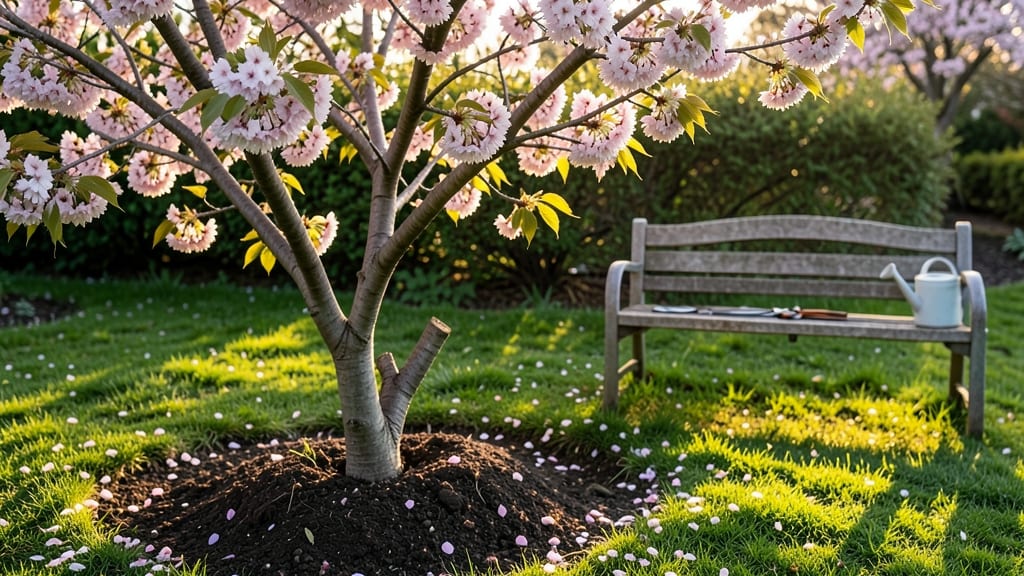
Planting cherry blossom trees in the US transforms any yard into a Pacific Northwest dream—pink clouds of petals that turn heads and fill the air with spring magic. 🌸 I remember the first time I saw a single tree in full bloom: the way sunlight filtered through those delicate petals, casting lace-like shadows on the lawn.
These trees aren’t just pretty; they’re the heart of spring, turning ordinary landscapes into postcard-worthy scenes.
They thrive best in zones 5-8, where winters aren’t brutal enough to kill them but cool enough to break dormancy beautifully.
The Pacific Northwest’s mild climate makes it their happy place, but they adapt well to other regions too—just pick varieties suited to your area, like the early-blooming ‘Kanzan’ or the fragrant ‘Shirofugen.’
A single specimen tree becomes a stunning focal point, while clusters create breathtaking borders or even living room dividers.
Imagine your garden in April: soft pink petals drifting onto the grass, bees humming as they collect pollen, and that unmistakable sweet scent filling the air. These trees deliver more than beauty—they bring life, color, and a sense of celebration to any space.
Plus, their seasonal interest doesn’t end with spring; the glossy green leaves provide summer shade, and the bark adds winter texture.
Whether you’re planting one as a statement piece or lining a driveway with several, cherry blossoms elevate any landscape. They pair perfectly with azaleas, rhododendrons, or even a simple lawn—just give them room to grow and watch your garden become the talk of the neighborhood.
Ready to bring that iconic spring canopy to your yard?
📚 In This Guide
- What you need
- Instructions
- Tips and common mistakes
- Wrapping up and next steps
What you need
- ● Cherry blossom tree sapling: 1-2 trees (for cross-pollination, if possible—opt for at least two varieties like Kwanzan or Yoshino)
- ● Size: 1-3 gallon container or bare-root (check local nurseries for Pacific Northwest-adapted varieties like Prunus × yedoensis)
- ● Planting site: Full sun (6+ hours/day)
- ● Well-draining soil (amend with compost if needed)
- ● Space: 20-30 feet apart (account for mature spread)
- ● Tools: Shovel or trowel
- ● Garden gloves
- ● Pruning shears (sterilized)
- ● Watering can or hose with diffuser
- ○ Soil amendments (optional but helpful): 5-10 lbs of organic compost or mulch (e.g., cedar chips)
- ● Slow-release fertilizer (10-10-10 NPK ratio, 1 lb per tree)
- ● Tree supports: Stakes or cages (for young trees in windy areas)
- ● Drip irrigation system (for consistent moisture)
- ● Fungicide (e.g., copper-based, to prevent leaf spot)
- ● Local nursery guidance: Ask about disease-resistant cultivars suited to your USDA hardiness zone (e.g., Zones 5-8 for most blossoms)
How to plant and care for cherry blossom trees in the Pacific Northwest
Here’s my go-to approach for growing these iconic trees—where to plant, when to prune, and how to keep them thriving for decades.
🌱 Step 1: Choose the Right Variety and Planting Site
For the Pacific Northwest’s climate, ‘Kwanzan’ or ‘Fugenzo’ cherry blossoms are my top picks—they handle rain, mildew, and cooler springs better than others. Plant in full sun (at least 6 hours daily) with well-draining soil. Avoid low spots where water pools, as soggy roots lead to root rot.
I dig a hole twice as wide as the root ball but only as deep—burying too deep suffocates the trunk. Amend heavy clay soil with 2-3 inches of compost mixed into the bottom of the hole. This ensures roots spread freely instead of circling the trunk.
☀️ Step 2: Plant at the Correct Time and Water Deeply
Fall planting (October–November) gives roots time to establish before winter, but spring (March–April) works too. Water the tree deeply right after planting—soak the soil until it’s 12 inches down to encourage roots to grow outward. Mulch with 3 inches of wood chips around the base (but keep mulch 6 inches from the trunk to prevent rot).
Here’s the thing—don’t overwater in the first week. Let the soil dry slightly between waterings so roots don’t stay soggy. You’ll know it’s right when the top 2 inches of soil feel damp but not wet.
✂️ Step 3: Prune for Shape and Health in Late Winter
Prune 2-3 weeks before buds swell (usually February–March) to remove dead branches and shape the tree. Cut back 1/3 of the weakest branches at the base to encourage stronger growth. Avoid heavy pruning in spring—it stresses the tree just as blossoms form.
I always sterilize my pruners with rubbing alcohol between cuts to prevent bacterial infections. Look for V-shaped branch unions—these are strong. If you see a branch growing straight up from the trunk, remove it entirely to prevent weak crotches.
🌿 Step 4: Protect Blossoms and Fertilize Strategically
Once buds form, avoid heavy fertilizer—it pushes leafy growth over flowers. Instead, apply a balanced 10-10-10 fertilizer in early spring (March) at half the recommended rate. Water deeply after fertilizing to help nutrients soak into the soil.
If late frosts threaten (common in the PNW), drape frost cloth over the tree at night. Blossoms can’t handle temps below 28°F—they’ll drop off, and you’ll lose that iconic spring show. Remove the cloth by 10 AM so the tree gets sunlight.
⏰ Step 5: Maintain Soil and Watch for Pests
Cherry blossoms thrive with regular mulch top-ups (add 1 inch annually in early spring). This keeps soil cool and retains moisture. I also test soil pH every 2-3 years—aim for 6.0–6.5. If your soil is too acidic, mix in dolomitic lime.
Watch for aphids or powdery mildew—common in wet springs. Spray with neem oil if you spot white fungal spots on leaves. Never use chemical sprays during bloom—they’ll kill pollinators and leave residue on petals.
Tips & tricks for perfect cherry blossom trees in the Pacific Northwest
These simple yet game-changing tips will help your cherry blossom trees thrive and put on that spectacular spring show you're dreaming of.
Variety Selection: While 'Kwanzan' and 'Fugenzo' are my top recommendations for the PNW, consider 'Autumn Royal' if you want a slightly earlier bloom time. This variety handles our cooler springs beautifully and still delivers those iconic pink blossoms. The key is choosing varieties that match your local microclimate—some lowland areas might need the extra cold hardiness of 'Fugenzo'.
Soil Prep Strategy: Before planting, I always test my soil's drainage by digging a hole and filling it with water. If it doesn't drain within 2 hours, you need to amend with more compost or consider planting on a slight mound. The 2-3 inches of compost in Step 1 should be mixed with some perlite (about 1 part perlite to 3 parts compost) for even better drainage—this prevents that dreaded root rot we get from our wet winters.
Watering Wisdom: That 12-inch deep watering in Step 2 is crucial, but don't just water once! Set up a drip irrigation system or soaker hose for the first month to maintain consistent moisture. I've seen many trees fail because people water heavily once and then forget about them. The top 2 inches should stay damp but not soggy—think of it like a wrung-out sponge. In our rainy climate, you might need to adjust this to every 3-4 days rather than daily.
Pruning Pro Tip: When you're pruning those 1/3 of weakest branches in Step 3, look for branches that cross each other—they'll rub and create wounds where diseases can enter. Also, make your cuts just outside the branch collar (that swollen area where the branch meets the trunk) rather than flush with the trunk. This helps the tree heal properly and prevents those unsightly stubs that can trap moisture and rot.
Pro Tips for Cherry Blossom Trees In The Us
- These simple yet game-changing tips will help your cherry blossom trees thrive and put on that spectacular spring show you're dreaming of.
- Variety Selection: While 'Kwanzan' and 'Fugenzo' are my top recommendations for the PNW, consider 'Autumn Royal' if you want a slightly earlier bloom time.
- Soil Prep Strategy: Before planting, I always test my soil's drainage by digging a hole and filling it with water.
Frequently asked questions
Got questions about cherry blossom trees in the U.S.? You’re not alone! Here are some of the most common queries—and their answers—to help you plan your own blooming masterpiece.
When is the best time to plant cherry blossom trees in the Pacific Northwest?
Plant them in early fall (September–October) or late winter (February–March) before buds swell. This gives roots time to establish before summer heat or winter frost. Avoid planting in spring—you’ll miss the window for root growth before blooming season!
How long do cherry blossoms last, and when do they peak in the PNW?
Blossoms typically last 7–14 days, with peaks varying by region. In Seattle, expect late March to early April; Portland leans toward mid-April. Check local forecasts—rain or cold snaps can shorten the show. Pro tip: Visit Seattle’s Cherry Blossom Festival for the most reliable timing!
Can I grow cherry blossom trees in containers, or do they need ground planting?
Yes, but with limits! Dwarf varieties (like Prunus × yedoensis) thrive in large containers (15+ gallons) with well-draining soil. Full-size trees need ground planting—their roots spread 10–15 feet wide. Containers work for patios but won’t support heavy blooms long-term. Pro tip: Use a tree saucer to prevent root rot!
Why aren’t my cherry blossom tree’s flowers opening, or are they falling off early?
Common culprits:
- Cold snaps: Buds need consistent temps above 50°F (10°C) to open. Late frosts can damage them.
- Overwatering: Soggy soil = root stress. Water deeply 1–2x/week (less in winter).
- Pests/disease: Check for aphids or powdery mildew. Prune affected branches and treat with neem oil.
- Poor pollination: Some varieties (like Prunus serrulata ‘Kanzan’) are self-pollinating, but others need a partner tree within 50 feet.
If issues persist, consult a local arborist—PNW’s damp climate can be tricky!
Are there low-maintenance cherry blossom alternatives for busy gardeners?
Try these hardy, low-fuss options:
Tree
Bloom Time
Why It’s Great
Prunus × ‘Accolade’
Mid-April
Disease-resistant, no pruning needed for 3+ years.
Amelanchier alnifolia (Serviceberry)
Early spring
Edible berries, tolerates shade, and thrives in poor soil.
Magnolia stellata (Star Magnolia)
Late winter
Blooms before leaves, drought-tolerant once established.
Pro tip: All three attract pollinators—win for your garden’s ecosystem!
Wrapping up and next steps
From the Pacific Northwest’s breathtaking canopies to the care tips that keep them thriving, cherry blossom trees are more than just springtime icons—they’re a celebration of nature’s fleeting beauty.
Whether you’re planning a visit to see them in full bloom or dreaming of planting your own, these trees offer color, joy, and a touch of serenity that’s hard to match. 🌸
Ready to embrace the magic? Start by marking your calendar for peak bloom season or researching the best varieties for your garden. Every blossom is a reminder to slow down and savor life’s most vibrant moments—so go ahead, chase those petals! 🌿