
Blooming
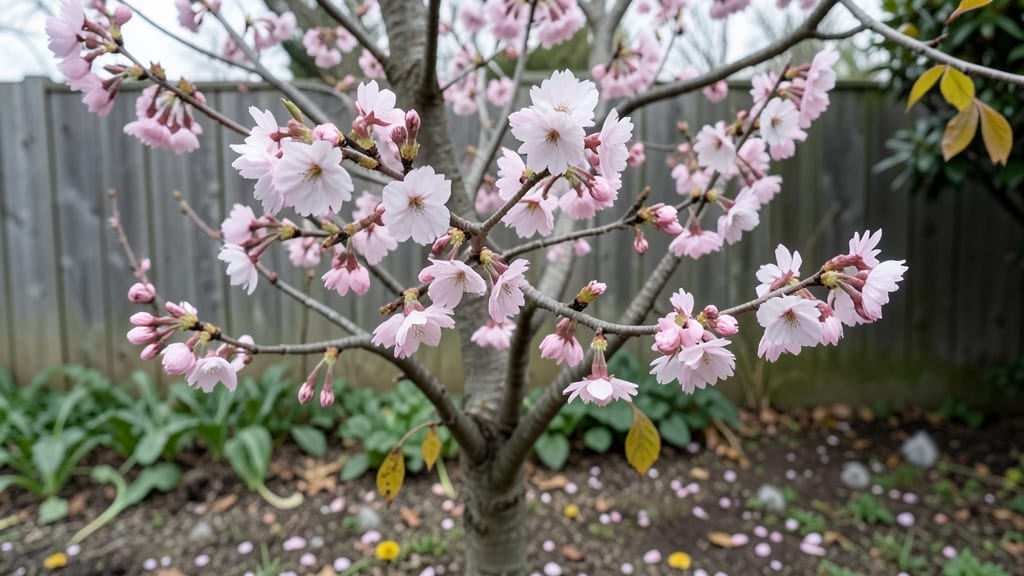
Planting a cherry blossom tree in the Pacific Northwest means waking up to pale pink clouds of blossoms that transform your yard into a springtime masterpiece. 🌸 I’ve grown these trees through three winters here, and the secret to their survival lies in choosing the right frost-resistant varieties like ‘Kwanzan’ or ‘Royal Burgundy’—they handle our damp, chilly springs like champions.
The key to thriving trees starts with well-draining soil and a spot that gets at least 6 hours of sunlight daily. Most people overlook how critical winter mulching is—adding 4-6 inches of wood chips around the base keeps roots from freezing.
Watering becomes less frequent in winter, but never let the soil dry out completely during growing seasons.
By late spring, you’ll be rewarded with weeks of fragrant blooms that attract bees and hummingbirds. Prune in late winter to shape the tree and remove dead branches, and watch as new growth emerges stronger than ever.
The best part? These trees live for decades, becoming the centerpiece of your landscape.
Whether you’re planting for showstopping spring color or potential fruit, these varieties adapt beautifully to our region’s climate. Let’s get yours established for a lifetime of blossoms!
📚 In This Guide
- What you need
- Instructions
- Tips and common mistakes
- Wrapping up and next steps
What you need
- ● Cherry Blossom Tree: Frost-resistant variety (e.g., Prunus × yedoensis or Prunus serrulata ‘Kanzan’). Choose a 1- to 3-gallon container-grown sapling for best transplant success.
- ● Shovel or Trench Digger: For digging a hole 2-3 times wider than the root ball and 12–18 inches deep.
- ● High-Quality Soil: Mix 60% native soil with 30% compost and 10% perlite or sand for drainage (Pacific Northwest clay soil benefits from this blend!).
- ● Organic Mulch: 3–4 inches of wood chips, bark, or straw to retain moisture and regulate soil temperature.
- ● Balanced Fertilizer: 10-10-10 or 20-20-20 (use sparingly—½ cup per year for young trees).
- ● Watering Can or Hose with Nozzle: For deep watering (aim for 1–2 gallons per week in the first year).
- ○ Tree Stake & Ties (Optional but Recommended): If planting in windy areas, use 1–2 stakes and soft fabric ties to support the tree until established.
- ● Root Stimulator: A powder or gel (e.g., Mycorrhizal fungi) to boost root growth during transplanting.
- ● Tree Guard or Protective Barrier: To shield the trunk from rodents or lawnmowers.
- ● Soil pH Test Kit: Cherry blossoms thrive in slightly acidic to neutral soil (pH 6.0–7.0)—adjust with lime or sulfur if needed.
- ● Slow-Release Granular Fertilizer: For seasonal feeding (spring and fall).
- ● Pruning Shears: For shaping and removing dead branches (sterilize blades with rubbing alcohol!).
Step-by-Step guide to planting frost-resistant cherry blossom trees
Here's how to establish stunning, resilient cherry blossoms that thrive in Pacific Northwest winters.
🌱 Step 1: Select the Right Variety for Your Climate
For the Pacific Northwest's cold winters, prioritize Prunus serrulata 'Kwanzan' or Prunus × yedoensis 'Akebono'—both tolerate 10-20°F without bud damage. These varieties bloom later in spring, avoiding late frosts that often devastate early bloomers. Check your zone's last frost date; if it falls after late April, avoid 'Yoshino' (it blooms too early).
I always verify the tree's mature height—20-30 feet—so I know to plant it at least 25 feet from structures to prevent root competition. Dwarf varieties like 'Snow Fountains' (12-15 feet) are perfect for smaller yards but require full sun (6+ hours daily) to produce abundant blooms. Order bare-root trees in late winter for best root establishment.
🪴 Step 2: Prepare the Planting Site for Winter Resilience
Choose a location with well-draining soil—cherry blossoms hate soggy roots. Test your soil's pH (ideal range: 5.5-6.5); amend with peat moss or compost if needed. Dig a hole twice as wide as the root ball but only as deep. The top of the root ball should sit 2 inches above ground level to prevent waterlogging during winter rains.
Loosen the roots gently if they're circling (common with container-grown trees) and spread them outward. Mix the excavated soil with 50% compost to improve drainage and fertility. Place the tree in the hole, backfill with the amended soil, and water deeply to eliminate air pockets. Mulch with 3 inches of wood chips, keeping mulch 6 inches away from the trunk to prevent rot.
☀️ Step 3: Plant at the Optimal Time for Cold-Hardy Growth
Plant your cherry blossom in late fall or early spring—never in summer heat. For Pacific Northwest winters, late October to early November gives roots time to establish before freezing. If planting in spring, do it by mid-April to allow root growth before summer drought. Water the tree deeply every 7-10 days until the first frost, then reduce to monthly in winter unless snow covers the root zone.
Stake the tree only if your area experiences strong winds—use two stakes tied loosely to the trunk with soft fabric strips (never wire, which girdles the bark). Prune only to remove dead branches; avoid shaping cuts. The tree's natural form ensures better frost resistance. After planting, apply a 2-inch layer of mulch to insulate roots from temperature swings.
⏰ Step 4: Winterize for Pacific Northwest Conditions
Wrap the trunk of young trees (3 years or younger) with tree wrap to protect from sunscald (winter sun damage). Avoid plastic wrap—it traps moisture and causes rot. In areas with consistent sub-20°F temperatures, mound 6-8 inches of soil around the base for extra insulation, then remove it in early spring before new growth starts.
Prune damaged branches in late winter (February) before buds swell. Cut back to the nearest healthy bud at a 45-degree angle. Avoid heavy pruning—cherry blossoms flower on old wood, so aggressive cuts reduce next year's blooms. Water sparingly in winter unless the ground is frozen; let natural snow cover provide insulation. By early March, resume regular watering as buds begin to swell.
🌿 Step 5: Maintain for Long-Term Frost Resistance
Fertilize in early spring with a balanced 10-10-10 formula (avoid high-nitrogen—it encourages leafy growth at the expense of blooms). Apply ½ cup per inch of trunk diameter, working it into the top 6 inches of soil. In late summer (August), add a low-nitrogen fertilizer (5-10-10) to promote root hardening before winter.
Monitor for black knot disease (common in PNW cherry trees)—remove infected branches immediately and sterilize pruners with 70% rubbing alcohol. Thin out crowded branches every 2-3 years to improve airflow and reduce frost pockets. By year 5, your tree should establish a strong root system capable of surviving -10°F without protection. Enjoy the blooms while they last—they're brief but spectacular!
Tips & tricks for perfect frost-resistant cherry blossom trees
Here's what I've learned after years of growing these stunning trees in our Pacific Northwest climate—details that make all the difference between a struggling plant and a thriving showstopper.
Variety Matters: When selecting between 'Kwanzan' or 'Akebono' for your frost-resistant planting, pay special attention to their bloom times. 'Kwanzan' typically blooms in mid-spring, while 'Akebono' blooms slightly later—this later bloom time is crucial for avoiding late frosts that can devastate early bloomers. I always check my local last frost date and plant accordingly, aiming for varieties that bloom after that window. For smaller spaces, 'Snow Fountains' dwarf varieties are perfect, but remember they need full sun (6+ hours daily) to produce abundant blooms.
Soil Preparation is Key: The well-draining soil requirement in Step 2 can't be overstated—cherry blossoms absolutely hate soggy roots. I've seen many gardeners struggle with this, so here's my trick: if your soil tests below pH 5.5, mix in peat moss or compost to raise the pH to that ideal 5.5-6.5 range. For the planting hole, dig it twice as wide as the root ball but only as deep—this creates room for roots to spread outward naturally without being constrained. The 2-inch elevation above ground level is critical for preventing winter waterlogging.
Winter Protection Secrets: For trees in areas with consistent sub-20°F temperatures, that extra insulation from mounding 6-8 inches of soil around the base can make all the difference. I've found that using a combination of soil and mulch provides better protection than either alone. Remember to remove the soil mound in early spring before new growth starts—this prevents suffocation of emerging shoots. The tree wrap on young trunks is a game-changer for preventing sunscald, but make sure to use the right material: tree wrap (not plastic) to avoid moisture buildup that can cause rot.
Pruning Strategy: The timing of your February pruning is crucial for maintaining bloom production. Cherry blossoms flower on old wood, so avoid heavy pruning that removes too many branches. Instead, focus on removing only damaged branches and cutting back to the nearest healthy bud at a 45-degree angle. This technique promotes better airflow and reduces frost pockets. I've seen many gardeners make the mistake of pruning too aggressively in winter, which can significantly reduce next year's blooms—don't make that mistake!
Pro Tips for Cherry Blossom Treee
- Here's what I've learned after years of growing these stunning trees in our Pacific Northwest climate—details that make all the difference between a struggling plant and a thriving showstopper.
- Variety Matters: When selecting between 'Kwanzan' or 'Akebono' for your frost-resistant planting, pay special attention to their bloom times.
- Soil Preparation is Key: The well-draining soil requirement in Step 2 can't be overstated—cherry blossoms absolutely hate soggy roots.
Frequently asked questions
Got questions about growing your own cherry blossom tree? Here are some of the most common ones—and their answers—to help you get started on the right foot in the Pacific Northwest!
What’s the best time to plant a cherry blossom tree in the PNW?
The ideal time to plant is in early spring (March–April) or early fall (September–October). This gives roots time to establish before summer heat or winter frost. Avoid planting in late fall—young trees may not survive the first freeze. Pro tip: Water deeply after planting and mulch to retain moisture!
How cold-hardy are cherry blossom trees, and which varieties thrive in the PNW?
Most cherry blossoms handle USDA Zones 5–8, but frost-resistant PNW favorites include ‘Kanzan’ (hardy to -20°F), ‘Yoshino’ (Zone 5), and ‘Okame’ (Zone 6). For coastal areas, ‘Shirotae’ is a great choice—it tolerates mild winters and salt spray. Watch for: Late spring frosts, which can damage blooms.
How big do cherry blossom trees grow, and do they need pruning?
Mature trees typically reach 20–30 feet tall, with some varieties (like ‘Kanzan’) growing wider. Prune in late winter (before buds swell) to shape the tree and remove dead branches. Avoid heavy pruning—it can reduce next year’s blooms! Key rule: Never prune after June; it encourages new growth that may not harden before winter.
Why aren’t my cherry blossoms blooming, even though the tree looks healthy?
Blooms may skip a year due to stress (drought, transplant shock), young age (trees under 5 years old often wait), or poor pollination (some varieties are self-pollinating, but others need cross-pollination). Troubleshoot: Check for pests (aphids, spider mites), ensure consistent watering, and fertilize lightly in early spring.
Can I grow a cherry blossom tree in a container, or do they need to be planted in the ground?
While possible in large containers (20+ gallons), cherry blossoms thrive best in the ground. Container-grown trees struggle with root constraints and seasonal temperature swings. If you must pot one, use well-draining soil, move it indoors in winter (if in Zone 7–8), and upgrade to ground planting within 2–3 years. Alternative: Try dwarf varieties like ‘Akebono’ for smaller spaces.
Wrapping up and next steps
Growing a cherry blossom tree in the Pacific Northwest is a rewarding journey that brings beauty and tranquility to your space! Whether you’re drawn to the delicate Kwanzan or the hardy Yoshino, these frost-resistant varieties thrive with the right care.
Remember: patience and consistency are key—soon, you’ll be greeted by stunning blooms each spring. 🌸
Ready to take the next step? Start small—plant a single tree or plan a whole garden oasis. Share your progress with fellow gardening enthusiasts, and don’t forget to protect your blossoms with a light frost cloth if late frosts threaten. Happy planting, and may your garden flourish! 🌱