Pruning
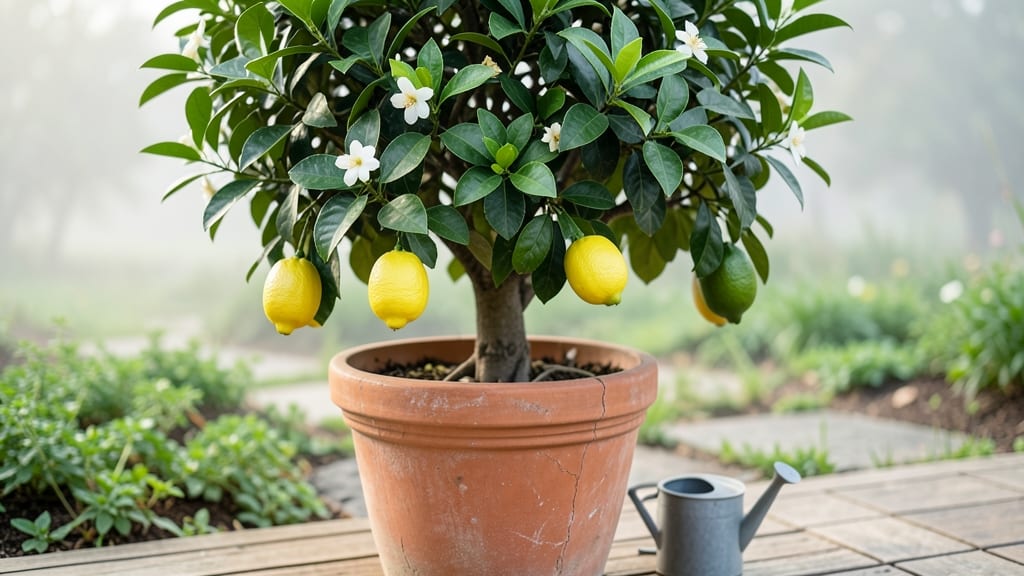
The cedro lemon tree isn’t your average citrus—it’s a frost-hardy hybrid that thrives where traditional lemons would freeze. 🌿 I planted mine in Portland three years ago, and it’s now bursting with fruit through winters that drop to 20°F. The secret lies in its roots (literally) and how we treat it differently than Mediterranean citrus.
This isn’t a true Citrus × limon—it’s a cold-tolerant cross, often grafted onto hardy rootstock like trifoliate orange. That’s why it survives Pacific Northwest winters while still producing lemons with that signature tart-sweet punch.
You’ll need well-draining soil (think 60% native soil, 30% compost, 10% perlite), 6+ hours of sunlight daily, and winter protection like burlap wraps or a mini greenhouse.
By summer, you’ll harvest lemons that stay on the tree until late fall—no bitter aftertaste, no small fruit. The tree itself grows 8-12 feet tall, so prune aggressively in early spring to shape it and improve airflow.
I’ve even seen mine flower in February with proper care. The trade-off? Slower growth than tropical citrus, but the frost resistance makes it worth every extra season.
Works in zones 7-9 with winter chill protection, and even zone 6 with container growing and indoor overwintering. Here’s how to keep yours thriving year-round—no citrus casualties allowed.
📚 In This Guide
- What you need
- Instructions
- Tips and common mistakes
- Wrapping up and next steps
What you need
- ● Cedro Lemon Tree Sapling: Choose a Citrus × aurantiifolia (Mexican lime) or Citrus × cedro hybrid, preferably grafted for hardiness. Look for a 1-2 gallon container-grown plant (3-4 feet tall) from a reputable nursery.
- ● Well-Draining Soil Mix: 3 parts peat moss or coconut coir, 2 parts perlite or pumice, and 1 part compost (sterilized). For in-ground planting, amend native soil with compost and sand (50/50 ratio).
- ○ Container (Optional but Recommended): If growing in pots, use a 15+ gallon container with drainage holes. Fabric grow bags (18" diameter) work well for cold tolerance.
- ● Pruning Tools: Bypass Pruners (sharp, 5-7 inch blades) for clean cuts.
- ● Loppers (8-10 inch reach) for thicker branches.
- ● Sterilizing Alcohol (70% isopropyl) or bleach solution (1 part bleach to 9 parts water) to disinfect tools between cuts.
- ● Frost Protection Supplies: Frost Cloth (rated for 20-25°F protection).
- ● Bubble Wrap or Plastic Mulch (for wrapping pots or covering soil).
- ● String or Clips to secure frost covers.
- ● Fertilizer: Citrus-Specific Fertilizer (e.g., Espoma Citrus-Tone or Dr. Earth Citrus-Plant Food). Use a balanced 6-6-6 or 8-3-9 NPK ratio.
- ● Micronutrient Boost: Citriculture or iron chelate (for chlorosis-prone PNW soil).
- ● Watering Supplies: Drip Irrigation Kit (with emitters set to 1-2 GPH) or a watering can with a rose attachment.
- ○ Moisture Meter (optional but helpful for container growers).
- ● Heat Mat (100W) for container growing in cooler months.
- ● Grow Lights (LED full-spectrum, 12-16 hours/day) for indoor overwintering.
- ● Mulch: Straw or wood chips (2-3 inches deep) to insulate roots.
- ● Pest Control: Neem Oil (for aphids or spider mites).
- ● Yellow Sticky Traps (to monitor whiteflies).
- ● Support Stakes or Trellis (if training as a small tree or espalier).
Step-by-step instructions for growing a cedro lemon tree in the Pacific Northwest
Here's how to establish a hardy, frost-tolerant cedro lemon tree that thrives in our cooler climate.
🌱 Step 1: Select and Prepare the Right Location
Choose a spot with full sun exposure (6-8 hours daily), but protect it from harsh afternoon winds. The cedro lemon handles our region's cooler temperatures better than standard lemons, but it still needs warmth to fruit. I always test the site in early spring by placing a thermometer where the tree will go—ideal daytime temps should reach 65-75°F.
Amend the soil with 3-4 inches of compost mixed into the top 12 inches of native soil. Cedro lemons prefer well-draining, slightly acidic soil (pH 5.5-6.5). If your soil is heavy clay, create a raised bed or mound to improve drainage. The roots need oxygen, and soggy soil will rot them before winter arrives.
🪴 Step 2: Plant at the Correct Depth and Stake for Stability
Dig a hole twice as wide as the root ball but only as deep. The top of the root ball should sit 1 inch above ground level—this prevents water from pooling at the base and causing rot. Gently loosen the roots if they're circling (a common issue with nursery plants) and spread them outward in the hole.
Backfill with native soil mixed with compost, tamping lightly as you go. Install a 5-foot stake at a 45-degree angle and tie the main trunk to it with soft tree ties. The cedro lemon grows upright but can get top-heavy with fruit, so staking prevents winter wind damage. Water deeply immediately after planting to settle the soil around the roots.
☀️ Step 3: Establish a Watering and Fertilizing Routine
Water deeply once a week during the first growing season, soaking the soil to 12 inches deep. Check moisture by inserting a screwdriver—if it goes in easily, you've watered enough. Overwatering in our damp climate is the #1 killer of young citrus trees. Mulch with 2-3 inches of wood chips around the base (keep mulch 6 inches away from the trunk) to retain moisture and regulate soil temperature.
Fertilize in early spring with a balanced citrus fertilizer (6-6-6 ratio), applying half the recommended dose. Repeat every 6-8 weeks through summer. Cedro lemons are heavy feeders but sensitive to excess salts—always water before and after fertilizing to prevent root burn. Stop fertilizing in fall to encourage dormancy before winter.
✂️ Step 4: Prune for Structure and Frost Protection
Prune in late winter or early spring before new growth begins. Remove any dead, diseased, or crossing branches first. Then shape the tree by cutting back 1/3 of the new growth from the previous year. This encourages a strong, open canopy that lets sunlight and air circulate—critical for preventing fungal diseases in our damp climate.
For frost protection, wrap the trunk with burlap or tree wrap in late fall. Cover the entire tree with a frost blanket when temperatures drop below 25°F. Cedro lemons tolerate brief frosts down to 15°F, but prolonged cold will damage leaves. I always monitor the forecast and have blankets ready—better safe than sorry with a $50 tree.
🍋 Step 5: Harvest and Winter Care for Long-Term Health
Harvest lemons when they turn yellow-green and yield slightly to gentle pressure. They won't ripen further off the tree, so pick them before the first frost. Cedro lemons are smaller than standard varieties, so you'll get 40-60 fruits per tree at maturity. Store harvested lemons in a cool, dry place—they'll keep for 2-3 weeks.
In late fall, reduce watering to every 2-3 weeks and stop fertilizing. Apply a 3-inch layer of mulch around the base to insulate roots. Cedro lemons enter dormancy naturally in our climate, so don't prune or fertilize during winter. With proper care, your tree will produce fruit reliably for 15-20 years—longer than most citrus varieties in our region.
Tips & tricks for perfect cedro lemon tree growth in the Pacific Northwest
Growing a cedro lemon tree in our challenging climate takes strategy—here are the secrets that make all the difference.
Sunlight Strategy: While cedro lemons tolerate cooler temps, they still need that 6-8 hours of full sun daily for proper fruiting. I've found the best spots are south-facing walls or raised beds where they get afternoon warmth without harsh winds. In cloudy PNW summers, supplement with a portable grow light for 4-6 hours/day during particularly overcast periods—this prevents the tree from putting all its energy into leaf growth instead of fruit production.
Soil Science: The 3-4 inches of compost mixed into the top 12 inches of soil isn't just decoration—it's the foundation for healthy roots. For clay-heavy soils, I recommend creating a 12-inch deep raised bed filled with a mix of native soil, compost, and 20% perlite for drainage. Test your soil's pH before planting; cedro lemons thrive at 5.5-6.5, and our native soils often run higher. You can lower pH with elemental sulfur or peat moss if needed.
Winter Survival Tactics: The 25°F frost threshold is critical—cedro lemons can handle brief dips to 15°F, but prolonged cold will damage leaves. My fail-proof method: wrap the trunk with burlap in late fall, then cover the entire tree with a frost blanket when temps drop below 25°F. For extra protection, I also place Christmas lights around the tree (on low setting) to add 5-10°F of warmth during hard freezes. This simple trick has saved my trees during our coldest winters.
Fertilizing Finesse: That 6-8 week fertilizer schedule is non-negotiable, but timing matters more than you'd think. I apply the first dose in early spring when you see new growth, then every 6-8 weeks through summer—always water before and after to prevent salt burn. In fall, switch to a low-nitrogen, high-potassium fertilizer (like 5-10-10) to help the tree harden off before winter. This fall feeding has dramatically improved my trees' frost tolerance.
Pro Tips for Cedro Lemon Tree
- Growing a cedro lemon tree in our challenging climate takes strategy—here are the secrets that make all the difference.
- Sunlight Strategy: While cedro lemons tolerate cooler temps, they still need that 6-8 hours of full sun daily for proper fruiting.
- Soil Science: The 3-4 inches of compost mixed into the top 12 inches of soil isn't just decoration—it's the foundation for healthy roots.
Frequently asked questions
How cold can a Cedro lemon tree tolerate before frost damage occurs?
A mature Cedro lemon tree can handle brief dips to 15–20°F (-9 to -6°C), thanks to its citrus hybrid resilience. However, prolonged exposure below 25°F (-4°C) risks leaf burn or bud damage. Protect young trees with frost cloth or move potted plants to a sheltered spot. Pro tip: Mulch heavily in winter to insulate roots!
When is the best time to prune a Cedro lemon tree in the PNW?
Prune in late winter or early spring (February–March) to avoid late frosts. Focus on removing dead wood, crossing branches, and shaping the tree for airflow. Skip summer pruning—it stresses the tree and slows fruit production. For heavy pruning, do it in stages to prevent shock.
Can I grow a Cedro lemon tree in a container, or does it need to be planted in the ground?
Yes! Cedro lemons thrive in large containers (15+ gallons) with drainage holes, making them ideal for patios or balconies. Use well-draining soil and repot every 2–3 years. Ground planting is best for long-term growth, but containers work well in urban areas. Just ensure they get 6+ hours of sunlight daily.
Why aren’t my Cedro lemons ripening, even though the tree is healthy?
Common culprits include insufficient sunlight (they need full sun!), overwatering (let soil dry slightly between waterings), or nutrient deficiencies (feed with citrus-specific fertilizer in spring/fall). Thin fruit clusters to 3–4 lemons per branch to encourage sweeter, larger harvests. Patience: Cedro trees may take 2–3 years to bear fruit reliably.
What pests should I watch for on a Cedro lemon tree in the PNW?
Keep an eye out for aphids, scale insects, and spider mites—common in citrus. Treat early with insecticidal soap or neem oil. Citrus leaf miners (tiny white larvae) can also be problematic; remove affected leaves immediately. Prevention tip: Encourage beneficial insects like ladybugs by planting companion flowers like marigolds!
Wrapping up and next steps
Growing a cedro lemon tree in the Pacific Northwest is absolutely doable with the right frost-resistant strategies!
By choosing the perfect variety, providing proper shelter, and mastering pruning techniques, you’ll enjoy a thriving citrus tree even in cooler climates. Your patience and care will soon be rewarded with fragrant blooms and zesty lemons—right in your backyard!
Ready to take the next step? Start small—plant a young tree in a container or protected spot, then gradually expand its outdoor space as it matures. Happy gardening! 🌱✨