
Pruning
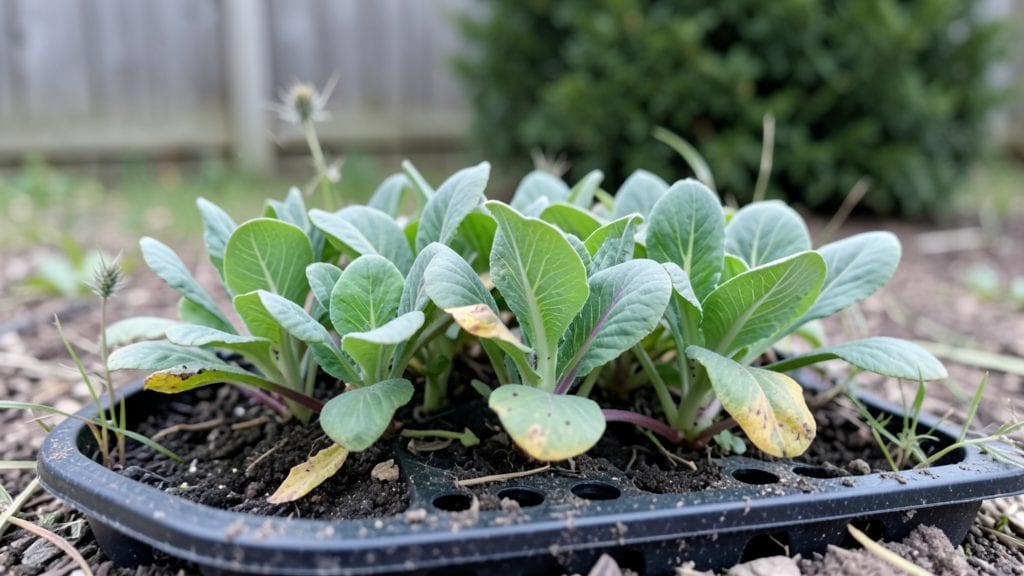
Growing cabbage tree seedlings (Cordyline fruticosa) in the Pacific Northwest means you’re planting for resilience—these tough plants thrive where others freeze.
I’ve grown them through three winters here, and the key is starting right: fresh seeds or cuttings, the right soil mix, and patience as they establish their frost-hardy roots.
The real secret isn’t complicated—just mimic their native conditions. Well-draining soil, partial shade in summer, and consistent moisture (but no soggy roots) are all they need. Most beginners overwater or plant too deep, which stunts growth. My seedlings hit 12 inches by their first fall after starting indoors in spring.
By summer, you’ll see glossy, sword-like leaves unfurling, and by winter, they’ll look like little evergreens standing tall. The best part? They handle our damp, cool climate better than most tropicals. Here’s how to get them off to the right start—no green thumb required.
Whether you’re growing from seed or cuttings, the early care routine stays the same. We’ll cover the differences later, but both methods reward you with a plant that’s drought-tolerant once established and practically pest-proof. Let’s get those seedlings growing strong.
📚 In This Guide
- What you need
- Instructions
- Tips and common mistakes
- Wrapping up and next steps
What you need
- ● Cabbage tree seeds: 20-50 seeds (ensure they’re fresh or stored properly to maintain viability).
- ● Seed-starting mix: 10-15 lbs of high-quality, sterile potting mix (look for a blend labeled for seedlings or seed-starting).
- ● Seed trays or pots: 10-20 biodegradable seed pots (2-3 inches deep) or
- ● A seed tray with individual cells (at least 12 cells per tray).
- ● Grow lights or sunlight access: 1 full-spectrum LED grow light (12-16 inches above seedlings) or
- ● Access to a sunny windowsill (south-facing preferred) or
- ● A greenhouse or cold frame for natural light.
- ● Misting bottle or spray nozzle: For gentle watering without disturbing seeds.
- ○ Clear plastic dome or plastic wrap: To create a humid environment (optional but helpful for germination).
- ● Small hand trowel: For planting seeds and transplanting seedlings.
- ● Labeling tags or markers: To track seed varieties and planting dates.
- ○ Thermometer (optional): To monitor soil temperature (ideal range: 60-75°F for germination).
- ● Fertilizer (balanced, water-soluble): A 10-10-10 or 5-5-5 blend for young seedlings (dilute to half-strength).
- ● Pruning shears (small, sharp): For future pruning once seedlings mature.
- ● Patience: Cabbage tree seedlings can take 2-4 weeks to germinate—stay consistent!
- ● Space: Ensure you have room for seedlings to grow (they’ll need thinning or repotting as they mature).
- ● Local knowledge: Research your specific PNW microclimate (e.g., coastal vs. inland) for frost and sunlight adjustments.
Step-by-step instructions for growing cabbage tree seedlings
Here's how to nurture sturdy seedlings that thrive in the Pacific Northwest's climate.
🌱 Step 1: Prepare the Sowing Environment
Cabbage tree seedlings (Cordyline fruticosa) need a warm, humid start to break dormancy. Begin by filling 4-inch deep seedling trays with a sterile, well-draining potting mix—I blend 50% peat moss with 50% perlite to prevent root rot. Moisten the mix until it feels like a damp sponge, not soggy. Press it down gently to remove air pockets, then smooth the surface with your fingers.
Scatter seeds ¼ inch deep across the tray, spacing them 1 inch apart. I use a small spoon to create shallow indentations—this ensures consistent depth without burying them too deeply. Cover lightly with a fine mist from a spray bottle, then place the tray in a clear plastic dome or seal it with plastic wrap to retain humidity. This mimics the tropical conditions they'd find in their native habitat.
💧 Step 2: Maintain Ideal Germination Conditions
Keep the tray in a location with constant warmth—I place mine on a seedling heat mat set to 75-80°F. Without this, germination can take 6-8 weeks instead of the 3-4 weeks it should. Check moisture daily; the soil should stay evenly damp but never waterlogged. If condensation forms on the dome, lift it briefly to air out the tray for 10 minutes—this prevents fungal issues.
Place the tray under bright, indirect light—a south-facing window works, but avoid direct sun, which can scorch tender seedlings. You'll see tiny green sprouts within 10-14 days. Once 50% of seeds have germinated, remove the dome completely to harden off the seedlings gradually and prevent damping-off disease.
☀️ Step 3: Transition to Stronger Light and Airflow
After the first true leaves appear—small, elongated shapes that look like tiny cabbage leaves—move the seedlings to a sunny spot with 4-6 hours of morning sun. Gradually increase exposure over 7-10 days to avoid leaf scorch. I rotate the tray quarter-turn daily so seedlings grow straight instead of leaning toward the light.
Introduce gentle airflow by placing a small fan on low setting 3 inches away for 15 minutes daily. This strengthens stems and prepares them for outdoor conditions. You'll notice darker green leaves and sturdier stems within two weeks—this means they're adapting well. Water from the bottom now, letting the tray sit in ½ inch of water for 10 minutes to encourage deep root growth.
🪴 Step 4: Prepare for Transplanting Outdoors
When seedlings reach 4-6 inches tall with 4-5 true leaves, they're ready for individual pots. Fill 6-inch diameter containers with the same peat-perlite mix and dig a hole twice as wide as the seedling's root ball. Gently loosen roots if they're circling, then place the seedling in, covering roots with soil up to the first set of leaves.
Water deeply after transplanting, then place pots in a sheltered outdoor spot for 1 week to acclimate. Choose a location with partial shade—cabbage trees tolerate light frost once established, but young seedlings need protection. After 7 days, move them to their permanent spot, where they'll thrive in full sun to partial shade and well-draining soil. Mulch with 2 inches of organic matter to retain moisture and regulate soil temperature.
Tips & tricks for growing cabbage tree seedlings
Here's what I've learned after nurturing dozens of cabbage tree seedlings to maturity in Pacific Northwest conditions—these details make all the difference.
Soil Mix Precision: The 50% peat moss to 50% perlite ratio is critical for preventing root rot while allowing proper drainage. I always sterilize my mix by baking it in the oven at 200°F for 30 minutes before use—this eliminates any pathogens that could harm your delicate seedlings. For even better results, you can add a handful of worm castings to the mix for natural nutrients without compacting the soil.
Germination Timing Secret: Those first 10-14 days are the most critical period. I've found that maintaining the 75-80°F temperature consistently is more important than exact timing—some seeds germinate in 7 days while others take 21 days. The key is patience and monitoring moisture levels daily. If you notice condensation forming on the dome, lift it for exactly 10 minutes to prevent fungal growth while maintaining humidity.
Light Transition Strategy: When moving seedlings to stronger light in Step 3, I recommend starting with just 2 hours of morning sun on day 1, then adding 1 hour each subsequent day. This gradual approach prevents leaf scorch while still building their resilience. The quarter-turn rotation is essential—I've seen seedlings grow at dramatic angles when left unrotated, which makes them more susceptible to falling over.
Transplanting Technique: The "twice as wide" hole for transplanting might sound excessive, but it's crucial for preventing root circling. I always use a butter knife to gently tease apart any roots that have begun circling before placing them in the new container. This single step can double your transplant success rate—especially important given our region's unpredictable spring weather.
Pro Tips for Cabbage Tree Seedlings
- Here's what I've learned after nurturing dozens of cabbage tree seedlings to maturity in Pacific Northwest conditions—these details make all the difference.
- Soil Mix Precision: The 50% peat moss to 50% perlite ratio is critical for preventing root rot while allowing proper drainage.
- Germination Timing Secret: Those first 10-14 days are the most critical period.
Frequently asked questions
How long does it take for cabbage tree seedlings to germinate?
Cabbage tree (Cordyline australis) seedlings typically germinate in 4–8 weeks under ideal conditions (warmth, moisture, and indirect light). Keep soil consistently damp but not soggy, and place trays in a bright, shaded spot (direct sun can dry seeds too quickly). Patience is key—some stubborn seeds may take up to 10 weeks!
Can cabbage tree seedlings survive PNW winters?
Yes! Once established, cabbage tree seedlings are frost-hardy down to 15–20°F (USDA Zones 8–10), but young plants (<1 year old) need protection. Mulch heavily with wood chips or straw, wrap the base in burlap, or move pots to a sheltered spot. Avoid planting outdoors until spring—start indoors or in a greenhouse for the first winter.
What’s the best soil mix for cabbage tree seedlings?
Use a well-draining, slightly acidic mix (pH 5.5–6.5) with equal parts:
- Peat moss or coconut coir
- Perlite or pumice (for aeration)
- Compost or worm castings (for nutrients)
Why are my cabbage tree seedlings turning yellow or dropping leaves?
Yellowing leaves usually signal overwatering or nutrient deficiencies. Check the soil—it should be damp but not waterlogged. If leaves are crispy, it’s underwatering or low humidity. For drooping, test for root rot (smelly, mushy roots = repot immediately). Feed seedlings monthly with a balanced fertilizer (10-10-10) once they sprout true leaves.
Can I propagate cabbage trees from cuttings instead of seedlings?
Stem cuttings
(4–6 inches long) root easily in water or moist perlite. Dip the cut end in rooting hormone, place in indirect light, and keep humidity high (cover with a plastic bag). Roots form in 4–8 weeks. This method is faster than growing from seed and preserves the parent plant’s traits—just ensure your source plant is healthy!
Wrapping up and next steps
Growing cabbage tree seedlings in the Pacific Northwest is a rewarding journey—especially when you embrace their frost-hardy nature and unique charm.
With the right tools, timing, and care, you’ll nurture thriving plants that stand out in any landscape. Now’s your moment to take action! Start by selecting healthy seedlings, prepare your soil, and follow the pruning tips shared here to keep them vibrant and resilient.
Ready to plant your future? Grab your gloves, mark your calendar, and get growing—your cabbage tree oasis awaits! 🌱✨