
Pruning
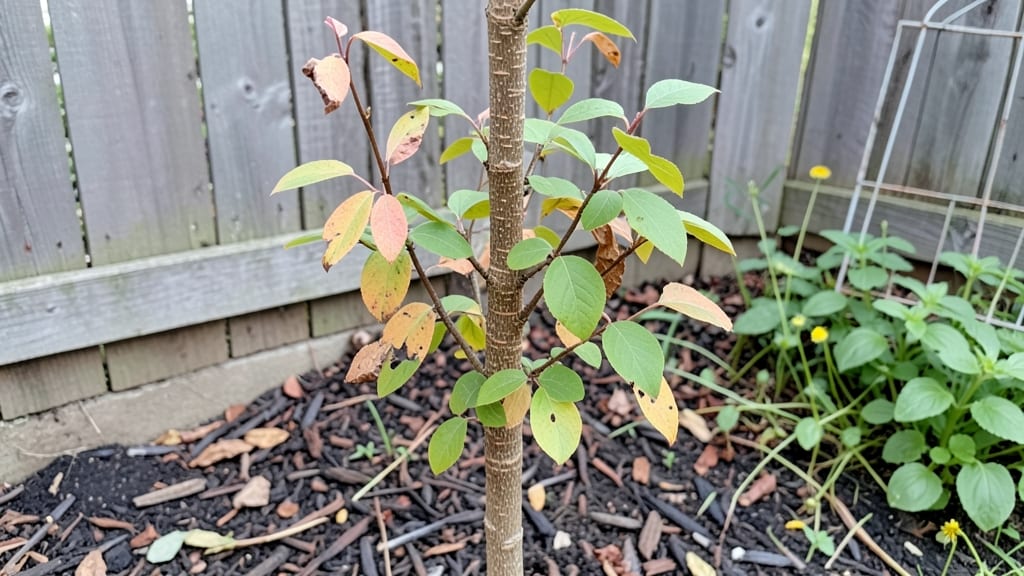
The burning bush tree thrives in Pacific Northwest winters, its fiery fall colors lighting up gardens when most plants fade. I’ve pruned mine for years, and the secret to keeping it healthy—and stunning—comes down to timing, technique, and a little patience.
The winged stems and deep red foliage make it a standout, but without the right cuts, it can lose its shape or even succumb to disease.
You’ll need basic pruning tools—a sharp pair of shears or loppers—and a clear morning to work. The best time to prune is late winter or early spring, just as new growth begins. This frost-resistant tree handles cold well, but dead or crossing branches need removal to keep air circulating.
Aim to shape it into a rounded form, as this encourages dense foliage and those signature bursts of color.
What you’ll end up with is a tree that looks like it belongs in a botanical garden, not just your backyard. The fall display is unmatched—bright red leaves that last for weeks—and the winter bark adds texture.
Plus, it’s low-maintenance once established, so you spend less time fussing and more time enjoying the results.
Works well as a specimen plant, hedge, or even in containers for smaller spaces. The key is consistent pruning—don’t skip a year, or you’ll lose that polished look. Here’s how to keep yours thriving through every season.
📚 In This Guide
- What you need
- Instructions
- Tips and common mistakes
- Wrapping up and next steps
What you need
- ● Pruning shears – Bypass pruners (for clean cuts on small branches, ¼"–½" thick). Anvil pruners (for thicker branches up to ¾").
- ● Loppers – 10–14" long, for branches ¾"–2" in diameter.
- ● Pruning saw – Curved or bow saw, for branches thicker than 2".
- ● Disposable gloves – Garden-grade, cut-resistant (to protect against thorns and sap).
- ● Rubbing alcohol or bleach solution – 70% isopropyl alcohol or 1:9 bleach-to-water mix (to sterilize tools between cuts).
- ○ Pruning sealant – Optional but helpful (for large cuts to prevent disease; look for wound dressing like Tanglefoot Tree Wound Pruning Seal).
- ● Heavy-duty trash bags – For debris disposal (or a wheelbarrow if hauling large branches).
- ● Ladder or step stool – Sturdy, extendable (if your tree is over 6 feet tall).
- ● Timing – Prune in late winter or early spring (before new growth starts, ideally in February–March for the Pacific Northwest). Avoid pruning in fall (encourages tender new growth vulnerable to frost).
- ● Weather – Choose a dry, calm day (rain or wind can stress the tree or make cuts messy).
- ● Safety gear – Safety glasses (to shield from debris) and long sleeves/pants (to avoid scratches from thorns).
- ● Tree health check – Inspect for diseased or dead branches (look for brown, brittle wood or fungal growth). Remove these first before shaping.
- ● Sharpen your tools! – Dull blades tear wood, inviting disease. Hone shears with a file or oil stone before starting.
- ● Mark your cuts – Use chalk or tape to outline where you’ll prune (especially on large branches) to avoid over-cutting.
- ● Disinfect between cuts – Wipe tools with rubbing alcohol after each branch to prevent spreading pathogens.
- ● Leave the collar – Always cut just outside the branch collar (the swollen area where the branch meets the trunk) for faster healing.
Step-by-Step guide to pruning a frost-resistant burning bush tree
Here's how I keep my Pacific Northwest burning bushes thriving through winters—and why timing matters more than you think.
Choose the Right Time for Pruning
Prune your burning bush in late winter or early spring—right after the last frost but before new growth begins. In the Pacific Northwest, this usually means February through March. Pruning too early exposes tender new growth to late frosts, while waiting too long removes blooms or weakens the plant before summer.
I always check the forecast first. If a hard freeze is predicted within a week of pruning, delay by a few days. The goal is to give the tree time to heal before summer heat arrives. You'll know you've timed it right when you see fresh, green buds starting to swell along the branches.
Gather Tools and Prepare for Pruning
Use clean, sharp pruning shears for cuts under ½ inch in diameter, and loppers for thicker branches. Disinfect your tools with rubbing alcohol before starting—burning bushes are prone to fungal diseases, and dirty tools spread them quickly. I also wear gloves to avoid sap irritation, which can cause skin rashes.
Remove any dead, diseased, or crossing branches first. These are your priority cuts—they improve airflow and reduce stress on the tree. Look for branches that rub against each other or grow inward; these compete for sunlight and nutrients and should go first. You'll notice the tree’s natural shape emerge as you work.
Thin Out the Canopy for Better Airflow
Burning bushes need good airflow to prevent fungal diseases like powdery mildew. Aim to thin the canopy by 25-30%—this means removing smaller branches that crowd the center. Start at the outer edges and work inward, cutting branches back to a bud or lateral branch rather than leaving stubs.
I like to step back every few cuts to check the tree’s silhouette. A well-pruned burning bush should have an open, vase-like shape with sunlight reaching all the way to the center. Avoid cutting more than one-third of the canopy in a single season—this stresses the tree and can lead to dieback.
Shape the Tree for Winter Hardiness
Burning bushes are naturally dense, but their thick growth can trap moisture and encourage rot. To improve frost resistance, reduce the height by up to ⅓ if needed, cutting just above an outward-facing bud. This encourages bushier growth lower on the tree, which is less likely to suffer frost damage in winter.
Pay special attention to the top of the tree. If it’s too heavy, it can break under snow or ice. Prune the top lightly to distribute weight more evenly. You’ll see the tree’s structural integrity improve over time, with fewer weak or broken branches after heavy storms.
Clean Up and Monitor for Recovery
Rake up all pruned branches and dispose of them in the trash—not your compost pile. Burning bush debris can harbor diseases that spread to other plants. After pruning, water the base of the tree deeply to help it recover. A slow, deep watering encourages strong root growth, which is critical for frost resistance.
Watch for new growth in 3-4 weeks. Healthy branches will sprout fresh, green leaves, while stressed branches may produce sparse or yellowed foliage. If you see dieback, it’s a sign you pruned too aggressively. Next time, hold back a bit—burning bushes are resilient, but they reward patience.
Tips & tricks for pruning frost-resistant burning bush trees
A few simple strategies will help you prune your Pacific Northwest burning bushes like a pro—without stressing the tree or yourself.
Timing is Everything: In Step 1, when you're checking for fresh green buds, look for them on multiple branches—not just one or two. This confirms the tree is ready for pruning. If you're unsure about frost dates, use the 10-day rule: wait until no hard freezes are predicted in the next 10 days. This gives the tree time to recover before summer stress sets in.
Tool Prep Matters: Before you start pruning in Step 2, test your pruning shears on a small branch first. If they don't cut cleanly, sharpen them or use a new pair. Dull tools crush branches instead of making clean cuts, which can damage the tree and invite disease. I also like to keep a small spray bottle of rubbing alcohol handy for quick disinfection between cuts on different branches.
Visual Pruning Guide: When you're thinning the canopy in Step 3, imagine you're looking at the tree through a vase shape. Remove any branches that break this shape or block sunlight from reaching the center. A good rule of thumb is to never remove more than one-third of the canopy in a single season—this prevents shock to the tree. Step back every 5-10 cuts to check your progress.
Recovery Check: After pruning, monitor for new growth in the 3-4 weeks mentioned in Step 5. Healthy new leaves should be vibrant green and firm to the touch. If you see yellowing or sparse growth, you may have pruned too aggressively. Next time, hold back slightly—burning bushes are resilient but benefit from gradual pruning over several years.
Pro Tips for Burning Bush Tree
- A few simple strategies will help you prune your Pacific Northwest burning bushes like a pro—without stressing the tree or yourself.
- Timing is Everything: In Step 1, when you're checking for fresh green buds, look for them on multiple branches—not just one or two.
- Tool Prep Matters: Before you start pruning in Step 2, test your pruning shears on a small branch first.
Frequently asked questions
When is the best time to prune a burning bush?
The ideal window is late winter or early spring (February–March) before new growth starts. This timing minimizes stress on the plant and prevents pesky aphids from feasting on fresh buds. Avoid heavy pruning in fall—it can stimulate tender growth vulnerable to frost.
Can I prune a burning bush in winter? What about after frost?
Light pruning in mild winter months (Dec–Jan) is fine, but avoid heavy cuts during hard freezes. If you prune after frost, wait until temperatures stabilize above 32°F (0°C) for 3–5 days. Cold snaps can stress newly exposed stems. Think of it like trimming your hair in a blizzard—not ideal!
How much can I prune back a mature burning bush?
You can safely remove up to one-third of the plant’s growth per year, but avoid cutting into old wood (gray/brown stems). For rejuvenation, prune selectively over 2–3 years. Over-pruning risks exposing the center to disease or sunburn. Pro tip: Step back and visualize!
Why does my burning bush have brown stems after pruning?
Brown or dead-looking stems are often normal—they’re just dormant! If they’re soft or mushy, though, it could signal disease (like powdery mildew) or pests (scale insects). Prune out only the affected sections and sterilize tools with rubbing alcohol. Healthy stems should turn green again in spring.
Are there frost-resistant alternatives to burning bush?
Yes! If you love the burning bush’s hardiness but want variety, try:
- Winged euonymus (Euonymus wingatus) – More compact, with vibrant foliage.
- Oakleaf hydrangea (Hydrangea quercifolia) – Thrives in PNW shade, frost-tolerant.
- Dwarf ninebark (Physocarpus opulifolius ‘Little Devil’) – Disease-resistant and low-maintenance.
Wrapping up and next steps
The burning bush tree is a stunning, low-maintenance addition to your Pacific Northwest landscape—especially when pruned with care! 🌿 By following the right techniques, you’ll keep it vibrant, healthy, and frost-resistant while shaping it to suit your space.
Whether you’re trimming for aesthetics or health, remember: timing, tools, and technique are your best allies.
Ready to give your burning bush the TLC it deserves? Grab your pruners, mark your calendar, and start small—even a little effort makes a big difference! For extra confidence, revisit our FAQs or consult a local arborist. Happy pruning! ✂️🌟