
Pruning
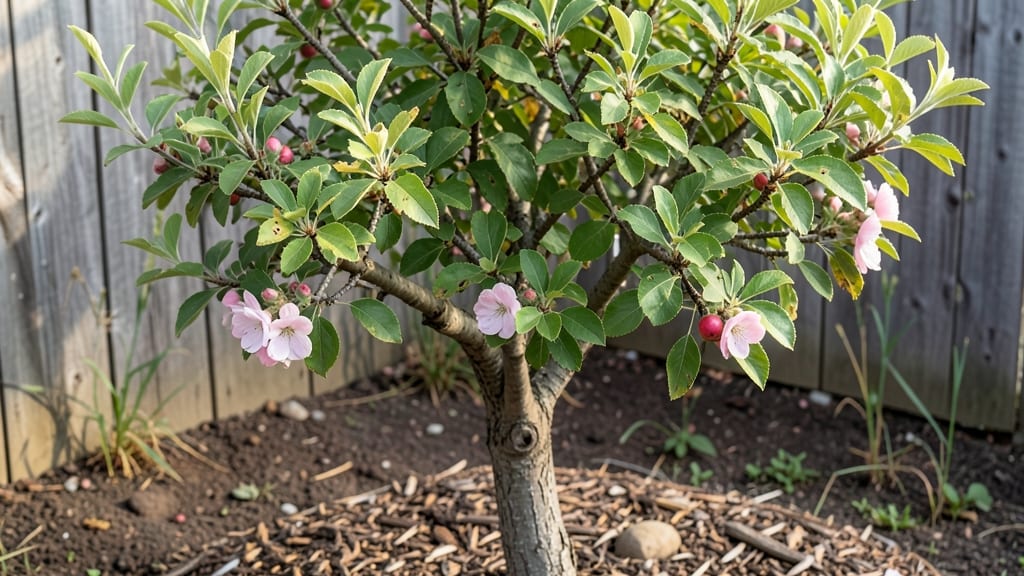
The pink flowering crabapple tree transforms Pacific Northwest gardens into dreamy spring canvases with its frothy blossoms and glossy foliage. 🌸 I planted mine near the front walkway, where its delicate pink flowers catch morning light and create a fragrant cloud that lasts for weeks—far more dramatic than any annual bedding plant.
This tree isn’t just pretty; it’s the backbone of layered garden designs. Use it as a focal point in open lawns, tucked into mixed borders for vertical interest, or as a shade provider that still lets light filter through.
The Pacific Northwest’s cool summers mean it thrives where other flowering trees wilt, and its disease-resistant varieties need minimal fuss once established.
Pair it with salmon-colored rhododendrons for a soft color echo, or let ferns and hostas spill at its base for texture contrast. In autumn, its fruit adds seasonal interest, and the bare branches in winter create striking silhouettes against evergreens.
The tree’s compact size makes it perfect for smaller properties too.
When pruning, focus on opening the center for airflow—this keeps blooms abundant and prevents pests. The key is timing: do light shaping after flowering, and major structural cuts in late winter. Your neighbors will ask how you got such a showstopper so effortlessly.
📚 In This Guide
- What you need
- Instructions
- Tips and common mistakes
- Wrapping up and next steps
What you need
- ● Pruning shears: Bypass pruners (sharp, 6–8" blades) for cuts under ½" thick.
- ● Loppers: 1 pair (8–12" blades) for branches ½"–2" in diameter.
- ○ Pruning saw: 1 handheld saw (for thick branches 2"+; optional but handy).
- ● Gloves: Heavy-duty leather or nitrile-coated (protects from thorns and sap).
- ● Disinfectant: 70% isopropyl alcohol or 10% bleach solution (1 part bleach to 9 parts water) to sterilize tools between cuts.
- ○ Pruning sealant: Wound dressing (e.g., Tanglefoot Tree Wound Pruning Sealer; optional for large cuts).
- ● Ladder or step stool: Sturdy, extendable (if tree is >6 ft tall).
- ● Heavy-duty trash bags: 2–3 (for debris cleanup).
- ○ Marking twine or flags: For tagging branches to remove (optional but useful).
- ● Weather check: Prune on a dry, calm day (avoid rain/snow for 24 hours before/after).
- ● Tree knowledge: Identify dead, diseased, or crossing branches (use a guidebook or app like iNaturalist if unsure).
- ● Safety gear: Safety glasses (to protect from debris) and long sleeves/pants (thorns!).
- ● Cleanup supplies: Rake or broom (for collecting fallen petals/leaves post-prune).
Step-by-Step pruning guide for Pacific Northwest pink flowering crabapple trees
Here's how to maintain your frost-hardy crabapple for vibrant blooms and strong growth—season by season.
✂️ Step 1: Prune for Structure in Late Winter (Before Bud Break)
Grab your pruning shears and work during dormant season (February-March) when the tree isn't actively growing. This timing prevents disease spread and lets you see the tree's natural shape clearly. Focus on removing dead, crossing, or rubbing branches first—these compete for energy and create weak entry points for pests.
Make cuts just outside the branch collar (the swollen area where the branch meets the trunk) at a 45-degree angle. Avoid leaving stubs—they invite decay. For larger branches over ½ inch thick, use loppers and sterilize them with rubbing alcohol between cuts to prevent bacterial spread. You'll know you're doing it right when the cuts look clean and the tree's central leader (main upward branch) remains dominant.
🌿 Step 2: Thin Out for Airflow in Early Spring (After Flowering)
Wait until after the pink blooms fade (typically April) to thin the canopy. Remove 20-30% of the smallest branches to improve airflow and sunlight penetration. Look for branches growing inward or upward—these block light and create dense, disease-prone areas. I aim to create an open vase shape, which lets sunlight reach all parts of the tree and encourages even flowering next year.
Use hand pruners for branches under ¼ inch thick and loppers for thicker stems. Step back frequently to check balance—you want a tree that looks naturally full from all angles. Avoid removing more than ⅓ of the canopy in one season, or the tree may struggle to recover. If you see water sprouts (fast-growing vertical shoots), cut them off at the base—they sap energy from flowering.
☀️ Step 3: Maintain Shape and Remove Suckers in Summer
Monitor the tree throughout June-August and remove any suckers (shoots growing from the base or trunk) immediately with hand pruners. These compete with the main structure for nutrients. Also, check for branches that have grown too long or are crowding the sidewalk or structures—these should be trimmed back to a bud facing outward to encourage bushier growth.
For summer pruning, focus on light shaping rather than heavy cuts. Thin out overly dense areas by removing every other branch in clusters. Avoid pruning when the tree is under stress (like during drought) or when temperatures exceed 85°F, as this can shock the tree. You'll notice healthier foliage and more abundant blooms next spring if you keep the canopy open and balanced.
⏰ Step 4: Clean Up and Prepare for Winter (Fall)
In October, remove all fallen leaves and debris from under the tree to reduce disease risk. Sterilize your tools again with rubbing alcohol and sharpen the blades for next year. Prune any dead or diseased branches that appeared during the growing season, cutting back to healthy wood. This prevents pathogens from overwintering in the tree.
Apply a 2-3 inch layer of mulch (like wood chips) around the base, keeping it 6 inches away from the trunk to prevent rot. Water deeply but not excessively—crabapples need 1-1.5 inches of water per week in fall to prepare for winter. You'll know the tree is ready for frost when the leaves turn yellow and drop naturally, signaling dormancy.
Tips & tricks for perfectly pruned pink flowering crabapple trees
Here's what nobody tells you about keeping your Pacific Northwest crabapple thriving—and avoiding common mistakes that can stress your tree.
Timing is Everything: In Step 1, when pruning during February-March, check the weather forecast. If warm spells arrive early, delay pruning until after the last frost date in your area. Cold temperatures help prevent disease spread—aim for days below 45°F for best results. I've seen trees stressed when pruned too early, so always confirm your local last frost date before starting.
Branch Collar Matters: That swollen area where branches meet the trunk (the branch collar) is your guide. In Step 1, when making cuts, never remove this collar—it's the tree's natural healing mechanism. I learned this the hard way after accidentally cutting into it on a stubborn branch, which led to decay. Use a sharp saw or loppers to make clean cuts just outside the collar at a 45-degree angle.
Seasonal Watering Wisdom: During summer pruning (Step 3), water deeply after pruning to help the tree recover. The 1-1.5 inches per week guideline in fall applies year-round, but increase to 2 inches during summer heatwaves. I've noticed trees pruned in summer without adequate water develop more suckers—so keep that hose handy during dry spells.
Tool Maintenance Secret: Sterilizing tools between cuts (as mentioned in Steps 1 and 4) is non-negotiable. I keep a small bottle of rubbing alcohol in my tool bag and wipe blades before each cut, especially when removing diseased branches. This simple step prevents spreading fungal infections that can devastate your tree's health over time.
Pro Tips for Pink Flowering Crabapple Tree
- Here's what nobody tells you about keeping your Pacific Northwest crabapple thriving—and avoiding common mistakes that can stress your tree.
- Timing is Everything: In Step 1, when pruning during February-March, check the weather forecast.
- Branch Collar Matters: That swollen area where branches meet the trunk (the branch collar) is your guide.
Frequently asked questions
Got questions about your pink flowering crabapple tree? You’re not alone! Here are answers to some of the most common concerns—from pruning to pests—so you can keep your tree thriving in the Pacific Northwest’s climate.
When is the best time to prune a pink flowering crabapple tree?
The ideal time is late winter or early spring (February–March in the PNW) before buds break. This ensures you remove dead wood while preserving next year’s blooms. Avoid heavy pruning in fall—it can stimulate late growth vulnerable to frost damage. For light shaping, summer pruning is fine, but prioritize winter for major cuts.
How much can I prune without harming the tree?
For established trees, limit pruning to no more than 25% of the canopy per year. Over-pruning stresses the tree and reduces flowering. Focus on removing dead, diseased, or crossing branches first, then thin out interior growth to improve airflow. Young trees (under 5 years) need minimal pruning—just remove water sprouts or damaged limbs.
Why are the leaves on my crabapple tree turning brown or yellow?
Brown/yellow leaves often signal fungal diseases (like apple scab or powdery mildew) or pest damage (aphids, mites, or borers). Check the undersides of leaves for signs of infestation. Improve airflow with pruning, water at the base (not overhead), and apply copper fungicide if needed. If the issue persists, consult a local arborist for targeted solutions.
Are pink flowering crabapples frost-resistant in the PNW?
Yes! Most varieties (like ‘Royal Raindrops’ or ‘Dolgo’) tolerate USDA Zones 3–7, making them perfect for the PNW’s cold winters. However, late frosts after blooming can damage flowers. Choose early-blooming cultivars or use frost cloth for young trees in high-risk areas. Mulch the root zone in winter for extra protection.
What’s a good alternative if my crabapple tree isn’t thriving?
If your tree struggles with disease or pests, consider these PNW-friendly alternatives:
- Serviceberry (Amelanchier): Disease-resistant, edible berries, and stunning fall color.
- Oregon Grape (Mahonia): Evergreen, drought-tolerant, and pollinator-friendly.
- Douglas Spirea: Low-maintenance, pink blooms, and thrives in shade.
Wrapping up and next steps
The pink flowering crabapple tree is a stunning, frost-resistant gem that thrives in the Pacific Northwest’s climate—adding color, charm, and wildlife appeal to your landscape. With the right pruning techniques, you’ll keep it healthy, encourage vibrant blooms, and maintain its picturesque shape for years to come. 🌸
Now that you’re armed with the blueprint for success, it’s time to grab those pruners and get started! Start small—even a single branch trimmed with care makes a difference. Ready to transform your garden? Bookmark this guide and schedule your first pruning session this season!