Pruning
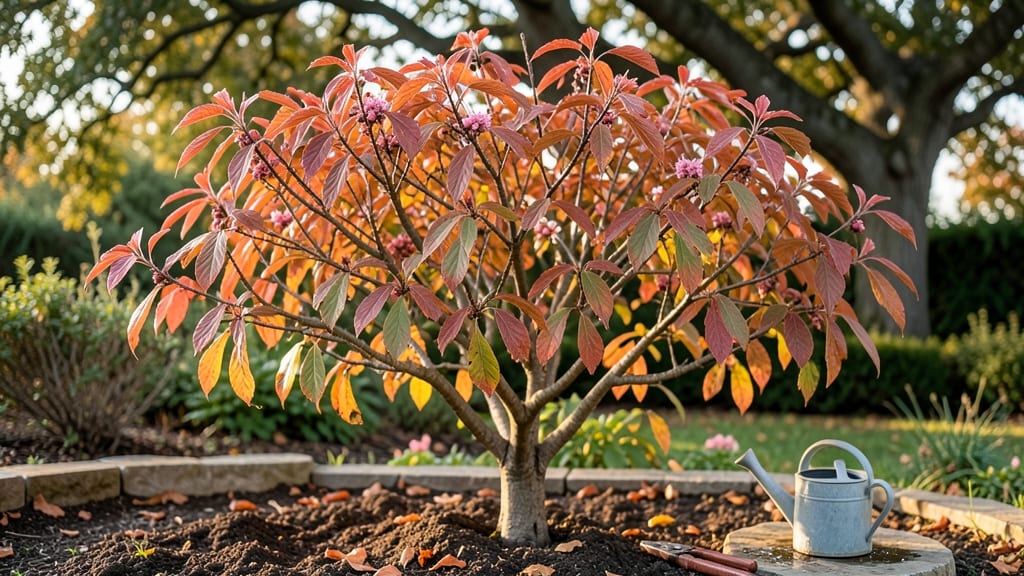
This burning bush spindle tree thrives in Pacific Northwest winters, its fiery fall foliage and bright red berries making it the showstopper of any landscape. I planted mine last spring, and now it stands as the boldest statement in my yard—no fuss, just stunning color when others are fading.
The key to keeping it looking its best? Pruning at the right time, which transforms it from a wild shrub into a sculpted masterpiece.
You’ll need basic tools—a pair of sharp pruners, gloves, and maybe a ladder if your plant is taller than you. The real magic happens in late winter or early spring, before new growth starts.
This isn’t about drastic cuts; it’s about shaping the branches to encourage dense foliage and those signature red berries. Think of it like giving your plant a haircut—clean lines, not a buzz.
What you end up with is a tree that bursts into vibrant orange and red come autumn, its branches heavy with berries that birds adore. The best part? It handles our damp winters like a champ, no extra care needed.
Just a little pruning, a little patience, and you’ve got a landscape centerpiece that outperforms anything you’d buy at a nursery.
Works beautifully in mixed borders, as a privacy screen, or even as a standalone specimen. Whether you’re new to pruning or a seasoned pro, this tree delivers drama with minimal effort. Let’s get those branches in shape!
📚 In This Guide
- What you need
- Instructions
- Tips and common mistakes
- Wrapping up and next steps
What you need
- ● Pruning shears or bypass pruners – Sharp, high-quality (e.g., Felco or Fiskars), disinfected with rubbing alcohol or bleach solution.
- ● Loppers – For thicker branches (1–2 inches in diameter); bypass or anvil type (avoid anvil for live branches).
- ● Pruning saw – For branches 2+ inches thick (e.g., Fiskars X7 or similar).
- ● Gloves – Heavy-duty, cut-resistant (e.g., Mechanix or gardening gloves with reinforced palms).
- ● Ladder or step stool – Sturdy, 6+ ft tall (if tree exceeds 6 ft). Safety first!
- ○ Disposable pruning sealant – Optional but helpful for large cuts (e.g., Tanglefoot Tree Wound Pruning Sealer).
- ● Trash bags or bucket – For collecting debris (1–2 large bags or a 5-gallon bucket).
- ● Hose or spray bottle – For cleaning tools and rinsing cuts.
- ● Rubbing alcohol (70%+ isopropyl) or bleach solution – 1 part bleach to 9 parts water for sterilizing tools.
- ● Pole pruner – For high branches (extendable up to 10 ft).
- ● Tree wound dressing – Controversial but some swear by it (e.g., Ortho Tree Seal).
- ● Work gloves with grip – For extra comfort (e.g., Dr. McGillicutty’s).
- ● Marking spray or chalk – To outline cuts before pruning.
- ● First-aid kit – Just in case! (bandages, antiseptic wipes).
- ● Check the tree’s dormant season (late winter/early spring for PNW).
- ● Review your pruning plan (aim for 1/3 of the tree’s canopy max).
- ● Ensure the tree is healthy (no signs of disease like powdery mildew or pests).
- ● Wear long sleeves and pants to protect from scratches and sap.
How to prune a burning bush spindle tree for optimal growth
This Pacific Northwest favorite thrives with the right cuts—here’s how to shape it for health and beauty.
Time Your Pruning for Best Results
Prune your spindle tree in late winter or early spring, just as new growth begins to swell but before buds break. This timing ensures you remove dead wood while encouraging vigorous new shoots. Avoid pruning in fall—you’ll risk stimulating tender growth that won’t survive winter’s chill.
If you missed the window, you can lightly shape the tree in summer after flowering, but avoid heavy cuts. The key is to work when the plant is naturally preparing for growth, not dormancy. For Pacific Northwest winters, this means waiting until March or April when frost risk has passed.
Remove Dead, Diseased, or Weak Branches First
Start by inspecting the tree for branches that are dead, broken, or crossing. Dead branches snap easily when bent—remove them completely at the base. Diseased wood often appears discolored or oozing; cut back to healthy green tissue just above a bud or lateral branch.
Thin out crowded branches to improve airflow, which prevents fungal issues common in dense shrubs. Look for branches growing inward—they compete with others and create weak spots. Use clean, sharp pruners to make 45-degree cuts just outside the branch collar for the cleanest heal.
Shape for Structure and Airflow
Step back and visualize the tree’s natural shape. Burning bush spindle trees grow in an upright, multi-stemmed form, so avoid shearing into a rounded shape—it weakens the structure. Instead, focus on selective pruning to open the center and encourage outward growth.
Cut back overlong branches by one-third to maintain balance. For larger branches, make the cut just above a lateral bud facing outward. Avoid leaving stubs—these invite disease. If a branch is too thick to cut cleanly, make a two-step cut to prevent bark tearing.
Maintain Size and Encourage Bushiness
To control height, prune the tallest stems back by 10-20% in early spring. This redirects energy to lower branches, creating a fuller, more compact shape. For Pacific Northwest climates, this prevents the tree from becoming top-heavy in winter storms.
After flowering, you can lightly trim individual stems to shape, but avoid heavy cuts. The goal is to encourage bushiness without stressing the plant. Use hand pruners for small branches and loppers for thicker stems—never use hedge shears, as they create an unnatural look and damage the plant.
Clean Up and Monitor for Recovery
After pruning, rake up and dispose of all clippings—never leave them on the ground, as they can harbor pests or disease. Sterilize your pruners with rubbing alcohol between cuts to prevent spreading pathogens.
Watch for new growth within 4-6 weeks. Healthy branches will sprout fresh green leaves, while stressed cuts may ooze sap or show dieback. If you see excessive dieback, reduce pruning next year and focus on watering deeply to help recovery.
Tips & tricks for perfect burning bush spindle tree pruning
Pruning your spindle tree the right way makes all the difference between a healthy, vibrant plant and one that struggles. Here are my go-to strategies for keeping your Pacific Northwest beauty thriving.
Timing is Everything: The late winter to early spring window (just before buds break) is non-negotiable for serious pruning. I've seen too many trees stressed by fall cuts—new growth won't survive our cold winters. If you miss this window, summer pruning after flowering is your next best option, but keep cuts minimal to avoid shocking the plant.
Cutting Technique Matters: Those 45-degree cuts just outside the branch collar aren't just cosmetic—they're essential for proper healing. I learned this the hard way after leaving stubs that became entry points for disease. For thicker branches, the two-step cut method prevents bark tearing and creates cleaner wounds. Always use sharp tools to avoid crushing branches.
Structural Balance: When shaping, remember this tree's natural upright, multi-stemmed form. Cutting back the tallest stems by 10-20% in early spring redirects energy to lower branches, creating that lush, compact shape we all love. The one-third reduction rule for overlong branches keeps the tree's natural proportions while encouraging outward growth.
Recovery Watch: After pruning, monitor for new growth within 4-6 weeks. Healthy branches show fresh green leaves, while stressed cuts might ooze sap or show dieback. If you see excessive dieback, dial back next year's pruning and focus on deep watering to help recovery. This is your tree's way of telling you it needs some TLC.
Pro Tips for Burning Bush Spindle Tree
- Pruning your spindle tree the right way makes all the difference between a healthy, vibrant plant and one that struggles.
- Timing is Everything: The late winter to early spring window (just before buds break) is non-negotiable for serious pruning.
- Cutting Technique Matters: Those 45-degree cuts just outside the branch collar aren't just cosmetic—they're essential for proper healing.
Frequently asked questions
Got questions about pruning your burning bush spindle tree? You’re not alone! Here are some of the most common queries from Pacific Northwest gardeners—plus straightforward answers to keep your tree thriving.
When is the best time to prune a burning bush spindle tree?
The ideal window is late winter or early spring (February–March), just before new growth begins. This timing minimizes stress and prevents disease. Avoid pruning in fall, as it can stimulate tender new growth that may not survive winter. Pro tip: If you must prune in summer, do it before July to avoid heat stress.
How much can I trim back a mature burning bush spindle tree?
You can safely remove up to one-third of the tree’s height in a single pruning session, but avoid drastic cuts. Focus on shaping, removing dead wood, and thinning out crowded branches. For severe rejuvenation, spread cuts over 2–3 years to avoid shocking the tree. Warning: Never remove more than 25% of the canopy in one go unless it’s a desperate situation!
What if my spindle tree isn’t flowering after pruning?
Flowering issues often stem from over-pruning or poor timing. If you pruned too late in the season, new blooms may not form. To encourage flowers, prune right after blooming (late spring) to allow time for next year’s buds. Also, ensure your tree gets full sun (6+ hours/day) and well-draining soil. Bonus: Fertilize lightly in early spring if growth seems sluggish.
Can I replace my burning bush spindle tree with a similar cold-hardy alternative?
Yes! If you love the colorful berries and hardiness but want variety, consider these PNW-friendly swaps:
- Nandina (Heavenly Bamboo) – Tough, berry-producing, and thrives in shade.
- Winterberry Holly – Stunning red berries (needs a male pollinator plant).
- Oregon Grape (Mahonia) – Evergreen, drought-tolerant, and pollinator-friendly.
- Red Twig Dogwood – Vibrant winter stems and berries.
Why are my spindle tree’s leaves turning yellow or brown?
Yellowing leaves often signal overwatering or nutrient deficiencies. Brown edges? Likely underwatering or salt buildup (common in urban areas). Check soil moisture—spindle trees prefer it dry to moderately moist but hate soggy roots. Fix it: Adjust watering, mulch well, and test soil pH (ideal: 6.0–7.0). Pro move: A balanced fertilizer in early spring can revive lackluster growth.
Wrapping up and next steps
The burning bush spindle tree is a resilient, cold-hardy gem for Pacific Northwest gardens—when pruned with care, it rewards you with vibrant foliage and sturdy growth. Remember to time your cuts (late winter or early spring), use sharp tools, and shape with intention to encourage healthy blooms and structure.
Ready to transform your yard? Grab your pruners, review the essentials, and get started—your spindle tree will thank you with years of stunning color! 🌿✂️