
Pruning
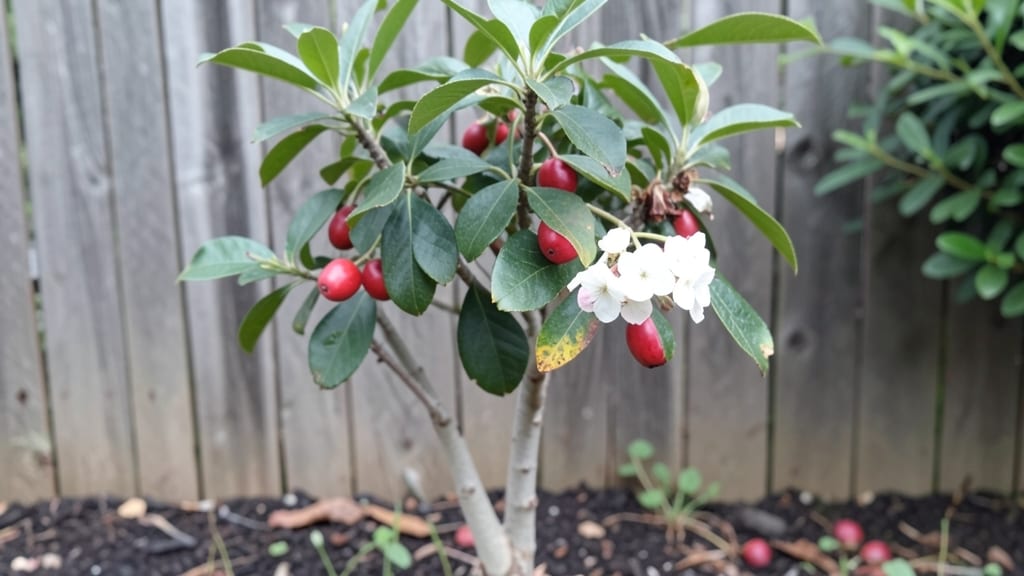
Pruning Brazilian fruit trees like mango, guava, and passionfruit isn’t rocket science—just four strategic cuts can double your harvest and keep those trees thriving all year. 🌱 I learned this the hard way after my first guava tree produced only half its potential because I pruned too late in the season.
The key is timing: shape in winter, open up the canopy in early spring, and trim dead wood anytime. You’ll end up with more sunlight reaching the fruit, fewer pests hiding in dense branches, and trees that look like they belong in a tropical paradise.
The beauty of this method is how adaptable it is—whether you’re dealing with a 5-foot passionfruit vine or a 20-foot mango tree. You’ll need basic tools: sharp pruning shears, gloves, and maybe a ladder for taller varieties.
The process takes less than 30 minutes for small trees, and the payoff is immediate: more branches bearing fruit, easier access for picking, and a tree that’s easier to manage. Even if you’ve never pruned before, these four cuts are foolproof once you understand the basics.
By summer, you’ll notice the difference: clusters of guavas ripening in the sun, mangoes hanging heavy on the branches, and passionfruit vines bursting with new growth. The trees become more productive, the fruit tastes sweeter, and you’ll spend less time fighting tangled branches.
This isn’t just about pruning—it’s about unlocking the full potential of your Brazilian fruit trees with minimal effort.
Works for container-grown trees, backyard orchards, or even urban patios with dwarf varieties. The same principles apply whether you’re in Florida, California, or a tropical climate—just adjust the timing to match your local growing season. Let’s get those shears out and turn your fruit trees into harvest machines.
📚 In This Guide
- What you need
- Instructions
- Tips and common mistakes
- Wrapping up and next steps
What you need
- ● Pruning shears: Bypass pruners (for small branches, 4–6" blades) – 1 pair.
- ● Loppers: Long-handled (24–36") for thicker branches (1–2" diameter) – 1 pair.
- ● Pruning saw: Curved-tooth saw for branches >2" diameter – 1 saw.
- ● Disinfectant: 70% isopropyl alcohol or bleach solution (1:9 ratio) – small spray bottle.
- ● Gloves: Heavy-duty, cut-resistant – 1 pair.
- ● Sharpie or pruning sealant: For marking cuts or sealing wounds – 1 marker or tube.
- ● Heavy-duty trash bags: For debris cleanup – 2–3 bags.
- ● Ladder or step stool: Sturdy, 6–8 ft tall – 1 unit (if tree is >6 ft).
- ● Pole pruner: Extendable shears (10–12 ft) – for high branches without a ladder.
- ● Pruning rope or zip ties: For temporary support.
- ● Garden hose: To clean tools post-pruning.
- ● Notebook & pen: To track pruning dates and notes.
- ● Safety glasses: For debris protection.
How to prune a Brazilian fruit tree for continuous bounty
Four strategic cuts keep your tree productive year-round—no complicated techniques required.
✂️ Step 1: Remove Dead or Diseased Wood in Late Winter
Start in late winter when the tree is still dormant but before new growth begins. Grab your pruning shears and scan the entire tree for branches that look brown, brittle, or hollow. These are dead and won’t produce fruit, so they’re just taking energy from healthy growth.
Cut these branches back to the nearest outward-facing bud or branch collar. The cut should be clean and at a 45-degree angle about ¼ inch above the bud. This encourages new growth in the right direction. If you’re unsure whether a branch is dead, scratch the bark with your fingernail—if it’s green underneath, it’s still alive and can be left alone.
✂️ Step 2: Thin Out Crowded Branches in Early Spring
Once the tree starts showing signs of new growth—typically in early spring—focus on thinning. Look for branches that cross each other or grow inward toward the center of the tree. These compete for sunlight and nutrients, reducing fruit production.
Remove about 20-30% of the tree’s branches in this step, cutting back to a lateral branch or bud. Aim to create an open canopy that allows sunlight to reach the center. You’ll know you’re doing it right when you can see light filtering through the branches on a sunny day. This step is all about improving air circulation, which keeps fruit healthy and reduces disease risk.
✂️ Step 3: Lightly Shape the Tree After Harvest
After the main harvest season, usually in late summer or early fall, give your tree a light shaping. Look for branches that are growing too long or have produced fruit that year. These branches will be less productive next season, so you can cut them back by about ⅓ of their length.
Make your cuts just above a leaf node or outward-facing bud. This encourages bushier growth next year. Avoid heavy pruning now—you want to leave enough foliage to support photosynthesis as the tree prepares for dormancy. Think of this as a maintenance trim rather than a major overhaul.
✂️ Step 4: Prune for Airflow in Late Fall
In late fall, just before the tree enters full dormancy, do a final pruning to improve airflow. Focus on the outer edges of the tree, removing any branches that are rubbing against each other or growing in awkward directions. These small adjustments help prevent damage and disease during winter.
Keep your cuts clean and precise, avoiding any jagged edges. This is also a good time to remove any suckers—those aggressive shoots growing from the base or along the trunk. Cut these off at ground level to redirect the tree’s energy into the main structure. By the time spring rolls around, your tree will be ready to burst into growth with a strong, healthy framework.
Tips & tricks for perfect Brazilian fruit tree pruning
Here's what nobody tells you about keeping your Brazilian fruit tree thriving with minimal effort.
Timing is Everything: Late winter pruning in Step 1 is critical because the tree's dormant state means it won't bleed sap excessively. I learned this the hard way after accidentally pruning in early spring and watching sap drip down the trunk for weeks. The 45-degree angle cut isn't just about aesthetics—it helps water run off the wound, preventing rot. That ¼ inch above the bud guideline ensures new growth emerges in the right direction, creating a more productive canopy over time.
Visual Cues Matter: In Step 2, when thinning crowded branches, look for that "light filtering through" effect as your goal. I've found that when you can see sunlight reaching the center of the tree on a clear day, you've achieved the perfect open canopy. The 20-30% removal target might feel aggressive, but trust me—it's better to remove a few branches now than to struggle with a dense, unproductive tree later. Focus on branches that cross or grow inward, as these are the real culprits stealing sunlight from productive growth.
Seasonal Adjustments: The ⅓ length reduction in Step 3 during late summer/fall shaping might seem arbitrary, but it's based on how much a branch can regenerate before dormancy. I've seen trees where gardeners cut too much, leaving them vulnerable to winter damage. The key is to maintain that balance—enough foliage for photosynthesis, but not so much that it chokes the tree's energy. Think of this as your tree's "haircut" before winter—just enough to look good without going too short.
Tool Maintenance: Don't underestimate the importance of sharp pruning shears. Dull blades crush rather than cut cleanly, creating jagged wounds that invite disease. I clean my shears with rubbing alcohol after each use and oil them occasionally to keep them in top shape. A clean cut heals faster and looks more professional—your tree will thank you for it. And always sterilize your tools between cuts on different trees to prevent spreading any potential diseases.
Pro Tips for Brazilian Fruit Tree
- Here's what nobody tells you about keeping your Brazilian fruit tree thriving with minimal effort.
- Timing is Everything: Late winter pruning in Step 1 is critical because the tree's dormant state means it won't bleed sap excessively.
- Visual Cues Matter: In Step 2, when thinning crowded branches, look for that "light filtering through" effect as your goal.
Frequently asked questions
Got questions about keeping your Brazilian fruit tree thriving with the right pruning techniques? Here are answers to the most common ones—so you can enjoy year-round harvests without the guesswork!
When is the best time to prune a Brazilian fruit tree?
Prune your tree during its dormant season (late winter to early spring) for major cuts, but light trimming can happen year-round after harvests. Avoid heavy pruning during fruiting season to protect yield. Pro tip: If pests or diseases strike, prune immediately to contain issues!
How do I know which branches to cut?
Remove:
- Dead or diseased branches (they drain energy).
- Crossing or rubbing branches (they compete for sunlight).
- Suckers (shoots growing from the base).
- Overcrowded growth (thin out to improve airflow).
Can I prune a Brazilian fruit tree in hot/humid climates like Brazil?
Yes! Just adjust timing: prune early morning or late afternoon to avoid stressing the tree in extreme heat. Use sharp, sterilized tools to prevent fungal infections (common in humid areas). Water deeply before and after pruning to help recovery.
What if my tree isn’t fruiting after pruning?
Check these first:
- Age: Young trees (under 3 years) focus on growth—be patient!
- Sunlight: Ensure 6+ hours of direct sun daily.
- Soil: Test for nutrients (especially nitrogen and potassium).
- Pruning balance: Avoid over-pruning—never remove more than 25% of foliage at once.
Are there alternatives to traditional pruning for small spaces?
Try:
- Espalier training: Grow the tree flat against a wall/fence to save space.
- Dwarf varieties: Some Brazilian fruit trees (like umbu) stay compact.
- Container pruning: Prune aggressively to control size in pots.
Wrapping up and next steps
Brazilian fruit trees like peach palm or cupuaçu thrive with just a few strategic cuts—no green thumb required! 🌱 By mastering these 4 simple pruning techniques, you’ll unlock year-round harvests, boost fruit quality, and keep your tree healthy.
Start small, observe your tree’s response, and soon you’ll be rewarded with abundant, delicious tropical treats.
Ready to transform your backyard? Grab your pruners and schedule your first pruning session—your future fruit feast starts with a single cut! 🍍✨