Trees
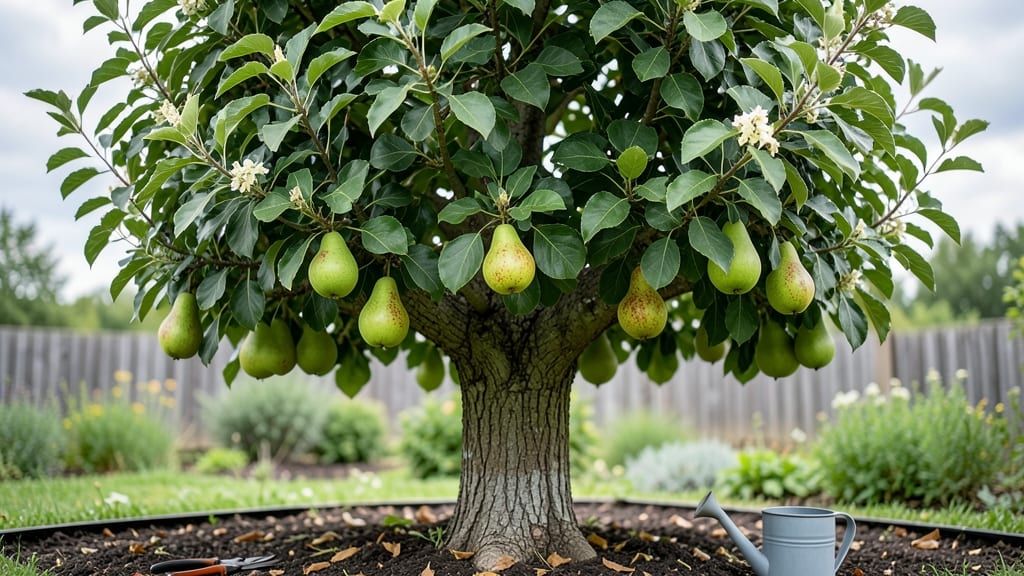
Growing Bosc pear trees in the Pacific Northwest delivers juicy, golden fruit that outshines store-bought varieties—if you pick the right site and timing. 🌟 These cold-hardy trees thrive where winters dip below freezing, but they need well-drained soil and full sun to reward you with sweet, firm pears by early fall.
My first attempt failed when I planted too close to a cedar tree; the roots competed, stunting growth for years.
You’ll need a spot with 6+ hours of sunlight, loose soil mixed with compost, and space for the tree to spread 15-20 feet wide. Dwarf varieties cut that footprint by half, making them perfect for smaller yards.
The key is late winter planting—just as buds swell but before leaves emerge—so roots establish before summer heat arrives.
With proper care, your Bosc pear tree will produce harvests within 3-5 years, yielding 50-100 pounds of fruit annually. The pears ripen in late summer to early fall, their buttery texture and honeyed flavor making them a showstopper at picnic tables.
Prune in late winter to shape the tree and remove dead wood, and watch as branches heavy with fruit signal success.
Pacific Northwest growers love these trees for their resilience—handling rain, wind, and even light frosts after blossoming. Just watch for fire blight, a bacterial disease that can strike in wet springs, and treat with copper spray if you spot blackened branches.
The effort pays off with fruit so good, neighbors will ask where you buy them.
📚 In This Guide
- What you need
- Instructions
- Tips and common mistakes
- Wrapping up and next steps
What you need
- ● Ready to grow your own Bosc pear trees in the Pacific Northwest? Here’s everything you’ll need to get started—from essentials to handy extras! 🌳🍐
- ● Pro Tip: 💡 PNW-specific hack: Plant near a windbreak (like a fence or hedge) to protect young trees from harsh coastal winds!
Step-by-step guide to planting and caring for Bosc pear trees in the Pacific Northwest
Here's how to grow thriving Bosc pears that thrive in our region's cool climates.
🌱 Step 1: Select the Right Variety and Planting Site
Bosc pears need a cold-hardy rootstock suited to your specific zone—look for Pyrus communis varieties grafted onto Ohio #2 or Old Home x Farmingdale rootstock for best cold tolerance. The Pacific Northwest's USDA zones 5-8 work perfectly for Bosc, which handles our winters beautifully. Choose a location with full sun exposure—at least 6-8 hours daily—and well-drained soil with a pH between 6.0-7.0.
Here's the thing—Bosc trees need space to spread. Plant them 15-20 feet apart from other fruit trees to prevent disease spread and allow proper airflow. Avoid low spots where cold air pools, as winter damage can occur even in cold-hardy varieties. Test your soil before planting—amending with compost if it's heavy clay will improve drainage dramatically.
🪴 Step 2: Prepare the Planting Hole and Transplant
Dig a hole twice as wide as the root ball but no deeper—planting too deep suffocates roots and causes stress. Loosen the sides of the hole with a shovel to encourage root spread. Mix the native soil with equal parts compost (about 5 gallons) and a handful of bone meal for phosphorus to stimulate root growth. This ensures your tree establishes quickly in our cooler climate.
Remove the tree from its container and gently loosen any circling roots with your fingers. Place it in the hole so the graft union sits 2-3 inches above soil level—this prevents root rot in wet winters. Backfill with the amended soil mixture, tamping lightly as you go. Water deeply to settle the soil and eliminate air pockets, then create a 2-foot diameter watering basin around the base.
☀️ Step 3: Establish Proper Watering and Mulching Routine
Water deeply once weekly during the first growing season, providing 10-15 gallons per tree to encourage deep root development. In our Pacific Northwest climate, morning watering prevents fungal issues from evening moisture. You'll know you're doing it right when the soil feels moist 6 inches down—never soggy. After the first year, mature trees need less frequent watering but still require deep soakings during dry spells.
Apply 3-4 inches of organic mulch (wood chips or straw) around the base, keeping it 6 inches away from the trunk to prevent rot. Replenish mulch annually—this conservs moisture, regulates soil temperature, and adds nutrients as it breaks down. I always mulch in early spring before active growth begins, which gives roots a head start in our cooler climate.
✂️ Step 4: Prune for Structure and Fruit Production
Prune Bosc pears in late winter or early spring before buds swell, removing dead, crossing, or weak branches first. Open the center of the tree to allow sunlight penetration—this is critical for fruit development. Aim to create an open vase shape with 4-6 main scaffold branches spaced evenly around the trunk. Thin out water sprouts (vigorous vertical growth) immediately, as they drain energy from fruit production.
Summer pruning comes next—remove suckers (shoots from the base) and shoot growth from the main branches. You'll see new growth after pruning, but don't panic—this is normal. The key is gradual shaping over years. In the Pacific Northwest, fire blight is a concern, so always sterilize pruners with rubbing alcohol between cuts and avoid pruning when wet to prevent bacterial spread.
🍐 Step 5: Fertilize and Monitor for Pests/Diseases
Fertilize Bosc pears annually in early spring with a balanced 10-10-10 formula, applying ½ pound per inch of trunk diameter. For example, a 4-inch diameter trunk gets 2 pounds of fertilizer. In our region, organic options like fish emulsion or compost tea work well too. Avoid high-nitrogen fertilizers—they promote leafy growth at the expense of fruit. You'll notice healthier foliage and better fruit set within a season of proper fertilization.
Watch for pear psylla and codling moth—common pests in our climate. Use horticultural oil sprays in early spring to control psylla, and pheromone traps for codling moths. For diseases, fire blight and brown rot are concerns. Prune infected branches 6 inches below the lesion and dispose of them immediately. Copper fungicides applied pre-bloom can prevent these issues before they start.
Tips & tricks for perfect Bosc pear tree care in the Pacific Northwest
These insider tips will help you grow thriving Bosc pear trees that produce abundant fruit in our region's unique climate.
Rootstock Selection Tip: When choosing your Bosc pear tree, pay special attention to the rootstock. The Ohio #2 rootstock is particularly well-suited to our Pacific Northwest winters, offering excellent cold hardiness down to -20°F. If you're in a particularly cold microclimate (like the mountains), consider Old Home x Farmingdale rootstock—it handles our harshest winters even better. The graft union between the scion (Bosc pear) and rootstock should appear healthy and swollen, indicating strong compatibility.
Soil Preparation Strategy: Before planting, conduct a simple soil test to check your pH—Bosc pears thrive in the 6.0-7.0 range. If your soil is too acidic (common in our region), amend with lime according to test recommendations. For heavy clay soils, which are prevalent in many PNW areas, mix in 5 gallons of compost with the native soil when preparing your planting hole. This improves drainage while providing essential nutrients for establishment. Don't skip this step—poor drainage is the #1 reason Bosc trees fail in our climate.
Watering Wisdom: The 10-15 gallons per tree weekly guideline during the first year might seem like a lot, but it's crucial for deep root development in our cooler climate. Use a rain gauge or tuna can to measure—our Pacific Northwest summers often bring inconsistent rainfall. Create that 2-foot diameter watering basin around your tree's base and water slowly to encourage roots to spread outward rather than staying concentrated near the trunk. Morning watering prevents fungal issues from lingering evening moisture, which is especially important in our damp climate.
Pruning Precision: When shaping your Bosc pear tree, aim for an open vase shape with 4-6 main scaffold branches spaced evenly around the trunk. This structure allows sunlight to penetrate to the center, which is critical for fruit development. In our region, fire blight is a persistent concern—always sterilize your pruners with rubbing alcohol between cuts, and make clean cuts at a 45-degree angle. Remove any branches that appear shepherd's crook (curved like a shepherd's staff)—these are particularly susceptible to fire blight. Summer pruning should focus on removing suckers and water sprouts immediately, as these drain energy from fruit production.
Pro Tips for Bosc Pear Trees
- These insider tips will help you grow thriving Bosc pear trees that produce abundant fruit in our region's unique climate.
- Rootstock Selection Tip: When choosing your Bosc pear tree, pay special attention to the rootstock.
- Soil Preparation Strategy: Before planting, conduct a simple soil test to check your pH—Bosc pears thrive in the 6.0-7.0 range.
Frequently asked questions
Got questions about growing Bosc pear trees in the Pacific Northwest? You’re in the right place! Here are some of the most common queries—plus quick, practical answers to help you cultivate success.
How cold-hardy are Bosc pear trees, and will they survive PNW winters?
Bosc pear trees thrive in USDA Hardiness Zones 5-8, making them perfect for the Pacific Northwest’s chilly winters. They handle temperatures as low as -20°F (-29°C) once established, though young trees may need winter protection (like burlap wraps) during their first few years.
When is the best time to plant a Bosc pear tree in the PNW?
Plant in early spring (March-April) or fall (October-November) for optimal root establishment. Avoid extreme heat or frost—spring planting gives roots time to grow before summer, while fall planting lets them settle before winter dormancy.
How long does it take for a Bosc pear tree to bear fruit?
Patience is key! With proper care, Bosc pear trees typically produce fruit in 3-5 years. For faster results, choose a dwarf variety or grafted tree. Cross-pollination (planting a second variety like Bartlett) also boosts yields.
What pests or diseases should I watch for with Bosc pears in the PNW?
Keep an eye out for codling moths (larvae in fruit), pear psylla (sticky sap), and fire blight (blackened branches). Prune infected areas immediately, use organic sprays (like neem oil), and ensure good airflow to prevent fungal issues.
Can I grow a Bosc pear tree in a container, or does it need a yard?
While Bosc pears prefer full sun and space, dwarf varieties (like ‘Hooded’) can thrive in large containers (20+ gallons) with well-draining soil. Move pots to a sheltered spot in winter if temperatures dip below 10°F (-12°C).
Wrapping up and next steps
Growing Bosc pear trees in the Pacific Northwest is a rewarding journey that brings sweet, flavorful fruit to your table while adding beauty to your landscape.
Their cold-hardy nature and adaptability make them a fantastic choice for gardeners in the region—just remember to pick the right variety, provide proper care, and be patient as they establish themselves. 🌱
Ready to take the next step? Start by selecting your Bosc pear tree from a trusted nursery, then mark your calendar for planting season. Whether you're a seasoned gardener or just starting out, your future harvest of juicy, firm pears is well within reach!