Pruning
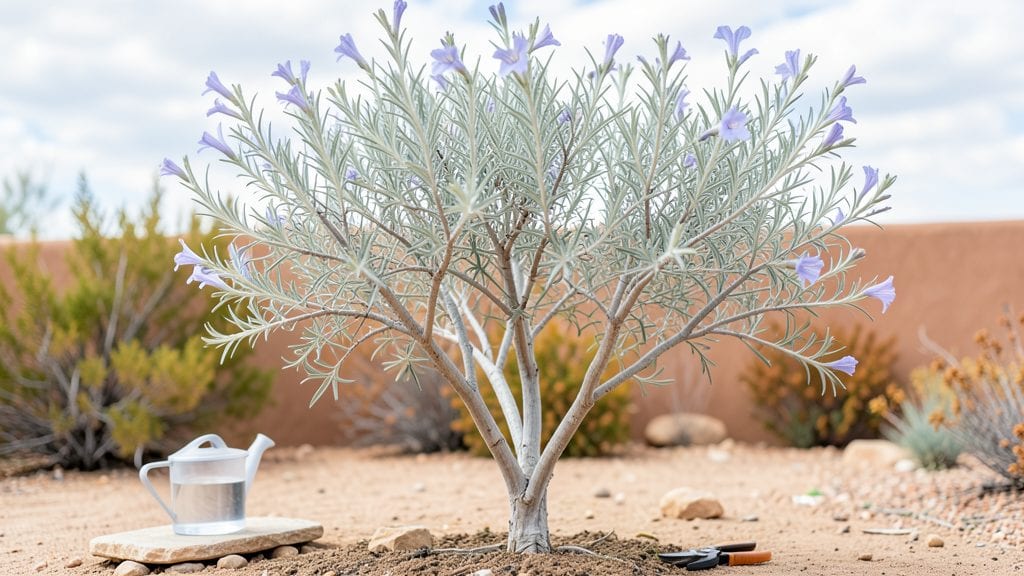
Pruning a blue chiffon tree (Chorisia speciosa) transforms its wild, sprawling growth into a showstopper with structured elegance—something I learned after my first attempt left it looking like a tangled mess. 🌿 The key isn’t just cutting branches; it’s understanding when and why to shape it, whether you’re encouraging more of that signature blue-green foliage or protecting it from winter damage.
This tree rewards patience, but the right pruning turns it from a maintenance headache into a landscape centerpiece.
The best time to prune is late winter or early spring, right before new growth kicks in. You’ll need sharp pruners, gloves (those thorns are no joke), and a clear goal—whether that’s maintaining its natural vase shape or training it into a more compact form.
Light pruning throughout the year keeps it tidy, but avoid heavy cuts after midsummer, or you’ll risk stunting its growth before winter. Even drought-tolerant trees like this one need a balance, and pruning too late can leave it vulnerable to frost.
What you’ll end up with is a tree that’s not just healthy but striking—its silvery-blue leaves catching the light year-round, and its sturdy branches ready to support those dramatic, balloon-like seed pods.
The payoff comes in summer, when the contrast between its foliage and any blooms (if you’re lucky) creates a focal point that neighbors will envy. Just remember: slow and steady wins with this one.
Works for both urban landscapes and rural properties, though container-grown specimens need slightly more frequent pruning to control their size. If you’re in a colder zone, focus on protective shaping in late fall to shield the trunk from harsh winds.
The blue chiffon tree isn’t fussy, but it does demand respect—prune it right, and it’ll reward you for decades.
📚 In This Guide
- What you need
- Instructions
- Tips and common mistakes
- Wrapping up and next steps
What you need
- ● Pruning shears: Bypass pruners (sharp, sterilized) for small branches (e.g., blank">Fiskars 8-inch).
- ● Loppers: For thicker branches (½"–1.5" diameter), like blank">Gonicc 24-inch.
- ● Pruning saw: For branches >1.5" (e.g., blank">Fiskars Power Gear).
- ● Disinfectant: 70% isopropyl alcohol or blank">Concrobium (to prevent disease).
- ● Gloves: Heavy-duty, cut-resistant (e.g., blank">Mechanix Wear).
- ○ Tarp or drop cloth: 6’x9’ to catch debris (optional but handy!).
- ● Ladder: Extendable (16–24’), stable (e.g., blank">WORX Worm Drive).
- ● Safety gear: Eye protection (goggles) and long sleeves/pants.
- ● Sealant: Pruning wax (e.g., blank">Tanglefoot) for large cuts.
- ● Labeling tags: For marking branches to remove (e.g., blank">plastic plant tags).
- ● Sharpener: Stone or file to maintain tool edges.
- ● Compost bin: For chipping pruned branches into mulch.
Step-by-Step blueprint for pruning your blue chiffon tree
Here’s how I keep my blue chiffon tree lush, healthy, and perfectly shaped year-round—no guesswork involved.
✂️ Step 1: Time Your Pruning for Optimal Growth
Prune your blue chiffon tree (Chionanthus retusus) twice a year: late winter (just before buds swell) and early summer (after flowering). Late winter cuts encourage fresh spring growth, while summer pruning shapes the tree without sacrificing blooms. Avoid pruning in fall—new growth won’t harden off before winter, leaving branches vulnerable to cold damage.
I always prune on a dry, cloudy day to reduce stress on the tree. If you must prune in summer heat, do it early morning or late evening when temperatures are mild. Watch for new leaf buds—they’re your cue that the tree is ready for a trim.
✂️ Step 2: Remove Dead, Diseased, or Weak Branches First
Start by cutting out any dead, diseased, or crossing branches—these compete with healthy growth and invite pests. Use clean, sharp pruners (sterilized with rubbing alcohol) to make clean cuts at a 45-degree angle, just above a leaf node or outward-facing bud. If a branch is thicker than ½ inch, use loppers or a pruning saw to avoid tearing the bark.
Real talk: If you see blackened leaves, oozing sap, or fungal spots, don’t hesitate—remove that branch immediately. Blue chiffon trees are tough, but they won’t recover from neglected rot. I also snip any suckers (shoots growing from the base) to keep energy focused on the main structure.
☀️ Step 3: Shape the Tree for Balance and Airflow
Step back and visualize the ideal shape—blue chiffon trees thrive with an open, vase-like form that lets light and air circulate. Start by thinning out the center (remove 10-20% of dense growth) to prevent congestion. Next, shorten overlong branches by ⅓ to ⅓ of their length, cutting just above a bud that faces outward.
Here’s the thing—never remove more than 25% of the tree’s foliage in one session. You’ll know you’ve overdone it if the tree looks skeletal or if new leaves appear small and pale afterward. I like to prune younger branches harder to encourage bushier growth, while older branches get lighter cuts to maintain structure.
🌿 Step 4: Refine for Fullness and Flowering Potential
To encourage more blooms next season, focus on lightening the canopy—this lets sunlight reach inner branches where flowers form. Trim back last year’s flowering stems to just above a set of leaves, but leave this year’s new growth untouched. Blue chiffon trees flower on current-season wood, so preserving fresh growth is key.
For a neater, more manicured look, I trim the outer edges of branches to create a soft, rounded silhouette. Avoid cutting into old wood—it won’t regrow leaves. If you’re unsure where to cut, follow the branch’s natural taper and stop where it narrows to about ¼ inch in diameter.
⏰ Step 5: Clean Up and Monitor for Recovery
After pruning, sterilize your tools again and collect all clippings—don’t leave them under the tree (they can harbor pests). I like to mulch around the base with 2-3 inches of organic mulch (like shredded bark) to retain moisture and protect roots. Water deeply but thoroughly to help the tree recover, then hold off on fertilizing for 4-6 weeks—new growth needs time to establish.
Watch for new leaf growth within 2-3 weeks—that’s your sign the tree is healing. If you notice yellowing leaves or wilting, it might be over-pruned or under-watered. A light application of balanced fertilizer (10-10-10) in early spring can give it a boost, but never fertilize right after pruning.
Tips & tricks for pruning your blue chiffon tree
Here's what I've learned after years of shaping my own blue chiffon trees—these tricks make all the difference between a healthy specimen and one that struggles to recover.
Timing is Everything: The twice-yearly schedule in Step 1 is non-negotiable for blue chiffon trees. Late winter pruning (when buds just start to swell) stimulates vigorous spring growth, while summer pruning after flowering prevents you from accidentally trimming next year's blooms. I mark my calendar for late February and mid-June to stay consistent—this timing aligns perfectly with the tree's natural growth cycles. Don't be tempted to prune in fall, even if the tree looks overgrown; new growth won't have time to harden off before winter.
Visual Cues Over Guessing: When Step 2 mentions removing dead branches, look for these telltale signs: branches that snap when bent (dead wood), leaves that stay brown even in summer (diseased), or branches crossing others (weak growth). For sucker removal, check the base of your tree—any shoots growing directly from the roots should be cut at the base with clean pruners. I always carry a small magnifying glass to inspect buds closely; healthy buds are plump and green, while weak ones appear shriveled or discolored.
The 25% Rule: Step 3's warning about not removing more than 25% of foliage is crucial—this prevents shock to your blue chiffon tree. To visualize this, imagine dividing your tree into four quadrants. Remove no more than one quadrant's worth of growth in a single session. I use a simple trick: if I'm unsure about a cut, I'll make a mental note to revisit it in the next pruning session. This gradual approach maintains the tree's energy balance while still allowing for dramatic transformations over time.
Equipment Matters: While the instructions mention clean pruners, loppers, and pruning saws, I've found that a small pair of bypass pruners (for branches under ½ inch) and a folding pruning saw (for thicker branches) make the job significantly easier. Always sterilize your tools between cuts—especially when dealing with diseased branches—to prevent spreading pathogens. I keep rubbing alcohol in a small spray bottle by my work area for quick sterilization between cuts. For larger trees, consider using a pole pruner to reach higher branches safely.
Pro Tips for Blue Chiffon Tree
- Here's what I've learned after years of shaping my own blue chiffon trees—these tricks make all the difference between a healthy specimen and one that struggles to recover.
- Timing is Everything: The twice-yearly schedule in Step 1 is non-negotiable for blue chiffon trees.
- For sucker removal, check the base of your tree—any shoots growing directly from the roots should be cut at the base with clean pruners.
Frequently asked questions
Got questions about keeping your blue chiffon tree (Glycosmis pentaphylla) thriving with the perfect prune? Here are answers to the most common ones—so you can shape, shape up, and keep your tree healthy year-round!
When is the best time to prune a blue chiffon tree?
The ideal time to prune is late winter or early spring (before new growth starts), but you can also do light trimming after flowering (spring to summer) to maintain shape. Avoid heavy pruning in fall—it can stress the tree before winter. Pro tip: Always prune on a dry, sunny day to reduce disease risk!
How much can I prune without harming the tree?
You can safely remove up to 25-30% of the foliage in one session, but avoid over-pruning. For shape, focus on thinning out crowded branches and deadheading spent flowers. If you prune too aggressively, the tree may struggle to recover—patience is key!
What should I avoid when pruning a blue chiffon tree?
Avoid these common mistakes:
- Pruning too close to the trunk—leave a small stub to prevent disease.
- Cutting back to bare wood—this can kill the branch.
- Using dull or dirty tools—always sterilize with rubbing alcohol.
- Pruning during wet or windy weather—increases sap exposure and infection risk.
Can I propagate my blue chiffon tree from pruned cuttings?
Take 4-6 inch semi-hardwood cuttings from healthy branches in spring/summer. Dip in rooting hormone, plant in well-draining soil, and keep moist. Roots usually form in 4-8 weeks. Just be patient—this tropical beauty loves humidity!
What if my tree isn’t recovering well after pruning?
If you notice yellowing leaves, stunted growth, or dieback, it may be stressed. Check for:
- Over-pruning (scale back next time!).
- Pests (like scale or aphids).
- Underwatering or poor drainage.
Wrapping up and next steps
The blue chiffon tree thrives when you embrace a year-round pruning routine—balancing shape, health, and seasonal needs. Whether you’re trimming for aesthetics, disease prevention, or growth stimulation, consistency is key. With the right tools, timing, and techniques, you’ll keep your tree looking stunning while ensuring its long-term vitality.
Ready to transform your blue chiffon tree into a showstopper? Start by scheduling your next pruning session—spring or early summer is ideal for major shaping! 🌿✂️ (Pro tip: Mark your calendar now!)