Blooming
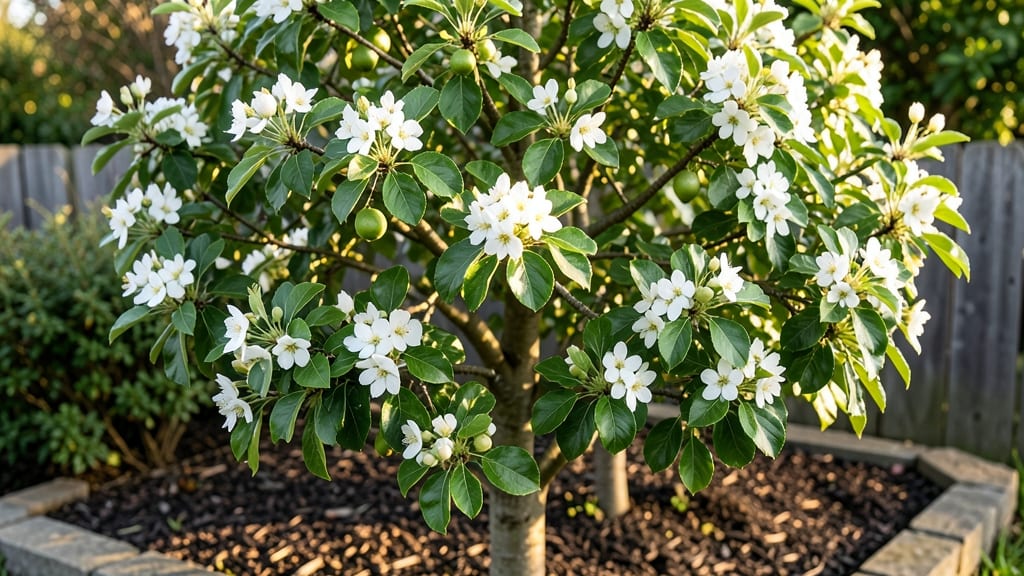
The Pacific Northwest's frost-resistant pear tree blooms transform your yard into a hummingbird magnet every spring. 🌸 I planted mine five years ago after watching neighbors' trees explode with white blossoms that lasted for weeks—now I know why.
These trees thrive in our damp, cool climate, where many fruit trees struggle.
The secret to those showstopping blooms? Prune in late winter while still dormant, fertilize with compost in early spring, and water deeply during bud formation. My tree gets three inches of water weekly once flowers appear, and I've never had better blooms—or more hummingbirds hovering at the branches.
By late May, you'll have clouds of fragrant blossoms that attract pollinators for miles. The flowers fade into tiny pears, but the real magic is watching hummingbirds dart between branches, their wings a blur against the white petals. Even fruitless varieties like 'Seattle' keep blooming year after year.
Works perfectly in zones 5-8, especially where frosts linger into spring. For best results, plant in full sun and avoid heavy nitrogen fertilizer—it pushes leaves over blooms. Here's how to keep your tree flowering like a PNW pro.
📚 In This Guide
- What you need
- Instructions
- Tips and common mistakes
- Wrapping up and next steps
What you need
- ● Pear tree variety: Choose a cold-hardy, blooming cultivar like Pyrus calleryana ‘Chanticleer’ or Pyrus ussuriensis (Ussurian pear), rated for USDA Zones 5-8.
- ● Container or planting hole: For containers: A 5-gallon pot or larger (minimum 18" diameter) with drainage holes.
- ● For in-ground planting: A hole twice as wide and slightly shallower than the root ball.
- ● High-quality potting mix or native soil: Amend garden soil with compost or peat moss (aim for 60% native soil, 40% organic matter for drainage).
- ● Mulch: 3–4 inches of wood chips or pine bark (keep mulch 6 inches away from the trunk).
- ● Garden trowel or spade (for transplanting or digging).
- ● Gloves (to protect your hands from thorns and rough bark).
- ● Watering can or hose with a gentle spray nozzle (pear trees hate soggy roots!).
- ● Pruning shears (sterilized with rubbing alcohol for cuts).
- ○ pH testing kit (optional but helpful—ideal soil pH: 6.0–7.0).
- ● Sunlight: 6+ hours of full sun daily (partial shade in extreme heat).
- ● Water source: Access to water for the first 2–3 weeks post-planting.
- ● Frost timing: Plant after the last frost date (typically mid-April to May in the PNW).
- ● Hummingbird-friendly location: Place near sheltered areas (e.g., near a fence or building) to protect blooms from wind.
- ● Slow-release fertilizer (e.g., 10-10-10 or organic options like fish emulsion).
- ● Tree stakes & ties (if planting in windy areas).
- ● Hummingbird feeder (place 10–15 feet away from the tree to avoid competition).
- ● Epsom salt (1 tbsp/month in water for magnesium boost).
How to care for a blooming pear tree in the Pacific Northwest
Turn your yard into a hummingbird magnet with these simple steps for keeping your frost-resistant pear tree thriving.
🌱 Step 1: Plant in the Right Spot for Year-Round Success
Choose a location with full sun exposure (6-8 hours daily) and well-draining soil. The Pacific Northwest's mild winters mean your tree can handle cooler temperatures, but it still needs shelter from harsh winds. I dig a hole twice as wide as the root ball but only as deep—this prevents soil compaction around the roots.
Amend the native soil with 2-3 inches of compost mixed into the bottom of the hole. The tree’s shallow roots appreciate loose, airy soil that won’t waterlog during our rainy season. Here’s the thing—if your yard has heavy clay, add a 5-gallon bucket of coarse sand to the mix. You’ll see new growth within weeks if the roots have room to spread.
☀️ Step 2: Water Deeply and Protect from Frost
Water your pear tree once a week for the first month, then taper to every 10-14 days once established. The key is deep watering—soak the soil 12 inches down each time. You’ll know you’ve done it right when the topsoil feels dry to the touch but the lower layers stay moist.
In late winter, before blooms appear, protect young trees from late frosts by draping a lightweight frost cloth over the branches. Hummingbirds rely on these blossoms for nectar, so don’t let a cold snap ruin their food source. I’ve found that wrapping the trunk with tree wrap also prevents sunscald in our bright but chilly summers.
✂️ Step 3: Prune for Airflow and Bloom Health
Prune in late winter or early spring before buds swell, removing any dead, crossing, or weak branches first. I always start by thinning the center of the tree to improve airflow—this prevents fungal diseases that thrive in damp Pacific Northwest climates. Cut back to an outward-facing bud to encourage new growth.
Watch for suckers (shoots growing from the base) and remove them immediately. These sap-suckers drain energy from your tree. After pruning, apply a balanced fruit tree fertilizer in early spring to support the energy demands of blooming and fruiting. You’ll see stronger branches and more abundant flowers within a season.
🌿 Step 4: Mulch and Monitor for Pests
Spread a 3-inch layer of organic mulch around the base, keeping it 6 inches away from the trunk to prevent rot. Wood chips or straw work best in our climate, retaining moisture while allowing rain to penetrate. Replenish mulch annually—it breaks down faster than you’d expect.
Keep an eye out for pear psylla or aphids, which love tender new growth. A strong spray of water usually knocks them off, but for stubborn infestations, I use neem oil. The good news? Hummingbirds naturally control many pests by feeding on insects that might harm your tree. Just make sure there are no chemical pesticides nearby—they’ll scare off your feathered friends.
Tips & tricks for perfect blooming pear tree care
A few simple tricks will help your frost-resistant pear tree thrive and attract hummingbirds all season long.
Sunlight Strategy: In Step 1, when choosing your planting spot, prioritize locations that get those full 6-8 hours of sun daily—this is non-negotiable for blooming. I've seen trees struggle when planted near tall evergreens that cast shade. If your yard has limited sun, consider a smaller dwarf variety that can still thrive with 5-6 hours of light.
Soil Prep Secret: The 2-3 inches of compost in Step 1 is your foundation for success. For heavy clay soil, that 5-gallon bucket of coarse sand makes all the difference—it creates those tiny air pockets roots need. Pro tip: Mix in a handful of worm castings with your compost for extra microbial activity that helps roots establish faster.
Watering Wisdom: When you're watering once a week for the first month in Step 2, use your finger to check moisture at 12 inches deep. If it feels damp, you're good. If dry, give it another deep watering. In our rainy climate, overwatering is just as damaging as underwatering—roots need air too!
Pruning Pro Tip: In Step 3, when you're pruning before buds swell, make your cuts at a 45-degree angle just above an outward-facing bud. This encourages new growth in the right direction. I always sterilize my pruners with rubbing alcohol between cuts to prevent spreading disease through open wounds.
Pro Tips for Blooming Pear Tree
- A few simple tricks will help your frost-resistant pear tree thrive and attract hummingbirds all season long.
- Sunlight Strategy: In Step 1, when choosing your planting spot, prioritize locations that get those full 6-8 hours of...
- Soil Prep Secret: The 2-3 inches of compost in Step 1 is your foundation for success. For heavy clay soil, that 5-gal...
Frequently asked questions
Got questions about nurturing your blooming pear tree in the Pacific Northwest? You’re not alone! Here are some of the most common queries—and their answers—to help you grow a thriving hummingbird haven.
When is the best time to plant a pear tree in the PNW?
The ideal window is late fall to early spring (October through March). This gives roots time to establish before summer heat. Avoid planting in frost-prone periods—your tree’s frost resistance will thank you!
How cold can a blooming pear tree handle?
Most frost-resistant varieties (like ‘Seckel’ or ‘Bartlett’) tolerate temps down to 10°F (-12°C). Young trees need extra mulch in winter, while mature trees handle PNW winters well. Late frosts can damage blossoms—watch for local frost alerts!
Why aren’t hummingbirds visiting my blooming pear tree?
Hummingbirds love scented, nectar-rich blooms—ensure your tree is fully open (not just buds). Add a hummingbird feeder nearby for backup, or plant companion flowers like salvia or fuchsia to attract them. Patience! It may take 2–3 weeks for birds to discover your tree.
Can I grow a pear tree in a container?
Yes! Dwarf varieties (like ‘Hood’ or ‘Centennial’) thrive in 15–20 gallon pots with well-draining soil. Use a large container (depth > 12 inches) and repot every 2–3 years. Note: Container trees may need winter protection in harsh PNW freezes.
How do I prevent pear tree diseases like fire blight?
Fire blight (Erwinia amylovora) is common in wet PNW springs. Prune in dry weather, sterilize tools with rubbing alcohol, and remove infected branches 6 inches below the lesion. Copper fungicides can help, but resistant varieties (like ‘Moonglow’) are your best bet!
What’s a good alternative if I can’t grow a pear tree?
Try ornamental pear varieties (like ‘Bradford’ or ‘Chanticleer’) for year-round interest, or serviceberry (Amelanchier) for edible berries and early blooms. Both attract pollinators and handle PNW conditions beautifully!
Wrapping up and next steps
A blooming pear tree isn’t just a stunning addition to your Pacific Northwest garden—it’s a hummingbird haven that thrives in frost and brings life to your landscape. Whether you’re drawn to its delicate blossoms, resilience, or the joy of supporting pollinators, this tree offers beauty and practicality.
Now’s the perfect time to plant, nurture, or simply admire one in your outdoor space!
Ready to take the next step?
- 🌱 Plant one this season for a burst of spring color.
- 🐦 Enhance your yard with hummingbird-friendly plants nearby.
- 📸 Share your progress—tag us in your blooming pear tree pics!