
Blooming
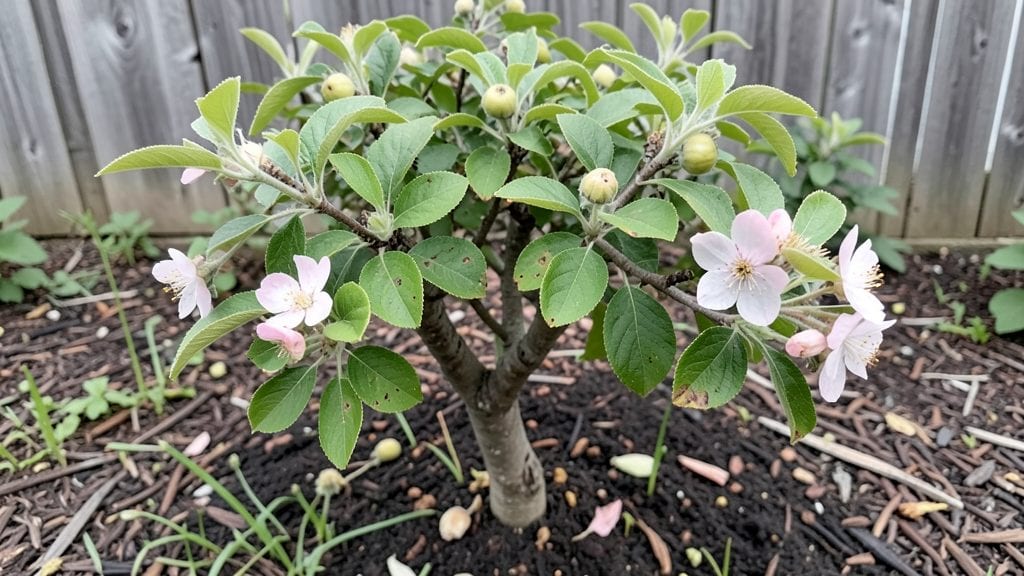
Your Pacific Northwest yard deserves a blooming crabapple tree that thrives through frost and rain. 🌸 I planted mine last spring, and now it's the star of my garden—covered in spring blossoms, fragrant white flowers, and tiny apples that birds adore.
The key? Choosing the right variety for our climate and giving it the perfect spot.
The right location makes all the difference. These trees love full sun to partial shade and well-draining soil—even our soggy Pacific Northwest winters won’t slow them down. Most varieties handle our wet climate beautifully, but I always add a 3-inch layer of mulch in winter to protect roots.
Water deeply once a week after planting, then let nature take over.
What you’ll love most are the spring blooms—some varieties burst with pink, others with pure white—and the way they turn golden in fall. The fruit may not be for eating, but birds will thank you.
Prune in late winter to shape the tree and remove dead branches, and you’ll have a showstopper for decades.
Common issues? Aphids or fire blight can be problems, but a neem oil spray in early spring keeps pests at bay. With the right care, your crabapple will outshine any store-bought ornament—frost-resistant, low-maintenance, and stunning. Ready to plant yours?
📚 In This Guide
- What you need
- Instructions
- Tips and common mistakes
- Wrapping up and next steps
What you need
- ● Blooming crabapple tree (choose a Malus variety like 'Royal Raindrops,' 'Pink Spires,' or 'Red Sentinel'—ensure it’s frost-resistant for PNW climates, zones 5-8).
- ● Shovel or digging spade (18-24" wide, sturdy for rocky PNW soil).
- ● Garden gloves (heavy-duty, waterproof for protection).
- ● Compost or well-aged manure (5-10 gallons, to enrich soil).
- ● Organic mulch (3-4 cubic feet, such as cedar chips or bark).
- ○ Tree stake (optional but recommended) (1-2 stakes, 4-6 ft tall, for young trees).
- ● Tree tie or soft garden tape (to secure the stake without damaging the trunk).
- ● Watering can or hose with a gentle spray nozzle (for post-planting hydration).
- ● Pruning shears (bypass-style, for shaping and cleanup).
- ● Soil test kit (to check pH and nutrient levels—PNW soil can be acidic!).
- ● Slow-release fertilizer (balanced 10-10-10 or organic options like fish emulsion).
- ● Tree guard or protective barrier (to deter deer or pets from young bark).
- ● Drip irrigation system (for consistent moisture in dry PNW summers).
- ● Post-hole digger (if staking in hard or rocky ground).
- ● ✅ Location scouted: Choose a spot with 6+ hours of sunlight and 5-6 ft of clearance (for mature canopy).
- ● ✅ Soil prep: Loosen soil to 12-18" deep (PNW clay? Amend with compost!).
- ● ✅ Weather check: Plant in early spring or fall (avoid PNW’s wet winters).
- ● ✅ Permits (if applicable): Check local regulations for large tree planting.
Step-by-Step guide to planting a frost-resistant crabapple tree in the Pacific Northwest
Here’s how to establish a thriving, cold-hardy crabapple that blooms reliably year after year.
🌱 Step 1: Select the Right Location and Prepare the Soil
Choose a spot with full sun exposure (6-8 hours daily) and well-draining soil—crabapples despise soggy roots. In the Pacific Northwest’s cooler climate, avoid low-lying areas where frost settles. Test your soil’s pH (aim for 6.0-7.0); if it’s too acidic, amend with crushed limestone.
Dig a hole twice as wide as the root ball but only as deep as the container’s base. Loosen the sides of the hole with a shovel to encourage root spread. If your soil is heavy clay, mix in 2-3 inches of compost into the bottom layer to improve drainage. This prevents root rot, which is a silent killer in our damp winters.
🪴 Step 2: Plant the Tree at the Correct Depth and Stake for Support
Remove the tree from its container and gently tease the roots outward if they’re circling. Place it in the hole so the top of the root flare sits level with the ground—burying the trunk too deep suffocates the tree. Fill the hole with native soil, tamping lightly to eliminate air pockets.
Stake the tree only if necessary (young, top-heavy varieties need support). Use 2-3 stakes positioned 6-12 inches from the trunk, tied loosely with soft tree ties to allow trunk movement. Over-tightening strangles growth. Water deeply immediately after planting to settle the soil and eliminate air gaps.
☀️ Step 3: Water Deeply and Mulch to Protect Against Frost
Water the tree once a week for the first month, then taper to every 10-14 days unless we have an unusually dry spell. Deep watering (1-2 inches per session) encourages deep root growth, which is critical for frost resistance. Avoid overhead watering in winter—wet bark invites fungal diseases.
Spread 3-4 inches of mulch (wood chips or bark) in a ring around the tree, keeping it 6 inches away from the trunk. This insulates roots from temperature swings and retains moisture. Replenish mulch annually—it breaks down faster in our wet climate. In late fall, add an extra 2-inch layer to shield roots from winter freezes.
✂️ Step 4: Prune for Structure and Frost Hardiness
Prune in late winter or early spring (before buds swell) to remove dead, crossing, or weak branches. Use clean, sharp pruners to make cuts just outside the branch collar. Avoid heavy pruning—crabapples bloom on old wood, so aggressive cuts reduce next year’s flowers.
Shape the tree into an open vase form to allow sunlight and air circulation, which prevents fungal issues. Thin out interior branches to 12-18 inches apart—this reduces weight stress and improves frost survival. Seal larger cuts (>½ inch) with pruning sealant to prevent disease entry.
⏰ Step 5: Monitor for Frost Damage and Adjust Care Seasonally
In late winter, check for frost cracks (vertical splits in the bark) or sunscald (brown patches on south-facing bark). If you see damage, apply a thin layer of white tree paint to protect exposed areas. Young trees benefit from burlap wraps during extreme cold snaps (15°F or lower).
Fertilize lightly in early spring with a balanced 10-10-10 formula (½ cup per year of tree age). Over-fertilizing encourages tender new growth that’s more vulnerable to frost. In summer, watch for codling moths—cover fruit with netting if pests are an issue. With consistent care, your crabapple will reward you with abundant spring blooms and edible fruit for decades.
Tips & tricks for perfectly frost-resistant crabapple planting
Planting a crabapple that thrives in our Pacific Northwest winters takes a few key strategies—here's what I've learned after watching several trees struggle with our unique climate.
Soil Prep is Everything: In Step 1, when preparing that hole twice as wide as the root ball, don't just dig—loosen the sides aggressively with your shovel. This creates lateral roots that spread out, which is crucial for stability during windstorms and frost heaves. I've seen trees planted in compacted soil fail within two winters because their roots couldn't establish properly. For heavy clay soils, mix that 2-3 inches of compost thoroughly—don't just dump it in the bottom. The roots need consistent moisture and air circulation to survive our wet winters.
Root Flare Visibility: The most critical planting detail in Step 2 is getting that root flare exactly level with the ground. I've made the mistake of burying it too deep, which strangles the tree, and planting it too high, which leaves it vulnerable to wind rock. Here's my trick: After placing the tree, step back and look at it from all angles—you should see a slight swelling at the base where roots meet trunk. That's your flare. If you can't see it clearly, adjust before backfilling.
Winter Protection Layers: For Step 3's mulching, think of it like building a thermal blanket for your tree's roots. That 3-4 inch layer works wonders, but here's the pro move: In late fall, add that extra 2-inch layer specifically around the trunk area where frost cracks often form. I also recommend wrapping young trees in burlap during our extreme cold snaps below 15°F—not just for decoration, but to create a microclimate that maintains slightly warmer temperatures around the trunk. This simple step has saved multiple trees from devastating frost cracks in my neighborhood.
Pruning Precision: When you're pruning in Step 4, remember that crabapples bloom on old wood, so less is more. I've seen people cut back too aggressively in hopes of thicker growth, only to sacrifice next year's flowers. Focus on removing only dead, crossing, or weak branches. For the vase shape, aim to create an open center that allows sunlight to reach all branches—this prevents fungal issues that thrive in our damp climate. And that 12-18 inch spacing between branches? It's not just about looks; it's about reducing weight stress that can lead to branch failure during winter storms.
Pro Tips for Blooming Crabapple Tree
- Planting a crabapple that thrives in our Pacific Northwest winters takes a few key strategies—here's what I've learned after watching several trees struggle with our unique climate.
- Soil Prep is Everything: In Step 1, when preparing that hole twice as wide as the root ball, don't just dig—loosen the sides aggressively with your shovel.
- Root Flare Visibility: The most critical planting detail in Step 2 is getting that root flare exactly level with the ground.
Frequently asked questions
Got questions about your blooming crabapple tree? You’re not alone! Here are answers to the most common queries—whether you’re planting, pruning, or troubleshooting. Let’s dive in:
When is the best time to plant a crabapple tree in the Pacific Northwest?
The ideal window is late fall to early spring (November–March), when the soil is workable but not frozen. This gives roots time to establish before summer heat. Avoid planting in extreme heat—young trees stress easily! For PNW’s mild winters, early spring (March–April) is also a great choice if you’re in a frost-prone microclimate.
How do I keep my crabapple tree from getting apple scab or other diseases?
Prevention is key! Start with resistant varieties (like ‘Sargent’ or ‘Adams’). Prune in late winter to improve airflow, and remove fallen fruit/petals promptly. Apply a copper fungicide in early spring if scab is a recurring issue. Water at the base (not overhead) to reduce humidity—fungi love damp foliage!
Are blooming crabapple trees truly frost-resistant in the PNW?
Most PNW-hardy crabapples (zones 5–8) survive temps down to -15°F (-26°C) once established. However, late spring frosts can damage blooms (not the tree itself). Choose early-blooming varieties (like ‘Royal Raindrops’) to reduce frost risk. Young trees may need burlap wraps in harsh winters for extra protection.
Should I prune my crabapple tree after it blooms, or before?
Prune right after flowering (late spring) to avoid cutting off next year’s blooms. Focus on:
- Removing dead/diseased branches first.
- Thinning out crossing or crowded limbs for airflow.
- Avoid heavy pruning—crabapples bloom on old wood.
What’s a good alternative if I want a fragrant tree but no messy fruit?
Consider these low-maintenance PNW-friendly alternatives:
Tree
Fragrance
Fruit?
‘Spring Snow’ Hawthorn
(heavy spring blooms)
Small red berries (birds love them!)
‘Ken Taylor’ Serviceberry
(subtle, edible flowers)
Edible blue-black berries
‘Honeybells’ Magnolia
(intense, honey-like)
None
For zero fruit, ‘Honeybells’ magnolia is a top pick—just know it’s slower-growing!
Wrapping up and next steps
The blooming crabapple tree is a stunning, frost-resistant gem perfect for the Pacific Northwest’s climate—offering vibrant spring blooms, year-round interest, and low-maintenance resilience. Whether you’re drawn to its delicate flowers, wildlife-friendly appeal, or compact size, this tree is a must-have for gardens, urban landscapes, and eco-conscious yards. 🌸
Ready to transform your outdoor space? Start by choosing the right variety for your region, then gather your supplies and follow the planting guide. With a little care, you’ll soon enjoy the beauty—and benefits—of this Pacific Northwest standout!