
Pruning
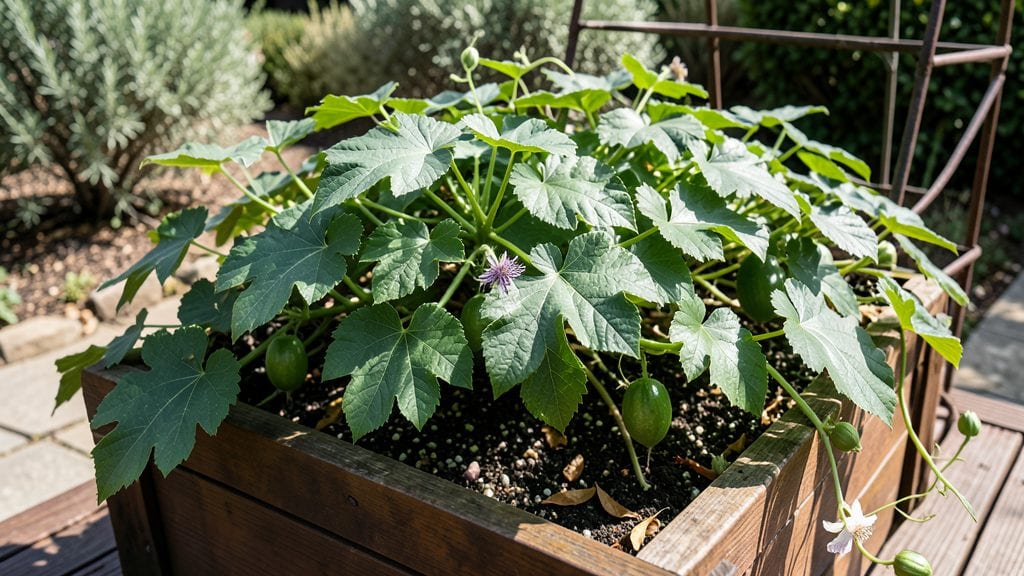
The green passion fruit tree thrives in warm climates and delivers sweet, tangy fruit year-round with almost no pruning—just a few strategic cuts keeps it productive.
I planted mine last spring after struggling with finicky tropical plants, and now it’s the star of my backyard, climbing a trellis while producing fruit in every season. The key is understanding its love for heat and humidity, which makes it feel right at home in zones 8-11.
You’ll need well-draining soil, a sturdy trellis or fence for support, and a location where it gets at least 6-8 hours of sunlight daily. Watering is simple: keep the soil consistently moist but never soggy, especially during flowering and fruiting.
My tree now drops 10-15 fruits per season with minimal effort, and the vines grow aggressively—so pruning is mostly about guiding growth, not maintenance.
What makes this tree special is its low-maintenance nature—no heavy pruning required, just occasional trimming to shape the plant and remove dead growth. The fruit tastes like a mix of citrus and tropical sweetness, and the vines add lush greenery to any garden.
By summer, you’ll have a tree that’s both productive and beautiful, with minimal upkeep.
Works beautifully in containers for patios or balconies, though it’ll need winter protection in cooler zones. The real magic happens when you taste the fruit straight off the vine—no store-bought version compares. Let’s get yours growing!
📚 In This Guide
- What you need
- Instructions
- Tips and common mistakes
- Wrapping up and next steps
What you need
- ● Passion fruit seeds or cuttings: 3–5 green passion fruit seeds (if starting from seed) or 1–2 healthy cuttings (4–6 inches long, with 2–3 nodes).
- ● Well-draining potting mix: 1 bag (1–2 cubic feet) of cactus/succulent mix or a blend of 60% potting soil, 30% perlite, and 10% compost.
- ● Container or garden space: Container option: 5-gallon pot or larger (with drainage holes) for each seedling.
- ● Garden option: Full-sun spot (6+ hours daily) with loose, well-draining soil (pH 6.0–7.5).
- ● Fertilizer: Balanced 10-10-10 fertilizer or organic options like worm castings or compost tea (apply every 4–6 weeks).
- ● Watering can or hose with gentle spray nozzle: For consistent moisture without over-saturating roots.
- ● Required: Pruning shears (sterilized with rubbing alcohol).
- ● Gloves (to protect from thorns and sap).
- ● Trowel (for transplanting seedlings).
- ○ Optional (but helpful!): Mulch (straw or wood chips) to retain moisture.
- ● Support trellis or stakes (for vining varieties).
- ● pH testing kit (to monitor soil acidity).
- ● Rooting hormone (if propagating from cuttings).
- ● Warm climate (USDA Zones 8–11) or a greenhouse for cooler regions.
- ● Patience! Passion fruit trees take 12–18 months to bear fruit from seed.
- ● Consistent watering (keep soil moist but not soggy).
Step-by-Step guide to cultivating a thriving green passion fruit tree
Growing a green passion fruit tree is simpler than you think—just follow these steps for a productive, low-maintenance harvest.
🌱 Step 1: Select and Prepare the Planting Site
Choose a location with full sun exposure (6+ hours daily) and well-draining soil. Green passion fruit thrives in warm climates but can tolerate brief cold snaps if protected. Amend heavy soil with compost or organic matter to improve drainage—this tree despises soggy roots. Dig a hole twice as wide as the root ball but no deeper, then loosen the surrounding soil to encourage root spread.
If planting in containers, use a 5-gallon minimum pot with drainage holes. Mix equal parts potting soil and perlite to prevent compaction. The tree’s roots need room to grow, so plan for repotting every 2-3 years as it matures. Here’s the thing—green passion fruit grows aggressively, so give it space to sprawl or train it on a trellis if vertical growth is preferred.
☀️ Step 2: Plant and Establish the Young Tree
Place the tree in the hole, ensuring the root flare (where roots meet the trunk) sits 1 inch above soil level. Backfill with native soil, pressing gently to remove air pockets but avoiding compaction. Water deeply to settle the soil, then add a 2-inch layer of mulch around the base, keeping it 3 inches away from the trunk to prevent rot.
Water every 2-3 days until new growth appears, then taper to once weekly once established. The first few weeks are critical—watch for yellowing leaves, which signal overwatering or poor drainage. Fertilize lightly with a balanced organic fertilizer (10-10-10) at half-strength after 6 weeks to encourage root development without burning tender foliage.
✂️ Step 3: Prune for Fruit Production and Airflow
Pruning isn’t about shaping—it’s about directing energy. Remove dead, diseased, or crossing branches first, then trim back 25% of the canopy to improve airflow. Green passion fruit flowers on new growth, so avoid heavy pruning in winter. Instead, prune lightly in early spring to stimulate fruiting branches. Here’s what I do: cut just above a leaf node at a 45-degree angle to prevent water pooling.
Watch for suckers (shoots at the base)—remove them to focus the tree’s energy on fruit production. If the tree becomes too leggy, prune back the longest branches by one-third to encourage bushier growth. This isn’t about aesthetics; it’s about maximizing fruit yield with minimal effort.
💧 Step 4: Water and Fertilize for Continuous Harvest
Green passion fruit trees need consistent moisture but hate soggy soil. Water deeply 2-3 times weekly during dry spells, aiming for 1-2 inches of water per week. Let the top 2 inches of soil dry between waterings—this prevents root rot while keeping the tree hydrated. In containers, water when the soil feels dry to the touch 1 inch below the surface.
Fertilize every 6-8 weeks with a high-potassium fertilizer (5-10-10) to boost fruiting. Stop fertilizing 2 months before harvest to allow flavors to concentrate. I also add a handful of compost around the base monthly to replenish nutrients naturally. The key is balance—too much nitrogen makes leaves grow fast but fruits small and bland.
🍈 Step 5: Harvest and Encourage Year-Round Production
Green passion fruit ripens 6-8 months after flowering. Harvest when the fruit turns deep green and slightly soft to the touch. Twist gently to detach—if it resists, use pruning shears. Don’t wait too long; overripe fruit becomes mealy and loses flavor. Once harvested, store at 55-60°F for up to 2 weeks.
To keep the tree producing, remove spent flowers and fruit promptly. This redirects energy to new blooms. In cooler climates, protect the tree with a frost cloth or move containers indoors during frost. With minimal pruning and consistent care, your green passion fruit tree will reward you with harvests year-round—or at least through its active growing season.
Tips & tricks for cultivating a thriving green passion fruit tree
A few simple strategies will help you avoid common pitfalls and maximize your harvest with minimal effort.
Soil Preparation is Everything: In Step 1, don't rush the soil amendment process. I've seen gardeners skip the compost addition and end up with poor drainage, which leads to root rot. Test your soil's pH—green passion fruit thrives in slightly acidic soil (pH 6.0-7.0). If your soil is heavy clay, mix in an additional 25% sand to improve drainage. This tree's roots are sensitive to waterlogging, so proper soil prep prevents years of frustration.
Pruning Strategy for Maximum Yield: The 25% canopy reduction in Step 3 might seem aggressive, but it's about directing energy. Focus on removing branches that grow inward or cross—these create shaded areas where fruit won't develop. I always prune just above a leaf node at a 45-degree angle to prevent water pooling at the cut. This technique also encourages bushier growth, which translates to more fruiting branches. Remember, green passion fruit flowers on new growth, so avoid heavy winter pruning that could reduce next year's harvest.
Watering Wisdom: The 2-3 times weekly watering schedule in Step 4 requires attention to detail. Use a rain gauge or measuring cup to ensure you're delivering 1-2 inches of water per week. In containers, I recommend weighing the pot—when it's 10% lighter than when fully moist, it's time to water. This method prevents both underwatering and overwatering. The key is consistency; passion fruit trees hate moisture fluctuations more than they hate occasional dry spells.
Fertilizer Timing Matters: The 6-8 week fertilizer schedule in Step 4 is crucial, but timing is everything. Always fertilize after a thorough watering to prevent root burn. I've found that switching to a high-potassium fertilizer (like 5-10-10) 2 months before harvest gives the sweetest fruits. The stoppage before harvest allows the tree to concentrate its energy into fruit development rather than leaf growth. This is where many gardeners go wrong—they keep fertilizing right up until harvest and end up with bland-tasting fruit.
Pro Tips for Green Passion Fruit Tree
- A few simple strategies will help you avoid common pitfalls and maximize your harvest with minimal effort.
- Soil Preparation is Everything: In Step 1, don't rush the soil amendment process.
- Pruning Strategy for Maximum Yield: The 25% canopy reduction in Step 3 might seem aggressive, but it's about directing energy.
Frequently asked questions
How long does it take for a green passion fruit tree to bear fruit?
A healthy green passion fruit vine typically starts producing fruit 18–24 months after planting, given ideal conditions (warmth, full sun, and well-draining soil). Patience pays off—once established, it can yield 2–3 harvests per year! Pro tip: Use a trellis early to encourage faster growth and fruiting.
Can green passion fruit trees survive cold weather?
These tropical vines hate frost—temperatures below 30°F (-1°C) can kill the plant. If you live in a cooler climate, grow it in containers and bring it indoors during winter. Alternatively, plant it near a sunny wall for extra warmth. Pro tip: Mulch heavily in fall to protect roots from chilly soil.
How much pruning does a green passion fruit tree really need?
Minimal pruning is key! Focus on removing dead or overcrowded vines in early spring and trimming leggy growth to encourage bushier, fruit-bearing branches. Avoid heavy cuts—just light shaping keeps it productive. Pro tip: Prune after harvest to redirect energy for next season’s fruit.
What’s the difference between green and purple passion fruit?
Green passion fruit (Passiflora edulis) has sweet-tart, seedy pulp and thrives in warmer climates, while purple passion fruit (Passiflora edulis f. flavicarpa) is larger, sweeter, and more cold-tolerant. Both need similar care, but green varieties are easier for beginners due to their hardiness. Pro tip: Try growing both for variety—green for juices, purple for desserts!
What pests should I watch out for on my passion fruit tree?
Common culprits include aphids, mealybugs, and spider mites. Early signs? Sticky leaves or yellowing vines. Spray with neem oil or insecticidal soap for mild infestations. For severe cases, introduce ladybugs (natural predators). Pro tip: Inspect leaves weekly—catch pests early to avoid stressing the plant.
Can I grow green passion fruit in containers?
Use a large pot (15+ gallons) with drainage holes and a well-draining potting mix. Place it in full sun and water deeply when the top inch of soil dries. Container-grown vines may need winter protection (move indoors or wrap in frost cloth). Pro tip: Fertilize monthly in growing season for bigger yields!
Wrapping up and next steps
Growing a green passion fruit tree is a rewarding way to enjoy a year-round harvest with minimal effort! With the right tools, a little patience, and smart pruning techniques, you’ll keep your tree healthy, productive, and thriving.
Remember, consistency is key—regular checks and light trims will ensure your tree stays lush and fruitful.
Ready to take the next step? Start small—prune a few branches this weekend and observe how your tree responds. Over time, you’ll build confidence and master the art of low-maintenance passion fruit care. Happy gardening! 🌱✨