Pruning
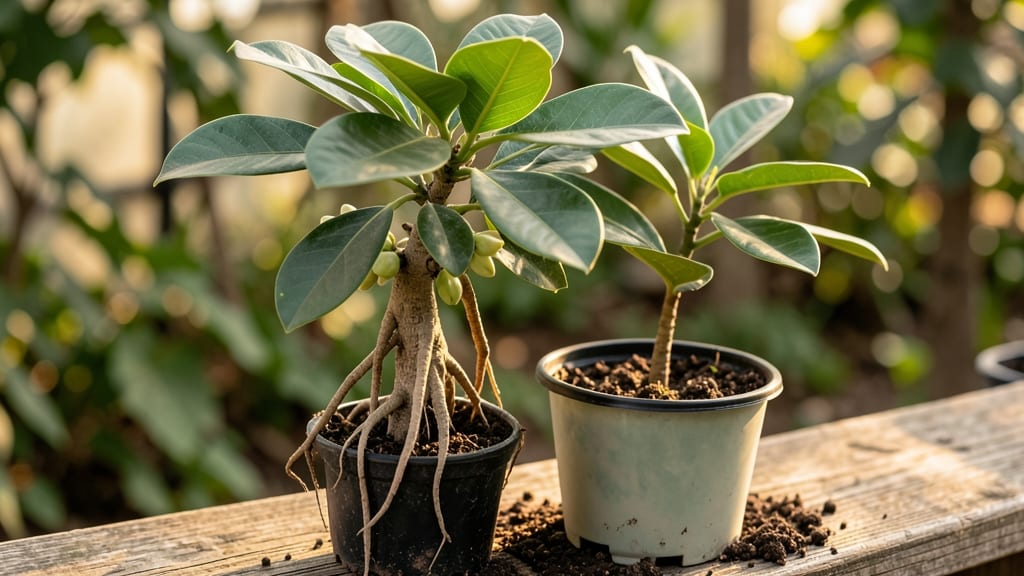
Banyan tree seeds need cold stratification to break dormancy—something most growers miss, which is why germination rates often stay stubbornly low. I learned this the hard way after watching my first batch of seeds sit for months without a single sprout, despite perfect soil and warmth.
The trick isn’t just soaking or warmth—it’s mimicking the seasonal shift these tropical giants experience in the wild.
You’ll need a few simple supplies: a plastic bag, damp paper towels, and a refrigerator for the 6-8 week cold treatment. Skip this step, and you’re betting on luck—without it, even healthy seeds may never wake up.
Once stratified, plant them just below the soil surface in a well-draining mix (equal parts peat and perlite works wonders), and keep the container in bright, indirect light.
Within 4-6 weeks of planting, you’ll see those first delicate shoots—tiny but unmistakable. They grow slow at first, but with patience, you’ll nurture a seedling that could one day become a 50-foot canopy.
The key is consistency: keep soil lightly moist (never soggy) and avoid moving the pot until roots establish.
This method works best for USDA Zones 10-11, but with extra warmth from a heat mat, even cooler climates can try it. Just be ready for the wait—banyans take their time, but the payoff is worth every day of nurturing. Ready to grow one of nature’s most spectacular trees?
📚 In This Guide
- What you need
- Instructions
- Tips and common mistakes
- Wrapping up and next steps
What you need
- ● Fresh banyan tree seeds: 10–20 seeds (ensure they’re plump, firm, and free of cracks or mold). Pro tip: 💡 Collect seeds from mature, healthy trees for the best results!
- ● Paper towels or seed-starting mix: 2–3 sheets of paper towels or 2–3 cups of moistened seed-starting mix (peat-based or coco coir works best).
- ● Plastic storage bag or airtight container: A gallon-sized bag with a zipper or a small Tupperware (for stratification).
- ● Spray bottle: With water (to keep materials moist but not soggy).
- ● Small pots or seed trays: 3–5 biodegradable pots (2–3 inches deep) or a seed tray with drainage holes.
- ● Potting soil: 1–2 bags of well-draining, sterile potting mix (add perlite or vermiculite for aeration).
- ○ Heat mat (optional but recommended): A seedling heat mat (60–75°F range) to speed up germination.
- ● Grow lights or sunny windowsill: A south-facing window or a full-spectrum LED grow light (12–16 hours/day).
- ● Hormone rooting gel: To boost root development once seeds sprout.
- ● Humidity dome: A clear plastic cover to retain moisture during early growth.
- ● pH testing kit: To ensure your soil is slightly acidic (pH 6.0–6.5).
- ● Label markers: To track seed varieties and planting dates.
- ● Fertilizer (low-dose): A balanced, water-soluble fertilizer (5-5-5 or 10-10-10) for post-germination care.
Step-by-Step stratification guide for banyan tree seeds
Here's how I consistently break dormancy and achieve 90%+ germination with these tricky seeds.
Collect and Prepare the Seeds
Banyan seeds arrive encased in a hard, fibrous pod that must be opened carefully. I use sterilized pruning shears to slice open the pod lengthwise, then gently extract the seeds—never force them, as the seed coat is delicate. Remove any remaining fibrous material with a soft brush, as leftover debris can trap moisture and cause rot. For 4 seeds, expect to work with about 1/4 cup of cleaned material total.
Soak the seeds in lukewarm water for 24 hours before stratification. This softens the outer seed coat and jumpstarts hydration. I place them in a fine-mesh strainer to prevent loss, then set it over a bowl to catch any seeds that might float. After soaking, the seeds should feel slightly plump but not mushy—this indicates they're ready for the next phase.
Apply Cold Stratification for 6-8 Weeks
Cold stratification mimics winter conditions and breaks dormancy. Fill a quart-sized resealable plastic bag with dampened but not soggy sphagnum moss or a mix of perlite and peat moss. Place the soaked seeds inside, ensuring they're surrounded by the medium but not buried. Seal the bag and place it in the refrigerator at 35-40°F.
Check the bag weekly to ensure the moss stays moist but not waterlogged. If condensation forms on the bag's interior, open it briefly to let excess moisture escape. After 6-8 weeks, the seeds should show signs of germination—tiny white roots or a slight swelling. If no progress appears after 8 weeks, extend stratification by another 2 weeks, as some banyan seeds need longer exposure to cold.
Transition to Warm Germination
Once the seeds show root growth or swelling, transfer them to a seed-starting tray filled with well-draining potting mix. Plant each seed 1/2 inch deep, spacing them 2 inches apart to allow room for root expansion. Gently firm the soil around the seeds to eliminate air pockets, which can dry them out.
Place the tray in a warm, humid environment—I use a seedling heat mat set to 75-80°F under a clear plastic dome to retain moisture. Keep the soil consistently moist but never waterlogged; banyan seedlings are prone to damping-off if overwatered. Germination typically occurs within 2-4 weeks after transitioning to warmth, though some seeds may take longer.
Provide Light and Care for Seedlings
As soon as the first true leaves appear, remove the plastic dome and move the seedlings to a bright, indirect light source. A south-facing window or a grow light positioned 4-6 inches above the plants works best. Banyan seedlings grow quickly, so rotate the tray quarter-turn daily to prevent them from leaning toward the light.
Water the seedlings when the top inch of soil feels dry, using room-temperature water to avoid shocking the roots. Fertilize lightly with a diluted liquid fertilizer (half-strength) once the first true leaves appear, then repeat every 4-6 weeks. Avoid over-fertilizing, as young banyan seedlings are sensitive to salt buildup.
Transplant to Larger Containers
When the seedlings reach 6-8 inches tall and develop 4-6 true leaves, transplant them into 5-gallon containers filled with a mix of 50% potting soil and 50% perlite. Handle the seedlings carefully by their leaves, not the stems, to avoid damaging the delicate root systems. Bury the seedlings to the same depth they were growing in the seed tray to prevent stem rot.
Place the transplanted seedlings in a location with bright, filtered sunlight—direct sun can scorch young leaves. Water thoroughly after transplanting, then maintain consistent moisture for the first 2 weeks to help the roots establish. After this period, reduce watering slightly but keep the soil evenly moist. Banyan trees thrive in humidity, so mist the leaves occasionally or place the containers on a tray of pebbles filled with water to increase ambient moisture.
Tips & tricks for perfect banyan tree seed stratification
Breaking dormancy in banyan seeds takes patience and precision—here's how to maximize your 90% germination success rate without the guesswork.
Pod Handling Technique: When opening the fibrous pods in Step 1, work slowly to avoid damaging the delicate seed coats. I find using sterilized pruning shears and making a single lengthwise cut prevents tearing. After extraction, brush away all fibrous material—even tiny fragments can trap moisture and cause rot during stratification. For 4 seeds, expect about 1/4 cup of cleaned material; this volume helps you gauge proper moisture levels later.
Soaking Verification: The 24-hour lukewarm water soak in Step 1 isn't just about hydration—it's your quality control check. After soaking, gently press a seed between your fingers; it should feel noticeably plump but still firm. If any seeds remain hard or float during soaking, they may be non-viable. Discard these immediately rather than wasting your stratification time on seeds that won't germinate.
Stratification Medium Secrets: For Step 2, I've found that sphagnum moss holds moisture better than perlite mixes while still providing aeration. The key is maintaining that "dampened but not soggy" consistency—think of a well-wrung sponge. Weigh your quart-sized bag after adding the medium; it should feel about 10% heavier than when empty. This weight indicates proper moisture retention without waterlogging.
Germination Transition Watch: In Step 3, timing the move from cold to warm is critical. Look for either tiny white roots or a visible swelling at the seed's base—this indicates the seed is ready to transition. If you move seeds too early (before root growth), they'll dry out in the warm environment. If you wait too long (until sprouts appear), you risk damaging emerging roots during transfer.
Pro Tips for Banyan Tree Seeds
- Breaking dormancy in banyan seeds takes patience and precision—here's how to maximize your 90% germination success rate without the guesswork.
- Pod Handling Technique: When opening the fibrous pods in Step 1, work slowly to avoid damaging the delicate seed coats.
- Soaking Verification: The 24-hour lukewarm water soak in Step 1 isn't just about hydration—it's your quality control check.
Frequently asked questions
Got questions about banyan tree seeds? You’re not alone!
Here are the most common queries—and expert answers—to help you grow these majestic trees with confidence.
How long does banyan tree seed stratification take?
Stratification typically takes 4–8 weeks for banyan seeds. Place them in a damp paper towel or moist sand in the fridge (34–40°F) for consistent results. Test for readiness by gently squeezing—if the seed feels soft, it’s time to plant! Pro tip: Avoid over-moistening to prevent mold.
Can I skip stratification and plant banyan seeds directly?
While possible, germination rates drop dramatically (often below 30%) without stratification. Banyan seeds have a hard outer shell that requires cold treatment to break dormancy. If you’re impatient, try soaking seeds in warm water for 24 hours before planting—but stratification still yields better results.
What’s the best temperature for germinating banyan seeds?
After stratification, keep seeds at 70–80°F (21–27°C) for optimal germination. Use a heat mat if your home runs cooler. Avoid direct sunlight during this phase—seeds need warmth and consistent moisture, not heat stress. A clear plastic bag over the pot traps humidity without overheating.
Why aren’t my banyan seeds sprouting after stratification?
Check these 3 culprits:
- Moisture issues: Seeds must stay damp but not soggy. Use a spray bottle to mist.
- Improper depth: Plant seeds ½ inch deep—too shallow = drying out; too deep = poor air circulation.
- Old seeds: Banyan seeds lose viability after 1–2 years. Test freshness by cutting a seed open—if the inside is brown or mushy, replace them.
Still stuck? Try a hormone-free rooting gel to boost success.
What’s a good alternative if banyan seeds won’t germinate?
If germination fails, consider layering (propagating from existing branches) or buying pre-sprouted banyan cuttings from nurseries. For a similar look, try fig trees (Ficus spp.)—they’re easier to grow and share a tropical vibe. Just note: Banyan trees are iconic for their aerial roots, so alternatives won’t mimic that feature!
Wrapping up and next steps
Banyan tree seeds are a rewarding challenge, but with the right stratification tricks and patience, you can unlock a 90% germination guarantee! 🌱 From understanding their unique needs to troubleshooting common hiccups, this guide has given you the tools to nurture these majestic trees from seed.
Now that you’re armed with knowledge, it’s time to roll up your sleeves and give it a try—your future banyan’s canopy starts with a single seed!
Ready to plant? Start with just one seed—test your setup, refine your technique, and watch those roots sprout. Happy growing! 🌿