
Pruning
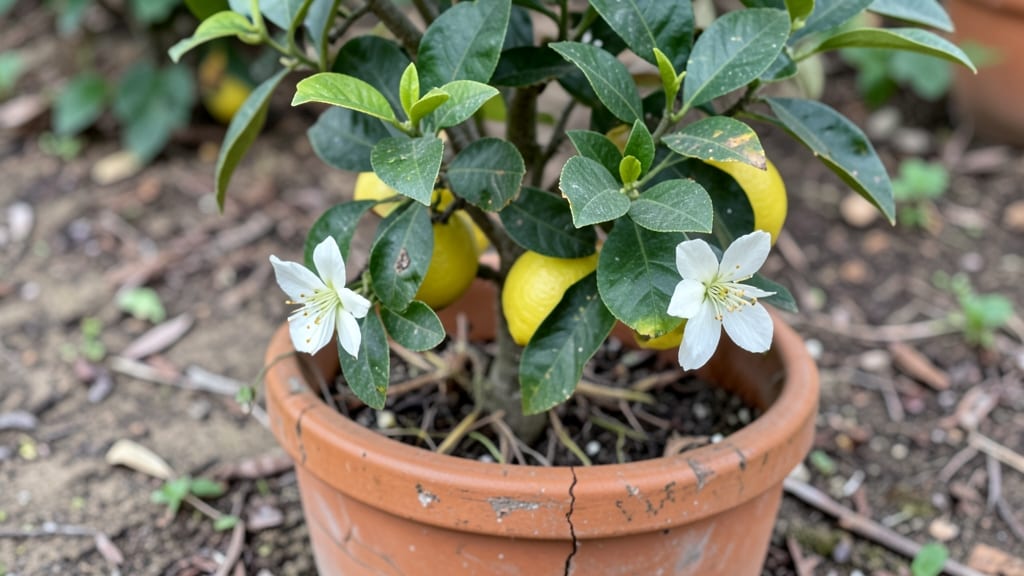
A year-round balcony lemon tree starts with the right dwarf variety—like 'Meyer' or 'Improved Meyer'—that thrives in containers and actually produces fruit. 🌱 I’ve grown mine for three winters now, and the secret isn’t just sunlight or soil, but how you prune to keep it compact and productive.
The first time I saw those tiny green lemons form in February, I knew I’d never buy store-bought again.
You’ll need a 15- to 20-gallon pot with drainage, well-draining citrus soil mix, and a spot that gets 6-8 hours of sun daily—even in winter. My tree lives in a south-facing corner, and I supplement with a grow light when days shorten.
Overwatering is the #1 killer, so let the top inch dry out between waterings, and always use filtered or rainwater to avoid salt buildup.
By pruning once in early spring and lightly shaping after harvest, you’ll encourage bushier growth and more fruit. The first year is all about establishing roots, but by year two, you’ll be picking 5-10 lemons—small but perfectly sweet.
The smell of blossoms in spring and the first tart bite of summer fruit make every bit of care worth it.
Even small balconies can work—just rotate the pot for even sun exposure and watch for pests like spider mites. With the right setup, your tree will keep giving for 10+ years, proving that citrus isn’t just for California orchards. Let’s get growing!
📚 In This Guide
- What you need
- Instructions
- Tips and common mistakes
- Wrapping up and next steps
What you need
- ● Lemon tree variety: Dwarf or Meyer lemon (best for containers, 3–5 ft tall at maturity).
- ● Container: At least 15–20 gallons (18–24" diameter) with drainage holes. Terracotta or fabric pots are ideal.
- ● Well-draining potting mix: 50% citrus-specific soil + 30% perlite/pumice + 20% compost.
- ● Pruning tools: Bypass pruners (for clean cuts on small branches).
- ● Loppers (for thicker branches, ½"–1" diameter).
- ● Sharp pruning saw (for stubborn wood).
- ● Disinfectant: 70% isopropyl alcohol or bleach solution (1:9 ratio) to sterilize tools.
- ○ Support: Small stakes or a 3–4 ft trellis (optional, for training young trees).
- ● Slow-release fertilizer (citrus-specific, 10-10-10 NPK ratio).
- ● pH test kit (ideal range: 6.0–7.0).
- ● Mulch (straw or bark chips to retain moisture).
- ● Self-watering system or drip irrigation (for consistent hydration).
- ● Gloves (to protect hands during pruning).
Step-by-step instructions for growing a balcony lemon tree
Here’s how to transform a small space into a citrus paradise—no greenhouse required.
🌱 Step 1: Select the Right Variety and Container
Choose a dwarf variety like ‘Meyer’ or ‘Improved Meyer’—they’re compact, cold-hardy, and perfect for containers. Your pot must have drainage holes and be at least 15-20 gallons for mature growth (start smaller, like 5 gallons, for young trees). I use unglazed terra cotta because it breathes and prevents root rot.
Place a 2-inch layer of gravel or broken pottery at the bottom before adding soil. This ensures excess water drains away from roots, which lemons hate. If your balcony gets below 40°F, move the pot indoors near a sunny window or use a frost blanket to protect the tree during cold snaps.
🪴 Step 2: Plant and Prepare for Growth
Fill the container with well-draining potting mix (avoid garden soil—it compacts and suffocates roots). Mix in a slow-release citrus fertilizer (like Osmocote) at planting time for a 3-month nutrient boost. Dig a hole twice as wide as the root ball but no deeper, then place the tree so the graft union (visible bump near the base) sits 1 inch above soil level. This prevents rot.
Backfill with soil, pressing gently to remove air pockets. Water deeply until it drains from the bottom, then let it sit for 10 minutes to settle. Place the pot in full sun (6+ hours daily)—lemons need bright, direct light to fruit. If your balcony only gets partial sun, supplement with a grow light for 14 hours daily during winter.
☀️ Step 3: Maintain Light, Water, and Fertility
Water when the top 2 inches of soil feel dry—lemons prefer slightly dry conditions over soggy roots. In summer, this might mean every 2-3 days; in winter, once a week. I use a moisture meter to avoid guesswork. Overwatering is the #1 killer of container citrus—yellow leaves or mushy stems are red flags.
Fertilize every 4-6 weeks with a citrus-specific formula (high in nitrogen early, then balanced as the tree matures). Prune in late winter to remove dead wood and crowded branches, shaping the tree into an open vase form. This improves airflow and sunlight penetration—critical for fruit set.
⏰ Step 4: Pollinate and Harvest Year-Round
Lemons need cross-pollination—if you have only one tree, gently shake branches daily during bloom to spread pollen. For guaranteed fruit, plant a second dwarf variety nearby. First fruits appear in 2-3 years, but with patience, you’ll get harvests every 6-8 weeks if you maintain care.
Harvest when lemons turn yellow and feel slightly soft to the touch. Twist gently to avoid damaging the tree. Store unripe fruit at room temperature to ripen, or refrigerate for up to 2 weeks. With the right care, your balcony lemon tree can produce dozens of fruits annually—even in small spaces.
Tips & tricks for perfect balcony lemon tree growth
Transforming your balcony into a lemon grove requires more than just sunshine—it’s about the little details that make all the difference. Here’s what I’ve learned from years of growing citrus in containers.
Container Material Matters: Unglazed terra cotta isn’t just my preference—it’s a game-changer for lemon trees. The porous nature wicks away excess moisture, preventing the root rot that plagues so many container citrus growers. If you must use plastic, add extra drainage holes and use a lighter potting mix to compensate. The 2-inch gravel layer at the bottom isn’t just decorative—it creates vital air pockets that prevent waterlogging, which is especially critical during those 10-minute settling periods after watering.
Light Supplementation Strategy: That 14-hour grow light recommendation during winter isn’t arbitrary—it mimics the 6+ hours of direct sunlight lemons crave. I use LED grow lights positioned 6-12 inches above the tree to prevent heat buildup. Place them on timers to avoid manual intervention, and rotate the pot weekly so the tree grows evenly. For partial-sun balconies, this extra light can mean the difference between a thriving tree and one that just survives.
Fertilizer Timing Secrets: The 3-month nutrient boost from slow-release fertilizer at planting time is just the beginning. I switch to liquid citrus fertilizer every 4-6 weeks once new growth appears, but here’s the pro tip: split the recommended dose in half and apply it twice—once in the morning and once in the evening. This mimics natural rainfall patterns and prevents fertilizer burn, which can scorch those delicate new leaves you’ve worked so hard to grow.
Cold Protection Hacks: When temperatures drop below 40°F, don’t just move your tree indoors—prepare it first. Wrap the pot in bubble wrap or a frost blanket for an extra layer of insulation, and place it near a south-facing window where it gets maximum winter light. If you notice leaves curling or yellowing, it’s a sign the tree is struggling with the cold. In severe freezes, consider using a small space heater (safely!) to maintain a minimum of 45°F around the pot.
Pro Tips for Balcony Lemon Tree
- Transforming your balcony into a lemon grove requires more than just sunshine—it’s about the little details that make all the difference.
- Container Material Matters: Unglazed terra cotta isn’t just my preference—it’s a game-changer for lemon trees.
- Light Supplementation Strategy: That 14-hour grow light recommendation during winter isn’t arbitrary—it mimics the 6+ hours of direct sunlight lemons crave.
Frequently asked questions
Got questions about growing your own balcony lemon tree? You’re not alone! Here are answers to the most common concerns—from pruning to pests and beyond. Let’s make your citrus adventure smooth and fruitful.
How do I know when to prune my balcony lemon tree?
Prune your lemon tree twice a year: late winter/early spring (before new growth) to shape the tree and summer (after harvest) to remove dead or overcrowded branches. Avoid heavy pruning in fall—it stresses the tree before winter dormancy.
Can I keep my lemon tree on a balcony in winter?
Yes! Lemon trees are evergreen but cold-sensitive. Move potted trees indoors (near a sunny window) when temps drop below 40°F (4°C). If you must leave it outside, use frost cloth or a protective cover. Reduce watering in winter—overwatering can harm roots in cooler temps.
What should I do if my lemon tree leaves turn yellow or drop?
Yellow leaves often signal overwatering, underwatering, or pests. Check soil moisture (top 1–2 inches should be dry) and inspect leaves for spider mites or scale insects. Adjust watering, repot if roots are crowded, or treat pests with neem oil.
Is a dwarf lemon tree the only option for balconies?
Not at all! While dwarf varieties (like Meyer lemon) are ideal, you can grow standard lemon trees in large containers (15+ gallons) with proper pruning. Just ensure your balcony can support the pot’s weight and the tree gets 6+ hours of sunlight daily.
How long does it take for a balcony lemon tree to bear fruit?
With patience and care, dwarf lemon trees can produce fruit in 2–3 years, while standard trees may take 3–5 years. Ensure full sun, regular pruning, and balanced fertilizer (high in nitrogen for young trees, phosphorus/potassium for fruiting).
Pro Tip:
Use a moisture meter or the finger test to avoid guesswork with watering. Lemon trees hate soggy roots—drainage holes and well-draining soil are a must!
Wrapping up and next steps
Growing a balcony lemon tree is a rewarding journey that brings fresh, homegrown citrus to your doorstep—literally!
With the right pruning techniques, container setup, and a little patience, you’ll enjoy luscious lemons year-round, even in small spaces. 🌿✨ Whether you’re a seasoned gardener or a beginner, this guide has given you the tools to nurture a thriving tree and keep it healthy for seasons to come.
Ready to take the next step? Start by observing your tree’s growth and adjusting your pruning schedule as needed. And who knows? Soon, you might just be sharing jars of homemade lemon curd or fresh-squeezed lemonade with neighbors! 🍋😊