
Pruning
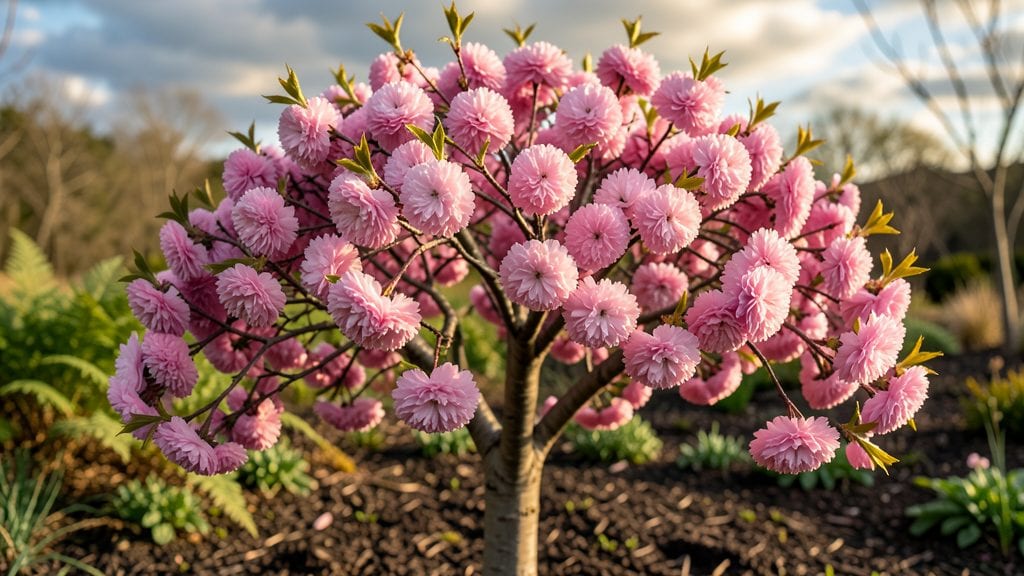
Pruning your willow cherry tree (Prunus × cistena) transforms it from a wild shrub into a showstopping landscape star—those frosty white blooms in spring and fiery fall foliage don’t happen by accident. 🌸 I’ve pruned mine every winter for five years, and the difference is night-and-day: thicker branches, more flowers, and a shape that actually complements the yard instead of looking like a neglected hedge.
The key is timing and technique—prune just after the last frost but before buds swell, using clean, sharp tools to avoid tearing bark. Most people overthink it, but this tree is forgiving: you can’t really mess up as long as you cut back to healthy wood.
I’ve even seen neglected willow cherries bounce back with just a few strategic cuts. The goal is to open up the center for airflow and sunlight, which keeps those blooms coming year after year.
What you’ll end up with is a tree that’s hardier than most, with blooms that survive late frosts and foliage that turns shades of orange and red when others are already brown. Neighbors will ask how you keep yours looking so perfect—and you’ll know it’s all in the pruning.
The best part? Once you get the rhythm, it takes less than 30 minutes a year to maintain.
Works in zones 3-8, handles urban pollution better than many trees, and thrives in full sun to partial shade. Whether you’ve got a formal garden or a wild backyard, this tree delivers drama with minimal effort. Let’s get those shears ready!
📚 In This Guide
- What you need
- Instructions
- Tips and common mistakes
- Wrapping up and next steps
What you need
- ● Pruning shears: Bypass pruners (sharp, 6–8" blades) for clean cuts on smaller branches.
- ● Loppers: 10–14" loppers for thicker branches (up to 2" diameter).
- ● Pruning saw: For branches thicker than 2" (avoid tearing—opt for a curved blade).
- ● Gloves: Heavy-duty gardening gloves (cut-resistant for safety).
- ● Disinfectant: 70% isopropyl alcohol or a 10% bleach solution (to sterilize tools between cuts).
- ● Rubbing alcohol or hand sanitizer: For cleaning tools mid-pruning.
- ○ Pruning sealant (optional but helpful): Tree wound sealant (for cuts larger than ½" to prevent disease).
- ● Ladder or step stool: If your tree is taller than 6–8 feet (prioritize safety!).
- ● Trash bags or bucket: For collecting pruned branches (compost or dispose responsibly).
- ● Notebook & pen: To track cuts and note growth patterns.
- ● Pole pruner: For high branches without a ladder.
- ● Extension cord & string trimmer: For removing large debris quickly.
- ● Bird netting: If birds are attracted to fresh cuts (temporarily protect young trees).
- ● Mulch: Shredded bark or wood chips to replenish soil after pruning.
- ● Safety goggles: To shield eyes from debris.
- ● Work apron: With pockets for tools and trash bags.
How to prune a willow cherry tree for healthy, frost-resistant blooms
Here's my go-to method for keeping your willow cherry tree vibrant and productive through every season.
✂️ Step 1: Prune in Late Winter or Early Spring
Timing matters most with willow cherry trees. I always prune 2-4 weeks before new growth begins—typically February to early March in most climates. This gives the tree time to heal before spring's energy surge. Avoid pruning in fall or winter when the tree is dormant; you risk exposing it to frost damage.
Look for bare branches or those with no buds. These are dead or dying and should be removed first. Use sharp bypass pruners to make clean cuts just above a bud or lateral branch—never leave stubs. Willow cherry trees respond well to pruning, so don't hesitate to remove up to 25% of the tree's total growth if needed.
🌿 Step 2: Remove Dead, Diseased, or Weak Branches First
Start by identifying branches that are dead, diseased, or crossing—these compete for energy and weaken the tree. Dead branches snap easily when bent; diseased ones may have blackened bark, oozing sap, or fungal growth. Cut these out completely at the branch collar (the swollen area where the branch meets the trunk).
Next, remove any water sprouts—those fast-growing, vertical shoots that pop up along the trunk or branches. These saplings steal nutrients from your tree. I also thin out crowded branches to improve airflow, which reduces fungal risks. Step back often to visualize the tree's shape—you're sculpting, not just cutting.
☀️ Step 3: Shape for Sunlight and Airflow
Willow cherry trees bloom best when they receive full sun (6+ hours daily). Prune to open the canopy by removing branches that block sunlight from reaching the interior. Aim for an open vase shape—this encourages more blooms and reduces humidity trapped inside the tree.
Focus on selective thinning rather than shearing. Cut back overcrowded branches to 1/3 of their length, always making cuts just above a healthy bud. Avoid "lion's tailing" (cutting back to a stub)—this stresses the tree. If a branch is too large for pruners, use a pruning saw and make the cut at a 45-degree angle to shed water.
⏰ Step 4: Light Pruning After Blooming
After the tree finishes flowering in late spring, do a quick check for any suckers, dead blooms, or overly long branches. Remove spent flowers to redirect energy into next year's blooms. This light pruning keeps the tree tidy and encourages new growth.
Watch for new shoots growing from the base or trunk—these are called "water sprouts" and should be pruned immediately. Never ignore them; they drain energy from your tree. If you notice any yellowing leaves or wilting branches, stop pruning and check for pests or disease before continuing.
🪴 Step 5: Clean Up and Monitor
After pruning, sterilize your tools with rubbing alcohol to prevent spreading disease. Collect and dispose of pruned branches—never leave them on the ground, as they can harbor pests. I also apply a layer of mulch (2-3 inches) around the base to retain moisture and protect roots.
Keep an eye on the tree in the weeks following pruning. Healthy willow cherry trees should show new leaf growth within 4-6 weeks. If you notice no new leaves or wilting, you may have over-pruned—give it time, but avoid further cuts until spring.
Tips & tricks for pruning willow cherry trees
Pruning your willow cherry tree right can mean the difference between a lush, frost-resistant beauty and a struggling underperformer. Here's what I've learned from years of shaping these resilient trees.
Timing is Everything: That 2-4 week window before new growth in late winter or early March is non-negotiable. I've seen trees pruned too early suffer frost damage when buds start swelling, and those pruned too late miss the entire growing season. Check your local frost dates—willow cherries need that healing time before spring's energy kickstarts. If you missed this window, wait until late spring after blooming, but expect fewer blooms that year.
Tool Prep Prevents Problems: Never skip sterilizing your pruners between cuts—especially when dealing with diseased branches. I keep a small bottle of rubbing alcohol in my tool bag and wipe between each cut on infected wood. Also, make sure your tools are sharp; dull blades crush branches instead of making clean cuts, which invites infection. A good pair of bypass pruners costs around $20 and lasts years—it's worth the investment.
Shape with Purpose: When creating that open vase shape in Step 3, think about sunlight pathways. I like to visualize light streaming through the canopy like sunlight filtering through leaves. Remove branches that grow inward or cross others—these compete for energy and create shaded, humid pockets where fungus thrives. The goal is to create a balanced silhouette where every branch gets equal access to sunlight and air circulation.
Mulch Matters: That 2-3 inch layer of mulch after pruning isn't just decorative—it's essential. I use a mix of wood chips and compost to retain moisture while protecting roots from temperature swings. Keep the mulch 2-3 inches away from the trunk to prevent rot. In colder climates, add an extra inch of mulch in fall to insulate roots through winter.
Pro Tips for Willow Cherry Tree
- Pruning your willow cherry tree right can mean the difference between a lush, frost-resistant beauty and a struggling underperformer.
- Timing is Everything: That 2-4 week window before new growth in late winter or early March is non-negotiable.
- Tool Prep Prevents Problems: Never skip sterilizing your pruners between cuts—especially when dealing with diseased branches.
Frequently asked questions
about pruning your willow cherry tree—because even frost-resistant blooms need a little TLC! Here are answers to the most common questions to keep your tree thriving.When is the best time to prune a willow cherry tree?
The ideal time is late winter or early spring (before buds break), but you can also prune lightly after flowering to shape the tree. Avoid heavy pruning in fall—it can stimulate new growth that’s vulnerable to frost. For frost-resistant varieties, a light trim in early spring ensures healthy blooms all season!
How do I protect my willow cherry tree from frost damage?
While willow cherries are frost-hardy, young trees or new growth can still suffer. Use burlap wraps or tree blankets in extreme cold, and avoid pruning too late in the season. Mulch the base with 3–4 inches of organic mulch (like wood chips) to insulate roots. Water deeply before the first frost to help roots withstand cold snaps!
Can I prune a willow cherry tree too much?
Yes! Over-pruning—removing more than 25% of the canopy at once—can stress the tree, reducing blooms and weakening its frost resistance. Stick to selective pruning: remove dead, crossing, or overcrowded branches first. For shaping, limit cuts to 10–15% per year to maintain its natural beauty and resilience.
What if my willow cherry tree isn’t blooming?
Lack of blooms often stems from over-pruning, poor sunlight, or nutrient deficiencies. Ensure it gets full sun (6+ hours daily) and prune only in late winter to preserve flower buds. Fertilize lightly in early spring with a balanced 10-10-10 formula if soil is poor. If the issue persists, check for pests or disease (like powdery mildew) and treat accordingly.
Are there frost-resistant alternatives to willow cherry trees?
If you love the look but want even more cold tolerance, consider:
- Amelanchier (Serviceberry) – Thrives in zones 3–9, with edible berries!
- Crabapple (Malus spp.) – Many varieties handle frost well (e.g., ‘Sargent’ crabapple).
- Japanese Quince (Chaenomeles) – Hardy to zone 4, with stunning spring blooms.
Wrapping up and next steps
Pruning your willow cherry tree is the secret to unlocking its stunning, frost-resistant blooms year after year! 🌸 With the right tools, timing, and techniques—like selective trimming and seasonal maintenance—you’ll keep this beauty thriving while minimizing stress on the tree.
Remember, patience and consistency are key, and soon you’ll be rewarded with a showstopping display of color and vitality.
Ready to take the next step? Mark your calendar for your next pruning session—whether it’s shaping in late winter or a light touch in early spring—and watch your willow cherry tree shine brighter than ever! 🌿✨