
Trees
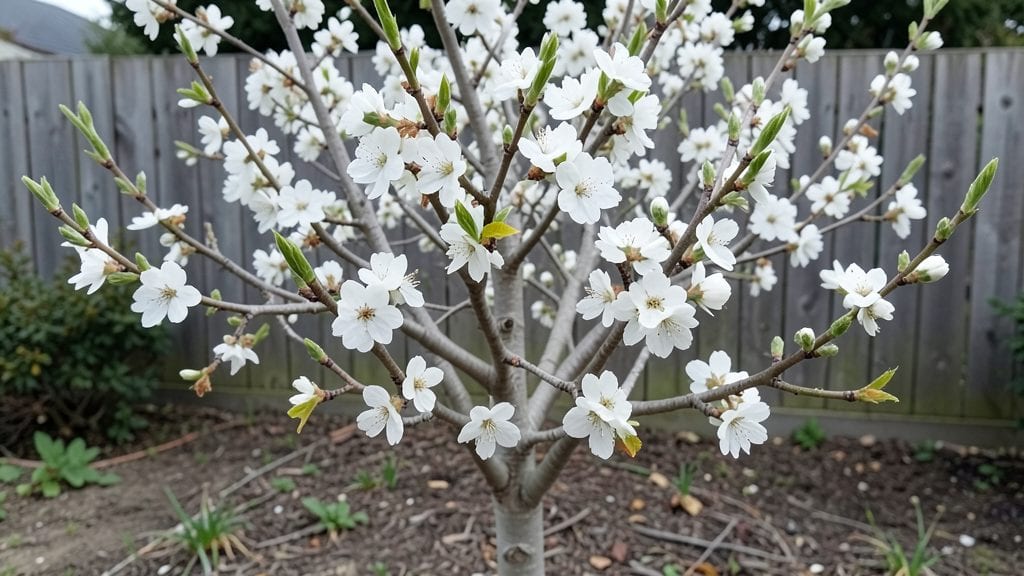
Planting a white flowering peach tree in the Pacific Northwest turns your yard into a hummingbird magnet from spring through fall. 🌸 I’ve watched mine transform from a bare branch to a cloud of blossoms that keeps birds visiting for months—no special tricks, just the right spot and a little patience.
The secret starts with soil that drains well (PNW’s wet winters are the real enemy) and a sunny location where it gets at least 6 hours of light daily. Most nurseries carry white-blossoming varieties like ‘Crimson Snow’ or ‘White Lady,’ which handle our cool summers better than traditional peaches.
Once planted, deep watering once a week—more in summer—keeps roots happy without drowning them.
By late spring, you’ll see those iconic white blooms followed by tiny peaches (edible but tart—great for jams). Prune in late winter to shape the tree and remove dead wood, and you’ll avoid the common issue of overcrowded branches.
The best part? Hummingbirds will hover nearby all season, turning your yard into a living postcard.
Works in zones 5-8, but even in cooler microclimates, these trees thrive with a little winter mulch. Let’s get yours growing!
📚 In This Guide
- What you need
- Instructions
- Tips and common mistakes
- Wrapping up and next steps
What you need
- ● White flowering peach tree: Choose a cold-hardy variety like Prunus persica 'White Cascade' or 'Bonanza' (zones 5-8). Buy a 1-3 gallon container-grown tree for best results.
- ● High-quality potting soil: 2-3 cubic feet of well-draining native PNW soil mix (or amend with compost for fertility).
- ● Organic mulch: 2-3 inches of wood chips or straw to retain moisture and regulate soil temperature.
- ● Fertilizer: A balanced 10-10-10 or 20-20-20 granular fertilizer (apply in early spring) or compost tea for organic growth.
- ○ Tree supports (optional but helpful): 1-2 tree stakes (4-6 ft tall) and soft tree ties to stabilize young trees.
- ● Shovel or spade: For digging a hole 2-3 times wider than the root ball.
- ● Garden gloves: Heavy-duty to protect hands while handling soil and roots.
- ● Pruning shears: Bypass pruners (sharp, 6-8 inch blades) for shaping and maintenance.
- ● Watering can or hose: With a gentle spray nozzle for post-planting hydration.
- ○ Mulch spreader (optional): To evenly distribute mulch around the base.
- ● Sunlight: A full-sun location (6+ hours/day)—PNW’s partial shade won’t cut it!
- ● Well-draining soil: Test for clay or waterlogged conditions; amend if needed.
- ● Spacious planting site: Minimum 15-20 feet of clearance for mature growth.
- ● Hummingbird-friendly zone: Ensure your area is free of pesticides to attract pollinators.
Step-by-step guide to planting and caring for a white flowering peach tree in the Pacific Northwest
Here’s how to establish a stunning, hummingbird-friendly white flowering peach tree that thrives in PNW’s mild, wet climate.
🌱 Step 1: Choose the Right Tree and Planting Site
Select a dwarf or semi-dwarf white flowering peach tree (like ‘Bonanza’ or ‘Springtime’) for easier care and better bloom visibility. These varieties handle the PNW’s cooler summers and occasional rain better than full-size trees. Look for a sunny, sheltered spot—at least 6 hours of direct sun daily—protected from strong coastal winds that can damage blossoms.
Test your soil’s drainage by digging a 12-inch hole—if water pools after 10 minutes, amend with 2 inches of compost mixed into the bottom third of the hole. The PNW’s acidic soils often need a boost, so add 1 pound of garden lime to raise pH slightly. This prevents iron chlorosis, which turns leaves yellow even when roots drown.
🪴 Step 2: Plant at the Correct Depth and Water Thoroughly
Set the tree so the graft union (the bulge near the base) sits 2 inches above soil level. Backfill with native soil mixed with the 1 pound of compost you set aside earlier. Tap the soil gently to remove air pockets, then water deeply—10 gallons total—until moisture reaches 18 inches down. You’ll know it’s right when the soil feels damp like a wrung-out sponge.
Mulch the base with 3 inches of wood chips, keeping mulch 6 inches away from the trunk to prevent rot. In the PNW, mulch helps insulate roots from winter’s chill and summer’s rare heatwaves. Water 2-3 times weekly for the first month, checking that the top 6 inches of soil stay consistently moist—not soggy, not bone-dry.
☀️ Step 3: Prune for Strong Blooms and Hummingbird Appeal
Prune in late winter (February) before buds swell, removing dead, crossing, or inward-growing branches. Cut just outside the branch collar (the swollen area where the branch meets the trunk) with clean, sharp pruners. Aim to open the tree’s center to sunlight and airflow—this prevents fungal diseases like peach leaf curl, which thrives in the PNW’s damp springs.
After flowering (May-June), trim any suckers (shoots growing from the base) immediately—they sap energy from your tree. Leave 3-4 strong branches per scaffold to encourage robust blooms. Hummingbirds love the abundant white flowers, so avoid heavy pruning in summer, which reduces next year’s blossoms.
💧 Step 4: Feed and Protect for Year-Round Health
Apply ½ pound of 10-10-10 fertilizer in early spring (March) when new leaves emerge. Scatter it 6 inches from the trunk and water it in. In the PNW, trees often need a second light feeding in July with ¼ pound of 5-10-10 to support late-season growth. Avoid high-nitrogen fertilizers—they boost leaves over flowers, which hummingbirds rely on.
Watch for peach tree borers (common in PNW orchards) by checking for sawdust-like frass near the trunk. Wrap the base with aluminum foil in early spring to deter them. Spray blossoms with neem oil (mixed 1 tbsp per gallon of water) in early April to protect flowers from fungal diseases without harming pollinators.
⏰ Step 5: Prepare for Winter and Encourage Repeat Blooms
In November, wrap the tree’s trunk with burlap to protect it from frost cracks. The PNW’s mild winters rarely kill peach trees, but sudden freezes can damage blossoms. Prune lightly in late winter to remove any winter-killed branches—you’ll spot them by their dark, mushy wood.
To encourage repeat blooms, avoid heavy summer pruning. Instead, thin fruit sparingly (if any forms) to redirect energy to flowers. Hummingbirds will return yearly if you keep the tree healthy—white flowers mean nectar, and they’ll remember your yard as a reliable stopover.
Tips & tricks for perfect white flowering peach tree planting in the PNW
These practical tips will help you establish a thriving white flowering peach tree that hummingbirds can't resist—especially in the Pacific Northwest's unique climate.
The Sunlight Factor: That 6 hours of direct sun requirement is non-negotiable for white flowering peach trees in the PNW. If your yard only gets partial sun, consider planting near a south-facing wall or fence that reflects sunlight. I've seen trees in east-west oriented yards struggle—even with 6 hours, they need morning sun to dry dew quickly and prevent fungal issues.
Soil Test Wisdom: Before planting, grab a handful of your native soil and squeeze it—if it stays in a tight ball when you release pressure, it's too clay-heavy. The PNW's acidic soils often need that 1 pound of garden lime to prevent iron chlorosis, but test your soil first! Many local extension offices offer free or low-cost soil tests. I learned this the hard way when my first tree's leaves turned yellow despite proper watering.
Watering Secret: When you're checking that top 6 inches of soil for moisture, stick your finger in—it should feel like a wrung-out sponge. If it's dry, water deeply until it reaches 18 inches down. In the PNW's rainy climate, overwatering is almost as bad as underwatering. I set a timer for my first month of watering to ensure consistency—2-3 times weekly is crucial for root establishment.
Pruning Pro Tip: For that late winter pruning in February, make your cuts just outside the branch collar where the branch meets the trunk. This helps prevent disease entry points. I mark my pruning spots with a pencil first—it's amazing how different the tree looks when you visualize where branches will go before you cut. And remember, those 3-4 strong branches per scaffold are your goal for maximum bloom production.
Pro Tips for White Flowering Peach Tree
- These practical tips will help you establish a thriving white flowering peach tree that hummingbirds can't resist—especially in the Pacific Northwest's unique climate.
- The Sunlight Factor: That 6 hours of direct sun requirement is non-negotiable for white flowering peach trees in the PNW.
- Soil Test Wisdom: Before planting, grab a handful of your native soil and squeeze it—if it stays in a tight ball when you release pressure, it's too clay-heavy.
Frequently asked questions
Got questions about growing a stunning white flowering peach tree in the Pacific Northwest? We’ve got answers!
Whether you’re curious about timing, care, or troubleshooting, here’s what you need to know to keep your tree thriving and hummingbirds buzzing.
When is the best time to plant a white flowering peach tree in the PNW?
The ideal time is early spring or fall—when soil temperatures are cool but not frozen. Planting in spring (March–April) gives roots time to establish before summer heat, while fall (September–October) avoids winter stress. Avoid planting in extreme heat or cold. Pro tip: Amend soil with compost for better drainage—PNW clay can be tricky!
Can white flowering peach trees survive PNW winters?
Yes! Choose cold-hardy varieties like ‘White Cascade’ or ‘Springtime’ (zones 5–8). Mulch heavily around the base (3–4 inches) to insulate roots, and water deeply before the ground freezes. Young trees may need winter wraps for extra protection. Pro tip: Prune damaged branches in early spring—never in winter!
Why aren’t hummingbirds visiting my tree’s flowers?
Hummingbirds love white peach blossoms, but they need accessible nectar. Ensure flowers are healthy (no pesticides!) and plant companion flowers like fuchsia or columbine nearby. If blooms fade quickly, try fertilizing lightly in early spring. Pro tip: A shallow birdbath nearby can also attract them!
What’s a good alternative if peach trees struggle in my microclimate?
Consider Prunus ‘Kwanzan’ cherry (white flowers, similar care) or Crabapple ‘Radiant’ (disease-resistant, pollinator-friendly). Both thrive in PNW conditions and offer year-round interest. For edible options, try apricot trees—they’re hardier than peaches!
My peach tree leaves are yellowing—what’s wrong?
Yellow leaves often signal overwatering, nutrient deficiency, or fungal issues (like peach leaf curl). Check soil moisture—PNW’s damp winters can cause root rot. Apply a balanced fertilizer in early spring and prune for airflow. Pro tip: Spray copper fungicide before buds swell to prevent leaf curl!
Still stumped? Tag us on social media—we’re happy to help your tree (and hummingbirds!) thrive!
Wrapping up and next steps
Growing a white flowering peach tree in the Pacific Northwest isn’t just about adding beauty—it’s about creating a thriving ecosystem that hummingbirds will adore year-round! 🌸 From selecting the right variety to providing proper care, you’ve got everything you need to turn your garden into a vibrant haven.
With patience and attention to detail, your tree will reward you with stunning blooms, delicious fruit, and a symphony of hummingbird visits.
Ready to take the next step? Plant your tree this season and watch your garden transform into a lively, pollinator-friendly paradise. Happy gardening! 🌱