
Trees
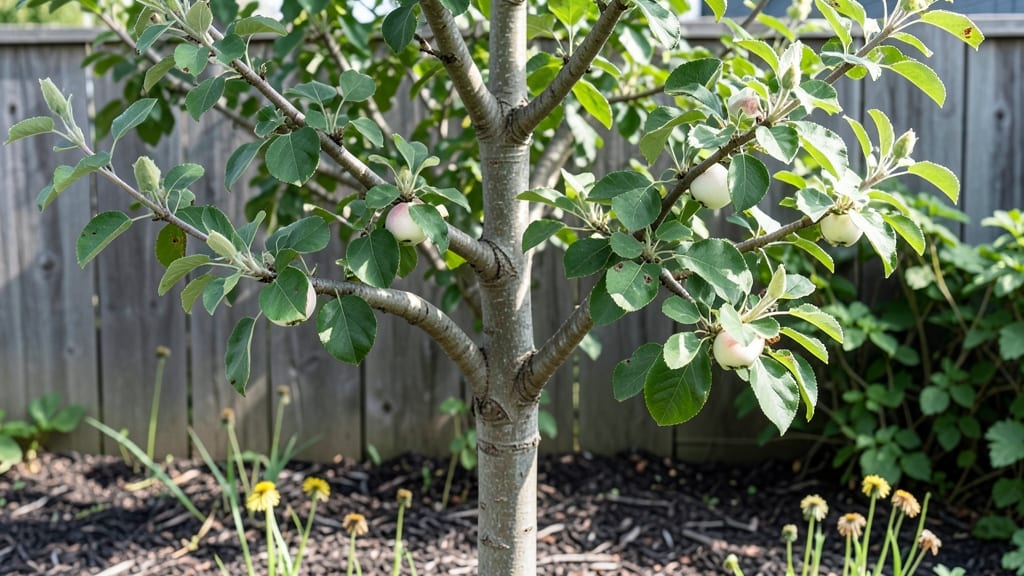
The white apple tree's delicate blossoms and crisp fruit are exactly what Pacific Northwest gardens need to thrive despite the chill. I planted mine after years of struggling with blackened buds—until I found varieties like 'White Angel' that actually want the cool nights.
Those pale pink blossoms in spring transform any yard, and the fruit stays crisp even after frost.
You’ll need well-draining soil with a pH of 6.0-6.5, a sunny spot with at least 6 hours of light daily, and patience—these trees take 3-4 years to bear fruit but reward you with disease-resistant apples.
The key is winter protection: wrap young trunks in burlap and mulch heavily to prevent frost cracks. Once established, they handle our region’s damp winters like pros.
📚 In This Guide
- What you need
- Instructions
- Tips and common mistakes
- Wrapping up and next steps
What you need
- ● White apple tree sapling: Choose a frost-resistant variety like 'White Winter Pearmain' or 'White Transparent' (1-3 trees for pollination).
- ● Well-draining soil: Mix 60% topsoil, 30% compost, and 10% perlite/sand (1-2 cubic yards per tree).
- ● Garden space: Full sun (6+ hours/day) in a spacious area (20’ x 20’) with 6-8 feet of clearance for mature height.
- ● Organic mulch: 3-4 inches of wood chips or straw (10-15 sq ft per tree).
- ● Watering system: Drip irrigation or soaker hose (50+ ft length) + water storage (5+ gallons).
- ● Fertilizer: Balanced 10-10-10 or organic options (1 lb per tree, applied 2x/year).
- ● Pruning tools: Bypass pruners, loppers, and sharp saw (for larger branches).
- ● Tree supports: 3-4 stakes + strong twine (for young saplings).
- ● Soil pH test kit (ideal range: 6.0-6.5).
- ● Tree guard or frost cloth (for young trees in early spring/fall).
- ● Compost bin (to recycle yard waste for future mulch).
- ● Pest deterrents: Neem oil or copper tape (for codling moths/apple maggots).
- ● Grafting tools (if propagating from cuttings).
- ● Wheelbarrow or bucket (for soil/mulch transport).
- ● Gloves & knee pads (because comfort matters!).
Step-by-step instructions for planting and cultivating a frost-resistant white apple tree
Here’s how to establish a hardy white apple tree that thrives in the Pacific Northwest’s cooler climate.
Select and Prepare the Planting Site
Choose a location with full sun exposure—at least 6-8 hours of direct sunlight daily—and well-draining soil. White apple trees thrive in slightly acidic to neutral soil with a pH between 6.0 and 7.0. If your soil is heavy clay, amend it with 3-4 inches of compost mixed into the top 12 inches of soil to improve drainage and fertility. Avoid low-lying areas where cold air settles, as frost pockets can damage young trees.
Dig a hole twice as wide as the root ball but no deeper. Loosen the sides of the hole to encourage root spread. If planting in fall, wait until 4-6 weeks before the first expected frost to allow roots to establish before winter. For spring planting, do it as soon as the ground is workable—typically 2-3 weeks before the last frost date in your area.
Plant the Tree with Proper Spacing and Support
Remove the tree from its container and gently loosen the roots if they’re circling. Position the tree so the graft union (the bump where the scion was attached) sits 2-3 inches above the finished soil line. This prevents the union from being buried, which can lead to disease or poor growth. Place the tree in the hole and backfill with the native soil, tamping lightly to remove air pockets.
For the Pacific Northwest’s windy conditions, install a stake or support system immediately after planting. Use two stakes driven 12-18 inches into the ground on opposite sides of the tree, about 6 inches from the trunk. Secure the tree with soft tree ties (not wire) to allow for trunk growth. Space the tree 15-20 feet apart from other fruit trees to ensure adequate airflow and sunlight penetration.
Water Deeply and Mulch for Winter Protection
Water the tree deeply—about 10-15 gallons—immediately after planting to settle the soil and encourage root contact. Continue watering once a week for the first month, then every 10-14 days during the growing season, providing 1-2 inches of water per week. In the Pacific Northwest’s rainy climate, avoid overwatering, as soggy soil can suffocate roots. Use a 3-4 inch layer of organic mulch (such as wood chips or straw) around the base, keeping it 6 inches away from the trunk to prevent rot.
For frost resistance, apply a thick layer of mulch in late fall, extending it 2-3 feet beyond the drip line of the tree. This insulates the roots and protects against temperature fluctuations. In the first winter, consider wrapping the trunk with burlap or tree guard to shield it from harsh winds and frost cracks. Remove the wrap in early spring once new growth begins.
Prune and Fertilize for Healthy Growth
Prune the tree in late winter or early spring before buds break. Remove any dead, diseased, or crossing branches, as well as suckers (shoots growing from the base or rootstock). Open the center of the tree to improve airflow and sunlight penetration, which reduces the risk of fungal diseases like apple scab. Aim to maintain a vase-like shape with a strong central leader. Use clean, sharp pruners and make cuts just outside the branch collar to promote healing.
Fertilize in early spring with a balanced, slow-release fertilizer (such as 10-10-10) applied 6-8 inches away from the trunk. Follow the package instructions for dosage—typically 1 pound per inch of trunk diameter. Avoid high-nitrogen fertilizers late in the season, as they encourage tender growth that’s susceptible to frost damage. In the Pacific Northwest, where soil nutrients can be leached by winter rains, a second application in mid-summer can support fruit development.
Monitor for Pests and Diseases Year-Round
Inspect the tree weekly for signs of aphids, codling moths, or apple scab, common issues in Pacific Northwest orchards. Early detection is key—treat aphids with a strong spray of water or neem oil, and apply organic fungicides (like copper spray) preventatively in spring if apple scab is a recurring problem. For codling moths, use pheromone traps or kaolin clay as a physical barrier to deter egg-laying.
Thin fruit in late spring when apples are golf-ball sized to improve size and quality. Remove 1-2 apples per cluster, focusing on the largest, healthiest fruit. This reduces competition for nutrients and encourages stronger growth. Harvest white apples when they’re fully colored and slightly soft to the touch, typically in late summer to early fall, depending on the variety and your local climate.
Tips & tricks for perfect white apple tree cultivation
Here's what I've learned from years of growing white apple trees in the Pacific Northwest—these tricks will help you avoid common pitfalls and set your tree up for long-term success.
Site Selection is Everything: When choosing your planting location, pay special attention to microclimates. The Pacific Northwest's coastal areas can be significantly warmer than inland valleys, so test your site for at least 24 hours of sunlight exposure before planting. I've seen trees planted in "full sun" spots that only received 4-5 hours of direct sunlight due to neighboring buildings or trees. Use a sun calculator app to verify your location gets the required 6-8 hours of sunlight, especially if you're planting near tall structures or dense foliage.
Root Preparation Matters: Before planting, soak the root ball in water for 1-2 hours to ensure it's thoroughly hydrated. This helps prevent transplant shock, which is especially critical for young trees. When loosening circling roots in Step 2, be gentle—you're not trying to prune, just encourage outward growth. I've made the mistake of being too aggressive with root pruning, which actually stresses the tree more than circling roots would have.
Staking Strategy for Windy Conditions: In the Pacific Northwest's windy climate, proper staking is non-negotiable. Use two stakes positioned at a 45-degree angle to the tree trunk, not parallel. This creates a more stable triangle of support. I recommend using bamboo stakes—they're strong enough to handle our winds but flexible enough to allow some trunk movement, which actually strengthens the tree over time. The soft tree ties should be loose enough to allow for trunk growth while still providing stability.
Watering Wisdom: The first month is critical for root establishment, but don't rely solely on the weekly watering schedule. In our rainy climate, you might need to supplement with additional watering during dry spells. I've found that watering deeply every 5-7 days with 10-15 gallons is more effective than frequent light watering. Use a moisture meter to check soil moisture—aim for consistently moist but not soggy soil. The 2-inch water measurement should be a guideline, not a strict rule, especially during our unpredictable Pacific Northwest weather patterns.
Pro Tips for White Apple Tree
- Here's what I've learned from years of growing white apple trees in the Pacific Northwest—these tricks will help you avoid common pitfalls and set your tree up for long-term success.
- Site Selection is Everything: When choosing your planting location, pay special attention to microclimates.
- Root Preparation Matters: Before planting, soak the root ball in water for 1-2 hours to ensure it's thoroughly hydrated.
Frequently asked questions
1. How cold-hardy are white apple trees, and can they survive PNW winters?
White apple trees (like the Malus 'White Angel') are bred for resilience and typically handle USDA Zones 4–8. In the PNW, they thrive in frost-prone areas thanks to their late-blooming flowers (which avoid spring freezes) and sturdy bark. Mulch heavily in winter and plant in south-facing spots to maximize sunlight and warmth.
2. When should I plant a white apple tree in the Pacific Northwest?
For best results, plant bare-root trees in late fall or early spring (October–March). This gives roots time to establish before summer heat or winter frost. Avoid planting in waterlogged soil or during extreme temperature swings. PNW’s mild, wet winters make fall ideal—just ensure the ground isn’t frozen!
3. How much space does a white apple tree need, and what’s the best soil type?
Space trees 15–20 feet apart for optimal airflow and sunlight. They prefer well-draining, slightly acidic soil (pH 6.0–6.5). Amend heavy clay with compost or sand, and avoid low-lying areas where frost or water pools. A raised bed can help in soggy PNW soils.
4. What’s the best way to prune a white apple tree to encourage fruit production?
Prune in late winter or early spring (before buds swell) to remove dead, crossing, or crowded branches. Aim for an open-center shape to improve airflow and sunlight penetration. Thin out 30–50% of the canopy in young trees to redirect energy to fruit-bearing branches.
5. Do white apple trees need cross-pollination, and what are good PNW pollinator partners?
Yes! While some varieties are self-pollinating, fruit set improves with pollinators. Plant a compatible variety within 50 feet, like 'Gala' or 'Fuji'. PNW-friendly pollinators include bees, butterflies, and even hummingbirds—so add native flowers nearby to attract them!
6. What pests or diseases should I watch for in white apple trees?
Common PNW threats include apple maggots, codling moths, and fungal diseases (like powdery mildew). Use neem oil or insecticidal soap for pests, and prune for airflow to prevent mildew. Monitor for aphids or mites on new growth—hose them off early to avoid infestations.
Wrapping up and next steps
Growing a white apple tree in the Pacific Northwest is not just possible—it’s a rewarding journey that brings beauty, fresh fruit, and a touch of rustic charm to your landscape. 🌳 With the right frost-resistant variety, proper care, and a little patience, you’ll enjoy a thriving tree that stands up to the region’s unique climate.
Whether you’re a seasoned gardener or just starting, every step you take brings you closer to that first harvest of crisp, homegrown apples!
Ready to take the next step? Start by selecting your variety—like the White Winter Pearmain or White Transparent—then mark your calendar for planting in early spring or fall. Before you know it, your backyard will be the talk of the neighborhood! 🍏✨