
Diseases
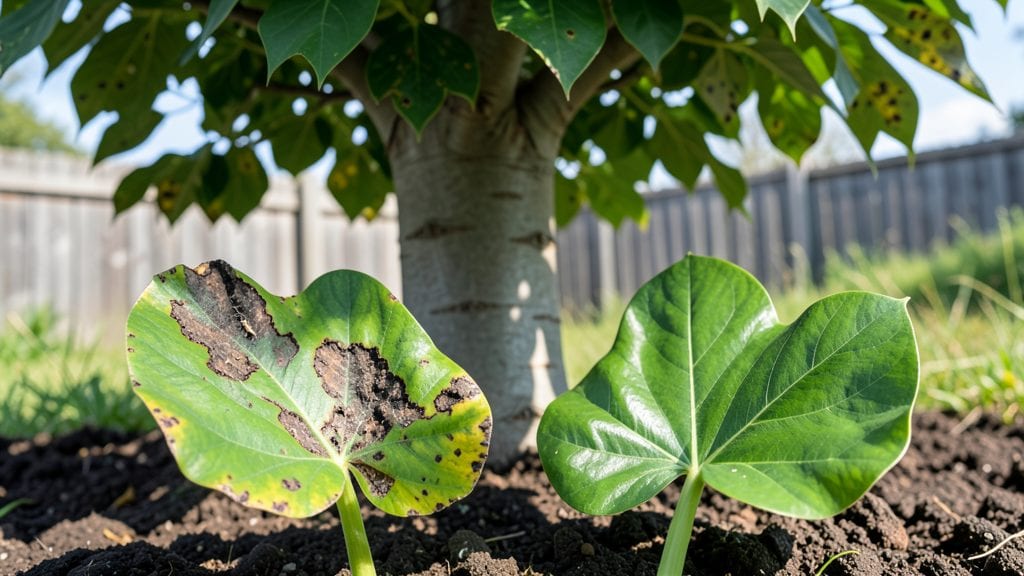
When your tulip tree’s leaves start sporting dark, sunken spots or a fuzzy white coating, you’re staring down a fungal foe—tulip tree diseases like anthracnose or powdery mildew. I’ve seen these blights turn a healthy canopy into a sad, spotted mess, but the good news?
Most can be stopped with the right moves. The key is catching them early, when the damage is still small and the tree has a fighting chance.
Start by checking the leaves for telltale signs: dark brown spots with yellow halos for anthracnose, or a powdery white film for mildew. Prune infected branches immediately—sterilize your tools with rubbing alcohol to avoid spreading spores.
For organic treatment, a mix of baking soda, water, and a drop of dish soap sprayed on the leaves every 7–10 days works wonders. If the infection spreads fast, a fungicide like neem oil or copper soap can be your secret weapon.
📚 In This Guide
- What you need
- Instructions
- Tips and common mistakes
- Wrapping up and next steps
What you need
- ● Diagnostic Tools: Hand lens or magnifying glass (10x magnification)
- ● Digital camera (for documenting symptoms)
- ● pH testing kit (for soil analysis)
- ● Safety Gear: Nitrile gloves (2 pairs, medium/large)
- ● Dust mask (N95 rating or higher)
- ● Long-sleeved shirt and pants (lightweight, breathable fabric)
- ● Treatment Supplies: Fungicide (copper-based or systemic, e.g., Propiconazole or Myclobutanil – follow label rates)
- ● Pruning shears (sterilized with 70% isopropyl alcohol)
- ● Shovel or spade (for soil treatment)
- ● Hose with adjustable nozzle (for rinsing tools/shoes)
- ● Soil moisture meter (to monitor irrigation needs)
- ● Compost or mulch (for improving soil health)
- ● Tree wound dressing (for pruning cuts, e.g., Tanglefoot)
- ● Label markers (to track treated areas)
- ● Reference guide (e.g., University Extension Service plant disease charts)
How to identify and treat tulip tree fungal diseases
Spotting problems early saves your tree—here’s how to recognize and stop the most common fungal threats.
Inspect for Early Signs of Leaf Spot or Anthracnose
Start by examining the upper and lower surfaces of leaves for dark brown or black spots with yellow halos. These are classic signs of leaf spot or anthracnose, two of the most aggressive tulip tree diseases. I check leaves in early spring and after rain showers, as moisture triggers fungal spores to activate. Look for spots that appear greasy or have a velvety texture—this indicates active fungal growth rather than environmental damage.
Don’t wait until leaves yellow or drop entirely. By then, the disease has already weakened the tree’s canopy. Instead, focus on leaves with less than 50% damage—these can still be treated. If you see spots on young, tender leaves, that’s your signal to act immediately. Use a 10x magnifying glass (if available) to confirm the presence of fungal spores, which often appear as tiny black dots within the lesions.
Confirm Canker or Target Spot with Bark and Stem Checks
Move to the trunk and larger branches to check for cankers—sunken, discolored areas that may ooze sap or have cracked bark. These often indicate target spot, a fungal disease that attacks both leaves and woody tissue. Run your fingers along the bark to feel for rough, sunken patches. Healthy bark feels smooth and slightly rough like sandpaper, while infected bark feels uneven or spongy.
If you spot target spot on leaves, look for concentric rings of dark brown and light brown or yellow tissue—hence the name. This disease thrives in wet conditions, so check branches after prolonged rain. Prune any infected branches 6 inches below the visible lesion using sterilized pruners (wipe blades with rubbing alcohol between cuts). Bag and dispose of the infected wood immediately to prevent spore spread.
Treat with Fungicides and Improve Airflow
Once you’ve confirmed a fungal infection, apply a copper-based fungicide (like copper sulfate or copper hydroxide) during the dormant season (late fall or early spring) to prevent spore germination. Follow label instructions for concentration—typically 1-2 tablespoons per gallon of water. Reapply every 2-4 weeks during wet seasons or after heavy rains. I’ve found that early morning applications work best because the fungicide has all day to dry before evening moisture reactivates spores.
Improve airflow around the tree by thinning dense branches and removing nearby vegetation that blocks sunlight. Fungal spores thrive in shaded, humid conditions. Water at the base of the tree rather than overhead to keep leaves dry. If your tree is in a low-lying area where water pools, consider raising the soil level or installing a French drain to redirect moisture away from the roots.
Monitor for Powdery Mildew and Adjust Care
Powdery mildew appears as a white, powdery coating on leaves, often on the undersides. Unlike other fungal diseases, it doesn’t require wet conditions—it thrives in shady, humid environments. Scrape a small area of the coating with your fingernail. If it comes off easily and leaves a dry, papery surface, it’s powdery mildew. This disease spreads rapidly, so isolate infected branches immediately and treat with a sulfur-based fungicide or neem oil solution (1 tablespoon per quart of water).
To prevent recurrence, prune for sunlight exposure—even if it means sacrificing some foliage. Powdery mildew loves shaded canopies, so aim for at least 6 hours of direct sunlight daily. Avoid overhead watering entirely during mildew outbreaks. Instead, use a soaker hose at the base to keep leaves dry. If the tree is in a container, move it to a sunnier spot or increase airflow with a small fan on low settings.
Prevent Future Outbreaks with Cultural Practices
Healthy trees resist disease better. Start by testing soil pH—tulip trees prefer slightly acidic to neutral soil (pH 6.0-7.0). If your soil is too alkaline, amend it with sulfur or peat moss to lower pH gradually. Overwatering stresses roots, making them vulnerable to fungal infections, so water deeply but infrequently—aim for 1-1.5 inches per week, including rainfall. Let the top 2-3 inches of soil dry out between waterings to encourage strong root growth.
Finally, sanitize pruning tools before and after each use, even if you’re only trimming healthy branches. Fungal spores can linger on blades for months. Store tools in a dry, shaded area to prevent rust and contamination. I keep a small bottle of rubbing alcohol in my tool shed for quick disinfections. By combining fungicide treatments with these preventive steps, you’ll give your tulip tree the best chance to stay disease-free year after year.
Tips & tricks for diagnosing and treating tulip tree fungal diseases
Early detection is your best defense—these practical tips will help you spot problems before they spread and treat them effectively.
Timing is Everything: In Step 1, when you're checking for leaf spot or anthracnose, focus on early spring and after rain showers—these are peak times for fungal spores to activate. I've learned the hard way that waiting until leaves yellow or drop means the disease has already weakened your tree's canopy. The key is to act when you see spots on less than 50% of the leaf surface, before the damage becomes irreversible. Don't forget to check both the upper and lower surfaces of leaves, as spores often start on the undersides where moisture lingers.
Visual Cues for Accurate Diagnosis: When examining bark in Step 2, run your fingers along the trunk to feel for rough, sunken patches that indicate cankers. Healthy bark should feel smooth with just a slight roughness, like sandpaper. For target spot identification, look for those distinctive concentric rings of dark and light brown tissue—it's like a bullseye pattern on the leaves. In Step 4, when checking for powdery mildew, scrape a small area with your fingernail. If it leaves a dry, papery surface, you've confirmed the mildew. These visual cues save time and help you treat the right disease.
Application Strategy for Fungicides: In Step 3, when applying copper-based fungicides, early morning applications are crucial. The fungicide needs all day to dry before evening moisture reactivates spores. I've found that mixing 1-2 tablespoons per gallon of water works best, but always follow the specific label instructions. For powdery mildew in Step 4, you can use either sulfur-based fungicides or neem oil solution—both work well, but neem oil has the added benefit of being less harsh on beneficial insects when used as directed.
Preventive Maintenance: The cultural practices in Step 5 are where you'll see the biggest long-term results. Testing your soil pH is essential—tulip trees thrive in slightly acidic to neutral soil (pH 6.0-7.0). If your soil is too alkaline, amend it gradually with sulfur or peat moss. And remember, watering at the base rather than overhead is a game-changer for preventing fungal spread. I've seen trees recover completely when proper watering techniques were implemented, even after severe infections.
Pro Tips for Tulip Tree Diseases
- Early detection is your best defense—these practical tips will help you spot problems before they spread and treat them effectively.
- Timing is Everything: In Step 1, when you're checking for leaf spot or anthracnose, focus on early spring and after rain showers—these are peak times for fungal spores to activate.
- Visual Cues for Accurate Diagnosis: When examining bark in Step 2, run your fingers along the trunk to feel for rough, sunken patches that indicate cankers.
Frequently asked questions
about tulip tree diseases can help you act fast and save your tree. Here are answers to the most common concerns:What are the most common signs of tulip tree disease?
Watch for yellowing leaves, blackened cankers on the trunk, oozing sap, or dieback in branches. Fungal blights like anthracnose or cytospora canker often cause these symptoms. Inspect the tree’s bark and foliage regularly, especially after rain or stress.
When is the best time to treat tulip tree diseases?
Act early spring (before buds swell) or late fall to prevent fungal spores from spreading. Prune infected branches in dry weather and sterilize tools between cuts. Avoid treating during wet conditions, as moisture worsens spore dispersal.
Can I save a tulip tree already showing severe disease?
It depends! Mild cases may recover with proper pruning, fungicide applications, and improved care (watering, mulching). Severe infections (like cytospora) may require professional help or removal to protect nearby trees. Act fast—delaying treatment can be fatal.
Are there natural remedies for tulip tree diseases?
Yes! Try copper fungicides, neem oil, or baking soda sprays (1 tbsp baking soda + 1 quart water + drop of soap) for mild fungal issues. Improve airflow by thinning dense foliage and avoid overhead watering. Prevention is key—keep the tree healthy!
Why does my tulip tree keep getting sick even after treatment?
Repeated infections often stem from poor drainage, stress (drought, pests), or contaminated tools. Check soil moisture, reduce foot traffic near the base, and sterilize pruners with rubbing alcohol. If issues persist, test for soil pH imbalances or hidden pests.
Wrapping up and next steps
Protecting your tulip trees from diseases like anthracnose, powdery mildew, and canker is totally doable with the right knowledge! 🌱 By staying vigilant—monitoring for early signs, practicing good hygiene, and applying targeted treatments—you can keep your trees thriving for years. Don’t wait until damage spreads: act now, and your tulip trees will thank you with lush, vibrant growth!
Next steps? Schedule a quick inspection of your trees this weekend—look for those telltale spots or lesions—and pick one treatment method to try. Small actions today prevent big headaches tomorrow!