
Pruning
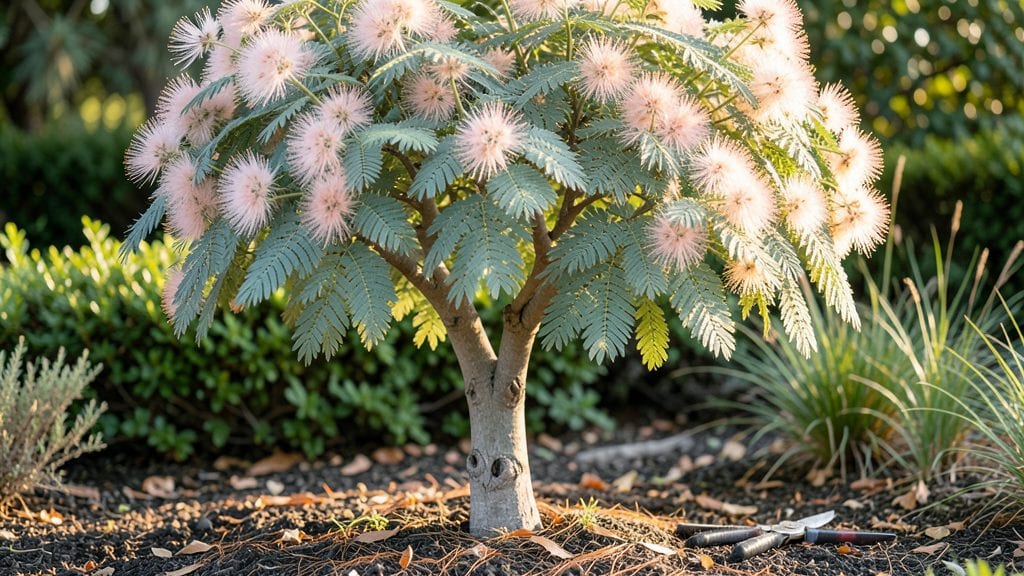
Your Pacific Northwest garden just got a frost-resistant showstopper—the snowy silk tree (Albizia julibrissin) thrives where others freeze. 🌿 I planted mine in Portland three years ago, and its silvery-pink blooms still steal the show through summer’s last heatwave.
Unlike many ornamentals, this tree handles our wet winters and dry summers with equal grace, making it the ultimate low-maintenance stunner.
The secret to its success? Well-drained soil and full sun—it’s not picky about soil type but despises soggy roots. In urban settings, it adapts beautifully to containers or tight spaces, though it can spread aggressively if left unchecked.
Pruning isn’t just about shaping; it’s about encouraging that lush, fern-like foliage and those fragrant, cotton-candy flowers that hummingbirds adore.
By late spring, you’ll see vibrant new growth where old branches once stood, and by summer, the tree will be blanketed in blooms that smell like spring. The best part? It keeps its silvery-green leaves even in winter, offering year-round interest.
With the right pruning rhythm—once in early spring and again after blooming—you’ll have a tree that looks like it belongs in a botanical garden, not just your backyard.
Perfect for city gardens, large patios, or as a focal point in mixed borders. Here’s how to keep yours thriving through every season, from planting to that final autumn trim.
📚 In This Guide
- What you need
- Instructions
- Tips and common mistakes
- Wrapping up and next steps
What you need
- ● Pruning shears: Bypass pruners (sharp, 6–8" blades) for small branches.
- ● Loppers: 18–24" bypass loppers for medium branches (1–2" diameter).
- ● Pruning saw: Curved-tooth saw for thick branches (2–3" diameter).
- ● Gloves: Heavy-duty, cut-resistant gloves (e.g., Mechanix or Wolverine brand).
- ● Disinfectant: 70% isopropyl alcohol or bleach solution (1 part bleach to 9 parts water) to sterilize tools.
- ○ Pruning sealant: Optional but helpful for large cuts (e.g., Tanglefoot Tree Wound Pruning Sealer).
- ● Safety gear: Safety glasses, long sleeves, and sturdy boots (especially for tall trees).
- ○ Extension pole: 6–10 ft telescoping pole for high branches (optional but handy!).
- ● Trash bags: Heavy-duty contractor bags (10–20 gallons) for debris disposal.
- ● Ladder: Sturdy, extendable ladder (e.g., Werner or Louisville brand) for hard-to-reach branches.
- ● Tree bag: For collecting large pruned branches (e.g., 100-gallon contractor bags).
- ● Hand saw: Compact pruning saw for precision cuts on smaller limbs.
- ● Marking spray: Fluorescent paint to mark branches for removal (great for large-scale pruning!).
Step-by-step year-round pruning for a thriving snowy silk tree
This is how I keep my snowy silk tree (Albizia julibrissin) lush, frost-resistant, and stunning year-round in the Pacific Northwest’s unpredictable climate.
✂️ Step 1: Late Winter Pruning for Structure and Frost Resilience
Prune in late February or early March before new growth begins, when the tree is still dormant but buds are swelling. This timing ensures you remove weak wood while preserving next season’s blooms. I start by removing dead, diseased, or crossing branches—these are easy to spot as they’re brown, brittle, or growing inward. Use sharp bypass pruners to make clean cuts just outside the branch collar.
Next, thin out overcrowded branches to improve airflow, which is critical for preventing fungal issues in our damp climate. Aim to open the canopy so sunlight reaches the center. I like to step back every few cuts to visualize the tree’s shape—this helps avoid over-pruning, which can stress the tree. For larger branches thicker than ½ inch, make a downward-facing cut just above an outward-facing bud to encourage proper regrowth.
🌿 Step 2: Light Summer Pruning to Encourage Foliage and Flowers
In June or July, after the tree has finished flowering but before new growth hardens, do a light pruning to shape and encourage dense foliage. Focus on trimming back any leggy growth—these are the long, thin shoots that stretch toward the sun. Cut them back to a strong lateral branch or bud to promote bushier growth. This step also removes any suckers sprouting at the base, which drain the tree’s energy.
Here’s the thing—snowy silk trees bloom on new wood, so avoid heavy pruning in late summer. Instead, I just tidy up by removing spent flower clusters and any branches that look stressed. Water deeply after pruning to help the tree recover, especially if we’ve had a dry spell. You’ll see fresh, vibrant foliage emerge within 2-3 weeks, signaling the tree is thriving.
⏰ Step 3: Fall Cleanup to Prepare for Winter
In October, after the first frost but before hard freezes, do a final pruning to remove any dead leaves, twigs, or weak growth that could harbor pests or disease. This is also the time to thin out the canopy slightly to reduce snow load—our Pacific Northwest winters can be heavy on the branches. Cut back any branches that are rubbing together, as this prevents bark damage during windy storms.
I also apply a 2-3 inch layer of mulch around the base (but not touching the trunk) to insulate roots from freezing temperatures. This step is non-negotiable in our climate—it protects the tree’s root system, which is vital for spring recovery. Avoid pruning after this point, as new growth won’t harden off before winter.
☀️ Step 4: Minimal Winter Maintenance for Frost Resistance
Winter pruning is minimal—just remove any broken branches caused by ice or snow. Snowy silk trees are frost-resistant, but heavy ice can snap weak limbs. Check the tree after major storms and prune only what’s necessary to maintain its shape. Avoid heavy pruning now, as the tree is dormant and healing slowly.
This is also the time to monitor for pests like spider mites, which love dry winter conditions. A quick spray with neem oil (if temps are above 40°F) can prevent infestations. I like to wrap young trees with tree guard** to protect them from rodent damage, especially if we have a harsh winter. By spring, your tree will be ready to burst into bloom with minimal stress.
Tips & tricks for perfect snowy silk tree pruning
These game-changing tips will help you transform your snowy silk tree into a thriving, frost-resistant beauty that blooms year after year in our Pacific Northwest climate.
Timing is Everything: The late February to early March window for Step 1 is crucial because it catches the tree in its dormant-but-ready state. I've seen trees stressed when pruned too early (when they're completely dormant) or too late (when buds start swelling). Look for those swollen buds as your cue—this is when the tree can handle pruning without shock. The same goes for June/July pruning: wait until after flowering but before new growth hardens, or you'll risk cutting off next year's blooms.
Tool Precision Matters: Sharp bypass pruners are non-negotiable for clean cuts that heal properly. I've ruined several cuts using dull tools, which tear the bark and create entry points for disease. For branches thicker than ½ inch, use a pruning saw with a curved blade—it makes the job easier and reduces bark tearing. Always sterilize your tools between cuts with rubbing alcohol to prevent spreading any potential infections, especially important in our damp climate.
Visual Pruning Cues: When thinning branches in Step 1, step back frequently to visualize the tree's shape. I like to imagine looking through the tree to the sky—you should see blue sky through the canopy. For leggy growth in Step 2, look for branches that are growing straight up without any lateral branches. These are your targets—they'll never produce flowers and create an unbalanced look. Cut back to the nearest outward-facing bud or lateral branch to encourage bushier growth.
Winter Protection Hacks: That 2-3 inch mulch layer in Step 3 is your tree's winter blanket. I use shredded bark mulch because it breaks down slowly and improves soil structure over time. For young trees, consider wrapping the trunk with tree guard to protect against rodent damage. And remember: neem oil sprays at temps above 40°F are your best defense against winter pests like spider mites—just don't apply when temps are below freezing, as the oil can damage new growth.
Pro Tips for Snowy Silk Tree
- These game-changing tips will help you transform your snowy silk tree into a thriving, frost-resistant beauty that blooms year after year in our Pacific Northwest climate.
- Timing is Everything: The late February to early March window for Step 1 is crucial because it catches the tree in its dormant-but-ready state.
- Tool Precision Matters: Sharp bypass pruners are non-negotiable for clean cuts that heal properly.
Frequently asked questions
Got questions about growing and pruning your snowy silk tree (Albizia julibrissin) in the Pacific Northwest? You’re in the right place! Here are answers to the most common queries—from frost resilience to pruning hacks—so you can keep your tree thriving year-round.
How cold can a snowy silk tree handle?
The snowy silk tree is one of the most frost-resistant ornamental trees, tolerating temperatures as low as -15°F (-26°C) once established. Young trees may need winter protection (like burlap wraps) in harsh PNW winters, but mature specimens often bounce back with minimal damage. Prune in late winter to encourage new growth and reduce frost stress.
When is the best time to prune a snowy silk tree?
Prune your snowy silk tree late winter or early spring (February–March) before new growth begins. This timing minimizes stress and promotes lush, frost-hardy foliage. Avoid heavy pruning in fall—it can stimulate tender shoots that won’t survive PNW winters. Pro tip: Remove dead or crossing branches anytime, but save major shaping for dormancy.
Why are my snowy silk tree’s leaves turning brown?
Brown leaves usually signal overwatering, nutrient deficiency, or fungal issues (like powdery mildew). Check soil moisture—snowy silk trees prefer well-draining soil and hate soggy roots. If leaves yellow before browning, it’s likely iron chlorosis (common in alkaline PNW soil). Amend soil with compost or use a chelated iron supplement in early spring.
Can I grow a snowy silk tree in a container?
Yes! Snowy silk trees thrive in large containers (20+ gallons) with drainage holes, making them great for patios or urban PNW yards. Use a fast-draining potting mix (like cactus/succulent blend) and repot every 2–3 years. In winter, move containers to a protected spot (e.g., against a south-facing wall) to shield roots from freezing. Warning: Container-grown trees may need more frequent watering in summer.
What’s a good alternative if my snowy silk tree struggles in my PNW climate?
If your site has poor drainage or extreme winds, consider these resilient PNW-friendly alternatives:
- Japanese snowbell (Styrax japonicus): Frost-hardy, fragrant white flowers, and glossy leaves.
- Serviceberry (Amelanchier spp.): Edible berries, stunning fall color, and Zone 5 hardiness.
- Korean dogwood (Cornus kousa): Disease-resistant, blooms in partial shade, and thrives in moist soil.
Wrapping up and next steps
The Snowy Silk Tree (Albizia julibrissin) is a stunning, frost-resistant gem that thrives in the Pacific Northwest’s climate—perfect for gardeners who love year-round beauty with minimal fuss! With the right pruning techniques, you’ll keep it lush, healthy, and blooming for seasons to come. 🌿✨
Ready to take the next step? Grab your pruners, mark your calendar for late winter or early spring, and give your tree the care it deserves. Your garden—and your Snowy Silk Tree—will thank you!