
Pruning
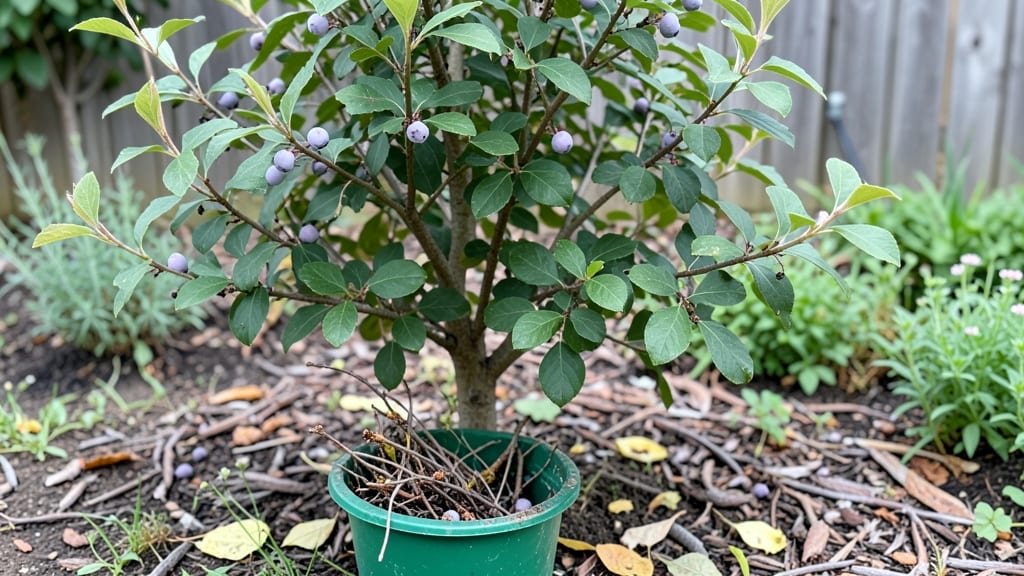
Pruning serviceberry trees transforms them from scraggly bushes into showstopping multi-season stars—especially in the Pacific Northwest’s damp, mild climate. 🌿 I’ve watched my own serviceberry go from a tangled mess to a vibrant centerpiece that blooms white in spring, turns gold in fall, and produces edible berries year after year.
The key is timing: prune at the right moment, and you’ll encourage more flowers, better fruit, and a stronger structure that lasts decades.
You’ll need just three basic tools: sharp pruning shears for small branches, loppers for thicker stems, and a clean saw for anything over an inch thick.
Work on a dry day when the tree isn’t actively growing—late winter or early spring is ideal, but you can also do light shaping after fruit harvest.
The goal isn’t to hack away but to open up the canopy so sunlight reaches the center, where most of those stunning blooms appear.
With each cut, you’re not just shaping the tree—you’re inviting more fruit and stronger growth. Serviceberries respond well to pruning because they’re naturally adaptable, but avoid cutting into old wood (it won’t regrow). Instead, focus on removing dead branches, crossing limbs, and thinning out crowded areas.
Within a season, you’ll see lush new shoots where you made your cuts, and next year’s blossoms will outshine the last.
This method works for both young trees and mature specimens, though older trees may need gradual pruning over a few years. The Pacific Northwest’s wet winters mean you’ll have more time to prune than in drier climates—just avoid heavy pruning in fall, when fungal diseases thrive.
Start small, observe how the tree responds, and adjust your approach each year for a thriving, fruitful serviceberry that becomes the heart of your garden.
📚 In This Guide
- What you need
- Instructions
- Tips and common mistakes
- Wrapping up and next steps
What you need
- ● Pruning shears – Bypass pruners (for small branches, ¼"–¾" in diameter). Look for sharp, stainless-steel blades for clean cuts.
- ● Loppers – For medium branches (¾"–2" in diameter). Opt for long-handled, ratcheting loppers for leverage.
- ● Pruning saw – For thick branches (2"+ in diameter). Choose a curved-tooth saw to avoid tearing wood.
- ● Gloves – Heavy-duty gardening gloves (leather or reinforced) to protect hands from thorns and rough bark.
- ● Disinfectant – 70% isopropyl alcohol or a pruning sealant (like Tanglefoot Pruning Seal) to prevent disease spread.
- ● Ladder or step stool – If your tree is tall (6'+). Ensure it’s stable and rated for your weight.
- ● Trash bags or bucket – For collecting pruned branches and debris.
- ● Pruning paint – For sealing large cuts (1"+) to reduce moisture loss.
- ● Extension pole pruners – For high branches without a ladder.
- ● Safety glasses – To shield eyes from debris.
- ● Marking twine or flags – If you’re training the tree’s shape.
How to prune serviceberry trees for maximum Pacific Northwest blooms
Here's the seasonal approach I've used to keep my serviceberry trees flowering beautifully year after year.
⏰ Step 1: Prune in Late Winter to Early Spring for Spring Blooms
Your first pruning comes 6-8 weeks before your expected last frost date—typically February through early March in the Pacific Northwest. This timing ensures the tree has time to develop new growth before summer. I wait until the tree is still fully dormant but the first hints of spring are in the air.
Look for dead, diseased, or crossing branches first. These are your priority cuts—they're the ones causing the most harm. Use sharp pruning shears to make clean cuts just outside the branch collar, where the branch meets the trunk. This prevents unsightly stubs and promotes faster healing.
Remove any branches that are growing inward or rubbing against others. These will eventually cause wounds that invite disease. I always step back after each cut to visualize the tree's overall shape—you're sculpting, not just hacking.
✂️ Step 2: Light Summer Pruning to Encourage Airflow
After the spring bloom fades, do a light maintenance pruning in June or July if needed. This is about thinning the canopy by removing up to 25% of the smallest branches to improve airflow and sunlight penetration. Serviceberries love light, and too much shade leads to sparse blooms next season.
Focus on branches growing straight up from the main trunk—these are called "water sprouts" and they compete with your existing structure. Cut these back to a lateral branch or bud. You'll see the tree's natural shape emerge as you remove these aggressive growers.
Never remove more than 25% of the foliage in any one season. Serviceberries are resilient, but heavy pruning stresses the tree and reduces next year's flower production. Think of this as a gentle shaping, not a drastic transformation.
🌿 Step 3: Fall Cleanup to Prepare for Winter
In late fall after leaf drop (typically October through November), do a final light pruning to remove any dead, broken, or diseased branches that appeared over the summer. This prevents pests and diseases from overwintering in the tree.
Look for branches with mushroom-like growths or oozing sap—these are clear signs of infection. Remove these immediately and sterilize your tools with rubbing alcohol between cuts. I also check for branches that have grown too long and are now flopping against the ground.
This is also the time to remove any suckers growing from the base of the tree. These compete with your main trunk for nutrients. Cut them off at ground level—don't leave any stumps, as they'll just regrow.
☀️ Step 4: Year-Round Monitoring for Optimal Growth
Between pruning seasons, keep an eye out for water sprouts or aggressive new growth. These often appear after heavy rains in the Pacific Northwest. Remove them immediately with your pruners—don't let them grow more than 6 inches or they'll become permanent eyesores.
Watch for dieback (branches that suddenly turn brown and crispy) after winter. This is common with serviceberries and usually indicates winter injury. Prune these back to healthy wood in late winter, but don't panic—serviceberries are tough and often recover beautifully.
I also check the tree's overall shape every few months. If you notice one side looking sparser, that's your cue to encourage growth there with light pruning of competing branches on the fuller side. Balance is key to maintaining that lush Pacific Northwest look.
Tips & tricks for pruning serviceberry trees
Here's what I've learned after years of pruning serviceberries in the Pacific Northwest—these tricks will keep your tree thriving and blooming beautifully.
Timing is Everything: That 6-8 week window before last frost in Step 1 is critical because serviceberries need time to develop new growth before summer. I've seen trees with sparse blooms when pruned too late—don't rush it! If you miss the late winter window, wait until early spring when you see the first leaf buds swelling. The goal is to prune while the tree is still dormant but ready to wake up.
Tool Prep Matters: Sterilize your pruning shears with rubbing alcohol between cuts, especially when dealing with diseased branches in Step 3. I keep a small bottle of 70% isopropyl alcohol in my tool bag—it's a game-changer for preventing disease spread. Also, make sure your tools are sharp; dull blades tear wood instead of making clean cuts, which slows healing and invites infection. A quick test: if you have to force the shears, they're too dull.
Visualize the Shape: After each cut in Step 1, I step back and look at the tree from all angles. Serviceberries have a natural open shape that lets light through to the center. Your goal is to enhance this natural form, not create some perfect geometric shape. Think of it like sculpting—you're removing what doesn't belong to reveal what does. This approach prevents that "hacked" look many trees get from over-pruning.
Water Sprout Watch: Those aggressive vertical branches (water sprouts) mentioned in Step 2 are sneaky—they grow fast after heavy rains. I check my trees every few weeks during growing season and remove any new sprouts over 6 inches tall immediately. The key is consistency; if you let them grow, they'll become permanent eyesores that compete with your main branches for nutrients and sunlight.
Pro Tips for Pruning A Serviceberry Tree
- Here's what I've learned after years of pruning serviceberries in the Pacific Northwest—these tricks will keep your tree thriving and blooming beautifully.
- Timing is Everything: That 6-8 week window before last frost in Step 1 is critical because serviceberries need time to develop new growth before summer.
- Tool Prep Matters: Sterilize your pruning shears with rubbing alcohol between cuts, especially when dealing with diseased branches in Step 3.
Frequently asked questions
Got questions about pruning your serviceberry tree? You’re not alone—this versatile shrub/tree has its quirks! Below, we tackle the most common concerns to help you prune like a pro.
When is the best time to prune a serviceberry tree?
The ideal time is late winter or early spring (before buds swell), but you can also prune lightly after fruiting in summer. Avoid heavy pruning in fall, as it can stimulate tender growth vulnerable to frost. For shaping, spring is your best bet—just time it right to avoid cutting into next year’s blooms!
How much can I prune a serviceberry tree?
Aim to remove no more than 25-30% of the canopy in a single session to avoid stressing the tree. Serviceberries are resilient, but over-pruning can reduce flowering or fruiting. If your tree is overgrown, spread pruning over 2-3 years for a healthier recovery.
What if I prune at the wrong time and lose flowers/fruit?
Don’t panic! Serviceberries are moderately forgiving. If you prune too late (after buds form), you may lose that year’s blooms or berries, but the tree will bounce back. Focus on maintaining an open center to encourage future growth—next year’s flowers will thank you!
Can I turn a large serviceberry tree into a smaller shrub?
Use renewal pruning: cut back 1/3 of the oldest stems to the ground each year. This rejuvenates the shrub, promotes new growth, and keeps it compact. Just be patient—it may take 2-3 years to reshape fully.
Will pruning attract pests or diseases?
Pruning correctly won’t invite pests, but poor cuts or over-pruning can stress the tree, making it more susceptible. Always use clean, sharp tools, make cuts at a 45-degree angle, and avoid leaving stubs. If pests appear, focus on removing infected branches immediately.
Still unsure? Snap a photo of your tree’s current state and ask! With the right approach, your serviceberry will thrive—and reward you with stunning blooms and berries for years.
Wrapping up and next steps
Pruning your serviceberry tree isn’t just about shaping—it’s about unlocking its full potential for vibrant blooms, lush foliage, and bountiful berries in the Pacific Northwest’s unique climate. 🌸 By following seasonal cues and the right techniques, you’ll ensure a healthy, thriving tree that rewards you for years to come.
Now that you’re armed with the know-how, grab those pruners and give your serviceberry the care it deserves—your future harvests will thank you!
Next step: Mark your calendar to schedule your first pruning session (or just start now if you’re feeling bold!). Observe your tree’s growth patterns, and adjust your approach as needed—every garden is unique, and so is your serviceberry’s story.