
Pruning
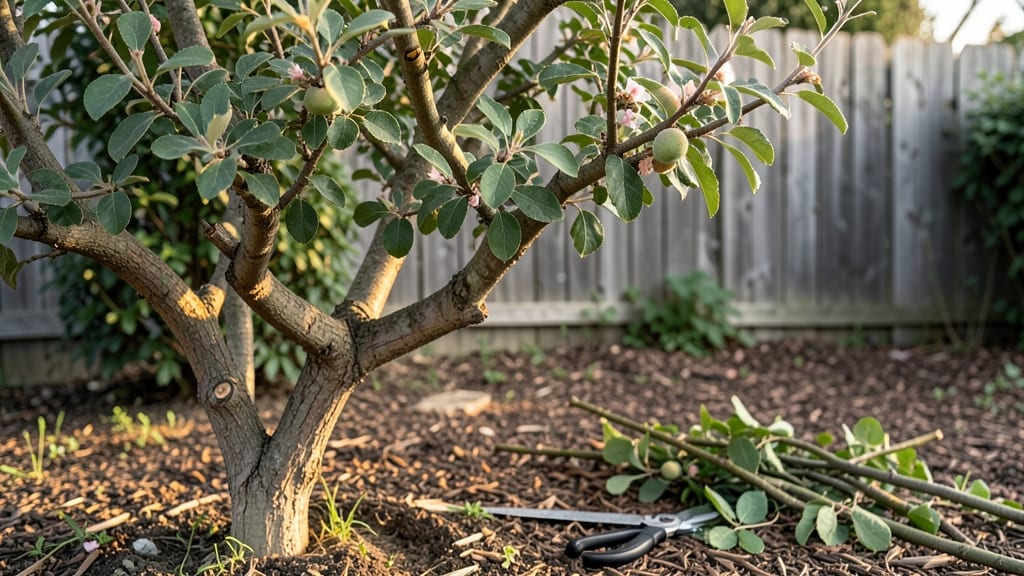
Pruning a nectarine tree isn’t about hacking branches—it’s about unlocking next year’s harvest with just four strategic cuts. ✂️ I learned this the hard way after my first overzealous pruning session left the tree stressed and fruitless.
The key is timing, technique, and knowing which branches deserve attention (and which don’t).
You’ll need sharp pruners, rubbing alcohol for sterilizing cuts, and a clear day to avoid spreading disease. Most work happens in late winter, but nectarines benefit from light summer pruning too. The goal?
Open the canopy for sunlight, remove dead wood, and shape the tree for easier harvesting. Even experienced gardeners skip these steps—and end up with crowded branches and poor fruit quality.
By following these four cuts, you’ll see stronger branches, more sunlight reaching the center, and fewer disease hotspots. The tree will reward you with sweeter fruit, easier maintenance, and a lifespan that stretches for decades. The best part? You’ll finish in under an hour, even if you’re new to pruning.
Works for both young trees and mature specimens, whether you’re in a warm climate or a cooler zone. Let’s get those branches in shape—your future nectarines will thank you.
📚 In This Guide
- What you need
- Instructions
- Tips and common mistakes
- Wrapping up and next steps
What you need
- ● Pruning shears: Bypass pruners (sharp, clean, and disinfected with rubbing alcohol or bleach). Choose a pair with 4-6 inch blades for medium branches.
- ● Loppers: For thicker branches (up to 1.5 inches in diameter). Opt for bypass loppers with a 10-12 inch handle for leverage.
- ● Pruning saw: A folding pruning saw with a 7-10 inch blade for branches thicker than 1.5 inches.
- ● Gloves: Leather or heavy-duty garden gloves to protect your hands from thorns and rough bark.
- ● Disinfectant: Rubbing alcohol (70%+ isopropyl) or bleach solution (1 part bleach to 9 parts water) to sterilize tools between cuts.
- ○ Sealing wax or pruning paint: Optional but helpful for sealing large cuts (over 0.5 inches in diameter) to prevent disease.
- ● Ladder or step stool: Ensure it’s stable and tall enough to reach the highest branches safely.
- ● Bucket or trash bag: For collecting pruned branches and debris.
- ● Time of day: Prune on a cloudy day or early morning to avoid stressing the tree in hot sun.
- ● Weather: Avoid pruning if rain is forecasted within 24 hours to let cuts heal.
- ● Safety glasses: Protect your eyes from debris, especially when using a pruning saw.
- ● Long sleeves/pants: Wear lightweight, long-sleeved clothing to shield against thorns and scratches.
- ● First-aid kit: Just in case—bandages, antiseptic wipes, and tweezers for splinters.
Step-by-step instructions for pruning a nectarine tree
Here’s how I simplify nectarine pruning—just four strategic cuts keep your tree healthy and productive.
✂️ Step 1: Prune Dead or Diseased Wood First
Start by removing any branches that are dead, broken, or showing signs of disease—look for brown, brittle wood or fungal growth. Use clean, sharp pruning shears to make cuts just outside the branch collar, the swollen area where the branch meets the trunk. This prevents infection from spreading deeper into the tree.
I always do this first because it’s the easiest way to improve air circulation. Removing dead wood also reduces the risk of pests hiding in damaged areas. If you’re unsure whether a branch is dead, scratch the bark with your fingernail—green underneath means it’s still alive.
✂️ Step 2: Thin Out Crowded Branches
Next, focus on thinning the canopy by removing branches that cross or rub against each other. These often create wounds where pests or diseases can enter. Aim to leave branches spaced 6-12 inches apart—this ensures sunlight and air reach the center of the tree.
I target branches growing inward or downward, as they compete with stronger, outward-facing ones. Cut back to a lateral branch or bud that grows in the direction you want the tree to fill. Never leave stubs; always make clean cuts just outside the branch collar to promote faster healing.
✂️ Step 3: Shape the Tree for Balance
Now, shape the tree by pruning branches that grow too close together or disrupt the natural open-center form. Nectarine trees thrive with an open vase shape, so prioritize removing branches that grow straight upward or downward. These vertical shoots often produce fewer fruits and create dense shade in the center.
Use hand pruners for branches up to ½ inch thick and a pruning saw for thicker branches. Step back occasionally to visualize how the cuts will affect the tree’s overall shape. You’re not just trimming—you’re guiding the tree’s growth pattern for better fruit production.
✂️ Step 4: Lightly Prune for Airflow and Fruit Production
Finally, make small adjustments to improve airflow and encourage fruit-bearing spurs. Remove any "water sprouts"—fast-growing, vertical shoots that appear along the trunk or branches. These sap-suckers drain energy from the tree without contributing to fruit production.
For mature trees, limit pruning to no more than 20-25% of the canopy in one season. Over-pruning stresses the tree and can reduce next year’s harvest. If you’re unsure how much to cut, err on the side of caution—you can always prune more next year if needed.
Tips & tricks for pruning a nectarine tree
These simple yet powerful strategies will help you prune with confidence and keep your nectarine tree thriving for years.
Tool Preparation: Always sterilize your pruning shears and saw with rubbing alcohol between cuts to prevent spreading disease. I also recommend sharpening your tools before starting—dull blades tear bark, creating larger wounds that heal more slowly. For larger branches, use a pruning saw with a fine-toothed blade to make clean cuts without crushing the wood.
Visualizing the Canopy: Before making any cuts, step back and visualize the tree's natural open-center form. In Step 3, when shaping for balance, imagine sunlight streaming through the center—this is your goal. Remove branches that block this light flow, focusing on those growing straight up or inward. Think of it as sculpting rather than just trimming.
Seasonal Timing Insight: While these steps work year-round, late winter or early spring (just before buds swell) is ideal for most pruning. This timing allows wounds to heal before summer pests become active. For heavy pruning, spread cuts over two seasons if needed—never remove more than 25% of the canopy in one go, as instructed in Step 4.
Branch Collar Technique: The branch collar is your guide for all cuts—never leave stubs or cut flush with the trunk. In Steps 1 and 2, look for that swollen area where the branch meets the trunk. Making cuts just outside this collar promotes faster healing and prevents decay. This small detail makes all the difference in long-term tree health.
Pro Tips for Pruning A Nectarine Tree
- These simple yet powerful strategies will help you prune with confidence and keep your nectarine tree thriving for years.
- Tool Preparation: Always sterilize your pruning shears and saw with rubbing alcohol between cuts to prevent spreading disease.
- Visualizing the Canopy: Before making any cuts, step back and visualize the tree's natural open-center form.
Frequently asked questions
Got questions about pruning your nectarine tree? You’re not alone! Here are some of the most common concerns—plus clear, actionable answers to keep your tree thriving.
When is the best time to prune a nectarine tree?
The ideal window is late winter or early spring (just before buds swell but before new growth starts). For young trees, summer pruning (after harvest) can also promote shape. Avoid pruning in fall—it invites disease and pest issues. Pro tip: Never prune during frost or extreme heat!
How much can I trim off without harming the tree?
For mature nectarine trees, remove no more than 25% of the canopy in one season. Over-pruning stresses the tree and reduces fruit production. Focus on open-center shaping—cut back to 1/4-inch above a bud or branch collar to encourage healthy regrowth. Young trees tolerate slightly more aggressive trimming (up to 30%) to establish structure.
What if my cuts start oozing or look infected after pruning?
This is normal for a few days—trees "bleed" sap when pruned. If you see dark, oozy residue with a foul smell or moldy growth, sterilize your tools with rubbing alcohol and apply pruning sealant (optional for small cuts). Monitor for signs of bacterial canker (sunken, cracked bark) and treat with copper fungicide if needed. Prevention tip: Always cut on dry days!
Can I prune a nectarine tree in summer for better fruit?
Summer pruning is controversial but can help reduce water stress and improve airflow. Trim only to remove suckers, crossing branches, or dead wood—avoid heavy cuts. The key? Prune after harvest (late July–August) and avoid heavy pruning in extreme heat. Water deeply before and after to help the tree recover.
What’s the difference between pruning a nectarine vs. a peach tree?
Nectarines and peaches share 90% of the same pruning rules, but nectarines are more sensitive to disease (like leaf curl). Key differences:
- Timing: Nectarines benefit from earlier spring pruning (peaches can wait slightly longer).
- Disease prevention: Sterilize tools more frequently and avoid wet foliage when pruning.
- Shape focus: Nectarines thrive with an open vase shape to prevent humidity buildup.
Both trees hate overcrowded branches—so prioritize airflow!
Wrapping up and next steps
Pruning your nectarine tree doesn’t have to be intimidating—just a few strategic cuts can keep it thriving for years! Remember to time your pruning, use sharp tools, and focus on open growth for the best results.
With patience and practice, you’ll enjoy a healthier tree and a bountiful harvest every season.
Ready to get started? Grab your pruners and give your nectarine tree the care it deserves—your future fruit will thank you! 🌳🍑