
Pruning
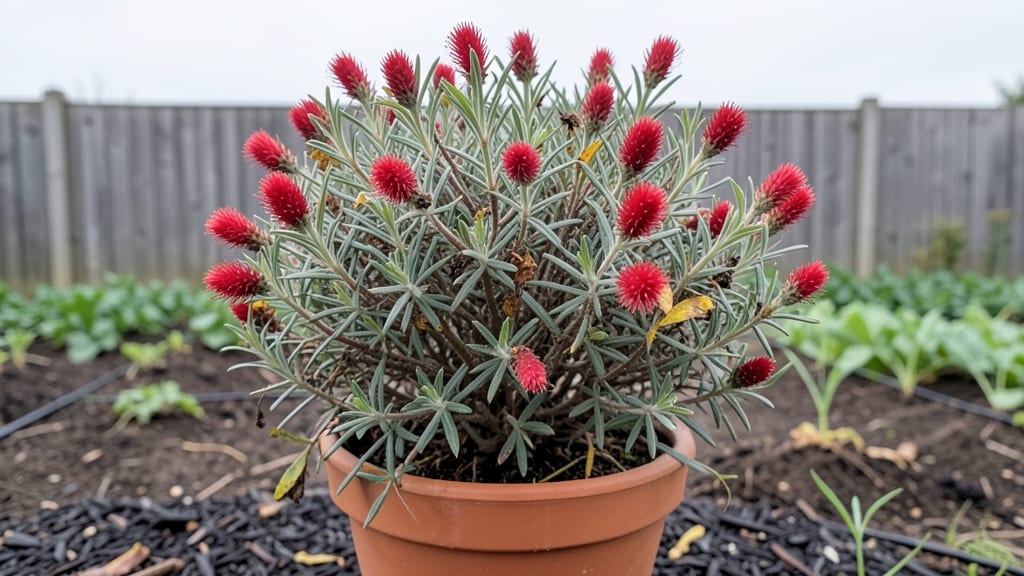
Your garden just got a frost-resistant showstopper—the pom pom tree’s fluffy blooms turn heads year-round while hummingbirds swarm like a feathered party. 🌿 I planted mine last spring as a bold focal point near the patio, and now it’s the star of every season, from winter’s bare branches to summer’s fuzzy pink clouds.
The key? Placing it where its unique texture contrasts with smooth evergreens or bold foliage plants.
This tree thrives in full sun and handles frost like a champ, making it perfect for borders, containers, or even as a small tree in mixed beds. Pair it with lavender for a cottage-garden feel or add ornamental grasses to highlight its airy blooms.
Prune lightly after flowering to keep it shaped—just snip the spent pom poms for a fresh, tidy look without sacrificing next year’s show.
Imagine your garden buzzing with hummingbirds all season long, their iridescent wings flashing against the tree’s soft pink plumes. The contrast of its feathery flowers against dark foliage or bright annuals creates a stunning visual rhythm that keeps evolving.
Even in winter, the skeletal branches add texture and intrigue, proving this tree is as much about structure as it is about color.
Whether you’re designing a pollinator-friendly border, a container garden, or a low-maintenance focal point, this tree delivers drama with minimal fuss. Let’s make it the centerpiece of your outdoor space—hummingbirds and neighbors will thank you.
📚 In This Guide
- What you need
- Instructions
- Tips and common mistakes
- Wrapping up and next steps
What you need
- ● Pom pom tree (Callistemon spp.) – Choose a frost-resistant variety like Callistemon citrinus or Callistemon viminalis (ensure it’s at least 2–3 years old for best results).
- ● Pruning shears – Sharp, bypass-style shears (for clean cuts) or felco pruners (for thicker branches).
- ● Gloves – Heavy-duty gardening gloves (to protect from thorns and sap).
- ● Disinfectant (70% isopropyl alcohol or bleach solution) – 1 part bleach to 9 parts water (to sterilize tools between cuts).
- ● Rake or broom – For clearing fallen debris after pruning.
- ● Loppers – For thicker branches (1–2 inches in diameter).
- ● Hand pruners with a bypass blade – For precision trimming.
- ● Pruning saw – If your tree has very thick branches (3+ inches).
- ○ Pruning sealant – Optional for large cuts to prevent disease (follow product instructions).
- ● Notebook & pen – To sketch a pruning plan or track growth over time.
- ● Water spray bottle – To mist tools and cuts for a cleaner finish.
How to grow a thriving pom pom tree for hummingbirds
This hardy plant brings year-round color and attracts hummingbirds—here's how to get it growing strong.
🌱 Step 1: Choose the Right Location and Soil
Pom pom trees (or Russian sage) thrive in full sun with at least 6 hours of direct light daily. I plant mine in well-draining soil—this plant hates soggy roots, so amend heavy clay with sand or gravel if needed. The ideal spot gets morning sun and afternoon shade in hot climates to prevent leaf scorch.
Test your soil's drainage by digging a 6-inch hole and filling it with water. If it takes longer than 30 minutes to drain, mix in compost and perlite to improve aeration. These plants are drought-tolerant once established, but young roots need consistent moisture for the first 6 months.
🪴 Step 2: Plant at the Correct Depth and Spacing
Dig a hole twice as wide as the root ball but only as deep as the container's base. The top of the root ball should sit 1 inch above ground level—burying too deep suffocates the plant. Gently loosen the roots if they're circling in the pot before placing them in the hole.
Space plants 3-4 feet apart for mature size. I always plant 3-4 plants in a cluster to create a natural, hummingbird-friendly display. Backfill with native soil, tapping lightly to remove air pockets, then water deeply to settle everything. Avoid fertilizing at planting—wait until new growth appears in 4-6 weeks.
☀️ Step 3: Water and Maintain for Year-Round Blooms
Water deeply once a week during the first growing season, letting the soil dry 2-3 inches deep between waterings. Mature plants need little irrigation—they're built to handle drought. You'll know moisture is right when the soil feels damp but not wet at the 2-inch level.
Deadhead spent flowers in late summer to encourage a second flush of blooms. Prune back 1/3 of the oldest stems in early spring to promote fresh growth. Russian sage blooms on new wood, so never cut back into bare wood—you'll sacrifice next year's flowers.
🐦 Step 4: Attract Hummingbirds with Strategic Planting
Plant pom pom trees near other nectar-rich flowers like bee balm or salvia to create a hummingbird highway. I place a small water source (like a shallow dish with pebbles) nearby—hummingbirds need water too. The lavender-blue pom-pom flowers bloom from mid-summer to frost, providing late-season nectar when other plants have faded.
Watch for ruby-throated hummingbirds by late spring—they'll visit daily once they discover your garden. To boost their energy, add a hummingbird feeder filled with 1:4 sugar water (no dye!) near the plants. The birds will perch on the branches while feeding, making for incredible viewing.
Tips & tricks for perfect pom pom tree growth
Here's what I've learned after growing these stunning plants for years—simple secrets that make all the difference.
Soil Drainage is Non-Negotiable: In Step 1, when testing your soil's drainage, don't just check the 30-minute mark—observe for another 10 minutes. If water still pools after 40 minutes, you'll need even more sand or gravel. I've seen soggy roots kill perfectly healthy plants, and that's a tragedy for hummingbird lovers. The roots should feel damp but never soggy when you check them after watering.
Root Ball Magic in Step 2: Before planting, run your finger around the root ball to gently separate any circling roots. This prevents girdling as the plant grows. I also make a small slit in the bottom of the root ball with a knife to encourage new roots to grow outward into your garden soil. This little trick makes a big difference in plant vigor.
Watering Wisdom for Step 3: The "damp but not wet" test at the 2-inch level is key, but here's the pro move: Use a moisture meter for the first month. These $10 tools show you exactly when to water, and they'll help you avoid both underwatering and overwatering. Once established, you can trust your finger, but for those critical first months, don't guess.
Pruning Payoff: When you prune back 1/3 of the oldest stems in early spring, cut just above a leaf node where new growth appears. I mark these spots with a pencil before pruning so I don't accidentally cut too low. This encourages bushier growth and more flowers—meaning more hummingbird visits. The birds will thank you!
Pro Tips for Pom Pom Tree
- Here's what I've learned after growing these stunning plants for years—simple secrets that make all the difference.
- Soil Drainage is Non-Negotiable: In Step 1, when testing your soil's drainage, don't just check the 30-minute mark—observe for another 10 minutes.
- Root Ball Magic in Step 2: Before planting, run your finger around the root ball to gently separate any circling roots.
Frequently asked questions
Got questions about the Pom Pom Tree (Cotoneaster dammeri)?
You’re not alone! Here are answers to the most common queries from gardeners eager to grow this frost-resistant beauty.
How cold can a Pom Pom Tree handle?
The Pom Pom Tree thrives in USDA Zones 5-8 and can tolerate temperatures as low as -20°F (-29°C). Its evergreen foliage stays vibrant even in winter, making it a standout for year-round interest. Just ensure it’s planted in well-draining soil to avoid root rot in soggy conditions.
Why aren’t hummingbirds visiting my Pom Pom Tree?
Hummingbirds love the Pom Pom Tree’s tiny red berries, but they may skip it if flowers are sparse. Prune in late winter to encourage new growth and more blooms. Also, ensure the tree is planted in full sun (6+ hours/day)—shady spots reduce flowering. If birds still ignore it, nearby bee balm or salvia can lure them closer!
When is the best time to prune for maximum berries?
Prune your Pom Pom Tree right after flowering (late spring) to shape it and promote dense growth. Avoid heavy pruning in fall/winter, as it removes next year’s flower buds. For a neater "pom pom" look, trim back leggy branches by ⅓ annually. Pro tip: Wear gloves—its stems have tiny thorns!
Can I grow a Pom Pom Tree in a container?
Yes! Dwarf varieties like ‘Bearberry Cotoneaster’ thrive in 15–20 gallon pots with well-draining soil. Use a fast-draining mix (add perlite or sand) and repot every 2–3 years. Place it in full sun and water when the top inch of soil is dry. Just know it’ll need winter protection (move indoors or wrap the pot in burlap) in Zones 5–6.
What pests should I watch for on my Pom Pom Tree?
Common issues include:
- Spider mites: Look for webbing on leaves—spray with water or neem oil.
- Scale insects: Waxy bumps on stems? Scrape them off or use horticultural oil.
- Fire blight: Blackened, oozy branches? Prune infected areas 6 inches below the damage and sterilize tools with rubbing alcohol.
Keep your tree healthy with regular pruning and avoid overhead watering to prevent fungal issues.
Wrapping up and next steps
The pom pom tree isn’t just a stunning addition to your garden—it’s a low-maintenance, frost-resistant superstar that keeps hummingbirds buzzing all year long! 🐦➡️ With the right pruning techniques and a little care, you can enjoy its vibrant blooms and wildlife-friendly benefits for seasons to come.
Ready to level up your landscape? Start by grabbing your pruners and giving your pom pom tree a little TLC—then sit back and watch the magic happen! 🌿✨ Next step: Bookmark this guide and schedule your first pruning session before the next bloom cycle begins!