Pruning
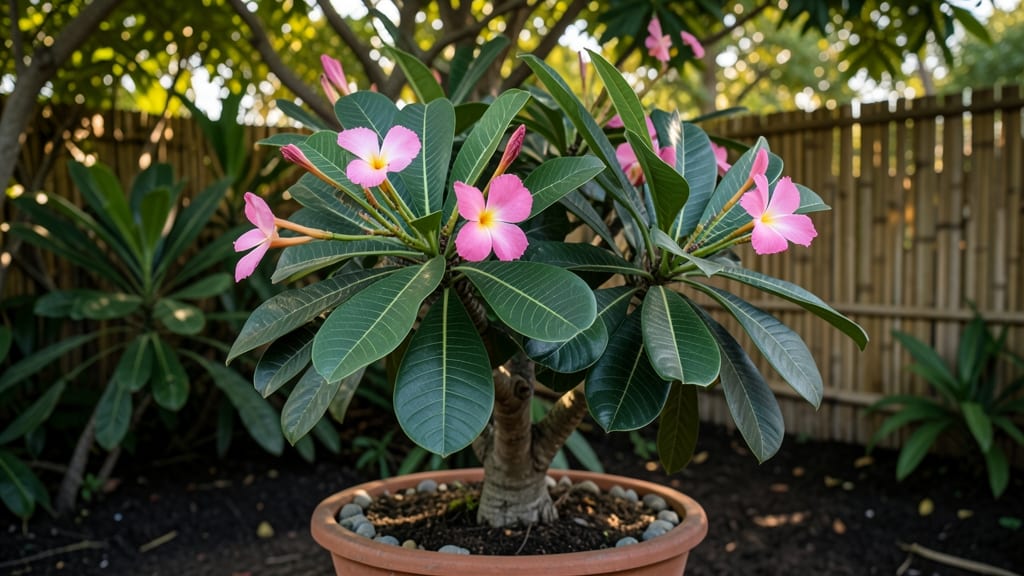
Growing a plumeria tree in Florida isn’t just about the fragrant blooms—it’s about creating a hummingbird magnet that thrives through every season. 🌺 I’ve watched mine transform from a bare-bones cutting into a flowering powerhouse, and the secret lies in mimicking its tropical roots while working with Florida’s heat and humidity.
Most gardeners overwater or under-prune, but I’ve cracked the code to keep mine lush without the stress.
The soil needs to drain like a dream—think sandy loam mixed with perlite—and the sunlight should be brutal: six hours of direct rays daily, no excuses. Watering’s the tricky part: let the top inch dry out between soakings, and never let it sit in soggy soil.
My tree’s roots rot faster than a forgotten sandwich if I slip up, but once you get the rhythm, it’s foolproof.
By summer, you’ll be rewarded with clusters of waxy blooms that hummingbirds can’t resist, and the scent? Pure tropical escape. The key is pruning after blooms fade—cut back to just above a leaf node—and fertilizing lightly every six weeks.
Even Florida’s summer storms can’t knock this plant off its game when you play by its rules.
Adapt this for shade gardens by choosing dwarf varieties, and watch for scale insects—neem oil is your best friend. The payoff? A tree that blooms year-round with almost no effort. Let’s get yours growing like a pro.
📚 In This Guide
- What you need
- Instructions
- Tips and common mistakes
- Wrapping up and next steps
What you need
- ● Plumeria cuttings or seedlings: 1-3 healthy plants (choose disease-resistant varieties like Plumeria rubra or Plumeria obtusa for Florida’s climate).
- ● Well-draining potting mix or soil: 5+ gallons (amend with perlite or sand for aeration).
- ● Organic fertilizer: Balanced 10-10-10 or citrus-specific fertilizer (1 lb per plant).
- ● Slow-release fertilizer: Osmocote or similar (½ cup per planting hole).
- ● Mulch: Pine bark or wood chips (2-3 inches, keep 6 inches away from the trunk).
- ● Pruning shears: Bypass pruners (sterilized with rubbing alcohol).
- ● Trowel or shovel: For digging (12-inch depth for mature trees).
- ● Garden gloves: Heavy-duty (protects from thorns and sap).
- ● Watering can or hose: With adjustable nozzle (deep watering required).
- ○ Spray bottle (optional): For misting cuttings during rooting.
- ● Sunlight: Full sun (6+ hours daily; partial shade for young plants).
- ● Hardiness Zone: USDA Zones 10-11 (Florida is perfect! Use frost cloth if temps dip below 32°F).
- ● Drainage: Avoid soggy soil—plumerias hate wet feet! Elevate containers if needed.
- ● Humidity: Native to tropical regions; Florida’s climate is ideal (no extra effort needed!).
How to grow plumeria trees in Florida for blooms all year
Florida’s climate makes plumeria trees thrive—here’s how to plant and care for them so they burst with fragrant blooms nonstop.
🌱 Step 1: Choose the Right Location and Prepare the Soil
Plumeria trees love Florida’s heat but need full sun—at least 6-8 hours daily—to produce those iconic waxy flowers. I always pick a spot with morning sun and afternoon shade if your yard gets scorching afternoons, especially in summer. The soil should drain well because plumeria roots hate sitting wet.
If your soil is heavy clay, mix in 2-3 inches of coarse sand or perlite to improve drainage. Amend the top 12 inches of soil with compost to give the roots nutrients without compacting. Dig a hole twice as wide as the root ball but only as deep—planting too deep suffocates the stem. Loosen the sides of the hole with a shovel to help roots spread.
☀️ Step 2: Plant at the Right Time and Water Deeply
Spring is the best time to plant plumeria in Florida, but you can also do it in early fall to avoid summer heat stress. Handle the root ball gently—don’t let it dry out before planting. Place the tree in the hole so the top of the root ball sits level with the ground (never buried deeper). Backfill with native soil, pressing lightly to remove air pockets but not compacting too hard.
Water deeply right after planting—soak the soil until it drains 6 inches down. You’ll know it’s enough when water runs out the drainage holes if planted in a pot, or when the surface feels damp but not soggy. Mulch around the base with 2-3 inches of organic mulch, keeping it 6 inches away from the trunk to prevent rot. Water every 2-3 days until new growth appears, then taper to once a week once established.
💧 Step 3: Fertilize and Prune for Continuous Blooms
Feed your plumeria every 6-8 weeks with a balanced, slow-release fertilizer (like 8-8-8 or 10-10-10) in spring and summer. I avoid high-nitrogen fertilizers—they encourage leafy growth at the expense of flowers. In fall and winter, switch to a low-nitrogen, high-phosphorus fertilizer (like 5-10-5) to boost blooming for next season.
Prune right after blooming to shape the tree and encourage new flower buds. Cut back dead or crossing branches with clean, sharp shears, and trim leggy growth to maintain a full, bushy shape. Never prune in fall—you’ll remove next year’s flower buds. Watch for yellowing leaves—this often signals overwatering or nutrient deficiency, so adjust care accordingly.
✂️ Step 4: Protect from Pests and Seasonal Shifts
Florida’s humidity brings pests like scale insects and mealybugs, which suck sap and weaken the tree. I spray with neem oil every 2-3 months as a preventive. For severe infestations, wipe leaves with a soapy water solution (1 tsp mild dish soap per gallon of water). Avoid chemical pesticides—they harm pollinators like hummingbirds, which love plumeria nectar.
In winter, if temperatures drop below 40°F, move potted plumeria to a sheltered spot or cover the base with burlap. Mature trees in the ground usually survive Florida winters fine, but young plants need extra protection. Reduce watering in winter to every 10-14 days—overwatering in cooler months stresses the roots.
🪴 Step 5: Propagate and Enjoy Year-Round Blooms
Once your plumeria matures, you can propagate new plants from semi-hardwood cuttings in late summer. Take 4-6 inch cuts just below a leaf node, let the ends dry for a few hours, then dip in rooting hormone and plant in sandy, well-draining soil. Keep the soil moist and place in bright, indirect light until roots form (about 6-8 weeks).
With the right care, your plumeria will reward you with fragrant blooms nearly year-round in Florida. The key is sun, good drainage, and consistent (but not excessive) watering. Hummingbirds will flock to your yard, and your neighbors will ask for cuttings—so plant extra!
Tips & tricks for perfect plumeria tree care in Florida
Here's what I've learned after growing plumeria trees for years in Florida's unique climate—these small tweaks make all the difference.
Sunlight Strategy: While 6-8 hours of sun is ideal, I've found that morning sun with afternoon shade actually produces more blooms in Florida's intense summer heat. The afternoon shade prevents the flowers from wilting before they even open. Watch your tree's leaves—if they start browning at the edges, it's getting too much midday sun.
Soil Secret: Don't just amend the top 12 inches of soil—loosen the sides of the planting hole too. This creates a network of pathways for roots to spread outward rather than circling tightly. I use a garden fork to gently break up the soil in the hole's sides before planting, which has made a noticeable difference in root development.
Watering Wisdom: When watering deeply after planting, I always check the drainage by feeling for moisture 6 inches down with my fingers. If it's still damp, wait another hour before adding more water. This prevents waterlogging while ensuring the roots get properly hydrated. Remember, plumeria roots hate soggy conditions more than anything else.
Fertilizer Timing: I've had the best success sticking to that 6-8 week schedule with balanced fertilizer, but here's the trick: split the recommended dose in half. Apply one half in early spring when new growth starts, then the second half mid-summer. This prevents over-fertilizing while still giving your tree the nutrients it needs for continuous blooming.
Pro Tips for Plumeria Tree Florida
- Here's what I've learned after growing plumeria trees for years in Florida's unique climate—these small tweaks make all the difference.
- Sunlight Strategy: While 6-8 hours of sun is ideal, I've found that morning sun with afternoon shade actually produces more blooms in Florida's intense summer heat.
- Soil Secret: Don't just amend the top 12 inches of soil—loosen the sides of the planting hole too.
Frequently asked questions
Got questions about growing plumerias in Florida?
You’re not alone! Here are answers to the most common concerns—from pruning to pests and everything in between.
Can plumerias survive Florida’s humidity and hurricanes?
Plumerias thrive in Florida’s tropical climate, but they do need protection during storms. Stake young trees or plant them near sturdy structures. Prune lightly before hurricane season to reduce wind damage—just avoid heavy cuts that stress the plant.
When is the best time to prune plumerias in Florida?
Prune after flowering (late spring/summer) to encourage new blooms. Never prune in fall or winter—this is when plumerias rest. Light shaping is fine year-round, but avoid heavy cuts unless reviving a neglected tree. Use sterilized tools to prevent disease!
Why aren’t my plumerias attracting hummingbirds?
Hummingbirds love plumerias, but timing matters! Blooms peak in spring/summer—plant near feeders or water sources to lure them. If flowers fade fast, underwatering or over-fertilizing could be the issue. Try a balanced 10-10-10 fertilizer in early spring for vibrant blooms.
How do I protect plumerias from pests in Florida?
Watch for scale insects (sticky residue) and mealybugs (cottony clusters). Spray with neem oil or insecticidal soap early in the morning. For severe infestations, prune affected branches and dispose of them off-site. Healthy soil (well-draining, slightly acidic) keeps pests at bay!
Can I grow plumerias in pots in Florida?
Yes! Potted plumerias are perfect for small spaces or renters. Use a fast-draining mix (cactus soil + perlite) and a container with drainage holes. Move pots indoors (60°F+ temps) if frost threatens. Just remember: Root-bound plants bloom less, so repot every 2–3 years!
Wrapping up and next steps
Growing a plumeria tree in Florida is a rewarding way to attract hummingbirds and add tropical beauty to your landscape. With the right care—like pruning for airflow, protecting from frost, and choosing the perfect spot—your tree will thrive year-round.
Now that you’re armed with the knowledge, take the next step: grab your pruners, pick a sunny day, and give your plumeria the love it deserves! 🌿✨
Watch as your garden transforms into a buzzing, fragrant haven for both you and your feathered friends.