Blooming
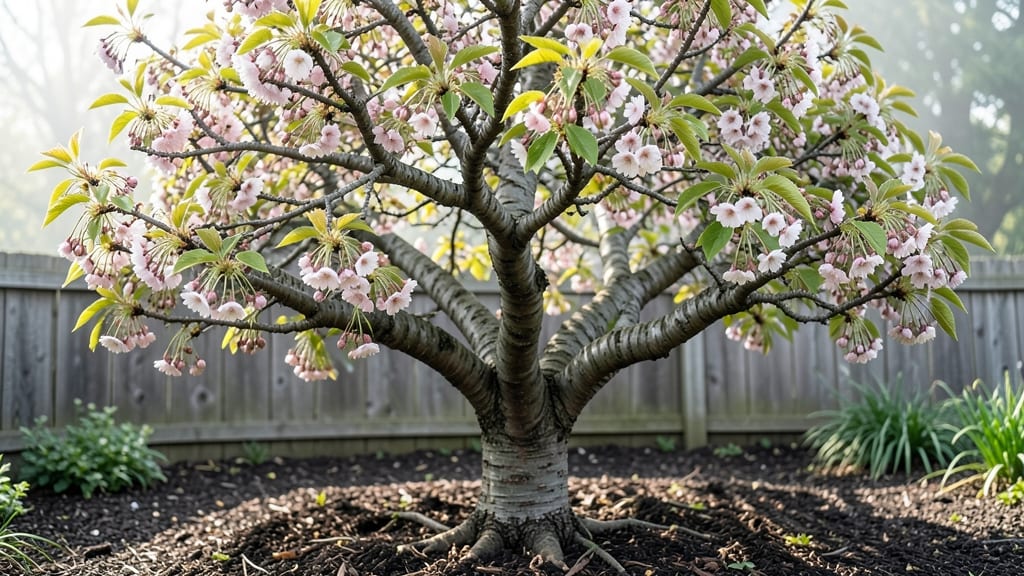
Plum trees bloom in the Pacific Northwest when the air hits 45°F for three consecutive days—that’s when the buds crack open like nature’s promise of spring. 🌸 I’ve watched my Japanese plum burst into pink and white clouds by mid-March, drawing hummingbirds before daffodils even think about leafing out.
The secret to reliable blooms isn’t just patience—it’s knowing when to prune (late winter) and which varieties thrive in your zone.
Most Pacific Northwest plums bloom 2-3 weeks earlier than their Midwest cousins, thanks to milder winters. But frost can still nip those delicate flowers—so choose late-blooming varieties like ‘Santa Rosa’ or ‘Larry Del’ if your area gets late freezes.
The right spot matters too: full sun and well-draining soil keep trees healthy enough to push new blooms year after year.
You’ll end up with weeks of fragrant blossoms if you time your pruning right—cut back in late winter to open the canopy for sunlight. Hummingbirds will hover, bees will buzz, and your neighbors will ask for your secrets.
The key is watching those buds closely and acting before the first hard frost.
For gardeners in USDA zones 7-9, this timing works like clockwork. In colder zones, opt for frost-resistant varieties like ‘Methley’ or ‘Shirofugen’—they’ll still bloom reliably even when temperatures dip. The payoff? A tree that’s as beautiful as it is productive, year after year.
📚 In This Guide
- What you need
- Instructions
- Tips and common mistakes
- Wrapping up and next steps
What you need
- ● Plum Tree Variety: Choose a frost-resistant cultivar like Prunus cerasifera ‘Thundercloud’ or Prunus salicina ‘Santa Rosa’ (both thrive in zones 5-9).
- ● Soil: Well-draining, slightly acidic to neutral soil (pH 6.0–7.0).
- ○ Optional: Mix in 2–3 inches of compost or aged manure for nutrient-rich soil.
- ● Fertilizer: Slow-release, balanced fertilizer (10-10-10 or 20-20-20) or organic options like bone meal or fish emulsion.
- ● Mulch: 2–3 inches of organic mulch (wood chips, straw, or pine needles) to retain moisture and insulate roots.
- ● Watering Supplies: Drip irrigation system or soaker hose (for consistent moisture).
- ● Watering can (for seedlings or young trees).
- ● Tools: Shovel or spade (for planting).
- ● Pruning shears (sterilized, for shaping and maintenance).
- ● Garden gloves (to protect hands).
- ○ Optional: Tree stake and ties (if planting in windy areas).
- ● Location: Full sun (6+ hours daily) and protection from strong winds. Avoid low-lying areas prone to frost pockets.
- ● Spacing: Plant trees 15–25 feet apart (depending on mature size).
- ● Timing: Plant bare-root trees in late fall or early spring (before buds swell).
- ● Container-grown trees can be planted year-round (except winter).
- ○ Hummingbird-Friendly Additions (Optional): Native flowering plants (e.g., Penstemon or Salvia) to complement the plum tree.
- ● Hummingbird feeder (place near the tree for extra attraction!).
Step-by-step guide to encouraging reliable plum tree blooms in the Pacific Northwest
Here’s how to coax vibrant, frost-resistant blossoms from your Northwest plum trees—so you’ll have hummingbirds buzzing by spring.
🌱 Step 1: Select the Right Variety for Your Climate
Not all plums thrive in the Pacific Northwest’s chilly winters and wet springs. Opt for frost-resistant varieties like Stanley, Larry Kelley, or Methley, which handle 10-15°F without flower damage. These varieties also bloom later, avoiding late frosts that can wipe out blossoms entirely. Check your USDA Hardiness Zone—most Northwest plums do best in Zones 5-8—and match the tree’s cold tolerance to your winter lows.
If you’re planting from a nursery, ask for self-pollinating cultivars or plant two compatible varieties within 50 feet of each other. Cross-pollination ensures fruit set, even if hummingbirds aren’t your primary focus. I’ve seen Larry Kelley produce heavy crops with minimal effort because it’s both cold-hardy and self-fertile.
☀️ Step 2: Position for Sunlight and Airflow
Plum trees need full sun—6 to 8 hours daily—to set abundant blooms, but they also require good air circulation to prevent fungal diseases like brown rot. In the Pacific Northwest, where humidity lingers, plant your tree at least 20 feet from structures and 15 feet from other trees. This spacing reduces shade and dampness, which can smother blossoms.
If your yard is shaded, choose a dwarf variety and plant it where it gets morning sun and afternoon shade—this balances bloom production with leaf health. Watch for yellowing leaves in late summer; this often signals insufficient light. Mulch around the base with 3-4 inches of wood chips to retain moisture and regulate soil temperature, which encourages stronger root systems for next year’s flowers.
💧 Step 3: Water Deeply During Critical Growth Stages
Plum trees bloom best when roots are deep and well-established. Water deeply once a week during the first two years after planting, soaking the soil to 18-24 inches down. In the Pacific Northwest’s rainy climate, you’ll likely need to supplement in late summer and early fall to prevent drought stress before winter dormancy. Use a soil probe to check moisture—if it’s dry at 6 inches, it’s time to water.
Overwatering in winter can rot roots, so reduce watering in December and January unless the ground is frozen. In late winter, just before buds swell, give the tree a deep soak to jumpstart growth. You’ll see tighter clusters of blossoms if the tree isn’t struggling for moisture during bloom time.
✂️ Step 4: Prune for Structure and Bloom Health
Prune your plum tree in late winter or early spring, just as buds begin to swell but before flowers open. Remove dead, crossing, or diseased branches first, then thin the canopy to let light penetrate to the center. Aim to keep the tree open and vase-shaped, which improves airflow and reduces humidity-related diseases. Cut back suckers (shoots growing from the base) immediately—they drain energy from blossoms.
If your tree is older and blooms sparsely, try renewal pruning: remove one-third of the oldest branches at the base in three-year rotations. This encourages new growth and more vigorous flowering. Avoid heavy pruning after June—it can stimulate late-season growth that’s vulnerable to frost damage in the Northwest.
🐝 Step 5: Protect Blooms from Late Frosts
The Pacific Northwest’s unpredictable late frosts (after buds swell but before flowers open) can devastate plum blossoms. Monitor your local frost forecast and be ready to act. If a 28°F or lower freeze is predicted, cover the tree with a frost blanket the night before. Secure the edges with bricks or stakes so wind doesn’t tear it away—plum branches are brittle when cold.
For extra protection, water the base deeply the day before—moist soil insulates roots slightly. If blooms are already open and frost hits, cover only the flowers with lightweight fabric (heavy blankets can smother them). Hummingbirds will still visit if a few flowers survive, but fruit set will be heavier if you shield the blossoms early in the season.
Tips & tricks for encouraging reliable plum tree blooms
Here's what nobody tells you about getting those vibrant Northwest plum blossoms—lessons I learned the hard way after watching too many trees fail in our unpredictable climate.
Variety Matters: When selecting your plum tree, dig deeper than just the name. The Stanley and Larry Kelley varieties I mentioned handle 10-15°F temperatures beautifully, but their real advantage is their delayed bloom time. This timing shift means they avoid those devastating late frosts that can wipe out blossoms completely. I've seen trees in Zone 6 with perfect bloom cycles because they were planted at the right time—late enough to avoid early frosts but early enough to capitalize on summer warmth.
Sunlight Strategy: The 6-8 hours of daily sun requirement isn't just about total sunlight—it's about quality. In the Pacific Northwest's often cloudy conditions, position your tree where it gets direct morning sun (when UV is strongest) and afternoon light (when temperatures are warmer). This combination gives your tree the energy boost it needs for robust blooming. I've noticed the Larry Kelley variety thrives with this exposure, producing tighter bloom clusters that attract more hummingbirds.
Watering Wisdom: That deep watering recommendation isn't just about quantity—it's about timing. The 18-24 inch deep soak should happen in late winter just as buds begin to swell, not during the actual bloom period. This timing jumpstarts growth without overloading the tree when it's already focused on producing flowers. I learned this after seeing trees with weak blooms from inconsistent watering patterns—consistency matters more than volume alone.
Frost Protection: The 28°F threshold is critical, but what happens when temperatures drop below that? Plum branches become incredibly brittle when cold, so when covering with frost blankets, secure them with bricks or heavy stakes at all four corners. I've seen frost blankets blow away in our windy Pacific Northwest, leaving branches exposed. Also, avoid heavy blankets—they can smother blossoms and prevent pollinators from accessing them. A lightweight fabric that still blocks cold air works best.
Pro Tips for Plum Trees Bloom
- Here's what nobody tells you about getting those vibrant Northwest plum blossoms—lessons I learned the hard way after...
- Variety Matters: When selecting your plum tree, dig deeper than just the name. The Stanley and Larry Kelley varieties...
- Sunlight Strategy: The 6-8 hours of daily sun requirement isn't just about total sunlight—it's about quality. In the ...
Frequently asked questions
Got questions about plum trees blooming in the Pacific Northwest? You’re not alone! Here are answers to the most common queries—from timing to troubleshooting—so your tree thrives and hummingbirds swoop in for the show.
When do plum trees typically bloom in the PNW?
Plum trees in the Pacific Northwest usually bloom in late winter to early spring (February–April), depending on the variety. Early-blooming types like Stanley or Methley may appear as early as February, while later varieties like Satsuma might wait until March or April. Frost warnings? Check your tree’s hardiness zone—some cultivars are frost-resistant, but late frosts can damage flowers.
How do I protect plum blossoms from late frost?
Late frosts can nip buds in the bud (literally!). If a frost is forecasted during bloom, cover trees with frost cloth or use overhead sprinklers to create a protective ice layer. Prune lightly in late winter to improve airflow, and choose late-blooming varieties like Larry Del for better frost resilience. Pro tip: Monitor weather apps like PNW AgWeather for alerts!
Why aren’t hummingbirds visiting my blooming plum tree?
Hummingbirds love plum blossoms, but a few factors might keep them away: pesticides (even natural ones) can deter them, so skip sprays during bloom. Also, ensure your tree has plenty of nectar-rich flowers—some varieties (like Santa Rosa) are more attractive. Add a hummingbird feeder nearby with a 4:1 sugar-water ratio to lure them in!
Can I plant a plum tree now, or should I wait for fall?
Fall (September–October) is ideal for planting plum trees in the PNW, giving roots time to establish before winter. However, bare-root trees can be planted in late winter (Jan–Feb) as long as the ground isn’t frozen. Avoid planting in summer heat—you’ll need extra watering and mulch to keep roots hydrated.
My plum tree bloomed but has no fruit—what’s wrong?
No fruit after blooms? A few culprits could be at play:
- Pollination issues: Plums are often self-pollinating, but cross-pollination (especially for Japanese plums) can boost yields. Plant a second variety nearby!
- Late frost damage: If frost zapped flowers, the tree won’t set fruit. Next year, try frost-hardy varieties like Elephant Heart.
- Over-pruning: Heavy pruning in late winter can remove flower buds. Prune after blooming to avoid this.
Wrapping up and next steps
Watching your plum tree bloom in the Pacific Northwest isn’t just a treat for the eyes—it’s a feast for hummingbirds and a symbol of resilience against frost! 🌸 With the right frost-resistant variety and a few thoughtful steps, you’ve got everything you need to nurture a thriving tree that attracts these tiny, energetic visitors.
The key? Patience, preparation, and a little love.
Now that you’re armed with knowledge, it’s time to roll up your sleeves! Whether you’re planting your first tree or fine-tuning your care routine, start small—prune, mulch, and monitor for blooms.
Soon, you’ll be sipping morning coffee while hummingbirds dart around your blossoms, and you’ll know: every effort was worth it. Happy gardening! 🌿✨