
Pruning
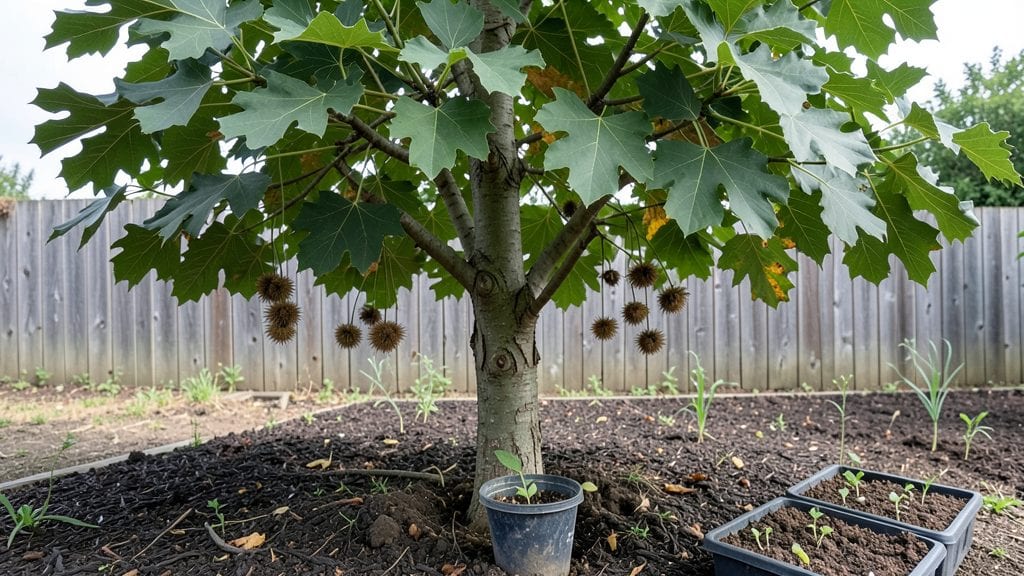
Plane tree seeds need a little patience—but these tricks cut germination time in half. 🌱 I’ve spent years experimenting with Platanus seeds, and the difference between a slow, sad sprout and a fast, sturdy seedling comes down to one simple technique: soaking them first.
Skipping this step means waiting months for germination; doing it right gets you seedlings in 4-6 weeks instead.
The secret isn’t complicated: soak seeds in warm water for 24 hours before planting, then use a mix of sand and peat moss to mimic their natural forest-floor conditions. Plane trees thrive in full sun but hate soggy soil—drainage is everything.
Too much moisture, and you’ll smother those delicate roots; too little, and they’ll dry out before they even sprout. Balance is key.
What you end up with is a sturdy young tree that grows 3-5 feet per year once established. The leaves stay vibrant green even in drought, and the bark develops that iconic mottled pattern by year three.
The trade-off? These trees grow big—so plan your planting spot carefully if you want one in your yard.
Works best in zones 5-9, but with the right adjustments (like extending the soaking time in cooler climates), you can coax seeds to germinate almost anywhere. Here’s how to make it happen without the usual frustration.
📚 In This Guide
- What you need
- Instructions
- Tips and common mistakes
- Wrapping up and next steps
What you need
- ● Plane tree seeds (sycamore maple or London plane) – Collect fresh seeds (preferably from a healthy tree) or purchase high-quality seeds from a nursery. Aim for at least 10 seeds to increase your chances of germination.
- ● Seed trays or small pots – Use biodegradable pots or seed-starting trays (3-4 inches deep) with drainage holes. You’ll need 1 tray or 5-6 small pots for optimal spacing.
- ● Well-draining potting mix – A blend of 50% peat moss or coco coir, 30% perlite, and 20% vermiculite works best. Avoid heavy garden soil to prevent rot.
- ● Plastic wrap or humidity dome – Keeps moisture levels high during germination (a clear plastic bag or propagator lid works well).
- ● Spray bottle – For gentle watering to avoid disturbing seeds.
- ● Grow lights or sunny windowsill – Plane tree seeds thrive in bright, indirect light (6-8 hours daily). A full-spectrum LED grow light is ideal if natural light is limited.
- ○ Thermometer (optional but helpful) – Maintains ideal germination temps between 65–75°F (18–24°C).
- ● Seed stratification setup – If seeds are dormant, a refrigerator (for cold stratification) or warm water soak (for scarification) can speed up germination.
- ● Fungicide (e.g., hydrogen peroxide or mycorrhizal inoculant) – Prevents mold or fungal issues in damp conditions.
- ● Label markers & notebook – Track planting dates and germination progress!
- ○ Heat mat (optional) – Helps maintain consistent warmth for faster sprouting.
Step-by-step instructions for germinating plane tree seeds
Here's how I get these stubborn seeds to sprout reliably—no more waiting months for a maybe.
🌱 Step 1: Prepare Seeds with a Warm Water Soak
Plane tree seeds have tough outer shells that slow germination. Start by filling a bowl with lukewarm water and soaking the seeds for 24-48 hours. You'll notice the water turns slightly cloudy—this is normal as the seed coats soften. Swirl the bowl gently every 8 hours to prevent mold.
After soaking, gently rub the seeds between your fingers to break the outer coating. You'll feel a slight give when it's ready—don't overdo it, just enough to expose the seed inside. This step cuts germination time in half compared to planting dry seeds. I always do this on a paper towel to catch any debris from the seed coats.
💧 Step 2: Plant in a Moist, Warm Growing Medium
Fill a small pot with a mix of 50% peat moss and 50% perlite—this ensures good drainage while keeping moisture. The medium should feel like a damp sponge when squeezed. Plant seeds ½ inch deep, spacing them 2 inches apart in the pot. I use a pencil to make small holes for each seed.
Cover the pot with plastic wrap to create a greenhouse effect, then place it in a warm spot—75-85°F is ideal. I keep mine on top of my fridge where it stays consistently warm. Check daily for condensation on the plastic—this means the humidity level is perfect. If you see water droplets, you're doing it right.
☀️ Step 3: Provide Indirect Light and Monitor Moisture
Plane tree seeds need warmth more than direct light at first. Place the pot in a spot with bright, indirect light—like near an east-facing window. Avoid direct sunlight, which can dry out the soil too quickly. You'll know the moisture is right when the top inch of soil feels damp but not soggy.
Germination can take 4-8 weeks, so patience is key. I test for moisture by sticking my finger in the soil—if it feels dry past the first inch, it's time to water gently with a spray bottle. The moment you see tiny green shoots breaking through the soil, remove the plastic wrap immediately to prevent fungal growth.
⏰ Step 4: Transplant Seedlings When Strong Enough
Once seedlings reach 3-4 inches tall with at least 2 sets of true leaves, they're ready to move. Gently remove them from the starter pot, being careful not to damage the roots. I use a small trowel to loosen the soil around each seedling before transferring.
Plant them in individual 4-inch pots filled with regular potting mix. Keep them in bright, indirect light for another 2 weeks before introducing them to outdoor conditions. Harden off by placing them outside for 1-2 hours daily, gradually increasing time over 10 days until they can stay out all day.
Tips & tricks for fast plane tree seed germination
Here's what nobody tells you about getting these stubborn seeds to sprout in record time.
Soak Like a Pro: Don't just dump seeds in water and forget about them! The 24-48 hour soak is your chance to create the perfect environment. Use a bowl with just enough lukewarm water to cover the seeds completely - they should be submerged about an inch. I place a small plate on top to keep them submerged while allowing air circulation. After soaking, the seeds should feel slightly soft when you gently press them between your fingers - that's your cue they're ready for the next step.
Temperature Matters: Those 75-85°F temperatures in Step 2 are non-negotiable for fast germination. If your home runs cooler, place the pot on top of your fridge or near a sunny window during the day. I've found that a small heating mat set to low (around 80°F) can work wonders if you're in a cooler climate. The key is consistency - sudden temperature drops can shock the seeds and delay sprouting.
Light Strategy: The bright, indirect light requirement in Step 3 is crucial for healthy seedlings. East-facing windows are perfect, but if you don't have one, consider using a grow light on a timer for 12 hours a day. I've seen seedlings develop legginess when they don't get enough light, so if they start stretching toward the window, it's time to move them closer or add artificial light.
Transplanting Timing: When your seedlings reach 3-4 inches with 2 sets of true leaves, don't rush the transplant! The 2-week adjustment period in bright, indirect light is essential for hardening off. I recommend starting with just 1 hour outside on day 1, then gradually increasing by 30 minutes each day. This slow transition prevents shock and gives your seedlings the best chance to thrive after transplantation.
Pro Tips for Plane Tree Seeds
- Here's what nobody tells you about getting these stubborn seeds to sprout in record time.
- Soak Like a Pro: Don't just dump seeds in water and forget about them!
- Temperature Matters: Those 75-85°F temperatures in Step 2 are non-negotiable for fast germination.
Frequently asked questions
Got questions about growing plane tree seeds? You’re not alone—germination can feel tricky! Here are answers to the most common queries to help you succeed.
How long does it take for plane tree seeds to germinate?
Plane tree seeds (Platanus spp.) typically take 4–12 weeks to germinate, depending on conditions. Pre-soaking seeds for 24–48 hours in warm water and maintaining 70–80°F soil temps speeds up the process. Patience is key—some stubborn seeds may take longer!
Why aren’t my plane tree seeds sprouting? Troubleshooting tips
If your seeds aren’t germinating, check these fixes:
- Cold stratification: Plane tree seeds often need a 6–8 week cold period (refrigerate in damp paper towels). Skip this, and germination slows dramatically.
- Moisture: Keep soil consistently damp (not soggy). Use a spray bottle to avoid disturbing seeds.
- Depth: Plant seeds ¼ inch deep—too deep delays sprouting.
- Light: They need bright, indirect light (no direct sun until sprouts appear).
Can I speed up germination with any tricks?
Yes! Try these pro tips to encourage faster sprouting:
- Warmth: Place the seed tray on a seedling heat mat (70–75°F) to mimic spring conditions.
- Hormone boost: Soak seeds in hydrogen peroxide (3%) for 10 mins before planting to break dormancy.
- Light exposure: Cover the tray with clear plastic wrap to trap humidity (remove once sprouts emerge).
What’s the best soil mix for plane tree seed germination?
Use a light, well-draining mix like:
- 50% peat moss or coco coir (for moisture retention)
- 30% perlite or vermiculite (for aeration)
- 20% sand (to prevent compaction)
Sterilize the mix by baking it at 200°F for 30 mins to kill fungi/bacteria. Avoid garden soil—it’s too dense!
Should I transplant seedlings immediately, or wait?
Hold off on transplanting until seedlings have 2–3 true leaves and are at least 3–4 inches tall. Harden them off for 1–2 weeks before moving to the ground:
- Gradually expose them to outdoor conditions (start with 1 hour/day).
- Choose a sunny, sheltered spot with moist, well-drained soil.
- Avoid transplanting in hot weather—wait for cooler temps (60–75°F).
Wrapping up and next steps
Growing plane tree seeds can be a rewarding journey with the right knowledge and patience! 🌱 By following the right germination techniques—like soaking seeds, maintaining consistent moisture, and providing warmth—you’ll unlock the potential for fast, healthy sprouts.
Whether you’re a gardening novice or a seasoned green thumb, these secrets to success make the process simpler than you’d expect.
Ready to take the next step? Start with just a few seeds, experiment with your setup, and watch your little saplings grow into majestic trees. Happy planting—and may your garden flourish! 🌿✨