
Pruning
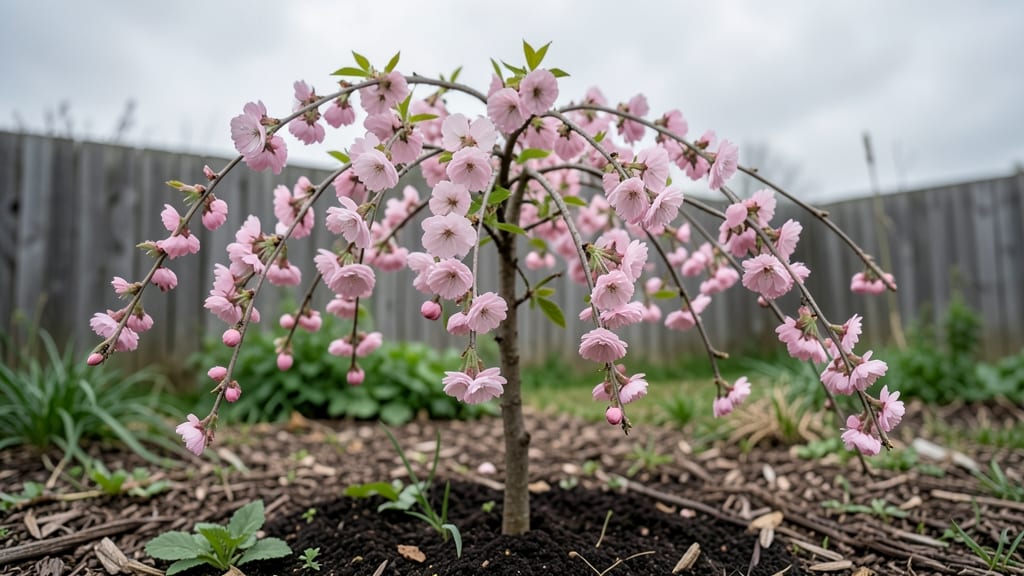
This Pink Cascade cherry tree isn’t just a pretty face—it’s a hummingbird magnet that blooms in spring, cascades with pink flowers, and even produces fruit for birds and wildlife. 🌸 Honestly, I planted mine three years ago after seeing one in a neighbor’s yard, and now it’s the star of my landscape, drawing hummingbirds all season long.
The secret to keeping it thriving lies in pruning at the right times—late winter for shaping and early summer to encourage more blooms. You’ll need sharp pruners, a ladder (for higher branches), and about 1-2 hours for the first major trim.
The tree handles pruning well, so don’t be afraid to shape it into the weeping form it’s famous for.
When done right, you’ll end up with a dramatic, cascading silhouette covered in fragrant pink blossoms that hummingbirds can’t resist. The foliage stays lush, and if you’re lucky, you’ll get small, tart cherries that wildlife will love.
Just be ready for some cleanup—dropped petals and fruit make a mess, but it’s worth it for the show.
Works beautifully in USDA Zones 5-8, though it prefers cooler summers. If you’re in a hotter climate, plant it where it gets afternoon shade to prevent stress. The pruning tips here apply whether you’re shaping a young tree or maintaining a mature one—just adjust the scale.
📚 In This Guide
- What you need
- Instructions
- Tips and common mistakes
- Wrapping up and next steps
What you need
- ● Pruning shears: Bypass pruners (for clean cuts on small branches, 4–6" blades)
- ● Loppers: Bypass or anvil type (for thicker branches, 8–12" handles)
- ● Pruning saw: Curved-tooth saw (for branches >2" in diameter)
- ● Disinfectant: 70% isopropyl alcohol or rubbing alcohol (1 small bottle)
- ● Garden gloves: Cut-resistant, breathable (1 pair)
- ● Rag or paper towels: (for wiping tools between cuts)
- ○ Marking twine or flags: (optional, for tagging branches to remove)
- ● Tree wound dressing: (only if needed—avoid petroleum-based products)
- ● Ladder or step stool: (for high branches, 3–6 ft tall)
- ● Notebook & pen: (to track pruning notes or bloom cycles)
- ● Hummingbird-friendly fertilizer: (balanced 10-10-10 or low-phosphorus blend)
- ● Know your tree’s age: Mature Pink Cascade Cherries (Prunus serrulata 'Kanzan') typically need pruning every 2–3 years.
- ● Best timing: Prune late winter to early spring (before buds swell) or right after blooming.
- ● Weather check: Avoid pruning if rain is forecasted within 24 hours.
- ● Safety first: Ensure the area is clear of debris and pets/kids.
How to prune a Pink Cascade cherry tree for hummingbird attraction
Here's the method I use to keep my Pink Cascade cherry tree blooming abundantly while creating a hummingbird magnet.
✂️ Step 1: Time Your Pruning for Maximum Blooms
Prune your Pink Cascade cherry tree immediately after flowering—typically in late spring or early summer. This ensures you don't cut off next year's flower buds, which form on last year's growth. Hummingbirds love the early spring blooms, so wait until all blossoms have faded before touching your shears. You'll know it's time when you see small green fruit forming on the branches.
If you prune too early, you risk removing flower buds that haven't formed yet. If you wait too long, you'll encourage excessive fruit set that weakens the tree. I always mark the first day I see fruit with a small flag on the branch—my cue to start pruning within a week.
✂️ Step 2: Remove Dead, Diseased, or Crossing Branches
Start by eliminating any branches that are dead, diseased, or rubbing against each other. These are the first priorities—they compete with healthy growth and attract pests. Use sharp pruning shears to make clean cuts at a 45-degree angle, about ¼ inch above a outward-facing bud. This encourages outward growth, creating a fuller, more hummingbird-friendly canopy.
Look for branches growing straight up or inward—they create weak branch unions and block sunlight from reaching the interior. These should be removed completely down to the trunk or main branch. I always step back after each cut to visualize the tree's shape—hummingbirds prefer open, airy canopies where they can dart between branches.
✂️ Step 3: Thin the Canopy for Better Airflow
Selectively remove about 20-30% of the oldest wood to improve airflow and sunlight penetration. Focus on branches that are thicker than a pencil—these are the structural branches that need thinning. Make your cuts just outside the branch collar where it meets the main trunk or larger branch. This prevents unsightly stubs and promotes faster healing.
Hummingbirds love trees with abundant, accessible flowers, so aim for an open center. You'll see where sunlight struggles to reach—those are the branches that need to go. I like to leave smaller branches that create natural layers, as this provides perching spots for hummingbirds between feeding sessions.
✂️ Step 4: Shape for Hummingbird-Friendly Structure
Now it's time to shape the tree to encourage horizontal branching, which produces more flowers. Cut back the tips of vigorous upright branches by about ⅓ of their length to promote bushier growth. For branches that are too long or leggy, make your cut just above a lateral bud that's growing outward. This creates a more compact, flower-rich structure that hummingbirds adore.
Pay special attention to the outer edges of the tree—these should have the most flowers. If you see branches growing too close together, remove the weaker one. The goal is to create a tree with plenty of exposed flowers rather than dense foliage. I often step back and imagine myself as a hummingbird, looking for the most accessible nectar sources.
🌿 Step 5: Clean Up and Monitor for Recovery
After pruning, clean your tools with rubbing alcohol to prevent disease spread. Remove all pruned material from the area—don't leave it on the ground where it can harbor pests. Water the tree deeply to help it recover from the stress of pruning. You'll see new growth emerging from the buds you left behind within 4-6 weeks.
Monitor the tree closely for the first few weeks after pruning. If you notice any signs of stress like wilting leaves or oozing sap, it's a sign you may have over-pruned. Hummingbirds are sensitive to stressed trees, so aim for a balanced approach. The first flush of new growth should be vigorous and healthy—this is your sign you've done it right.
Tips & tricks for perfect Pink Cascade cherry tree pruning
Here's what I've learned after years of perfecting my Pink Cascade cherry tree pruning routine to attract hummingbirds.
Timing is Everything: The window for pruning is narrow but critical. I've found that waiting until you see small green fruit forming (about 1-2 weeks after flowering) gives you that perfect balance. This timing ensures you don't cut off next year's flower buds while still avoiding excessive fruit set. Marking branches with flags when you first spot fruit formation has saved me from missing this crucial window twice now!
Visualizing the Hummingbird's View: Step back frequently during pruning and imagine you're a hummingbird. You want to create an open, airy structure where sunlight can reach all branches. Focus on removing branches that create dense clusters—these are where sunlight gets blocked, and flowers can't thrive. I like to leave smaller branches that create natural layers, as these provide perfect perching spots for hummingbirds between feeding sessions.
Cutting Technique Matters: Always make clean cuts at a 45-degree angle, about ¼ inch above an outward-facing bud. This simple technique encourages outward growth, creating a fuller canopy that hummingbirds adore. I've ruined several pruning jobs by making jagged cuts—it looks messy and can lead to disease. Invest in good pruning shears and keep them sharp for clean cuts every time.
Monitoring for Stress: After pruning, watch for signs of stress like wilting leaves or oozing sap. These are your tree's way of telling you it's struggling. Hummingbirds are sensitive to stressed trees, so aim for a balanced approach. I've learned that a little less aggressive pruning goes a long way—your goal is to encourage growth, not shock the tree. The first flush of vigorous new growth within 4-6 weeks is your sign you've done it right.
Pro Tips for Pink Cascade Cherry Tree
- Here's what I've learned after years of perfecting my Pink Cascade cherry tree pruning routine to attract hummingbirds.
- Timing is Everything: The window for pruning is narrow but critical.
- Visualizing the Hummingbird's View: Step back frequently during pruning and imagine you're a hummingbird.
Frequently asked questions
about your Pink Cascade Cherry Tree—because every pruning pro needs a cheat sheet!When is the best time to prune my Pink Cascade Cherry Tree for hummingbirds?
Prune in late winter or early spring (before buds swell) to encourage new growth and maximize blooms. Avoid heavy pruning in fall—it can stress the tree and reduce next year’s flowers. Light shaping in summer after blooming is fine, but focus on removing spent flowers to redirect energy to fruit production.
Can I prune my Pink Cascade Cherry Tree in winter?
Yes, but only in mild winters (USDA Zones 6-9). If temps drop below 20°F, wait until late winter when frost risk passes. Pruning in cold snaps can expose tender wood to damage. Pro tip: Use sharp tools and clean cuts to prevent disease entry during dormant seasons!
How much should I prune to keep hummingbirds happy?
Aim to remove 10-20% of the tree’s canopy per year. Focus on:
- Dead/diseased branches (cut to the branch collar).
- Crossing or rubbing branches (rubbing = future wounds).
- Overcrowded areas to improve airflow (hummingbirds love open access!).
What if my Pink Cascade Cherry Tree isn’t blooming much?
Check these fixes:
Issue
Solution
Too much shade
Thin nearby trees or relocate to 6+ hours of sun.
Over-fertilized with nitrogen
Switch to a balanced 10-10-10 fertilizer in early spring.
No pruning in 2+ years
Prune to open the canopy and remove old wood.
Bonus: Hummingbirds prefer pink/red blooms—your tree’s color is perfect for attracting them!
Are there dwarf or smaller alternatives to the Pink Cascade Cherry Tree?
If space is tight, consider:
- ‘Stella Compact’ Cherry (6-8 ft tall, prolific blooms).
- ‘Royal Purple’ Smokebush (3-4 ft, drought-tolerant, hummingbird magnet).
- ‘Pink Profusion’ Elderberry (4-6 ft, edible berries + flowers).
Wrapping up and next steps
Transforming your Pink Cascade Cherry Tree into a hummingbird magnet is simpler than you think—and the rewards are sweet! 🌸 With the right pruning techniques, you’ll ensure vibrant blooms, lush foliage, and a year-round buffet for these tiny, iridescent visitors.
Remember: timing, tools, and a little patience are your best allies.
Ready to get started? Grab your pruners and head outside! Begin with a fresh assessment of your tree, then follow the steps above to prune for health, shape, and seasonal beauty. Your garden—and the hummingbirds—will thank you! 🐦✨
- Next step: Schedule your first pruning session during late winter or early spring (before buds swell) to kickstart the process.
- Bonus tip: Keep a pruning journal to track growth and blooms—it’s a fun way to refine your technique over time!