
Pruning
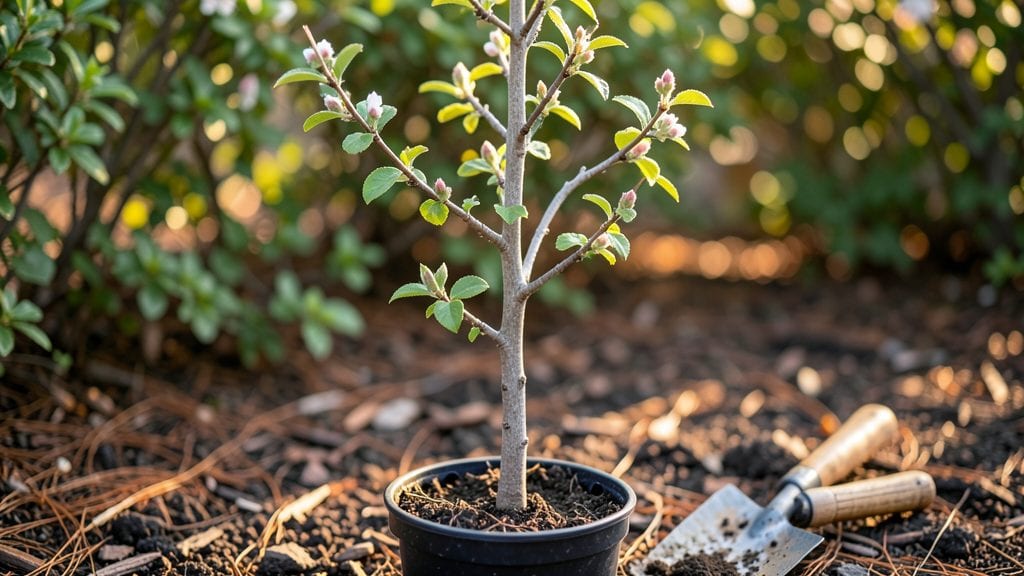
Starting a peach tree from a cold-hardy starter in the Pacific Northwest isn’t just possible—it’s a game-changer for fresh fruit lovers. 🌱 I’ve watched my own tree survive winters that would freeze lesser varieties, and now it’s heavy with fruit by July.
The secret lies in choosing the right variety and giving it the perfect start.
Bare-root starters are ideal for early planting, while potted trees offer flexibility if you’re working around timing. Your site needs full sun, well-draining soil, and protection from harsh winds—especially in zones where winter chill matters.
Once planted, the first year is all about patience: consistent watering, light pruning, and avoiding heavy fertilizer until roots establish.
By spring, you’ll see new growth that’s shockingly vigorous, with branches ready to bear fruit in just a few years. The tree’s deep roots also mean better drought resistance once established. With the right care, your peach tree will outperform store-bought varieties and become the star of your orchard.
Works for both backyard gardens and containers in milder microclimates. Let’s get that tree in the ground right—here’s how to do it without common pitfalls.
📚 In This Guide
- What you need
- Instructions
- Tips and common mistakes
- Wrapping up and next steps
What you need
- ● Cold-hardy peach tree starter: Choose a Prunus persica variety like ‘Reliance,’ ‘Redhaven,’ or ‘Elberta’—all rated for USDA Zones 5-7 (PNW-friendly!). Nursery-grown bare-root saplings (1-2 years old) or containerized plants (3-5 gallons) work best.
- ● Shovel or trowel: A round-point shovel (for digging) or a hand trowel (for precision) to plant roots without damage.
- ● Well-draining soil: Mix 50% native soil with 50% compost or a peach tree-specific potting mix (pH 6.0–7.0). Avoid clay-heavy soils—amend with sand or perlite if needed.
- ● Organic mulch: 6–8 inches of wood chips, straw, or pine bark to retain moisture and regulate soil temp.
- ● Watering can or hose with nozzle: A gentle spray attachment to avoid displacing soil around roots.
- ● Fertilizer: Balanced 10-10-10 or citrus-specific fertilizer (low nitrogen to prevent frost sensitivity). Apply ¼ cup per tree at planting.
- ● Planting hole: Dig a hole twice as wide as the root ball and 1–2 inches shallower than the container depth.
- ● Root stimulator: A mycorrhizal fungus powder or seaweed extract to boost root establishment (mix into soil).
- ● Tree guard or wire cage: Protects young trees from deer or voles (common in PNW!).
- ● Drip irrigation kit: Automates watering—critical during PNW’s dry summers.
- ● Pruning shears: Bypass pruners (sharp, 6–8 inch blades) for post-planting cleanup.
- ● Soil thermometer: Ensures roots aren’t planted in frozen ground (wait until soil temps hit 45°F+).
Step-by-Step guide to starting cold-hardy peach trees in the Pacific Northwest
Here's how I've successfully established peach trees that survive our region's winters—no fancy equipment needed.
🌱 Step 1: Select the Right Cold-Hardy Variety and Planting Site
Choose a Pacific Northwest-specific variety like 'Lapins' or 'Reliance', both rated for USDA Zone 5—they handle our winters better than traditional peaches. Look for 1-2 year old bare-root whips from a reputable nursery, as they establish faster than container-grown trees. The ideal site gets full sun (6+ hours daily) and has well-draining soil with a slight slope to prevent winter waterlogging.
Test your soil's pH—peaches prefer 6.0-7.0. If your soil is too acidic, amend with lime before planting. Avoid low spots where cold air pools, as peach trees can't tolerate prolonged freezing. I always plant mine near a south-facing wall for extra winter protection.
🪴 Step 2: Prepare the Planting Hole and Amend Soil
Dig a hole twice as wide as the root ball but no deeper—peach roots need room to spread horizontally. Loosen the sides of the hole with a shovel to encourage root expansion. Mix the native soil with compost (about 1 part compost to 3 parts soil) and a handful of bone meal for phosphorus to support root growth.
Create a small mound in the center of the hole. Place the tree on top so the graft union (visible bump near the base) sits 2-3 inches above soil level. This prevents rot if the ground heaves in winter. Backfill with the amended soil, tamping gently as you go to remove air pockets.
☀️ Step 3: Water Deeply and Mulch for Winter Protection
Water the newly planted tree deeply—aim for 10 gallons—to settle the soil and encourage roots to spread. Avoid wetting the trunk itself, as soggy bark invites disease. Install a 4-inch mulch ring around the base, using wood chips or straw, but keep it 6 inches away from the trunk to prevent rot.
In the Pacific Northwest's first winter, wrap the trunk with tree guard or burlap to shield it from east winds, which can desiccate bark. I also mound extra soil or straw around the base (about 6 inches high) to insulate roots. Remove the mound in early spring before new growth begins.
✂️ Step 4: Prune for Structure and Winter Hardiness
Prune in late winter (February) while the tree is still dormant. Remove dead, crossing, or inward-growing branches first—these compete for energy. Open the center of the tree to allow sunlight and air circulation, which reduces disease risk. Cut back suckers (shoots growing from the base) immediately, as they drain the tree's resources.
Leave 3-4 main scaffold branches evenly spaced around the trunk. Prune at a 45-degree angle just outside the branch collar to promote faster healing. Avoid heavy pruning—remove no more than 25% of the canopy in the first year. This keeps the tree strong enough to handle our region's freeze-thaw cycles.
⏰ Step 5: Monitor and Adjust for Seasonal Challenges
In early spring, remove the winter mulch mound but leave the 4-inch ring in place until soil warms. Water deeply every 7-10 days during dry spells, aiming for 1-1.5 inches of water per week. Peach trees need consistent moisture to set fruit, but soggy soil invites root rot—so always check drainage.
Watch for peach leaf curl, a fungal disease common in our damp springs. Spray with copper fungicide in late fall and early spring as a preventative. If you see brown, curled leaves in spring, prune them off immediately and sterilize your pruners with rubbing alcohol. Healthy foliage means better fruit set next year.
Tips & tricks for perfect cold-hardy peach tree establishment
Planting peach trees in the Pacific Northwest takes strategy—here are the key tricks I've learned to ensure your trees thrive through our challenging winters.
Variety Selection Matters: While 'Lapins' and 'Reliance' are excellent choices, also consider 'Crimson Snow' for its cold tolerance and disease resistance. When ordering bare-root whips, check the graft union—it should be clearly visible and healthy. I always verify the nursery's track record for shipping cold-hardy varieties, as some online sellers mislabel trees. The right variety makes all the difference between a tree that survives and one that thrives.
Soil Preparation Secret: In Step 2, don't just mix compost—add a handful of kelp meal to the soil mix for extra trace minerals. Our Pacific Northwest soil often lacks potassium, which is critical for winter hardiness. I also recommend testing soil drainage by digging a test hole and filling it with water—if it drains slower than 4 hours, you'll need to amend with more sand or create raised beds. Proper drainage prevents root rot, which is deadly in our wet winters.
Winter Protection Upgrade: For the first two winters, I double up on protection by wrapping the trunk with burlap AND covering it with tree wrap (available at garden centers). The burlap shields against wind desiccation, while the tree wrap prevents sun scald that can occur when winter sun hits frozen bark. In particularly harsh winters, I've even added a lightweight frost blanket over the entire tree, secured with stakes—this has saved trees from extreme cold snaps.
Pruning Precision: When pruning in late winter, focus on creating an open center that allows sunlight to reach all branches. I use a 3-cut method for larger branches: first cut about 12 inches from the branch collar, then make the final cut just outside the collar. This prevents tearing and promotes faster healing. Remember, you can always prune more later, but you can't put back what you cut off too soon.
Pro Tips for Peach Tree Starter
- Planting peach trees in the Pacific Northwest takes strategy—here are the key tricks I've learned to ensure your trees thrive through our challenging winters.
- Variety Selection Matters: While 'Lapins' and 'Reliance' are excellent choices, also consider 'Crimson Snow' for its cold tolerance and disease resistance.
- Soil Preparation Secret: In Step 2, don't just mix compost—add a handful of kelp meal to the soil mix for extra trace minerals.
Frequently asked questions
Got questions about starting your own peach tree in the Pacific Northwest? Here are some common concerns—and the answers you need to plant with confidence!
What are the best cold-hardy peach tree varieties for PNW winters?
The Relenta and Reliance varieties are top picks for the PNW, surviving down to -15°F with proper care. Look for dwarf rootstock options if space is limited—they’re easier to manage and still produce sweet fruit!
How do I protect my peach tree starter from frost or late spring freezes?
Use frost cloth or row covers during blooming season (April–May in the PNW). For young trees, wrap the trunk with burlap or tree wrap to shield against cold winds. Mulch heavily with straw or wood chips in winter to insulate roots.
Can I grow a peach tree from a grocery store peach pit?
While it’s possible, don’t expect reliable fruit—store-bought pits often produce wild, inedible peaches. For a true PNW-friendly tree, buy a certified cold-hardy starter from a local nursery. It’s worth the investment for consistent harvests!
How long does it take for a peach tree starter to bear fruit?
Dwarf varieties may fruit in 2–3 years, while standard trees can take 4–5 years. Patience pays off! Ensure full sun (6+ hours/day), well-draining soil, and regular pruning to speed up fruiting. Pro tip: Fertilize lightly in early spring to boost growth.
Why are my peach tree leaves curling or yellowing?
Common culprits include peach leaf curl (a fungal disease), aphids, or nutrient deficiencies. Treat fungal issues with copper fungicide in late winter. For pests, spray with neem oil or introduce ladybugs. Test soil pH (ideal: 6.0–6.5) and amend with compost if needed.
What’s the best alternative if peach trees struggle in my microclimate?
Consider apricot or plum varieties like Stanley (apricot) or Methley (plum)—both tolerate PNW winters better than peaches in some areas. Japanese plum trees are another great low-maintenance option with fewer disease risks.
Wrapping up and next steps
Planting a cold-hardy peach tree starter in the Pacific Northwest is a rewarding way to enjoy fresh, juicy fruit while embracing the region’s unique climate. By choosing the right variety—like ‘Reliance,’ ‘Redhaven,’ or ‘Elberta’—and following proper pruning and care techniques, you’ll set your tree up for long-term success.
With patience and a little know-how, you’ll soon be harvesting sweet peaches that taste like summer, even in cooler winters. 🌱
Ready to get started? Visit your local nursery or order a cold-hardy peach tree starter today! Whether you’re a seasoned gardener or a beginner, now’s the perfect time to plant the seeds for a fruitful future. Happy growing! 🍑✨