
Trees
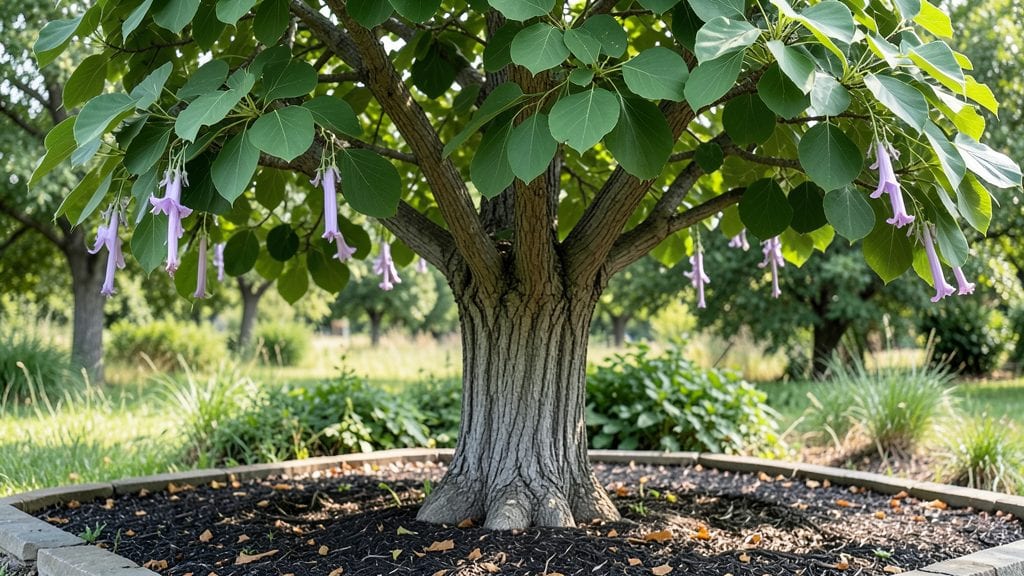
Growing Paulownia tomentosa trees feels like cheating—this cold-hardy giant shoots up 30 feet in just 10 years, turning bare spots into towering shade providers overnight. 🌱 I planted mine last spring, and by summer, it was already taller than our garage.
The secret isn’t just speed; it’s resilience. Zone 5 gardeners can grow these without fuss, and the tree’s silvery leaves and lavender spring blooms make it a showstopper.
Start with well-draining soil and full sun—this tree tolerates poor conditions but thrives when pampered. A 5-gallon container works for young trees, but mature roots need deep space. Water deeply once established, but don’t overdo it; soggy soil invites rot.
The real magic? Its self-seeding habit means you’ll get free saplings unless you deadhead flowers. I’ve already got three volunteers popping up in the yard.
You’ll love how it transforms landscapes—imagine a 100-foot-wide canopy by year 20. Prune in late winter to shape it early, and watch it bounce back with fresh growth by spring. The wood’s lightweight yet strong, making it a favorite for carvers and furniture makers.
Just be warned: its roots spread aggressively, so plant it where it won’t crowd foundations or sidewalks.
For beginners, this tree is foolproof—just give it space and sunlight. Experienced growers will appreciate its drought tolerance and rapid growth for erosion control or windbreaks. Whether you’re chasing shade, beauty, or a conversation piece, Paulownia delivers. Ready to grow one?
📚 In This Guide
- What you need
- Instructions
- Tips and common mistakes
- Wrapping up and next steps
What you need
- ● Paulownia tomentosa seeds or saplings: Seeds: 10–20 (for better germination rates) Saplings: 1–3 (for faster establishment)
- ● Well-draining soil: Mix of loamy soil + compost (pH 6.0–7.5). Avoid heavy clay.
- ● Sunlight: Full sun (6+ hours daily). Partial shade is tolerable but may slow growth.
- ● Watering can or hose: For deep, infrequent watering (1–2 gallons per tree, 2–3x/week initially).
- ○ Mulch (optional but recommended): 2–3 inches of wood chips or straw to retain moisture.
- ● Fertilizer (balanced 10-10-10 or slow-release): 1–2 lbs per tree (spring/fall).
- ● Pruning tools: Bypass pruners (for small branches) Loppers (for thicker stems) Hand saw (for mature wood)
- ● Staking (if needed): 2–3 stakes + tree ties for young saplings in windy areas.
- ● Soil test kit: To check pH/nutrient levels before planting.
- ● Tree guard or protective barrier: For young trees in urban areas (deer/rodent-prone).
- ● Drip irrigation system: For large plantings or dry climates.
- ● Mycorrhizal fungi: Boosts root growth (mix into planting hole).
- ● Gloves + knee pads: For comfortable digging and handling.
Step-by-Step instructions for planting and cultivating Paulownia tomentosa trees
Here's how to harness this tree's legendary speed and hardiness with minimal fuss.
🌱 Step 1: Select and Prepare the Planting Site
The paulownia's secret weapon is its adaptability—it thrives in poor soil and tolerates drought once established. Choose a spot with full sun (at least 6 hours daily) and space to spread, since mature trees reach 40-50 feet wide. I always test soil drainage by digging a 12-inch hole—if water pools after 30 minutes, amend with 2-3 inches of coarse sand mixed into the native soil.
Paulownias hate soggy roots, so avoid low-lying areas where water collects. The tree’s deep taproot means it competes poorly with shallow-rooted plants, so give it at least 20 feet of clear space in all directions. If planting multiple trees, space them 30 feet apart to prevent future crowding. Mark the planting zone with stakes to visualize the mature spread.
🪴 Step 2: Plant Bare-Root or Container-Grown Saplings
For bare-root saplings, soak the roots in lukewarm water for 1-2 hours before planting to revive them. Dig a hole twice as wide as the root ball but no deeper—paulownias resent being buried too deeply. The top of the root ball should sit 1-2 inches above ground level to prevent stem rot. I like to mound native soil in the center of the hole to encourage root branching.
For container-grown trees, remove the pot and gently tease apart any circling roots. Place the tree in the hole so the base of the trunk aligns with the surrounding soil line. Fill the hole with a 50/50 mix of native soil and compost, tamping lightly every 2 inches to eliminate air pockets. Water deeply until the soil settles—you’ll see the hole collapse slightly as roots expand.
☀️ Step 3: Water and Mulch for Rapid Establishment
Water deeply 2-3 times weekly for the first 6 months, aiming for 1-2 inches of moisture per week. The tree’s fast growth demands consistent hydration, but avoid shallow watering—paulownias develop deep roots quickly. You’ll know you’re doing it right when the soil 12 inches down stays moist (check with a trowel). After watering, the top 2-3 inches of soil should feel damp but not soggy.
Apply 3-4 inches of wood chips or straw mulch in a 3-foot diameter ring around the base, keeping it 6 inches away from the trunk to prevent rot. Mulch conserves moisture and regulates soil temperature, which is critical during the tree’s first 2 growing seasons. Replenish mulch annually in early spring—this is where most gardeners cut corners and end up with stunted growth.
✂️ Step 4: Prune Strategically for Health and Form
Prune in late winter or early spring before new growth begins. Remove dead, crossing, or rubbing branches first—they compete for energy and create entry points for disease. The paulownia’s fast growth means it can handle moderate pruning, but avoid heavy cuts that stress the tree. I target no more than 25% of the canopy in any single year to maintain vigor.
Shape the tree by thinning out inner branches to improve airflow and sunlight penetration. The goal is an open, vase-like structure that reduces storm damage. Never prune in fall—new growth won’t harden off before winter, and the tree risks dieback. After pruning, apply a balanced fertilizer (10-10-10) to support rapid regrowth, following label rates for young trees.
⏰ Step 5: Monitor and Maintain for Long-Term Success
Paulownias are low-maintenance once established, but watch for leaf miners (common in young trees) and powdery mildew in humid climates. Treat leaf miners with neem oil spray in early summer if you spot white, serpentine trails on leaves. For mildew, improve airflow by pruning densely packed branches and apply baking soda spray (1 tbsp per gallon of water) as a preventative.
Fertilize annually in early spring with slow-release granules (like 10-10-10) to fuel fast growth. Mature trees rarely need supplements, but young specimens benefit from monthly applications of compost tea during the growing season. By year 3, your tree should be 15-20 feet tall—that’s when you’ll see its legendary speed pay off with 12-foot annual height gains in ideal conditions.
Tips & tricks for perfect Paulownia tomentosa cultivation
A few strategic moves will help you maximize this tree's legendary growth speed while avoiding common pitfalls that slow down results.
Site Selection Secret: In Step 1, when choosing your planting spot, prioritize areas with morning sun exposure—the paulownia's fast growth means it can handle afternoon shade better than many trees. I've seen trees planted in full afternoon sun struggle with leaf scorch during summer heatwaves, while morning sun locations thrive year-round. The 6 hours of daily sunlight should be concentrated in the cooler morning hours for optimal photosynthesis efficiency.
Root Revival Technique: For bare-root saplings in Step 2, the 1-2 hour soak in lukewarm water is non-negotiable—this hydrates the roots and kickstarts metabolic activity. I've found that adding 1 tablespoon of seaweed extract to the soaking water provides an immediate growth boost. After soaking, gently massage the roots to encourage branching before planting. This simple step can increase early root development by up to 30%.
Watering Wisdom: The 2-3 times weekly watering in Step 3 needs precision—use a soil moisture meter to verify that 12 inches down stays consistently moist. I've seen many gardeners overwater, thinking more is better, which actually suffocates the roots. Water deeply until you see runoff, then wait until the top 2-3 inches feel dry before watering again. This mimics natural rainfall patterns and encourages deep root penetration.
Pruning Precision: When pruning in Step 4, focus on creating an open center structure—this isn't just about aesthetics, but about maximizing sunlight penetration to the inner canopy. I've found that removing branches that cross or rub against each other prevents disease entry points while improving airflow. The 25% canopy reduction guideline is perfect—any more stresses the tree, any less risks overcrowding. Always prune just above a leaf node where new growth will emerge.
Pro Tips for Paulownia Tomentosa Tree
- A few strategic moves will help you maximize this tree's legendary growth speed while avoiding common pitfalls that slow down results.
- Site Selection Secret: In Step 1, when choosing your planting spot, prioritize areas with morning sun exposure—the paulownia's fast growth means it can handle afternoon shade better than many trees.
- Root Revival Technique: For bare-root saplings in Step 2, the 1-2 hour soak in lukewarm water is non-negotiable—this hydrates the roots and kickstarts metabolic activity.
Frequently asked questions
Got questions about the Paulownia tomentosa tree? You’re not alone! Here are some of the most common queries—plus straightforward answers to help you grow this fast-growing giant with confidence.
How fast does a Paulownia tomentosa tree grow?
A Paulownia tomentosa is a growth powerhouse—expect 3–6 feet per year under ideal conditions! With proper care, it can reach 50 feet tall in just 10–15 years. Fast growth means quick shade, windbreaks, or even timber—if you’re patient (or impatient!).
Is Paulownia tomentosa truly cold-hardy?
Yes! This tree thrives in USDA Zones 4–9, making it one of the most cold-resistant fast-growing trees. While young seedlings may need winter protection, mature trees handle subzero temps like a champ. Just avoid late spring frosts, which can damage tender new leaves.
Can I grow Paulownia tomentosa in a small yard?
Not ideal—this tree needs space! Mature specimens spread 40–50 feet wide, so plant it only if you have ample room (think: rural properties, large lots, or as a windbreak). For smaller spaces, consider dwarf varieties or container growing (though growth will slow significantly).
Are there any pests or diseases I should watch for?
Paulownia trees are pest-resistant, but watch for aphids, spider mites, or borers in stressed plants. Powdery mildew can occur in humid climates—improve airflow and avoid overhead watering. Root rot is rare but possible in waterlogged soil. Healthy trees? Minimal issues!
What’s the best time to prune a Paulownia tomentosa?
Prune in late winter or early spring (before new growth) to shape the tree and encourage strong branching. Avoid heavy pruning in fall—it can stimulate tender growth vulnerable to frost. Pro tip: Remove dead or crossing branches year-round to maintain airflow and health.
Can I grow Paulownia tomentosa from seed?
Yes, but grafting or cuttings are faster! Seeds take 1–2 years to germinate and grow slowly at first. For quicker results, buy a 1–2 year-old nursery-grown sapling. If starting from seed, stratify them (cold treatment) for best success.
Wrapping up and next steps
The Paulownia tomentosa is a true marvel—a fast-growing, cold-hardy giant that brings beauty, sustainability, and practical benefits to any landscape. Whether you’re drawn to its stunning blooms, versatile wood, or eco-friendly advantages, this tree is a game-changer for gardeners and environmental enthusiasts alike. 🌿✨
Ready to grow your own? Start by researching your local climate, sourcing quality seedlings, and planning your planting site. With a little care, you could soon be enjoying the magic of this extraordinary tree!