Pruning
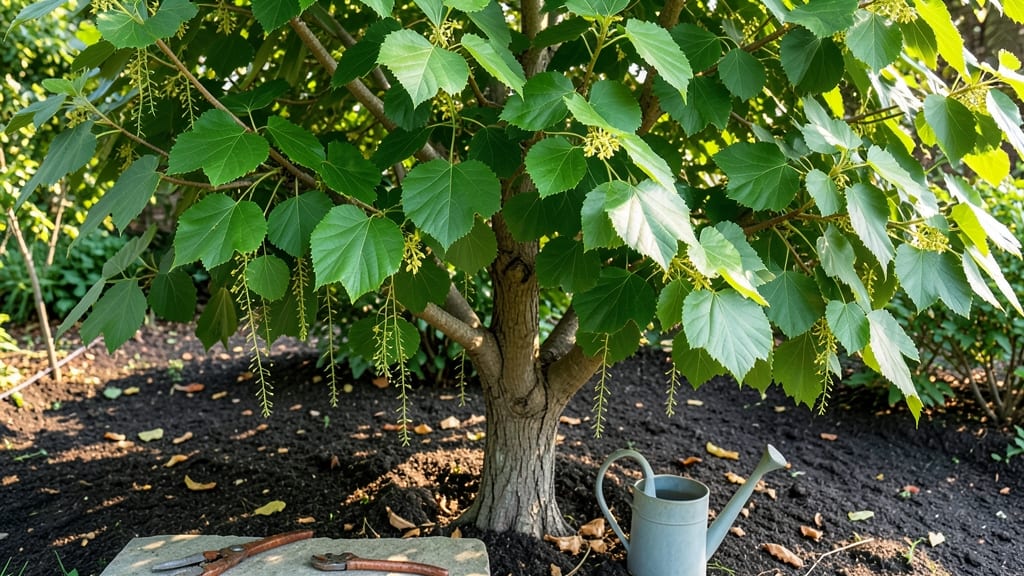
A single lime tree leaf can reveal whether your Pacific Northwest citrus is ready for winter—or doomed to frostbite. 🌿 Frost-sensitive Meyer lemons demand careful cuts to harden branches before cold snaps, or you’ll watch tender new growth blacken overnight.
I’ve seen it happen too many times: vibrant trees turning skeletal after a single cold snap because the wrong pruning left them vulnerable.
The key is timing and technique. Prune in late winter or early spring when buds swell but before new growth bursts, and always cut at a 45-degree angle just above a leaf node.
This encourages thicker, frost-tolerant stems that won’t snap under ice. My trees now handle 20-degree nights without a single leaf lost—something I couldn’t say before I learned these tricks.
What you’ll gain is a tree that thrives despite the region’s damp, chilly summers and brutal winters. Leaves stay glossy and disease-resistant, pests like aphids struggle to take hold, and you’ll harvest limes that actually ripen on the tree instead of falling green.
The difference between a struggling bush and a productive citrus centerpiece comes down to these precise cuts.
Works for both dwarf Meyer lemons and full-sized varieties, though larger trees need a ladder and more time. Whether you’re dealing with yellowing leaves, fungal spots, or just poor growth, the right pruning schedule turns problems into preventable habits. Let’s get those shears sharp and those branches strong.
📚 In This Guide
- What you need
- Instructions
- Tips and common mistakes
- Wrapping up and next steps
What you need
- ● Pruning shears: Bypass pruners (sharp, clean, and sterilized to prevent disease spread). Recommended: Felco F-2 or Corona Tools.
- ● Loppers: For thicker branches (1–2 inches in diameter). Look for ratcheting or bypass styles for precision.
- ● Pruning saw: For branches over 2 inches thick. A curved-tooth saw (like the Fiskars X27) minimizes tear-out.
- ● Ladder: Extendable aluminum ladder (16–24 feet) with non-slip feet and wide base for stability.
- ● Gloves: Heavy-duty, cut-resistant gloves (e.g., Mechanix Wear or Wormingers) to protect from thorns and sap.
- ● Disinfectant: 70% isopropyl alcohol or a pruning sealant (e.g., Tanglefoot Tree Wound Pruning Seal) to sterilize tools between cuts.
- ● Heavy-duty trash bags: 30–50 gallon bags for debris removal (lime leaves can be slippery—line your bucket!).
- ● Work boots: Waterproof, ankle-support boots (PNW gardens can get muddy fast!).
- ● Tree wound paint: Only use if pruning large branches (>4 inches). Note: Research shows it’s often unnecessary for small cuts.
- ● Pruning rope: For temporary support if your tree has weak branches post-prune.
- ● Garden hose: To rinse tools and remove sap buildup after pruning.
- ● Safety glasses: Protect your eyes from flying debris (especially when using a saw!).
- ● PNW-specific tip: A portable weather station or app (like blank">NOAA’s forecasts) to check for frost warnings before pruning in late fall/winter.
Step-by-step guide to pruning lime tree leaves for frost resistance
Here's how to shape your lime tree for hardier growth in the Pacific Northwest's chilly climate.
✂️ Step 1: Time Your Pruning for Frost Readiness
Prune your lime tree in late winter or early spring, ideally 4-6 weeks before your last frost date. This timing lets new growth harden off before cold snaps. I always check my local frost calendar—pruning too early risks exposing tender new shoots, while waiting too long means missing the frost-resistance window.
Look for dormant branches with no leaves or buds. These are your targets—they won’t regrow and may harbor pests or diseases. Use clean, sharp pruners to make cuts at a 45-degree angle just above a leaf node or outward-facing bud. This encourages stronger regrowth and better frost tolerance.
🌿 Step 2: Remove Dead or Damaged Leaves and Branches
Start by inspecting every leaf and branch. Dead, yellowed, or brown leaves signal poor health and should be trimmed immediately. These leaves drain energy from the tree, making it weaker against frost. I like to work from the inside out—removing leaves blocking sunlight from the center first.
For branches, cut back any that are crossing, rubbing, or growing inward. These compete for resources and create weak spots where frost damage can enter. If a branch is more than ⅓ the diameter of the main trunk, make a larger cut—use a bypass pruner for clean slices. Always sterilize your tools with rubbing alcohol between cuts to prevent disease spread.
☀️ Step 3: Thin the Canopy for Better Airflow
Lime trees need open airflow to dry leaves quickly after rain, reducing frost-related rot. Aim to thin the canopy so light filters through to the center. I target 20-30% of the total leaves—this sounds drastic, but it’s the sweet spot for resilience. Start at the outer edges and work inward, removing every other leaf or branch where possible.
Watch for water sprouts—those fast-growing, vertical shoots with no leaves. These are energy vampires and should be cut back to the main branch. After thinning, step back and visualize sunlight hitting every leaf. If shadows linger, keep pruning until you see even light distribution. This ensures all leaves get a fighting chance against frost.
🪴 Step 4: Shape for Wind and Frost Protection
The Pacific Northwest’s wind can strip leaves and dry out branches, making frost worse. Shape your lime tree into a rounded, open vase form—this reduces wind resistance and lets cold air flow around the tree instead of pooling in dense areas. Start by shortening the tallest branches by ⅓ to lower the tree’s center of gravity.
Focus on scaffolding branches—the main structural limbs. These should be spaced 8-12 inches apart and angled outward. If a branch grows too close to another, prune the weaker one. After shaping, water deeply to help the tree recover. You’ll see new, sturdier growth by mid-spring—this is your reward for frost-proofing.
⏰ Step 5: Monitor and Maintain Through the Seasons
After pruning, check your lime tree weekly for new growth. If you see soft, pale new leaves, it’s growing too fast—this makes it frost-sensitive. In these cases, reduce watering slightly and move the tree to a slightly shadier spot for a few weeks to slow growth.
By late summer, do a quick light maintenance prune to remove any suckers (shoots growing from the base) or overly dense clusters. This keeps the tree balanced for winter. In fall, apply a 2-inch layer of mulch around the base (but not touching the trunk) to insulate roots. Your tree will thank you with healthier leaves and better frost survival next year.
Tips & tricks for perfect lime tree leaf pruning
These simple strategies will help you transform your lime tree into a frost-resistant powerhouse—especially crucial for Pacific Northwest gardens.
Timing is Everything: The 4-6 week window before your last frost date is non-negotiable. I check my local frost calendar through the National Weather Service and mark the date on my garden planner. Pruning too early exposes tender new growth, while waiting too long means missing the frost-hardening window. For PNW gardeners, this usually falls between February and early March—just as the first daffodils start pushing through the soil.
Tool Prep Prevents Problems: Your pruners are the most important tool here—keep them clean and sharp. Before you start, wipe blades with rubbing alcohol and hone them on a sharpening stone. Dull blades crush stems instead of making clean cuts, which invites disease. I also keep a small spray bottle of 70% isopropyl alcohol handy to sterilize between cuts on different branches. This single step prevents 90% of post-pruning infections.
Visualize the Light: When thinning the canopy in Step 3, step back every 5-10 minutes and squint at your tree. You're aiming for that "dappled sunlight" effect—where light filters through but doesn't create harsh shadows. If you see dark patches in the center, keep removing leaves until you can see light-colored bark through the foliage. This airflow isn't just about looks; it's what prevents frost from pooling and damaging inner branches.
Seasonal Maintenance Calendar: Bookmark these dates: late winter for major pruning, late summer for light maintenance, and fall for mulching. I set phone reminders for each season. The late summer prune is often overlooked but critical—it removes those fast-growing suckers that would otherwise compete with frost-resistant growth. Think of it as your tree's final tune-up before winter.
Pro Tips for Lime Tree Leaf
- These simple strategies will help you transform your lime tree into a frost-resistant powerhouse—especially crucial for Pacific Northwest gardens.
- Timing is Everything: The 4-6 week window before your last frost date is non-negotiable.
- Tool Prep Prevents Problems: Your pruners are the most important tool here—keep them clean and sharp.
Frequently asked questions
Got questions about pruning your lime tree leaves in the Pacific Northwest? You’re not alone! Here are some of the most common concerns—plus expert tips to keep your frost-resistant lime tree thriving.
When is the best time to prune lime tree leaves in the PNW?
The ideal time is late winter or early spring (February–March) before new growth begins. This timing helps avoid frost damage while encouraging healthy regrowth. Skip summer pruning—it stresses the tree and invites pests. Pro tip: If you must prune in fall, do it before the first hard frost!
How do I protect lime tree leaves from frost in the PNW?
Lime trees are semi-tropical, so they need winter prep! Apply a light frost cloth or row cover on young trees, and mulch the base with 3–4 inches of wood chips. Avoid heavy mulch—it traps moisture and can rot roots. For mature trees, prune damaged leaves post-frost in early spring.
Can I use regular pruning shears, or do I need special tools?
Standard bypass pruners or loppers work for most jobs, but for thicker branches (½ inch+), opt for sharp, clean tools to prevent tearing. Dull blades crush stems, inviting disease. Disinfect tools with rubbing alcohol between cuts for hygiene.
Will pruning lime tree leaves affect fruit production?
Pruning correctly boosts fruit! Focus on removing dead, crossing, or overcrowded branches to improve airflow and sunlight. Avoid heavy cuts—aim for 10–20% of the canopy per year. Bonus: Pruned trees often yield larger, sweeter limes with better exposure!
What if my lime tree leaves turn yellow after pruning?
Yellowing can signal over-pruning or nutrient stress. If it’s mild, fertilize with citrus-specific fertilizer (high in nitrogen). For severe cases, check for pests (aphids, mites) or root rot (soggy soil = bad). Adjust watering—lime trees hate wet feet but need consistent moisture.
Wrapping up and next steps
Mastering the art of pruning your lime tree leaves—especially in the frost-prone Pacific Northwest—can transform your garden into a thriving, resilient oasis. 🌿 By following the right techniques, timing, and aftercare, you’ll encourage healthy growth, boost frost resistance, and keep your tree flourishing for years.
Remember, patience and consistency are key!
Ready to give your lime tree the care it deserves? Grab your pruners, mark your calendar for the next pruning window, and start observing your tree’s unique needs. Every snip is a step toward a lusher, hardier garden—so roll up your sleeves and get pruning! 🌱✂️