
Container Gardens
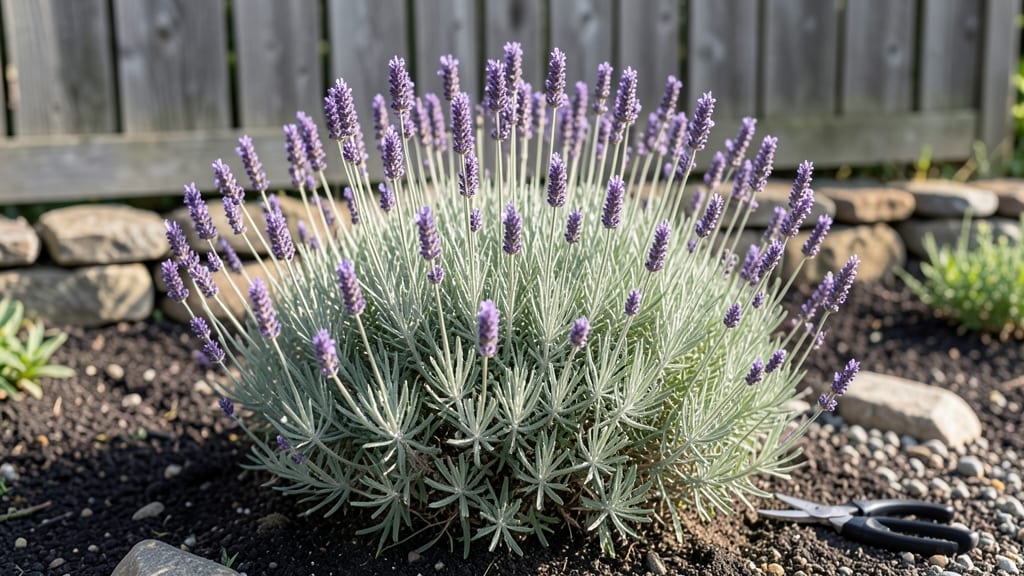
A lavender tree potted in your Pacific Northwest garden brings fragrance and structure that lasts through rain and frost. I’ve grown mine in containers for five years now, and while it’s not the same as in-ground lavender, the adaptability and year-round greenery make it worth every effort.
The key is choosing the right variety—like Lavandula x intermedia—that handles cooler climates and container life better than its Mediterranean cousins.
The real game-changer is the soil. Pacific Northwest soil can be too dense, so I mix 50% potting mix with 30% perlite and 20% compost to keep roots happy and drainage perfect. A 15-gallon container with drainage holes is non-negotiable—lavender hates soggy feet.
Place it where it gets at least 6 hours of sun daily, even if it means moving pots seasonally as the sun shifts. Watering is where most folks trip up: soak the soil when the top inch feels dry, then let it dry out completely before watering again.
You’ll notice the difference in just a few months: silvery foliage stays vibrant even in winter, and the occasional purple bloom rewards your patience. Pruning after flowering keeps the shape tidy and encourages bushier growth.
The biggest challenge? Root-bound issues—lavender trees outgrow their pots fast, so I repot every 2-3 years in spring. With the right care, your potted lavender tree becomes a frost-resistant centerpiece that outshines seasonal blooms.
Container lavender thrives where in-ground plants struggle—no digging, no soil-borne diseases, and the freedom to move it for better light or winter protection. The trade-off? It won’t live as long as in-ground lavender, but the flexibility and fragrance make it a no-brainer for urban gardens or small spaces.
Ready to make yours the talk of the neighborhood?
📚 In This Guide
- What you need
- Instructions
- Tips and common mistakes
- Wrapping up and next steps
What you need
- ● Potted Lavender Tree: Choose a hardy variety like Lavandula × intermedia ‘Grosso’ or Lavandula angustifolia ‘Hidcote’ (both tolerate mild frost). Opt for a 1- to 3-gallon container-grown plant for easier transplanting.
- ● Container: Size: 12–18 inches in diameter (with drainage holes!) for mature plants; 5–7 inches for starter-sized trees.
- ● Material: Terracotta, ceramic, or fiberglass (breathable to prevent root rot). Avoid plastic unless it’s well-ventilated.
- ● Well-Draining Potting Mix: 1 part cactus/succulent mix + 1 part perlite/pumice + 1 part compost (or a commercial lavender-specific blend). Critical: Lavender hates soggy roots!
- ● Gravel or Drainage Layer: 1–2 inches of coarse gravel or lava rock at the container’s bottom to boost drainage.
- ● Garden Gloves (to protect your hands from prickly stems).
- ● Trowel or Spade (for planting and repotting).
- ● Watering Can with a Narrow Spout (to avoid overwatering).
- ○ Mulch (Optional): 1–2 inches of gravel or pebbles around the base (keeps moisture in and deters weeds).
- ○ Slow-Release Fertilizer (Optional): Balanced 10-10-10 or organic option (use sparingly—lavender prefers lean soil!).
- ○ Plant Support (Optional): Bamboo stakes or a small trellis if your lavender grows leggy.
- ● Sunlight: Full sun (6+ hours/day). In the PNW, a south-facing spot is ideal.
- ● Frost Protection: Move pots to a garage or sheltered area if temps drop below 15°F (-9°C).
- ● Water Access: Ensure your space has easy watering access (lavender needs drought-like conditions—don’t overdo it!).
Step-by-Step guide to growing a frost-resistant lavender tree in pots
Here’s how I’ve successfully cultivated hardy lavender trees that thrive year-round in the Pacific Northwest’s challenging climate.
Select the Right Lavender Variety and Container
Choose a lavandin hybrid or English lavender (Lavandula angustifolia) for frost tolerance. These varieties handle temperatures down to 15°F without damage. Avoid Spanish lavender—it’s less cold-hardy and struggles in wet climates. A 15-20 gallon container with drainage holes is ideal for mature trees, as lavender roots need room to spread and hate soggy soil.
I recommend unglazed terra cotta pots—they allow excess moisture to evaporate through the walls, preventing root rot. If using plastic, drill extra drainage holes along the sides. Place a 2-inch layer of gravel at the bottom of the pot before adding soil to ensure water flows freely. This prevents the roots from sitting in water, which is lavender’s biggest enemy.
Prepare Well-Draining Soil and Plant Correctly
Lavender demands fast-draining, alkaline soil with a pH between 7.0 and 8.0. Mix 60% high-quality potting soil with 30% coarse sand or perlite and 10% horticultural grit to improve aeration. Avoid garden soil—it compacts and retains too much moisture. I add a handful of lime to the mix to boost alkalinity, as lavender thrives in slightly alkaline conditions.
Dig a hole twice as wide as the root ball but only as deep. Gently remove the plant from its nursery pot and tease the roots if they’re circling. Position the tree so the top of the root ball sits just below the pot’s rim. Backfill with your prepared mix, pressing lightly to eliminate air pockets but avoiding compaction. Water thoroughly until it drains freely from the bottom.
Position for Sunlight and Airflow
Lavender requires full sun—at least 6-8 hours daily—to maintain its fragrance and compact growth. In the Pacific Northwest, a south-facing spot is ideal, but if shade is unavoidable, choose a west-facing location for afternoon sun. Avoid deep shade, which causes leggy, weak stems and reduces oil production.
Ensure good airflow around the plant to prevent fungal diseases like powdery mildew. Space pots 12-18 inches apart to allow circulation. If growing on a patio or balcony, place the pot where it gets unobstructed sun and isn’t crowded by other plants. I’ve found that elevating pots on stands improves drainage and airflow at the base.
Water and Fertilize Sparingly
Water lavender only when the top 2 inches of soil feel dry—overwatering is the fastest way to kill it. In summer, this might mean watering every 5-7 days, but in winter, reduce to once every 2-3 weeks. Always water at the base, avoiding the foliage to prevent fungal issues. Let excess water drain completely before adding more.
Fertilize lightly once in early spring with a low-nitrogen, high-phosphorus fertilizer (like 5-10-10) to encourage blooming. Too much nitrogen promotes leafy growth at the expense of flowers. I skip fertilizer entirely in fall and winter, as lavender enters dormancy. Mulch with 1-2 inches of gravel around the base to retain moisture and regulate soil temperature.
Prune and Protect for Winter Hardiness
Prune lavender immediately after flowering in early summer to maintain its shape and encourage bushiness. Cut back one-third of the previous year’s growth using clean, sharp shears. Avoid heavy pruning in fall—it reduces the plant’s ability to withstand winter. I also remove any dead or diseased branches to keep the tree healthy.
In the Pacific Northwest’s wet winters, protect lavender from excessive moisture by moving pots to a covered porch or under an overhang. If left outside, mulch heavily with straw or burlap around the base to insulate roots. Avoid pruning in late fall or winter, as new growth is vulnerable to frost. With proper care, your lavender tree will reward you with fragrant blooms and lush foliage year after year.
Tips & tricks for perfectly potted lavender trees
These expert insights will help you cultivate a thriving, frost-resistant lavender tree that flourishes in Pacific Northwest conditions.
Variety Selection Matters: While English lavender and lavandin hybrids are your best choices for frost resistance, don't overlook the importance of rootstock. Look for plants with established root systems—these adapt better to container life. I've found that nursery-grown lavender with multiple stems already established grows more vigorously from the start. In Step 1, when selecting your variety, prioritize plants that are at least 18-24 inches tall with multiple branches—they establish faster in containers.
Container Size Strategy: The 15-20 gallon recommendation is ideal for mature trees, but for younger plants, you can start with a 5-7 gallon container. The key is to upgrade pots gradually—move up by 2-3 gallon sizes every 2-3 years. This prevents root binding while maintaining the proper root-to-soil ratio. In Step 1, if you're starting with a smaller pot, remember to repot every spring until reaching the 15-20 gallon size. The extra space prevents root competition that can stress the plant during our wet winters.
Soil Mix Secrets: When creating your 60-30-10 soil mix in Step 2, don't overlook the importance of sterilizing your components. Heat your potting soil in the oven at 200°F for 30 minutes to kill any pathogens. For the coarse sand, rinse it thoroughly to remove any salt deposits that could harm your lavender. I also recommend adding a handful of perlite to the grit portion—it improves drainage even further while maintaining the alkaline environment lavender craves. This extra precaution prevents the fungal issues that plague potted lavender in our damp climate.
Winter Protection Hacks: For the Pacific Northwest's wet winters, consider adding a pot insulator made from foam board cut to fit around your pot. This creates an air gap that prevents heat loss while allowing airflow. In Step 5, when moving pots to covered areas, place them on feet or bricks to prevent water pooling at the base. I've also had success wrapping pots in bubble wrap during extreme cold snaps—it provides an extra layer of insulation without trapping moisture.
Pro Tips for Lavender Tree Potted
- These expert insights will help you cultivate a thriving, frost-resistant lavender tree that flourishes in Pacific Northwest conditions.
- Variety Selection Matters: While English lavender and lavandin hybrids are your best choices for frost resistance, don't overlook the importance of rootstock.
- Container Size Strategy: The 15-20 gallon recommendation is ideal for mature trees, but for younger plants, you can start with a 5-7 gallon container.
Frequently asked questions
Got questions about keeping your lavender tree potted thriving in the Pacific Northwest? You’re not alone! Here are some of the most common concerns—and their answers—to help you grow with confidence.
Can a potted lavender tree survive PNW winters?
A frost-resistant lavender tree (like Lavandula stoechas or L. dentata) can handle light frosts (down to 15°F), but heavy snow or prolonged cold may require protection. Move pots to a sheltered spot, wrap them in burlap, or use a frost blanket. If temps drop below 10°F, consider overwintering indoors near a sunny window.
How often should I water my potted lavender tree?
Lavender hates soggy roots—water only when the top 1–2 inches of soil are dry. In summer, this might mean every 5–7 days; in winter, reduce to once every 2–3 weeks. Use a pot with drainage holes and avoid wetting the foliage to prevent fungal issues. Pro tip: Mulch lightly with gravel to improve drainage.
What’s the best soil mix for a potted lavender tree?
A well-draining mineral-heavy mix is key! Combine 50% potting soil, 30% perlite or coarse sand, and 20% compost or worm castings. Avoid rich garden soil—it compacts and causes root rot. For extra resilience, add a handful of pumice or crushed granite to mimic Mediterranean conditions.
When and how should I prune my lavender tree?
Prune right after flowering (late summer) to encourage bushier growth. Use clean, sharp shears to trim back 1/3 of the previous year’s growth, focusing on woody stems. Never cut into old wood—it won’t regrow! For container lavender, a light shape-up trim in spring also helps maintain form. Warning: Avoid heavy pruning in fall—it stunts winter hardiness.
Are there dwarf or compact lavender tree varieties for small pots?
Yes! If space is limited, try Lavandula ‘Hidcote Giant’ (3–4 ft tall) or ‘Munstead’ (2–3 ft). For true dwarf options, L. angustifolia ‘Nana Alba’ (1–2 ft) stays petite and fragrant. Just ensure your pot is at least 12–18 inches wide/deep—lavender roots need room to breathe! Bonus: These varieties often bloom earlier and more prolifically in containers.
What pests should I watch for on potted lavender?
Keep an eye out for aphids, spider mites, and lavender root borers. Aphids (tiny green/black bugs) can be blitzed off with a water spray or neem oil. Spider mites (webby threads) thrive in dry conditions—increase humidity or use insecticidal soap. For root borers, repot and inspect roots, then treat with beneficial nematodes.
Wrapping up and next steps
Growing a lavender tree in a potted container is a fantastic way to bring fragrant, frost-resistant beauty to your Pacific Northwest space—whether it’s a cozy patio, sunlit balcony, or even a snug indoor nook. 🌿 With the right soil, sunlight, and care, you’ll enjoy its silvery foliage and soothing scent year-round, all while supporting pollinators.
Now that you’re armed with tips for planting, pruning, and overwintering, why not take the first step today?
Start by gathering your supplies, then pick a sunny spot to plant your lavender tree. Your garden (or windowsill) will thank you! Happy planting! 🌱