
Pruning
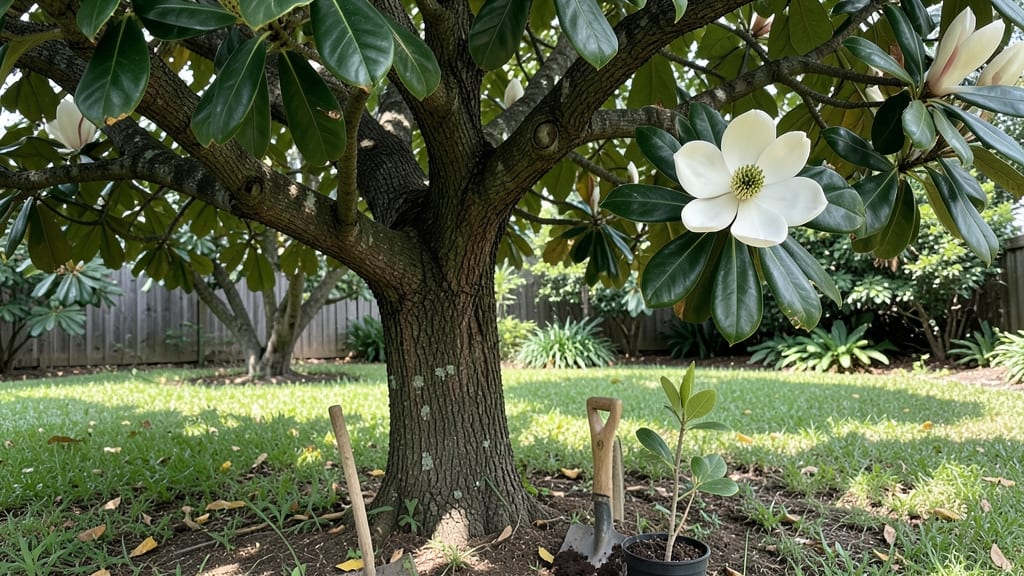
Starting a magnolia tree from scratch means years of fragrant blooms and glossy leaves—if you avoid the rookie mistakes that stunt growth.
I’ve nursed my own magnolia through its first five years, and the difference between a thriving specimen and a struggling one comes down to three critical choices: the right variety for your climate, a spot with just enough sun and shelter, and soil that mimics its natural woodland home.
The slow-growth nature of magnolias makes early care non-negotiable. Most beginners overwater or plant too deep, both of which strangle roots before they can establish. My first tree nearly died from soggy soil—now I test moisture with my finger before watering and keep the root ball just below soil level.
A 5-gallon container for young trees helps control moisture until roots spread.
Within a year, you’ll see the payoff: deep green leaves and sturdy branches that signal strong root development. The first blooms might take three to five years, but proper spacing (15–20 feet apart for large varieties) ensures they’ll arrive in dramatic, show-stopping clusters.
The secret? Patience paired with consistent, gentle care—no harsh pruning or heavy fertilizers.
This method works for both southern magnolias (evergreen) and deciduous varieties like sweetbay. Whether you’re planting a bare-root sapling or a container-grown tree, the same principles apply. Let’s get those roots settled for a lifetime of shade and scent.
📚 In This Guide
- What you need
- Instructions
- Tips and common mistakes
- Wrapping up and next steps
What you need
- ● Magnolia source: Seed (fresh or stratified) OR
- ● Rooted cutting (4-6 inches long) OR
- ● Young sapling (1-3 years old, 2-4 feet tall)
- ● Planting site: Well-draining soil (pH 5.0–6.0, slightly acidic)
- ● Sunlight: Full sun to partial shade (6+ hours of sun for southern varieties, partial shade for northern climates)
- ● Space: 15–25 feet between trees (varies by species)
- ● Tools: Trowel or shovel (for digging)
- ● Garden gloves (to protect your hands)
- ● Pruners or shears (sterilized, sharp)
- ● Watering can or hose (with gentle spray nozzle)
- ● Mulch (2–4 inches of organic material like pine straw or shredded bark)
- ● Soil amendments: Compost, peat moss, or sulfur (to adjust pH)
- ● Slow-release fertilizer (balanced 10-10-10 or acidic-specific blend)
- ● Planting hole mix: Perlite or sand (for drainage)
- ● Tree stakes & ties (if sapling is top-heavy)
- ● Fungicide (preventative for young trees)
- ● Shade cloth (if transplanting in hot climates)
Step-by-Step instructions for starting a magnolia tree
Here’s my go-to method for getting magnolias off to a strong, disease-resistant start.
Choose the Right Time and Location
Magnolias thrive when planted in early spring or fall, when soil temperatures are cool but above freezing. This gives roots time to establish before summer heat or winter frost. I always check my local frost dates—planting too early risks damage from late frosts, while planting too late delays root growth.
Select a spot with full sun to partial shade (at least 6 hours of sunlight daily). Southern exposures work best in cooler climates, while northern exposures suit hotter regions. Magnolias hate soggy roots, so avoid low spots where water pools. If your soil drains poorly, I recommend amending it with 2-3 inches of compost before planting.
Prepare the Planting Site
Dig a hole twice as wide as the root ball but only as deep as the container’s height. This encourages roots to spread horizontally rather than settling too deep. Loosen the sides of the hole with a shovel or garden fork to help roots penetrate the surrounding soil easily.
Gently remove the magnolia from its container and tease apart any circling roots with your fingers. If the root ball is tightly bound, I make 2-3 vertical slits in the bottom to encourage outward growth. Place the tree in the hole so the top of the root ball sits 1 inch above ground level—this prevents water from pooling around the stem.
Plant and Water Thoroughly
Backfill the hole with native soil, tamping lightly every 6 inches to remove air pockets. Avoid compacting too firmly—you want roots to settle naturally. Water deeply right after planting to help soil settle around the roots. I use a garden hose on gentle setting for 10-15 minutes to ensure moisture reaches the edges of the hole.
Add a 2-3 inch layer of mulch (like pine straw or shredded bark) around the base, keeping it 6 inches away from the trunk to prevent rot. Mulch helps retain moisture and regulate soil temperature, but don’t overdo it—too much can smother roots. Water again after mulching to lock in moisture.
Provide Care for the First Year
Water your magnolia deeply once a week during the first growing season, more often if your area experiences dry spells. You’ll know it’s time when the top 2-3 inches of soil feel dry. Overwatering is just as harmful as underwatering—magnolias hate soggy feet.
Fertilize lightly in early spring with a balanced, slow-release fertilizer (like 10-10-10). I skip heavy fertilizing the first year—young trees focus on root growth, not foliage. Prune only to remove dead or crossing branches. Avoid heavy pruning now; it stresses the tree and can delay flowering for years.
Monitor for Pests and Diseases
Check leaves regularly for magnolia scale, aphids, or fungal spots. Early intervention prevents small issues from becoming major problems. If you spot pests, I recommend a horticultural oil spray or neem oil solution—both are safe and effective for young trees.
Watch for yellowing leaves, which often signal overwatering or poor drainage. If the soil stays waterlogged for more than a day, the roots may suffocate. Adjust your watering schedule or improve drainage if this happens. With consistent care, your magnolia will reward you with fragrant blooms in 3-5 years—worth every effort!
Tips & tricks for starting a magnolia tree
Here's what I've learned from years of growing magnolias—these little details make all the difference between a struggling sapling and a thriving tree.
Timing is Everything: Those 6 hours of sunlight mentioned in Step 1 aren't just a suggestion—they're critical. If your location gets strong afternoon sun, consider planting on the north or east side of your yard to prevent heat stress. I've seen magnolias planted in full southern sun wither in summer because they couldn't handle the afternoon heat. Also, if you're in a hot climate, morning sun with afternoon shade works best.
Root Preparation Matters: When you're teasing apart those circling roots in Step 2, don't just pull them—gently separate them with your fingers. If the root ball is particularly tight, those 2-3 vertical slits should be about 1/4-inch deep. I've found that using a butter knife works perfectly for this. The goal is to encourage outward growth without damaging the roots. Remember, you want roots to spread horizontally, not stay compacted in a ball.
Watering Wisdom: That 10-15 minute watering in Step 3 is just the beginning. After planting, I recommend giving your magnolia a deep watering every 3-4 days for the first month, even if it doesn't seem dry. New roots need consistent moisture to establish. Use your finger to check moisture—if the top 2-3 inches of soil are dry, it's time to water. The key is to keep the soil consistently moist but never soggy.
Mulch Like a Pro: When adding that 2-3 inch layer of mulch, make sure it's spread in a donut shape—6 inches away from the trunk. Too much mulch touching the trunk can cause rot. I like to use pine straw because it breaks down slowly and improves soil acidity over time. Replenish the mulch layer every spring to maintain that 2-3 inch thickness. This helps regulate soil temperature and keeps moisture levels just right.
Pro Tips for Start A Magnolia Tree
- Here's what I've learned from years of growing magnolias—these little details make all the difference between a struggling sapling and a thriving tree.
- Timing is Everything: Those 6 hours of sunlight mentioned in Step 1 aren't just a suggestion—they're critical.
- Root Preparation Matters: When you're teasing apart those circling roots in Step 2, don't just pull them—gently separate them with your fingers.
Frequently asked questions
Got questions about growing your own magnolia tree?
You’re not alone! Here are some of the most common concerns—and their simple solutions—to help you get started with confidence.
What’s the best time of year to plant a magnolia tree?
Plant your magnolia in early spring (after the last frost) or fall (4–6 weeks before the first frost). This gives roots time to establish before extreme heat or cold. Avoid planting in summer—young trees struggle with drought stress. If you’re in a warm climate, fall is ideal!
How long does it take for a magnolia tree to grow?
Magnolias grow at a moderate pace: expect 12–24 inches of growth per year. Dwarf varieties (like ‘Little Gem’) may take 3–5 years to mature, while standard magnolias can take 10–15 years to reach full height (20–40 feet). Patience pays off—these trees reward you with decades of beauty!
Why isn’t my magnolia tree growing? Common problems and fixes.
Slow growth often stems from:
- Poor soil: Magnolias love well-draining, acidic soil (pH 5.0–6.0). Amend clay soil with compost or pine bark.
- Overwatering: Yellow leaves or root rot? Let the top 2–3 inches of soil dry out between waterings.
- Pests: Watch for scale insects or borers. Spray with neem oil or insecticidal soap if needed.
- Sunlight: Too much shade? Move it to partial sun (4–6 hours of light daily).
Still struggling? Check for compacted roots—gentle aeration can help!
Can I grow a magnolia tree from a cutting or seed?
While possible, it’s challenging for beginners. Seeds take 1–3 years to germinate and may not retain parent traits. Cuttings (from semi-hardwood stems in summer) have a low success rate (20–40%). For reliable results, buy a young tree from a nursery—it’s faster and easier!
Do magnolia trees need special winter care?
Most magnolias are hardy, but young trees or tender varieties (like ‘Ann’ or ‘Jane’) need protection. Wrap the trunk with burlap or use a tree guard to shield from wind. Mulch the base with 3–4 inches of organic matter (like pine straw) to insulate roots. Avoid heavy mulch—it can suffocate the tree!
Wrapping up and next steps
Starting your magnolia tree journey is simpler than you think! With the right soil, sunlight, and a little patience, you’ll be rewarded with stunning blooms and lush foliage in no time. Remember: proper spacing, consistent watering, and occasional pruning are key to fast, healthy growth.
Now that you’re armed with knowledge, why not take the next step? Visit your local nursery to pick out your magnolia sapling—or share this guide with a fellow gardening enthusiast! 🌱✨ Happy planting!