Picking
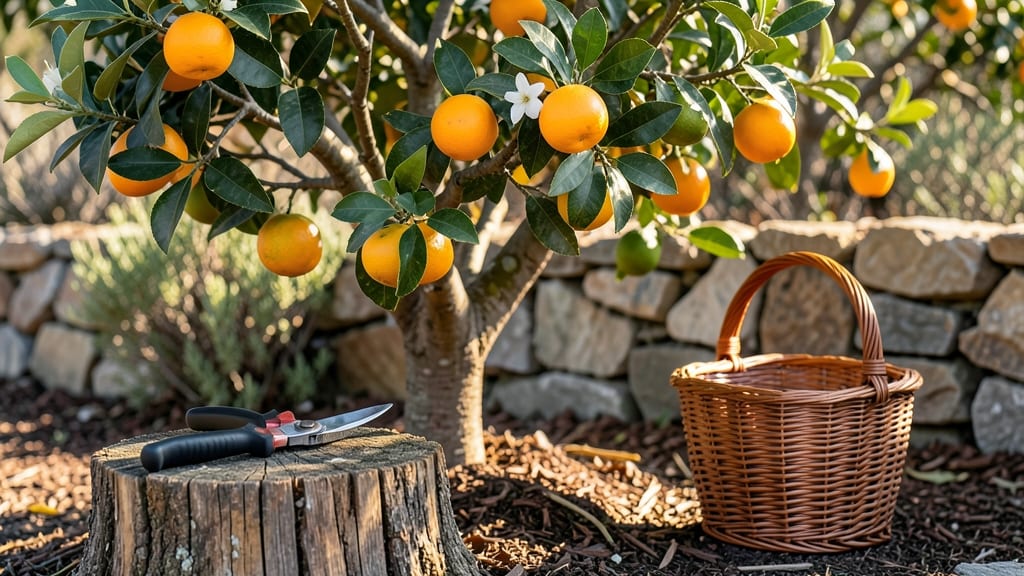
Picking oranges straight from the tree is one of life’s small joys—until you end up with bruised fruit or a tangled mess of limbs. 🌿 I’ve spent years perfecting the gentle twist method that keeps both the fruit and the tree happy, and it’s simpler than you’d think.
The secret lies in timing, the right tools, and knowing exactly when to give that fruit a little encouragement without damaging the branch.
You’ll need just a few basics: a sturdy ladder, a small hand pruner (for stubborn stems), and a basket lined with a soft cloth to cradle the oranges. Gloves help too—citrus oils can be drying, and you’ll want to avoid getting juice on your hands.
The best part? You can harvest oranges over a 3-4 week window once they’re ripe, so there’s no rush to pick them all at once.
When done right, you’ll end up with vibrant, unblemished oranges that stay fresh for weeks in the fridge or even months if properly stored.
The first time I used this method, I went from a bin of bruised fruit to a perfect, picture-worthy harvest—no more sad, dented oranges left behind on the tree.
This technique works for navel oranges, Valencia varieties, and even Meyer lemons—just adjust the timing based on your climate. Whether you’re harvesting for fresh juice, gifts, or long-term storage, these steps will make the process smoother and more rewarding than ever.
📚 In This Guide
- What you need
- Instructions
- Tips and common mistakes
- Wrapping up and next steps
What you need
- ● Harvesting gloves (1 pair) – Opt for lightweight, breathable gloves with grip-friendly palms to protect your hands and improve dexterity.
- ● Ladder or sturdy step stool (1-2) – Choose a stable, non-slip model (6+ feet tall) if your tree is tall. Never stand on the trunk!
- ● Harvesting bags or buckets (2-3) – Use soft, breathable mesh bags (10-15 gallon capacity) or plastic buckets with handles to avoid crushing fruit.
- ● Pruning shears or sharp knife (1) – A bypass pruner (for stems) or a small, serrated knife (for stubborn fruit) works best. Sanitize blades first!
- ○ Twist-off tool (optional but helpful) (1) – A plastic or rubber twist-off tool prevents stem tears and bruising.
- ● Water spray bottle (1) – A light mist sprayer helps loosen dust and dirt from oranges before picking.
- ● Sun protection – Wide-brimmed hat, sunglasses, and sunscreen (SPF 30+) to shield against prolonged sun exposure.
- ● Harvesting apron or belt pouch – Keeps tools handy and reduces back-and-forth trips.
- ● Knee pads – For comfort if you’re working on the ground or bending often.
- ● Small hand truck or wagon – For hauling heavy harvests to your car or storage.
- ● Orange picker (commercial tool) – A long-handled, claw-like tool for high branches (great for large groves!).
- ● First-aid kit – Just in case of minor scrapes or thorn pricks!
Step-by-Step guide to harvesting oranges without damaging the tree
Here's how to pick oranges safely—keeping fruit intact and the tree healthy for years to come.
🌿 Step 1: Wait for Peak Ripeness
Oranges are ready when they're fully colored and slightly soft to gentle pressure. Press a fruit near the stem—it should yield just a tiny bit, like a ripe peach. If the skin feels tough or the color is uneven, wait a few more days. Harvesting too early stresses the tree and reduces flavor.
Check the tree every 3-5 days during peak season (late fall to winter, depending on your climate). Morning harvests work best because cooler temperatures prevent bruising. Avoid picking after heavy rain—the fruit absorbs water, making it harder to twist cleanly and increasing rot risk.
🍊 Step 2: Prepare for Gentle Removal
Stand on the opposite side of the branch from where you're picking to maintain balance. Wear gloves if your tree has thorns or you're harvesting in high heat—blisters make handling fruit messy. Have a bucket or mesh bag ready at your feet to catch dropped oranges without crushing them.
I like to use a small pruning saw (with a fine-tooth blade) for stubborn branches, but most oranges come off with just your hands. If branches are too high, use a long-handled picker or a sturdy stepladder—never climb the tree itself. The goal is to avoid stretching or bending branches beyond their natural range.
🪴 Step 3: Twist and Pull with Precision
Grasp the orange near the stem, not the fruit itself—your fingers should wrap around the stem attachment point. Twist slowly and steadily in a quarter-turn motion, applying even pressure. You'll hear a soft pop when the stem separates cleanly. If you feel resistance, stop immediately—you're about to snap the branch.
Pull straight down (not sideways) to avoid tearing the skin. Oranges should come off with just the stem intact—if you're left with a short nub, you've twisted too hard. For heavy branches, support them with your other hand to prevent the whole limb from bending. This protects the tree's structure for next season.
✂️ Step 4: Handle Fruit to Prevent Bruising
Place harvested oranges gently into your container—never toss them. If a few drop, pick them up immediately and inspect for bruises. Discard any with deep indentations or punctures, as they won't store well. For storage, leave stems attached (they slow moisture loss) and keep fruit in a single layer in a cardboard box or mesh bag.
Here's the thing—temperature matters. Store oranges at 50-55°F for up to 3 weeks. If your kitchen runs warmer, harvest only what you'll use within 10-14 days. Never refrigerate whole oranges—they'll develop dry, mealy flesh. Instead, place them in a paper bag in the pantry to ripen slowly with natural ethylene gas.
🌱 Step 5: Post-Harvest Tree Care
After harvesting, inspect the tree for broken branches or peeling bark from rough handling. Prune any damaged limbs with clean, sharp shears at a 45-degree angle just above a outward-facing bud. This encourages new growth and prevents disease entry points.
Water deeply within 24 hours of picking to replenish moisture lost from the roots. Focus on the drip line (the area directly under the canopy) and avoid wetting the trunk. A 2-3 inch layer of mulch (like wood chips) around the base helps retain moisture and regulates soil temperature—critical for next year's fruit set.
Tips & tricks for perfect orange harvesting
A few simple techniques will make your orange harvest easier—and keep your tree thriving for years.
Timing Secret: The 3-5 day check interval in Step 1 is perfect for catching oranges at their peak. I've learned that morning harvests (before 10am) prevent bruising because cooler temps keep the fruit firmer. If you must harvest after rain, wait until the fruit is completely dry—wet oranges slip from your grip and bruise easily when they hit the ground.
Equipment Upgrade: That small pruning saw mentioned in Step 2 is a game-changer for stubborn branches. I keep mine handy for branches that resist the twisting method—just make a clean cut just above the fruit. For high branches, I use a telescoping grabber with a soft cloth wrapped around the end to protect the fruit from scratches.
Twist Technique: The quarter-turn motion in Step 3 might feel awkward at first, but here's the thing—your fingers should feel resistance until that satisfying pop. If you're struggling, try rotating clockwise first, then counterclockwise. The stem should separate cleanly from the fruit without leaving a nub. Between us, I've snapped more branches than I care to admit trying to force the twist!
Storage Wisdom: That 50-55°F range in Step 4 is ideal, but not everyone has a cool pantry. If your kitchen runs warmer, place oranges in a bowl of ice water for 10 minutes after harvest to slow ripening. For long-term storage, I wrap individual oranges in newspaper before placing them in the paper bag—this adds an extra moisture barrier that extends freshness by another week.
Pro Tips for Pick Oranges From Tree
- A few simple techniques will make your orange harvest easier—and keep your tree thriving for years.
- Timing Secret: The 3-5 day check interval in Step 1 is perfect for catching oranges at their peak.
- Equipment Upgrade: That small pruning saw mentioned in Step 2 is a game-changer for stubborn branches.
Frequently asked questions
Got questions about picking oranges like a pro? You’re not alone—here are the most common concerns with clear, actionable answers to help you harvest with confidence!
When is the best time of day to pick oranges?
The ideal time is early morning when temperatures are cooler (60–70°F). Oranges are firmer and less prone to bruising, plus the fruit has had time to hydrate overnight. Avoid picking in the heat of the day—overripe oranges may detach easily but can spoil faster.
How do I pick oranges without damaging the tree?
Use a gentle twist (not a hard yank!) and support the fruit with your other hand to avoid snapping branches. If oranges are heavy, pick from the outermost branches first to prevent overloading. Never shake the tree—it can harm blossoms or young fruit for next season!
What’s the difference between ripe and unripe oranges?
| Ripe | Unripe |
|---|---|
| Bright, uniform color (deep orange for navels, red blush for blood oranges) | Dull, greenish tint or patchy color |
| Firm but yields slightly to gentle pressure | Hard and feels rubbery |
| Fragrant, sweet-smelling peel | Little to no aroma |
Pro tip: Taste one! A ripe orange will be juicy and sweet, while unripe ones taste sour or bitter.
Can I pick oranges by hand if I don’t have a ladder?
Use a fruit picker pole (or a sturdy stick with a hook) to reach higher branches safely. For ground-level trees, wear garden gloves and kneel to avoid straining your back. Just be patient—picking slowly ensures you don’t miss any hidden gems!
What should I do if an orange won’t come off the tree?
If the fruit resists, it’s likely not fully ripe yet. Wait 1–2 weeks and check again. For stubborn oranges, use pruning shears to cut the stem cleanly (leave a tiny bit attached). Avoid tearing the peel—it bruises easily and spoils faster.
Wrapping up and next steps
Picking oranges from your tree doesn’t have to be a challenge—just a gentle twist and a little patience can yield a bountiful, bruise-free harvest! 🍊 With the right tools, timing, and technique, you’ll enjoy fresh, juicy fruit straight from the source.
Now that you’re ready, why not share the bounty with friends or turn your harvest into homemade marmalade or fresh-squeezed juice?
Grab those gloves, step outside, and make the most of your citrus season—your taste buds (and your tree!) will thank you.