Size
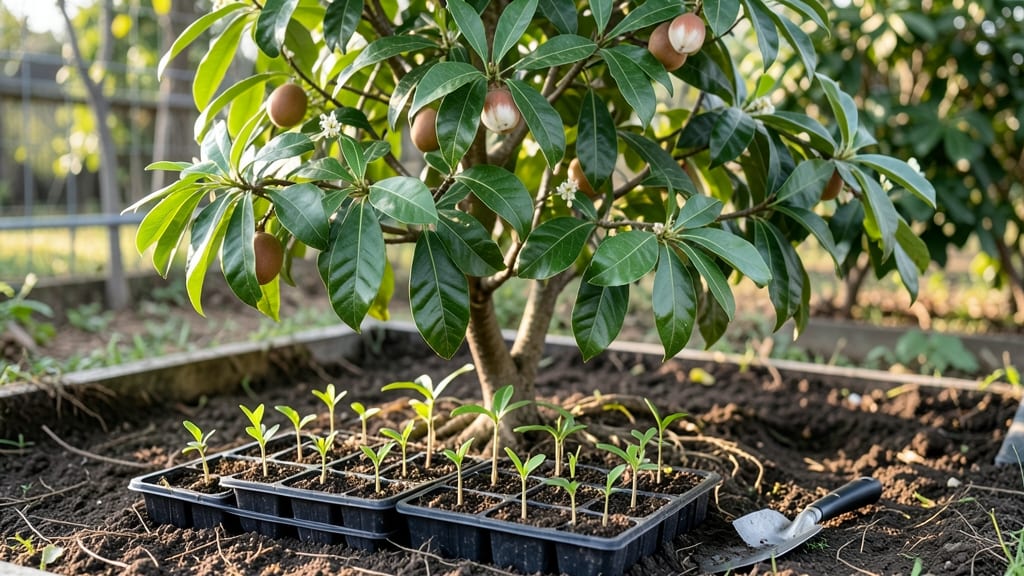
Growing a longan tree from seed to harvest is like nurturing a tiny tropical treasure that rewards patience with sweet, juicy fruit. 🌱 The process starts with the right climate—longans thrive in USDA zones 10-12, where winters stay above 30°F—but with care, you can even grow them in containers indoors or in greenhouses in cooler areas.
My first attempt in a sunny patio pot proved that container growing works if you mimic tropical humidity and warmth.
The secret to success lies in well-draining, slightly acidic soil (pH 5.5-6.5) and consistent moisture without soggy roots. Young trees need partial shade to avoid scorching, while mature trees crave bright, indirect light—think dappled sunlight through palm fronds.
I learned the hard way that overwatering kills longans faster than drought, so let the top 1-2 inches of soil dry out between waterings once established.
By year three, you’ll see those iconic clusters of golden-green fruit forming, but pollination can be tricky—hand-pollinating with a soft brush helps if bees are scarce. The first harvest might be small, but each longan tastes like sunshine in your mouth, with its translucent flesh and honeyed sweetness.
Prune in late winter to shape the tree and remove dead wood, and watch it flourish.
Whether you’re in Florida, California’s coastal zones, or a greenhouse in Ohio, longans are worth the effort. Start with a germinated seed or a young grafted tree, and soon you’ll be sharing fresh fruit with neighbors who’ll wonder how you grew something so exotic.
The journey from seedling to harvest is slower than many fruits, but the payoff—that first taste of homegrown longan—makes it unforgettable.
📚 In This Guide
- What you need
- Instructions
- Tips and common mistakes
- Wrapping up and next steps
What you need
- ● Longan seeds: 3–5 fresh, viable seeds (harvested from ripe fruit). Pro tip: 💡 Soak seeds in warm water for 24 hours to speed up germination!
- ● Well-draining potting mix: 1–2 bags (1 cubic foot each) of a blend designed for tropical plants (e.g., 50% peat moss, 30% perlite, 20% coconut coir).
- ● Growing containers: Small pots (4–6 inches in diameter) for seed germination.
- ● Medium pots (10–12 inches) for seedlings.
- ● Large containers (18+ inches) or in-ground planting space for mature trees.
- ● Fertilizer: Balanced organic fertilizer (10-10-10 or 20-20-20 NPK ratio) or compost tea for young plants.
- ● Watering can or hose: With a gentle spray nozzle for hydration.
- ● Pruning shears: Sharp, sterilized shears for trimming.
- ● Mulch: Organic mulch (e.g., straw or wood chips) to retain moisture.
- ● Support stakes: 3–5 bamboo or wooden stakes (for young trees).
- ● Grow lights (for indoor seedling stages).
- ● Humidity dome or plastic wrap (to create a greenhouse effect).
- ● Soil moisture meter (to monitor hydration levels).
- ● Pest control spray (neem oil or insecticidal soap).
- ● Trellis or netting (for support as the tree grows).
Step-by-step guide to growing a longan tree from seed
Here’s my foolproof method for nurturing a longan tree from seed to fruiting—perfect for warm climates.
🌱 Step 1: Select and Prepare the Seed
Start with a fresh, firm longan fruit—avoid any with soft spots or cracks. Remove the seed by gently squeezing the fruit, then rinse the seed under cool water to remove any remaining pulp. The key here is speed: plant the seed within 24 hours of harvesting, as longan seeds lose viability quickly. I like to soak the seed in lukewarm water for 12 hours to soften the outer shell, which speeds up germination.
After soaking, wrap the seed in a damp paper towel and place it inside a sealed plastic bag. Store it in a warm, dark spot (around 75-80°F) for 3-5 days. Check daily—when you see a tiny white root (about ½ inch long), it’s ready for planting. This step is critical: if you wait too long, the seed may dry out or rot.
🪴 Step 2: Plant the Germinated Seed
Fill a 4-inch diameter pot with a well-draining mix of 50% potting soil and 50% perlite—longan trees hate soggy roots. Plant the seed 1 inch deep, with the root pointing downward. Gently press the soil around it to secure it without compacting. Water lightly until the soil feels evenly moist but not saturated. Place the pot in a bright, indirect light spot, like a shaded windowsill.
Keep the soil consistently moist (not wet) by watering every 2-3 days, checking the top inch—if it feels dry, it’s time. Avoid letting the soil dry out completely, or the seedling may fail to establish. Within 2-4 weeks, you’ll see the first true leaves (not the initial seed leaves) emerge. This is your signal that the seedling is thriving.
☀️ Step 3: Transplant and Provide Optimal Growing Conditions
Once the seedling reaches 6 inches tall and has 4-5 true leaves, it’s ready for its first transplant. Choose a 6-inch pot with drainage holes and use the same soil-perlite mix. Handle the seedling carefully—longan trees are delicate when young. Water thoroughly after transplanting to help it settle into its new home.
Move the pot to a location with full sun (6+ hours daily)—longan trees thrive in warm, tropical climates with temperatures between 65-90°F. If outdoors, protect young seedlings from strong winds or direct afternoon sun, which can scorch tender leaves. Fertilize lightly every 4-6 weeks with a balanced, water-soluble fertilizer (10-10-10) diluted to half strength. Over-fertilizing at this stage can harm the young roots.
✂️ Step 4: Prune and Support Growth
When your longan tree reaches 1-2 feet tall, it’s time to encourage a strong, bushy structure. Pinch back the top set of leaves to promote branching—this step is crucial for fruit production later. Use clean, sharp pruning shears to make cuts just above a leaf node (where new growth emerges). Remove any dead, yellowing, or crossing branches to improve airflow and reduce disease risk.
As the tree matures, stake it if needed—longan trees can grow 10-20 feet tall in ideal conditions. I recommend using 3-4 stakes for support, tying the trunk loosely with soft plant ties. Avoid over-pruning; longan trees fruit on new growth, so let the tree develop a sturdy framework before aggressive trimming. By year 3-5, you’ll start seeing small, green flowers—patience is key here!
💧 Step 5: Maintain and Prepare for Harvest
By the time your longan tree is 3-5 years old, it should be established enough for regular care. Water deeply once a week during dry spells, ensuring the top 2 inches of soil stay moist but not waterlogged. Longan trees are drought-tolerant once mature, but young trees need consistent moisture. Mulch around the base with 2-3 inches of organic mulch (like wood chips) to retain moisture and regulate soil temperature.
Harvest season typically arrives in late summer to early fall, when the fruit turns golden-brown and slightly soft to the touch. Pick the fruit gently by twisting it off the stem—don’t pull, or you may damage the branch. Store harvested longans in a cool, dry place for 1-2 weeks before eating. With proper care, your longan tree can produce fruit for decades, making it a rewarding long-term project.
Tips & tricks for growing a thriving longan tree
These essential insights will help you avoid common pitfalls and maximize your longan tree's potential from seed to harvest.
Seed Viability: The 24-hour window for planting after harvesting is non-negotiable—longan seeds lose viability rapidly. If you can't plant immediately, store them in a sealed plastic bag with a damp paper towel in the fridge for up to 7 days while you prepare your growing setup. This buys you time without sacrificing germination potential.
Germination Environment: Maintain that 75-80°F warm, dark spot precisely during the 3-5 day germination period. A simple solution is to place your bagged seed near a warm appliance (like the back of your fridge) or use a seedling heat mat. Fluctuations below 70°F can delay or prevent germination entirely.
Soil Mix Precision: The 50% potting soil/50% perlite ratio is critical—longan trees despise soggy roots. Add a handful of coarse sand to improve drainage further if your potting soil feels dense. This mimics their native tropical conditions where water drains quickly through porous volcanic soil.
Transplant Timing: Wait until your seedling reaches 6 inches with 4-5 true leaves before transplanting—this ensures it has developed enough root mass to handle the stress. I've seen seedlings collapse after transplanting too early, so resist the urge to rush this step. Patience here pays off with stronger growth.
Pro Tips for Grow Longan Tree
- These essential insights will help you avoid common pitfalls and maximize your longan tree's potential from seed to h...
- Seed Viability: The 24-hour window for planting after harvesting is non-negotiable—longan seeds lose viability rapidl...
- Germination Environment: Maintain that 75-80°F warm, dark spot precisely during the 3-5 day germination period. A sim...
Frequently asked questions
Got questions about growing your own longan tree? You’re not alone! Here are some of the most common queries from gardeners just like you—plus straightforward answers to help you succeed.
How long does it take for a longan tree to bear fruit from seed?
A longan tree grown from seed can take 7 to 10 years to produce fruit, if ever. For faster results, opt for a grafted tree (2–4 years). Patience is key—focus on nurturing strong roots and branches first!
Can I grow a longan tree indoors or in a pot?
Longan trees thrive outdoors in warm climates (USDA zones 10–12), but you can try container growing in cooler areas. Use a large pot (15+ gallons), ensure full sun, and bring it indoors during frost. Growth will be slower, but possible!
Why are my longan tree leaves turning yellow?
Yellow leaves often signal overwatering, nutrient deficiency, or pests. Check soil moisture (it should dry slightly between waterings) and inspect for aphids or mites. Feed with citrus-specific fertilizer every 2–3 months for a nutrient boost.
Do longan trees need cross-pollination to produce fruit?
Most longan varieties are self-pollinating, but having a second tree nearby can improve fruit set. If your tree isn’t fruiting, check for blooms (white flowers appear in spring) and ensure no pests are blocking pollinators like bees.
What’s the best alternative if longan trees are hard to grow in my climate?
Try lychee, rambutan, or sapodilla trees—they share similar care needs (warmth, humidity) and are slightly easier to cultivate. For cooler climates, consider citrus trees (like kumquats) as a tropical-friendly substitute.
Wrapping up and next steps
Growing a longan tree from seed is a rewarding journey that connects you to the tropics—even if you’re just starting! With the right soil, sunlight, and patience, you can nurture a thriving plant that may one day bear sweet, juicy fruit.
Remember, consistency is key, and don’t hesitate to troubleshoot common issues like pests or slow growth.
Ready to take the next step? Start small:
- 🌱 Plant your first seedling today—even if it’s just for fun!
- 📅 Track progress in a gardening journal to stay motivated.
- 🌿 Share your progress with fellow plant enthusiasts for support!