
Propagation
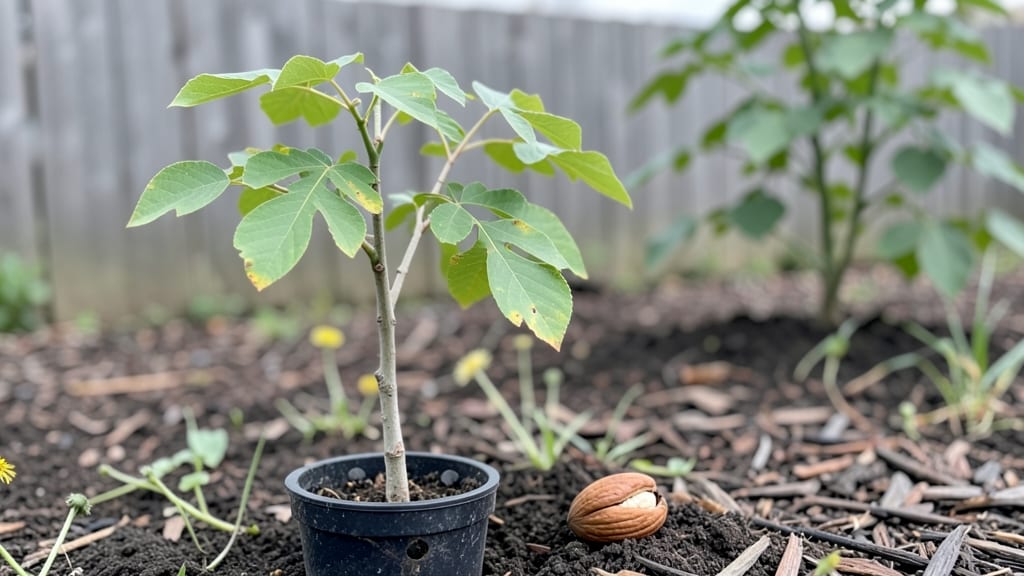
Growing a hickory tree from a nut is simpler than you think—especially when you start with fresh, healthy nuts and a little patience. 🌱 I’ve watched my own hickory seedlings go from tiny sprouts to sturdy saplings in just a few seasons, and the process is surprisingly straightforward once you know the right steps.
The key is mimicking nature’s timing, whether you’re starting indoors or planting directly outside.
You’ll need a few basic supplies: fresh hickory nuts (collected in fall), a container for stratification, well-draining soil, and a sunny spot for growth. Stratification—the process of simulating winter—is the trickiest part, but it only takes about 90 days in the fridge.
Once germinated, your seedling will need consistent moisture and bright light, whether in a pot or the ground. Slow growth is normal—hickories take their time—but with the right care, you’ll have a thriving young tree in just a few years.
By the time your sapling reaches 12-18 inches, it’ll be ready for transplanting into the ground, where it can grow into a majestic shade tree. The best part?
You’ll get fresh nuts in 15-20 years, but the real reward is watching it grow stronger every season. Let’s get those nuts sprouting!
This method works for both shagbark and bitternut hickories, though bitternuts germinate more easily. If you’re in a cooler climate, start stratification earlier—around November—to give seeds enough time to break dormancy before spring planting. The payoff? A tree that’ll outlive you and feed generations of wildlife.
📚 In This Guide
- What you need
- Instructions
- Tips and common mistakes
- Wrapping up and next steps
What you need
- ● Fresh hickory nuts: 3–5 mature, unblemished nuts (harvested in fall, when they’re fully ripe and brown). Pro tip: 💡 Crack them open to check for plump, healthy kernels—discard any that are shriveled or hollow.
- ● Water: Room-temperature, filtered water (for soaking and moisture).
- ● Container: Option 1: Seedling pots (3–4 inches deep) (3–5 pots, with drainage holes).
- ● Option 2: Paper towels or damp paper towels (for initial stratification).
- ● Option 3: Plastic bag with a drawstring (for cold stratification).
- ● Potting soil: Well-draining, sterile seed-starting mix (avoid garden soil—it can harbor pathogens). Quantity: ~1–2 gallons total.
- ● Plastic wrap or clear lid: To create a humidity dome for seedlings.
- ● Spray bottle: For gentle watering (to avoid disturbing seeds).
- ● Refrigerator or cold stratification setup: A cool (33–40°F), dark space (e.g., fridge crisper drawer) for 60–90 days.
- ○ Garden gloves: Optional but helpful for handling tough nut shells.
- ● Hammer or nutcracker: To crack open hickory nuts (they’re tough!).
- ● Heating mat: For faster germination (set to 70–75°F).
- ● Grow lights: If starting indoors before spring (12–14 hours/day).
- ● Fertilizer: Balanced seedling fertilizer (diluted to half-strength) once leaves appear.
- ● Transplanting tools: Small trowel or spoon for moving seedlings to larger pots.
Step-by-step instructions for growing a hickory tree from nut
Here's the straightforward method I've used to grow sturdy hickory saplings—no fancy equipment needed.
🌱 Step 1: Collect and Prepare the Hickory Nuts
Harvest fresh hickory nuts in late fall when they've fallen naturally from the tree. Look for fully mature nuts with intact shells—they should feel heavy for their size. I like to gather them after a frost, as the cold helps break seed dormancy slightly. Store them in a paper bag in a cool, dry place until you're ready to plant.
Before planting, soak the nuts in warm water for 24 hours. This softens the hard shell and kickstarts germination. You'll see tiny cracks form along the shell edges—that's your signal the seed is waking up. After soaking, wrap each nut in a damp paper towel and place them in a sealed plastic bag. Store this in the refrigerator for 60-90 days to simulate winter conditions (this cold treatment is crucial for breaking dormancy).
🪴 Step 2: Plant the Nuts in a Protected Environment
Fill a 6-inch deep container with a mix of 50% potting soil and 50% perlite—this ensures good drainage while retaining moisture. Plant each nut 1 inch deep, with the pointed end facing upward. I like to use small individual pots because hickory seedlings are sensitive to disturbance when transplanted. Label each pot with the planting date.
Keep the soil consistently moist but never soggy. The ideal moisture level is when the top inch of soil feels damp to the touch. Place the pots in a location with indirect light (like a shaded windowsill) and maintain a temperature of 65-75°F. You'll see germination in 4-8 weeks, but don't be surprised if some nuts take longer—patience is key here.
☀️ Step 3: Provide Optimal Light and Care for Seedlings
Once the first true leaves appear (they'll look like small, rounded cotyledons), move the seedlings to a spot with bright, indirect sunlight. Direct sun at this stage can scorch delicate young leaves. I gradually introduce more sunlight over 2 weeks by moving the pots closer to a south-facing window each day.
Water seedlings when the top inch of soil feels dry to the touch. Avoid getting water on the leaves to prevent fungal diseases. Fertilize lightly with a balanced, water-soluble fertilizer (10-10-10) diluted to half strength once the seedlings have their second set of true leaves. This encourages steady growth without overwhelming the young roots.
🌿 Step 4: Transplant Seedlings to Larger Containers
When seedlings reach 4-6 inches tall and have developed 4-5 true leaves, it's time to transplant them into 1-gallon containers. Use the same well-draining soil mix and plant each seedling at the same depth it was growing before. Gently firm the soil around the base to eliminate air pockets.
After transplanting, place the seedlings in a shaded area for 3-5 days to reduce stress. During this time, water lightly every other day to help the roots establish. Once they show signs of new growth (like fresh leaves or taller stems), gradually reintroduce them to their normal light conditions. This step ensures they don't go into shock from the move.
⏰ Step 5: Harden Off and Prepare for Outdoor Planting
About 2 months before your last frost date, start the hardening-off process. Begin by placing the seedlings outside in a sheltered spot for 1-2 hours the first day. Gradually increase their outdoor time by 1 hour daily, eventually leaving them outside overnight. This acclimates them to wind, sun, and temperature fluctuations.
Choose a permanent outdoor planting site with full sun (6+ hours daily) and well-draining soil. Hickory trees thrive in slightly acidic to neutral soil with a pH of 6.0-7.5. Dig a hole twice as wide as the root ball but only as deep as the container. Amend the native soil with compost to improve fertility and drainage.
🌱 Step 6: Plant Outdoors and Provide Ongoing Care
Transplant the hardened-off seedlings outdoors on a cool, overcast day. Place each seedling in its hole, ensuring the top of the root ball is level with the surrounding soil. Backfill the hole with the amended soil and water deeply to settle everything. I like to add a 2-inch layer of mulch around the base, keeping it 3 inches away from the trunk to prevent rot.
Water newly planted seedlings once a week during the first growing season, providing 1 inch of water per week. Avoid overhead watering to prevent disease. In the first year, the tree will focus on root development, so you won't see much above-ground growth. That's normal—just keep the soil consistently moist and protect the young tree from deer or rabbits with a wire cage if needed.
Tips & tricks for perfectly growing a hickory tree from nut
Growing a hickory tree from nut might seem tricky, but these key strategies will help you avoid common pitfalls and maximize your success.
Cold Treatment Matters: The 60-90 days of refrigerator storage is absolutely critical for breaking dormancy—don't skip this step! I've found that storing the nuts in a sealed plastic bag with damp paper towels creates the ideal moisture balance. If your refrigerator runs cooler than 40°F, consider using a slightly warmer pantry spot for the last 1-2 weeks to gently coax germination. This mimics natural winter-spring transitions.
Germination Timing: Those 4-8 weeks for germination can feel like forever, but consistency is key. I've learned to check for sprouts by gently pressing on the shell—you'll feel a slight give when roots start to form. If you're not seeing signs after 8 weeks, try a warm spot (around 70°F) for a few days to encourage activity. Remember, some nuts may take longer, so patience pays off.
Light Transition Technique: The 2-week gradual light introduction in Step 3 is where many seedlings get scorched. Start with just 1-2 hours of indirect light daily, then increase by 30 minutes every 2-3 days. I use a sheer curtain over my south-facing window to diffuse the light while still providing brightness. Watch for pale yellow leaves—they're your warning sign to slow down the light exposure.
Transplanting Wisdom: When moving seedlings to 1-gallon containers, I always water them thoroughly the day before transplanting. This helps reduce shock during the move. After transplanting, I create a mini greenhouse effect by placing a clear plastic bag over each pot for 3-5 days—just remove it daily for 10 minutes to prevent mold. This keeps humidity high while roots establish.
Pro Tips for Grow A Hickory Tree From Nut
- Growing a hickory tree from nut might seem tricky, but these key strategies will help you avoid common pitfalls and maximize your success.
- Cold Treatment Matters: The 60-90 days of refrigerator storage is absolutely critical for breaking dormancy—don't skip this step!
- Germination Timing: Those 4-8 weeks for germination can feel like forever, but consistency is key.
Frequently asked questions
Got questions about growing a hickory tree from a nut? You’re not alone! Here are some of the most common concerns—and their answers—to help you succeed.
How long does it take for a hickory nut to sprout?
A hickory nut can take anywhere from 3 weeks to 6 months to sprout, depending on moisture, temperature, and species. Patience is key—some nuts germinate slowly, especially if they’ve been dried or stored. Keep the soil consistently moist (but not soggy) and warm (60–70°F) to speed things up.
Can I plant a hickory nut directly in the ground in fall?
Yes! Fall planting is ideal for hickory nuts because cold stratification (natural winter chilling) mimics their native growing conditions. Plant the nut 1–2 inches deep in well-draining soil, mark the spot, and let nature do the work. Just avoid planting in frost-prone areas where nuts might heave out of the ground.
What should I do if squirrels keep stealing my hickory nuts?
Squirrels love hickory nuts—and they’ll outsmart you! Try these tricks: Plant nuts in wire mesh cages (buried slightly), use pepper spray (mild chili powder + water), or scatter nuts in multiple shallow holes (they’re harder to dig up). Alternatively, harvest nuts early (late fall) when squirrels are less active.
Will a hickory tree grow from a store-bought nut, or do I need a wild one?
Store-bought hickory nuts can grow, but wild nuts often have higher germination rates because they’re fresher and less likely to be dried or treated. If buying nuts, choose unsalted, raw hickory nuts (like those for smoking meat) and soak them in water for 24 hours before planting to rehydrate.
What do I do if my hickory seedling turns yellow or wilts?
Yellowing or wilting usually signals overwatering, poor drainage, or pests. Check the soil—it should stay moist but not waterlogged. If the roots smell rotten, repot in fresh, sandy soil. For pests (like aphids), spray with soapy water (1 tsp mild soap per quart of water). Keep seedlings in partial shade until established.
Still stumped? Drop your question in the comments—we’re happy to help your hickory tree thrive!
Wrapping up and next steps
Growing a hickory tree from a nut is a rewarding journey that connects you to nature’s patience and resilience.
With the right preparation—like selecting fresh nuts, proper stratification, and attentive care—you’ll nurture a sapling that could one day provide shade, wildlife support, or even delicious nuts. Start small, stay consistent, and trust the process! 🌱
Ready to take the next step? Once your sapling is thriving, research local planting guidelines or consider sharing your newfound knowledge with fellow gardening enthusiasts. Every tree you grow helps the planet—and your green thumb grows stronger with each seed!