
Size
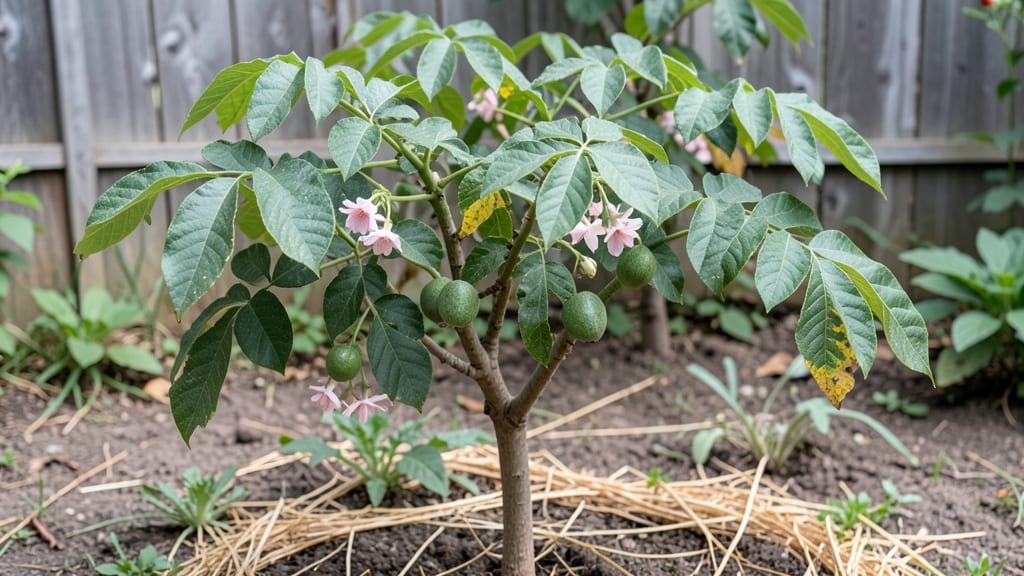
Growing a cashew nut tree from seed means waiting years for that first harvest—but the journey starts with a single seed and a sunny spot. 🌱 I planted mine in Florida last spring, and while it’s still a sapling, the glossy leaves already hint at the tropical treasure it’ll become.
The key? Mimicking its native habitat from day one, because these trees demand warmth, patience, and the right soil.
You’ll need well-draining soil rich in organic matter, a location with full sun (at least 6 hours daily), and protection from frost—cashews bolt for the hills at 32°F.
Seeds take 2-3 months to sprout, and saplings grow slowly, but with consistent moisture (not soggy roots) and occasional fertilizer, they’ll reward you with 10-foot-tall growth in just a few years. The real magic happens when they finally flower—though that won’t be for 5-10 years.
What you’ll end up with is a fragrant, evergreen tree that thrives in heat and humidity, producing clusters of nutty fruits (the cashews themselves are inside those papery shells).
The nuts are edible once roasted, but the tree’s real charm is its lush, tropical presence—perfect for backyard orchards in USDA Zones 10-11. Patience is the name of the game, but the payoff? Fresh cashews straight from your own tree.
Between you and me, the biggest challenge is resisting the urge to rush it—these trees grow at their own pace. Start with seeds for a true adventure, or buy a grafted sapling if you’re eager to skip the waiting.
Either way, the journey is half the fun, and the first harvest will make every year of growth worth it.
📚 In This Guide
- What you need
- Instructions
- Tips and common mistakes
- Wrapping up and next steps
What you need
- ● Cashew seeds: Fresh, untreated seeds (1–3 per tree). Pro tip: 💡 Buy from a reputable supplier or harvest from a ripe cashew fruit.
- ● Potting soil: Well-draining, slightly acidic mix (pH 5.0–6.5). Use 50% peat moss or coconut coir + 50% perlite/sand (1–2 bags).
- ○ Pot or container: 12–18 inches deep with drainage holes (1–2 units). Optional: A 5-gallon bucket for seedlings.
- ● Fertilizer: Balanced NPK (10-10-10) (1 lb) for early growth.
- ● Citrus/azalea fertilizer (low nitrogen, high potassium) (1 lb) for flowering.
- ● Watering can or hose with a gentle spray nozzle.
- ● Pruning shears (sterilized, sharp blades).
- ● Mulch: Wood chips or straw (2–3 inches thick, 1–2 bags).
- ● Garden gloves (to protect from sap and thorns).
- ● pH test kit (to monitor soil acidity).
- ● Shade cloth (30–50% coverage, 10x10 ft) for young seedlings.
- ● Support stakes (bamboo or metal, 6–8 ft tall, 2–4 units) for mature trees.
- ● Pest control: Neem oil (16 oz bottle) for aphids/spider mites.
- ○ Insecticidal soap (optional backup).
Step-by-step instructions for growing a cashew nut tree
Here’s how I’ve successfully sprouted cashew seeds into thriving trees—no greenhouse required.
🌱 Step 1: Extract and Soak the Cashew Seed
Cashew seeds come encased in a hard shell, so start by carefully removing one seed from the nut. I like to use a small knife to pry it free—wear gloves, as the shell contains urushiol, the same irritant in poison ivy. Once exposed, soak the seed in warm water for 24 hours to soften the outer coating and kickstart germination.
After soaking, place the seed between two damp paper towels in a sealed plastic bag. Store it in a warm, dark place (75-85°F), like a pantry or on top of the fridge. Check daily—you’ll see the first root emerge within 7-14 days. This is your signal to move to soil.
🪴 Step 2: Plant in a Well-Draining Potting Mix
Fill a 4-inch pot with a mix of 50% potting soil and 50% perlite or coarse sand—cashew trees hate soggy roots. Plant the seed just below the surface, about ½ inch deep, with the root pointing downward. Gently press the soil around it to secure it without compacting.
Place the pot in a spot with bright, indirect light (no direct sun yet). Keep the soil consistently moist but never waterlogged—stick your finger in the mix. If the top inch feels dry, it’s time to water. You’ll notice the first true leaves appear in 4-6 weeks, signaling the seedling is ready for stronger light.
☀️ Step 3: Transition to Sun and Larger Containers
Once the seedling has 3-4 sets of leaves, move it to a 6-inch pot with fresh potting mix. Gradually introduce it to morning sun only for the first week, then increase exposure over 2-3 weeks to full sun. Cashew trees thrive in full sun (6+ hours daily), but sudden direct sunlight can scorch tender leaves.
After a year, transplant to a 15-gallon container or garden bed in well-draining soil. If growing in a pot, choose one with drainage holes—root rot is the #1 killer of young cashew trees. Watch for new growth at the tips; this means your tree is adapting well to its new home.
✂️ Step 4: Prune and Fertilize for Strong Growth
When your cashew tree reaches 3 feet tall, prune the top set of leaves to encourage branching. Use clean, sharp pruners to make cuts just above a leaf node. This step is critical—cashew trees grow tall and leggy without intervention. I also fertilize every 2 months with a balanced 10-10-10 fertilizer during the growing season (spring to fall).
Reduce watering slightly in winter, but never let the soil dry out completely. You’ll know your tree is happy when it produces white or pink flowers in late spring. These flowers develop into the familiar cashew "apples" (the fruit) and the nuts themselves. It takes 3-5 years for a seed-grown tree to bear fruit, but patience pays off with a tree that can live for decades.
Tips & tricks for growing a cashew nut tree
A few simple tricks can make all the difference when nurturing your cashew seed into a thriving tree. Here's what I've learned from years of growing these tropical beauties.
Soaking Secret: The 24-hour soak in warm water isn't just about softening the shell—it's about breaking down natural inhibitors that might delay germination. I like to change the water halfway through the soaking period to prevent bacterial growth. After soaking, don't rinse the seed—just pat it dry gently with a paper towel before placing it between the damp towels. This keeps the moisture level perfect for sprouting.
Temperature Matters: Maintaining that warm, dark environment between 75-85°F is crucial during the germination phase. If your kitchen runs cooler, place the seedling near a heat source like a sunny window or even a heat mat designed for seedlings. I've seen seeds sprout in just 7 days when kept at the upper end of this range, but don't be discouraged if it takes the full 14 days—they all germinate eventually.
Light Transition Strategy: When moving your seedling to stronger light in Step 3, I recommend a gradual approach that takes longer than the suggested 2-3 weeks. Start with just 30 minutes of morning sun on day one, then add 15 minutes each subsequent day. This slow acclimation prevents sunburn on delicate new leaves. You'll know you're doing it right when you see the leaves develop a deeper green color and the plant starts reaching toward the light.
Pruning Pro Tip: When you reach the pruning stage at 3 feet tall, focus on creating an open center rather than just cutting the top leaves. Make your cuts just above a leaf node where you want new growth to emerge. This encourages a bushier tree that will support more fruit production. I also recommend sterilizing your pruners with rubbing alcohol between cuts to prevent spreading any potential diseases.
Pro Tips for Grow A Cashew Nut Tree
- A few simple tricks can make all the difference when nurturing your cashew seed into a thriving tree.
- Soaking Secret: The 24-hour soak in warm water isn't just about softening the shell—it's about breaking down natural inhibitors that might delay germination.
- Temperature Matters: Maintaining that warm, dark environment between 75-85°F is crucial during the germination phase.
Frequently asked questions
Got questions about growing your own cashew nut tree? Here are some of the most common ones—plus straightforward answers to help you succeed!
How long does it take for a cashew tree to bear fruit?
A cashew tree typically takes 4–6 years to produce its first harvest when grown from seed. If you start with a grafted tree (which matures faster), you might see nuts in 2–3 years. Patience is key—these trees reward long-term care with delicious rewards!
Can I grow a cashew tree indoors or in a container?
Cashew trees thrive in warm, tropical climates and need plenty of space (they can grow 30–40 feet tall). While you can start one in a container for a few years, they’re best suited for outdoor planting in USDA zones 10–12. If you live in a cooler climate, consider growing it as a houseplant (but expect limited fruit production).
What pests or diseases should I watch out for?
Cashew trees are generally hardy, but keep an eye out for:
- Spider mites (dry weather)
- Scale insects (sticky leaves)
- Root rot (overwatering)
- Fungal diseases (like anthracnose in humid areas)
How do I speed up germination of cashew seeds?
Cashew seeds have a hard outer shell, so soak them in warm water for 24–48 hours before planting to soften the husk. Plant them ½ inch deep in moist, well-draining soil, and keep them warm (70–80°F). Germination can take 2–4 weeks—persistence pays off!
Can I grow cashews in a cooler climate?
Cashew trees won’t survive frost, but you can try growing them in containers and overwintering them indoors near a sunny window. Alternatively, look for dwarf varieties or consider related tropical fruits like mango or avocado, which are more adaptable to cooler zones.
Wrapping up and next steps
Growing a cashew nut tree is a rewarding journey that blends patience with tropical beauty! With the right climate, soil, and care, you’ll nurture a tree that thrives—and yes, even produces delicious nuts.
Whether you’re starting from seed or a young sapling, remember: consistency is key, and every tiny step counts.
Now that you’re armed with knowledge, why not take the next step? Plant your first seedling this season, or share your newfound expertise with fellow gardening enthusiasts. Your cashew tree isn’t just a plant—it’s a future harvest waiting to unfold. Happy growing! 🌱✨