
Planting
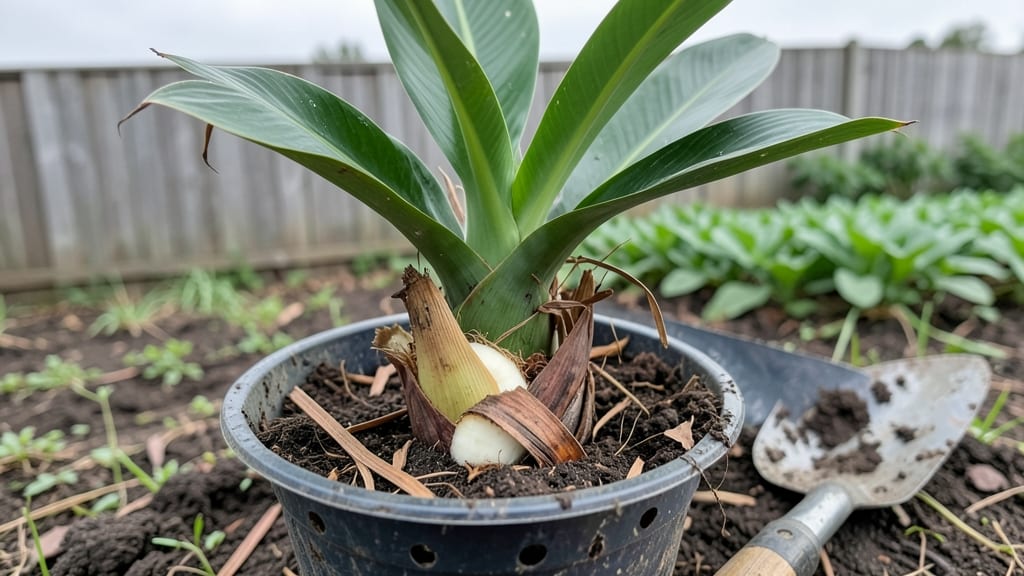
Planting a coconut tree starts with one simple truth: you’re not just growing a plant—you’re cultivating a piece of the tropics right in your yard. 🌴 The secret to success lies in mimicking its natural habitat, whether you’re starting from a seed or transplanting a sapling, and knowing that patience will reward you with those iconic coconuts in just a few years.
Your first move depends on where you live. In true tropical zones, you can plant directly outdoors after the last frost, giving the tree a full sunbath and well-draining soil mix.
For cooler climates, container growing is your best bet—just pick a spot that gets at least 6-8 hours of sunlight daily and use a large pot with drainage holes. The key is warmth: coconut trees hate cold snaps, so bring potted trees indoors if temperatures dip below 50°F.
Once planted, the magic happens in the details. Keep the soil consistently moist but never soggy—think of it like a beach after a gentle rain, not a swamp.
Within 3-6 months, you’ll see new fronds unfurling, and with proper care, your tree could produce its first coconuts in 5-10 years. The payoff? Fresh coconuts straight from your own backyard, year after year.
Here’s the twist: even if you live outside the tropics, you can still grow one—just adapt. Smaller varieties like the Malayan Dwarf thrive in containers, while outdoor growers in warm zones should choose disease-resistant types. The real challenge isn’t planting; it’s waiting for that first coconut to drop. Worth it.
📚 In This Guide
- What you need
- Instructions
- Tips and common mistakes
- Wrapping up and next steps
What you need
- ● Coconut seed – A fresh, mature coconut with a plump, brown, hairy husk (avoid dried or cracked ones). Well-draining soil – A mix of sandy loam (pH 6.1–7.5) or coconut coir for optimal growth. Large container or planting hole – For pots: A 5-gallon+ container with drainage holes (minimum 18" deep). For direct planting: A hole twice as wide and deep as the seed’s size.
- ○ Watering can or hose – For consistent moisture (coconuts love hydration!). Fertilizer (optional but helpful) – Balanced NPK (10-10-10) or organic compost to boost early growth. Citric acid (1 tsp per gallon of water) to prevent nutrient deficiencies.
Step-by-Step instructions for planting a coconut tree
Here’s how to grow a coconut tree from a nut—with the right conditions, you’ll have tropical harvests in just a few years.
🌱 Step 1: Germinate the Coconut Nut Indoors
Start with a fresh, unrefrigerated coconut nut with a hairy husk still attached. Fill a small container with 2-3 inches of moist sphagnum peat moss (or a mix of peat and perlite) and place the coconut upright, with one-third of its base submerged. The husk should face downward—this mimics how coconuts germinate naturally in tropical soil.
Keep the container in a warm spot (75-85°F) with bright, indirect light—a sunny windowsill works. Mist the moss daily to keep it damp but not soggy. In 3-6 months, a white root will emerge from the base, followed by a sprout. This is your signal to prepare for planting.
🪴 Step 2: Prepare the Planting Site
Coconut trees thrive in USDA Zones 10-11 with full sun (6+ hours daily) and well-draining soil. If you’re in a cooler climate, grow it in a large container (15+ gallons) and bring it indoors during frost. For ground planting, choose a spot with sandy, slightly acidic soil (pH 5.0-6.5)—amend heavy clay with organic matter like compost or coconut coir.
Dig a hole twice as wide as the root ball but only as deep as the container it’s in. If planting bare-root (after germination), make a small mound of soil in the center to elevate the roots slightly. This prevents waterlogging, which can rot the roots.
☀️ Step 3: Plant the Germinated Nut
Gently remove the coconut from its container and place it in the hole, ensuring the root system spreads naturally without bending. Fill the hole with soil, pressing lightly to remove air pockets. Water deeply (1-2 gallons) to settle the soil and encourage root growth. Avoid compacting the soil too tightly—coconut roots need air to breathe.
Mulch the base with 2-3 inches of organic mulch (like shredded bark) to retain moisture and regulate soil temperature. Keep the mulch 2 inches away from the trunk to prevent rot. Water 2-3 times weekly for the first month, then taper to once weekly once established.
✂️ Step 4: Care for Growth and Protect Young Trees
Young coconut trees grow slowly at first—expect 1-2 feet of growth per year. Fertilize monthly during spring and summer with a balanced, water-soluble fertilizer (10-10-10) diluted to half strength. Avoid high-nitrogen fertilizers, which promote leafy growth over fruit production.
Watch for pests like coconut rhinoceros beetles (common in tropical regions) or fungal diseases if the soil stays too wet. If grown in containers, rotate the pot quarter-turn weekly to ensure even sunlight exposure. In 3-5 years, your tree may produce flowers—and eventually, coconuts!
⏰ Step 5: Harvest and Maintain for Long-Term Fruit
Coconuts are ready to harvest when the outer husk turns brown and splits open, usually 12-18 months after flowering. Wear gloves—coconut husks are sharp! Cut the coconut from the tree with pruning shears, leaving a 1-inch stem. Let it dry in the sun for 1-2 weeks before cracking it open.
To encourage more fruit, prune dead or overcrowded fronds annually in late winter. In cooler climates, protect the tree from winter winds by moving it to a sheltered area or covering it with burlap. With patience, your coconut tree can live for decades and produce 50+ coconuts per year once mature.
Tips & tricks for planting a coconut tree
Growing a coconut tree from a nut is a rewarding process, but these simple tricks will help you avoid common pitfalls and maximize your chances of success.
Germination Environment: The 75-85°F temperature range is crucial during Step 1. If your home runs cooler, consider using a seedling heat mat underneath the container. I placed mine near a south-facing window where it stayed consistently warm—this sped up germination from 6 months to just 4 months. Also, keep the container slightly elevated to prevent waterlogging, which can rot the coconut before it even sprouts.
Soil Preparation: For Step 2, if you're dealing with heavy clay soil, mix in equal parts compost and coconut coir to improve drainage. I tested different soil blends and found this combination mimics the tropical conditions coconut trees love. Avoid compacting the soil too tightly when planting—gently press it around the roots instead. This helps prevent waterlogging, which is the #1 reason coconut trees fail to thrive.
Transplanting Tip: When moving your germinated coconut from its indoor container to the planting site in Step 3, water it thoroughly the day before transplanting. This helps reduce transplant shock. I also recommend handling the root ball gently—coconut roots are delicate and can break easily. If you're planting in a container, choose one that's at least 15 gallons to give your tree room to grow.
Long-Term Care: In Step 4, don't be tempted to over-fertilize. While monthly feeding sounds good, coconut trees actually prefer less frequent but more substantial feedings. I switch to a slow-release fertilizer every 3 months during growing season, which provides steady nutrients without risking root burn. Also, watch for yellowing leaves—this often indicates overwatering rather than nutrient deficiency.
Pro Tips for How Do You Plant A Coconut Tree
- Growing a coconut tree from a nut is a rewarding process, but these simple tricks will help you avoid common pitfalls and maximize your chances of success.
- Germination Environment: The 75-85°F temperature range is crucial during Step 1.
- Soil Preparation: For Step 2, if you're dealing with heavy clay soil, mix in equal parts compost and coconut coir to improve drainage.
Frequently asked questions
How long does it take for a coconut tree to bear fruit?
A coconut tree typically takes 5 to 10 years to produce its first fruit, depending on the variety and growing conditions. Dwarf varieties may fruit sooner (around 3–5 years), while taller types can take longer. Patience is key—think of it as a long-term tropical investment!
Can I plant a coconut tree in cold climates?
Coconut trees thrive in tropical zones (USDA Hardiness Zones 10–11) and struggle in freezing temps. If you live in a colder climate, try growing one in a large container and bring it indoors during winter. Alternatively, opt for cold-hardy alternatives like palmyra palms or sugar palms for a similar look.
What’s the best time of year to plant a coconut?
The ideal time is during the warm, rainy season (spring or early summer in tropical regions). This gives the seedling moisture to establish roots before dry spells. If planting in cooler months, ensure the soil stays consistently warm (above 60°F/15°C) to avoid shock. Pro tip: Avoid frost—coconuts hate cold!
How often should I water a young coconut tree?
Keep the soil consistently moist but not soggy for the first year. Water deeply 2–3 times per week (more in extreme heat or sandy soil). Once established (after 2–3 years), reduce to weekly deep waterings. Overwatering can drown roots—drainage is critical!
What pests or diseases should I watch for?
Common threats include coconut rhinoceros beetles (chew on leaves), root rot (from poor drainage), and leaf blight (fungal). Prevent issues by:
- Using neem oil for pests.
- Ensuring well-draining soil.
- Pruning dead fronds to improve airflow.
Can I grow a coconut tree from a store-bought coconut?
Yes! But success rates are low (<10%) because most grocery-store coconuts are hybridized for drinking and won’t sprout. For better odds, use a fresh, mature coconut (check for a soft "eye" (hole) and plant it eye-side up in moist soil. Soak it for 2–3 days first to speed germination.
Wrapping up and next steps
Planting a coconut tree is a rewarding journey that brings a taste of the tropics to your backyard! 🌴 With the right soil, climate, and care, you’ll enjoy lush foliage, fragrant flowers, and—eventually—fresh coconuts straight from your own tree.
Whether you’re starting with a seedling or a nut, patience and consistency are key.
Ready to take the next step? Monitor your tree’s progress, protect it from pests, and soon, you’ll be harvesting your own tropical treasures! 🌱✨