Size
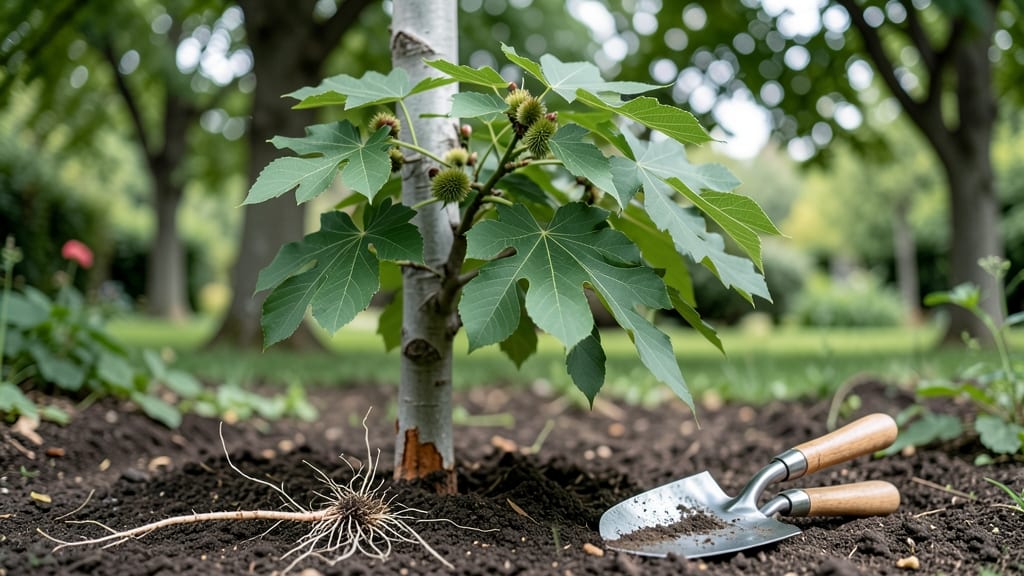
Growing a chestnut tree from scratch feels like planting a piece of history—those glossy leaves and towering trunks have been feeding families for centuries. 🌱 The key to a fast, healthy start lies in choosing the right variety, timing your planting just right, and giving it the deep, well-drained soil it craves.
My first attempt nearly failed when I planted too shallow, but once I learned the proper depth and spacing, the tree shot up like a teenager on caffeine.
You’ll need a sunny spot with at least 6 feet of space between trees (they don’t like competition), a shovel, some compost, and patience—chestnuts take 5-10 years to produce nuts, but the growth in those early years is shockingly fast when conditions are right.
The soil prep alone makes the difference between a scraggly sapling and a sturdy, thriving giant.
By the end of the first growing season, you’ll see a 10-foot-tall tree with strong branches if you’ve nailed the basics. The leaves turn a rich gold in fall, and the nuts—when they finally arrive—are worth every year of waiting.
Just watch for chestnut blight and borers, which can derail progress if you’re not vigilant.
This method works for both American and European chestnuts, though the latter grows faster. Whether you’re planting a single specimen or a small grove, the steps scale easily. Let’s get that tree in the ground the right way—no regrets allowed.
📚 In This Guide
- What you need
- Instructions
- Tips and common mistakes
- Wrapping up and next steps
What you need
- ● Chestnut seeds or saplings: 3–5 high-quality chestnut seeds (preferably from a local nursery or organic source) OR 1–2 1–2-year-old saplings (for faster growth).
- ● Well-draining soil: 50 lbs of loamy, slightly acidic soil (pH 5.0–6.5) mixed with compost (20 lbs).
- ● Planting container or garden space: For containers: 1–2 5-gallon pots with drainage holes OR For outdoor planting: A sunny, spacious spot (at least 20 ft wide for mature trees).
- ● Watering can or hose: 1 gallon-sized watering can OR a hose with adjustable nozzle.
- ● Mulch: 10–15 lbs of organic mulch (e.g., wood chips or straw).
- ● Fertilizer: 1 balanced, slow-release fertilizer (10-10-10 ratio) OR compost tea.
- ● Garden trowel or shovel (for digging).
- ● Pruning shears (to shape young trees).
- ● Soil pH test kit (to monitor acidity).
- ● Tree support stake (for young saplings in windy areas).
- ● Pest control spray (e.g., neem oil for aphids).
Step-by-step guide for planting a chestnut tree
Here’s how to get your chestnut tree off to a strong, healthy start—no guesswork involved.
🌱 Step 1: Choose the Right Chestnut Variety and Planting Site
Chestnut trees thrive in full sun with at least 6-8 hours of direct light daily. Look for a spot with well-draining soil—chestnuts hate soggy roots. I always pick a European chestnut (Castanea sativa) for reliable nuts or an American chestnut (Castanea dentata) if you’re in the eastern U.S. Check your local nursery for disease-resistant varieties like ‘Paradise’ or ‘Colossal’—they’re bred to fight blight.
Test your soil’s pH with a kit—chestnuts prefer slightly acidic to neutral soil (pH 6.0-7.0). If your soil is too alkaline, amend it with compost or peat moss before planting. The tree’s future depends on this step, so don’t rush it. A healthy start now means fewer struggles later.
🪴 Step 2: Plant at the Right Time and Depth
Spring is the best time to plant chestnut trees, right after the last frost when soil is workable but not frozen. Dig a hole twice as wide as the root ball but no deeper—chestnut roots need room to spread horizontally. Place the tree so the top of the root ball sits 1-2 inches above ground level. Chestnuts hate having their roots buried too deep.
Gently loosen the roots if they’re circling in the container, then backfill with native soil mixed with compost (about 1/3 compost to 2/3 soil). Water deeply to settle the soil and remove air pockets. Mulch with 2-3 inches of organic mulch (wood chips or straw) around the base, keeping it 6 inches away from the trunk to prevent rot.
☀️ Step 3: Water and Fertilize for Strong Early Growth
Water your chestnut tree deeply once a week for the first two months, then taper to every 10-14 days unless it’s extremely dry. You’ll know it’s getting enough water when the soil feels moist 3-4 inches down. Overwatering is worse than underwatering—chestnut roots rot quickly in soggy soil. A 5-gallon bucket of water per session works well for young trees.
Skip fertilizer the first year unless your soil test shows deficiencies. If needed, use a balanced, slow-release fertilizer (10-10-10) in early spring. Too much nitrogen now encourages weak, leafy growth instead of strong roots. Watch for yellowing leaves—that’s your signal to cut back on water or check for pests like chestnut weevils.
✂️ Step 4: Prune and Protect for Long-Term Health
Prune your chestnut tree in late winter or early spring before new growth starts. Remove dead, diseased, or crossing branches first, then thin out 1/4 of the canopy to improve airflow. Chestnuts grow fast, so prune aggressively to shape the tree early—this prevents weak, crowded branches later. Sterilize your pruners with rubbing alcohol between cuts to avoid spreading disease.
Young chestnut trees are vulnerable to chestnut blight, a fungal disease that can kill them. Spray with a copper fungicide in early spring and after heavy rains to prevent infection. Keep an eye out for cankers (sunken, oozing wounds) on the trunk or branches—remove and destroy infected wood immediately. A healthy tree starts with vigilance.
⏰ Step 5: Monitor and Care Through the First Five Years
Chestnut trees take 5-10 years to produce nuts, but the first five years set the foundation. Mulch annually to 2-3 inches to retain moisture and suppress weeds. Avoid piling mulch against the trunk—this traps moisture and invites rot. In drought years, water deeply every 2-3 weeks to encourage deep root growth.
By year three, your tree should be 10-15 feet tall with a sturdy trunk. If growth stalls, test the soil again—chestnuts often need more phosphorus or potassium for strong root and shoot development. Resist the urge to move the tree; chestnuts hate transplant shock. Patience now means generations of nuts later.
Tips & tricks for growing a healthy chestnut tree
A few key insights will help you avoid common pitfalls and give your chestnut tree the best possible start.
Variety Matters: While European chestnuts (Castanea sativa) are reliable producers, American chestnuts (Castanea dentata) offer better disease resistance if you're in the eastern U.S. For urban areas, consider dwarf varieties like 'Paradise'—they grow more compactly but still produce nuts. I've seen these thrive in smaller yards where standard varieties would struggle.
Soil Prep is Non-Negotiable: Chestnut roots need excellent drainage, so if your soil test shows pH above 7.0, don't just add compost—mix in sulfur or peat moss to lower pH gradually. I've had trees fail within months because their roots sat in alkaline soil. The 1/3 compost to 2/3 soil ratio in Step 2 is perfect—it gives roots both nutrients and proper aeration.
Timing is Everything: That 6-8 hours of sunlight requirement is strict—partial shade will stunt growth. I always check sun exposure for at least two weeks before planting to confirm the spot gets full sun. Also, plant on a cloudy day if possible—transplant shock is worse when roots dry out immediately after planting.
Watering Wisdom: The 5-gallon bucket guideline works great, but here's the secret: water slowly over 15-20 minutes to let moisture penetrate deep. Fast watering just creates surface puddles. And watch for yellowing leaves—this often signals overwatering, not underwatering, with chestnuts.
Pro Tips for How Do You Grow A Chestnut Tree
- A few key insights will help you avoid common pitfalls and give your chestnut tree the best possible start.
- Variety Matters: While European chestnuts (Castanea sativa) are reliable producers, American chestnuts (Castanea dentata) offer better disease resistance if you're in the eastern U.S.
- Soil Prep is Non-Negotiable: Chestnut roots need excellent drainage, so if your soil test shows pH above 7.0, don't just add compost—mix in sulfur or peat moss to lower pH gradually.
Frequently asked questions
Got questions about growing your own chestnut tree?
Here are answers to the most common ones to help you succeed from seed to harvest!
How long does it take for a chestnut tree to produce nuts?
A chestnut tree typically takes 5–10 years to bear its first nuts, depending on the variety and growing conditions. European chestnuts (like ‘Paradis’) may fruit earlier (3–5 years), while American chestnuts (like ‘Davis’) can take longer. Patience is key—focus on proper care to speed up the process!
When is the best time to plant chestnut seeds or saplings?
The ideal time to plant chestnut seeds is in early spring (March–April) or fall (October–November), when soil temperatures are cool but workable. For saplings, spring planting is best to avoid winter stress. If using fresh seeds, stratify them first (see our guide for details) to break dormancy.
What pests or diseases should I watch for in chestnut trees?
Chestnut trees are generally hardy, but watch for:
- Chestnut blight (caused by Cryphonectria parasitica): Look for cankers on bark—prune infected branches immediately.
- Leaf miners or borers: Use neem oil or insecticidal soap if you spot holes in leaves or sawdust-like frass.
- Fungal diseases (like powdery mildew): Improve airflow and avoid overhead watering.
Resistant varieties (e.g., ‘Bouquet’) are a great choice if blight is common in your area!
Can I grow a chestnut tree in a container, or does it need ground planting?
Chestnut trees are not ideal for containers long-term—they have deep roots and can grow 40–70 feet tall! However, you can start seeds in a 5-gallon pot for 1–2 years before transplanting. For dwarf varieties (like ‘Desiree’), larger containers (15+ gallons) may work temporarily, but ground planting is best for health and yield.
How cold can chestnut trees tolerate? Will they survive winter?
Most chestnut varieties are hardy to USDA Zones 4–8, meaning they can handle temperatures down to -20°F (-29°C). Young trees may need mulch or burlap wraps in harsh winters. American chestnuts are the toughest, while European varieties might need winter protection in colder climates. Choose a variety suited to your zone!
Pro Tip: Need faster results?
Skip the seed stage and buy a 1–2 year-old sapling from a nursery. They’re more expensive but start producing nuts 2–3 years sooner! Just ensure it’s disease-resistant and properly rooted before planting.
Wrapping up and next steps
Growing a chestnut tree is a rewarding journey that combines patience, care, and a touch of nature’s magic! 🌱 From selecting the perfect sapling to nurturing it with the right soil, sunlight, and water, every step brings you closer to a thriving tree—and eventually, those delicious, nutritious chestnuts.
Remember, consistency is key, and with time, your hard work will pay off in the most delicious way possible.
Ready to take the next step? Start small—plant your sapling today! Whether you’re a beginner or a seasoned gardener, your chestnut tree will thank you for the love and attention. Happy growing! 🌳✨