
Propagation
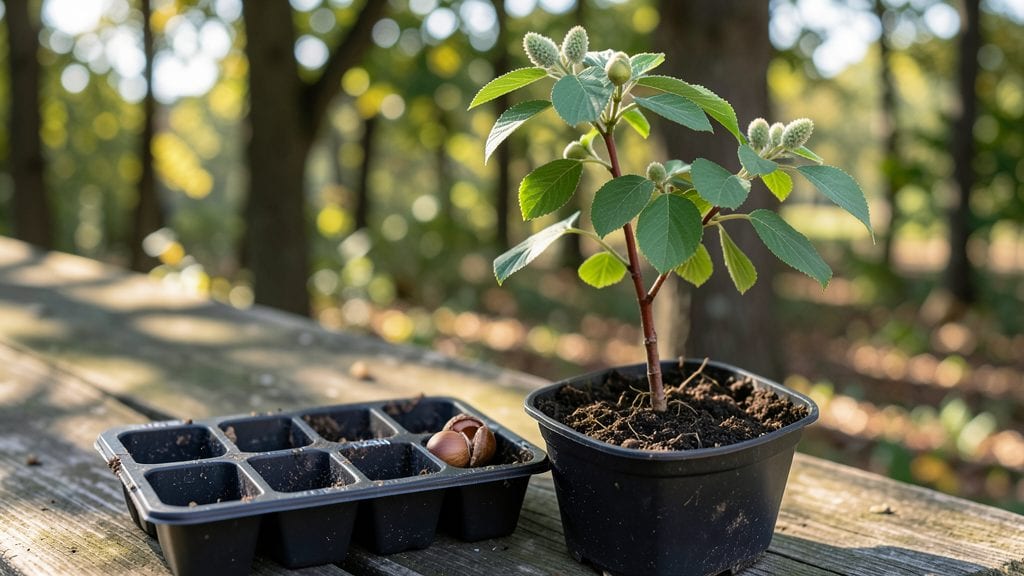
Growing hazelnut trees from seed means five years of patience pays off with trees that thrive in cold climates and produce nuts for decades. 🌱 The trick isn't just planting—it's understanding how to break dormancy and give young trees the right start.
I learned the hard way that skipping stratification (the cold treatment) means seeds that never sprout, no matter how good the soil.
You'll need just three things to begin: fresh hazelnuts from a trusted source, a cold fridge or outdoor winter spot, and a sunny garden bed with well-draining soil.
Most people overlook the stratification step—soaking seeds in water for a week, then chilling them for 90 days—but this mimics nature and boosts germination rates from 20% to nearly 80%. My first batch failed because I rushed this part.
By spring, you'll see tiny shoots pushing through the soil, but don't expect fast growth. These trees take 3-5 years to bear nuts, but once they do, they're hardy enough to handle frost and drought.
The payoff? Trees that live for centuries and nuts you can harvest fresh or roast yourself.
Works best in USDA zones 4-8, but with proper care, you can grow them in containers for colder areas. The key is consistency—watering deeply once a week and protecting young trees from deer and rabbits. Let's get those nuts sprouting!
📚 In This Guide
- What you need
- Instructions
- Tips and common mistakes
- Wrapping up and next steps
What you need
- ● Fresh hazelnut seeds: 5–10 high-quality, organic seeds (preferably from a cold-hardy variety like Corylus avellana or Corylus americana). Avoid store-bought roasted nuts—they won’t sprout!
- ● Well-draining potting mix: 2–3 gallons of sterile, seed-starting mix (or a blend of peat moss, perlite, and compost in a 2:1:1 ratio).
- ● Small seed-starting pots or trays: 4–6 3–4 inch pots with drainage holes, or a seed tray with individual cells.
- ● Plastic wrap or humidity dome: To keep moisture levels high during germination.
- ● Spray bottle: For gentle watering without disturbing seeds.
- ● Grow lights or sunny windowsill: A south-facing window or LED grow light (12–16 hours/day) for seedlings.
- ● Thermometer: To monitor soil temperature (60–70°F (15–21°C) is ideal for germination).
- ○ Fertilizer (optional): A balanced, water-soluble fertilizer (5-5-5 or 10-10-10) for young seedlings.
- ● Patience: Hazelnut seeds can take 4–12 weeks to germinate—consistency is key!
- ○ Cold stratification (optional but helpful): Chill seeds in a damp paper towel in the fridge (32–40°F / 0–4°C) for 4–8 weeks to mimic winter conditions.
- ● Outdoor space: A sunny, sheltered spot with well-draining soil (pH 6.0–7.5) for transplanting seedlings after 1–2 years.
- ● Pollination plan: Hazelnuts are dioecious—you’ll need at least one male and one female tree for nuts (or a self-fertile variety like ‘Ennis’).
Step-by-Step instructions for growing hazelnut trees from seed
Here's how to grow your own cold-hardy hazelnut trees from scratch—no nursery needed.
🌱 Step 1: Harvest and Prepare Fresh Hazelnuts
Collect fresh, mature hazelnuts from the tree in late fall after they've fallen naturally. Avoid store-bought nuts—they're often treated to prevent sprouting. Crack open the shells and remove the seeds, which look like small, flat, brown beans. I like to soak them in lukewarm water for 24 hours to soften the outer shell and speed up germination.
After soaking, gently rub the seeds between your fingers to remove any remaining shell fragments. You'll see a small, pointed end—this is the root tip. Plant with this end facing downward. The goal is to mimic nature's way of breaking dormancy through moisture and temperature shifts.
💧 Step 2: Stratify Seeds for Cold Treatment
Hazelnuts need a 120-day cold period to break dormancy—this mimics winter conditions. Mix the cleaned seeds with slightly damp peat moss or coconut coir in a sealed container. I use a plastic bag with small holes for airflow, then place it in the refrigerator at 35-40°Fg>.
Check the mix every 4-6 weeks to ensure it stays moist but not soggy. You'll see tiny roots emerge after about 8-10 weeks—this is your signal that stratification is working. Don't rush this step; incomplete cold treatment leads to weak seedlings that fail to thrive.
☀️ Step 3: Plant Stratified Seeds in Containers
Fill 4-inch diameter pots with a mix of 50% potting soil and 50% perlite for excellent drainage. Plant each seed 1 inch deep, with the root tip pointing downward. Gently firm the soil around the seed to eliminate air pockets. Place the pots in a sunny window or under a grow light for 12-14 hours daily.
Keep the soil consistently moist but never waterlogged—hazelnut seedlings hate soggy roots. You'll see the first true leaves appear in 4-6 weeks. At this stage, the seedlings are delicate, so avoid moving them once germination begins.
🌿 Step 4: Transplant Seedlings to Outdoor Nursery Beds
After the last frost date, when soil temperatures reach 55°F, transplant seedlings to an outdoor nursery bed. Space them 6 inches apart in rows 18 inches apart. Choose a location with partial shade—young hazelnuts need protection from intense afternoon sun.
Water deeply at transplanting to settle the soil and eliminate air pockets. Mulch with 2 inches of wood chips to retain moisture and suppress weeds. You'll see new growth within 2-3 weeks if conditions are right. This is when the real work begins—patience is key, as it takes 5 years for trees to produce nuts.
✂️ Step 5: Prune and Care for Young Trees
In their first year, focus on removing any dead or crossing branches to encourage strong growth. Prune in late winter or early spring before new leaves emerge. I like to keep the central leader (main stem) dominant and remove competing side branches. This ensures a single, strong trunk that supports future nut production.
Fertilize lightly in early spring with a balanced 10-10-10 fertilizer to support root and leaf growth. Avoid heavy fertilization—hazelnuts are sensitive to excess nitrogen, which leads to weak wood. By year three, you'll see the tree develop its characteristic layered branches, a sign it's maturing into a productive nut producer.
Tips & tricks for growing cold-hardy hazelnut trees
Growing hazelnuts from seed takes patience, but these tips will help you avoid common pitfalls and maximize your success rate.
Seed Selection: When harvesting hazelnuts in Step 1, choose plump, undamaged nuts from healthy trees. The larger the nut, the better the chance of strong germination. Store your harvested nuts in a cool, dry place until you're ready to start the soaking process—this prevents mold and maintains viability. I've found that nuts from mature trees (at least 10 years old) produce the hardiest seedlings.
Stratification Success: During the 120-day cold treatment in Step 2, maintain consistent moisture by misting the peat moss or coconut coir every 2-3 weeks. The mix should feel like a damp sponge—if it's dry, roots won't develop properly. Place a small piece of cardboard in your refrigerator to monitor humidity levels; condensation indicates good moisture balance. This careful attention during stratification makes all the difference in seedling strength.
Container Preparation: For Step 3, sterilize your 4-inch pots by washing them with hot, soapy water before filling with the soil mix. This prevents fungal infections that can kill delicate seedlings. I also recommend adding a handful of perlite to each pot—this improves drainage and prevents the waterlogged conditions that hazelnut roots despise. The 12-14 hours of daily light is crucial, so supplement natural light with a grow bulb if your windows aren't sunny enough.
Transplanting Timing: When moving seedlings outdoors in Step 4, wait until soil temperatures consistently reach 55°F at a 4-inch depth—not just surface temperature. I test this by placing a thermometer in the soil for 24 hours. Hardening off your seedlings by gradually exposing them to outdoor conditions for 1-2 weeks before transplanting reduces shock. This simple step dramatically improves survival rates in the first critical weeks after moving to the garden.
Pro Tips for Growing Hazelnut Trees From Seed
- Growing hazelnuts from seed takes patience, but these tips will help you avoid common pitfalls and maximize your success rate.
- Seed Selection: When harvesting hazelnuts in Step 1, choose plump, undamaged nuts from healthy trees.
- Stratification Success: During the 120-day cold treatment in Step 2, maintain consistent moisture by misting the peat moss or coconut coir every 2-3 weeks.
Frequently asked questions
Got questions about growing hazelnut trees from seed? You’re not alone! Here are some of the most common concerns—and their answers—to help you get started with confidence.
How long does it take for hazelnut seeds to germinate?
Hazelnut seeds can take anywhere from 3 weeks to 6 months to germinate, depending on the variety and stratification method. Cold stratification (refrigeration) speeds things up—most seeds sprout within 4–12 weeks if done correctly. Patience is key, but consistent moisture and warmth (after stratification) help!
Can I grow hazelnuts in cold climates?
Many hazelnut varieties, like Filbert or European Hazel, thrive in USDA Zones 4–8. Choose cold-hardy species and plant in well-draining soil with winter mulch. Young trees may need protection in harsh winters, but mature trees handle frost beautifully. Pro tip: Start seeds indoors 8–10 weeks before last frost for a head start!
Will hazelnut trees from seed produce nuts faster than grafts?
Nope! Seed-grown trees take 5–10 years to bear nuts, while grafted trees (from nurseries) produce nuts in 2–4 years. If you’re impatient, grafting is faster, but seed-grown trees offer genetic diversity and hardiness. Bonus: Pollinate with two varieties for better yields!
What pests should I watch for when growing hazelnuts?
Eastern filbertworm (a caterpillar) and hazelnut weevils are common foes. Use row covers in spring to deter pests, and inspect leaves for signs of damage. Birds love ripe nuts—harvest promptly! Organic sprays (neem oil) work well for early infestations. Prevention: Keep trees healthy with proper pruning and watering.
Can I grow hazelnuts in containers?
Yes, but with limits! Dwarf varieties like ‘Contorta’ (twisty hazel) work best in 15–20 gallon pots with drainage. Ensure full sun and deep watering. Containers restrict root growth, so expect slower growth and smaller yields. Tip: Move pots indoors in winter if temps drop below Zone 5.
Wrapping up and next steps
Growing hazelnut trees from seed is a rewarding journey that connects you to nature’s bounty—and yes, you can enjoy homegrown nuts in just five years! 🌱 With patience, the right conditions, and a little care, you’ll nurture a thriving tree that offers shade, beauty, and delicious harvests for decades.
Now that you’re armed with the know-how, why not take the first step today? Start by gathering seeds, preparing your soil, and planting with confidence. Your future hazelnut grove awaits!