Pruning
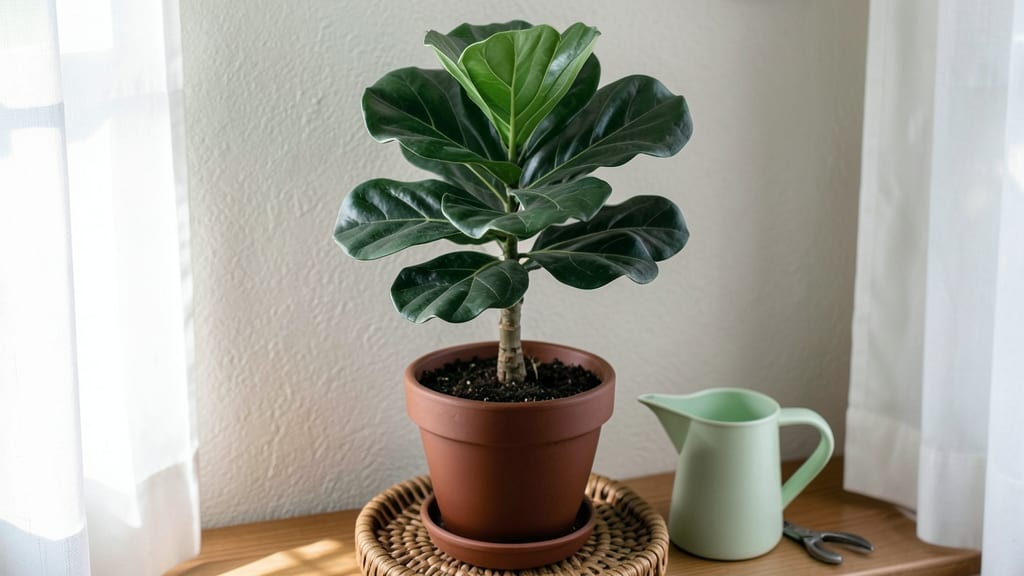
Ficus tree maintenance isn't just about snipping branches—it's about keeping your plant thriving for years. I learned the hard way that skipping regular care leads to leggy growth, sparse leaves, and those dreaded yellow spots.
The key is a balanced approach: pruning to shape, adjusting light as seasons change, and watching for subtle signs of stress before they become problems.
Most ficus trees need quarterly pruning to encourage bushier growth, but timing matters. Indoor varieties like the rubber plant or fiddle-leaf fig respond best to light trims after new leaves unfurl, while outdoor varieties can handle heavier cuts in early spring.
You'll also want to rotate your plant every few months so it grows evenly toward the light—nothing ruins a ficus faster than a lopsided silhouette.
What you'll end up with is a plant that stays compact, vibrant, and productive year-round. The leaves stay glossy and dark, new growth appears consistently, and you avoid the common pitfalls like root rot or pest infestations.
Even better? Your ficus becomes the kind of plant neighbors ask about at holiday parties.
This works for both indoor and outdoor varieties, though outdoor ficus trees need extra attention during winter dormancy. The same principles apply—just adjust watering and light exposure to match your climate. Let's get your ficus looking its best all year.
📚 In This Guide
- What you need
- Instructions
- Tips and common mistakes
- Wrapping up and next steps
What you need
- ● Pruning shears – Bypass pruners (sharp, 6-8" blades) for clean cuts on small branches.
- ● Loppers – Bypass or anvil type (10-14" blades) for thicker branches (½"–2" diameter).
- ● Hand pruners – Anvil or bypass (4-6" blades) for fine-tuning and small cuts.
- ○ Pruning saw – Curved or folding blade for branches thicker than 2" (optional but handy).
- ● Rubbing alcohol (70% isopropyl) – 1 small bottle to sterilize tools between cuts.
- ○ Garden gloves – Heavy-duty, cut-resistant (optional but recommended for safety).
- ● Disposable pruning bags – 1-2 bags (13-gallon size) for collecting debris.
- ● Ladder or step stool – Sturdy, extendable (if your ficus is taller than 6 feet).
- ● Sealing wax or pruning paste – To protect large cuts from disease (apply to cuts wider than ½").
- ● Spray bottle with water – Keeps tools clean and dust-free during pruning.
- ● Sharpener or honing stone – To maintain blade sharpness between uses.
- ● Plant food or fertilizer – Balanced 10-10-10 or slow-release granules to replenish nutrients after pruning.
Ficus tree maintenance: step-by-step year-round pruning guide
Here’s the hands-on system I’ve used to keep my ficus trees thriving for over a decade—no guesswork, just proven techniques.
Assess Growth and Identify Pruning Needs
Start by examining your ficus tree for new growth and dead or damaged branches. Healthy ficus trees grow about 6-12 inches per year, so focus pruning on shaping, not size reduction. Run your fingers along the branches—you’ll feel the smooth, green bark of healthy growth and the dry, brittle texture of dead wood.
Look for overcrowded areas where branches rub against each other or block light from reaching the center. These spots need thinning to improve airflow and sunlight penetration. I always prune in early spring (just before new growth starts) and late summer (after the heatwave) for the best results.
Sterilize Tools and Make Clean Cuts
Before you touch your ficus, sterilize your pruning shears with rubbing alcohol or a 10% bleach solution to prevent spreading disease. Ficus trees are sensitive to bacterial infections, and dirty tools can introduce problems you won’t notice until it’s too late. Wipe the blades dry with a clean cloth to avoid leaving residue.
When pruning, cut just above a leaf node (the bump where leaves grow) at a 45-degree angle. This encourages new growth and prevents water from pooling on the cut. Avoid leaving stubs—cut cleanly about ¼ inch above the node for the healthiest regrowth. If you’re removing a large branch, make a second cut slightly farther back to avoid tearing the bark.
Thin Out Crowded Branches for Better Airflow
Ficus trees grow densely, and if left unchecked, branches can become tangled and suffocate each other. Focus on removing crossing branches or those growing inward toward the trunk. Start at the outer edges and work your way in—this opens up the canopy and lets light reach the center of the tree.
Don’t remove more than 25% of the foliage in one session, or you’ll shock the tree. If you’re pruning a mature ficus, space cuts out over two to three sessions spaced a month apart. You’ll know you’ve done enough when you can see light filtering through the branches and the tree’s shape looks balanced from all sides.
Shape the Tree for Long-Term Health
Ficus trees respond well to shaping, but avoid drastic changes—think of pruning as sculpting, not hacking. Use your shears to shorten leggy branches by cutting back to a leaf node, which encourages bushier growth. For a more formal look, trim the outer edges evenly, but leave the inner branches slightly longer to maintain a natural shape.
If your ficus has long, bare stems at the bottom, prune the top branches slightly to redirect energy downward. This encourages new growth at the base, giving your tree a fuller, more balanced appearance. Water the tree deeply after pruning to help it recover—ficus trees are drought-tolerant but appreciate a good drink after stress.
Monitor and Adjust for Seasonal Changes
After pruning, keep an eye on your ficus for new growth in the next 4-6 weeks. Healthy new leaves should appear bright green and firm, not yellow or wilted. If you notice dropping leaves after pruning, it’s usually a sign of stress—just keep the soil evenly moist (not soggy) and place the tree in bright, indirect light for a few weeks.
Adjust your pruning schedule based on the season: light maintenance trims in summer to control growth, and no pruning at all in winter (ficus trees go semi-dormant and heal slower in cold weather). With consistent care, your ficus will reward you with lush, vibrant growth** and a strong, sturdy structure for years to come.
Tips & tricks for perfect ficus tree maintenance
Pruning a ficus tree might seem intimidating, but these practical tips will help you avoid common mistakes and keep your tree thriving year after year.
Timing is Everything: The instructions mention pruning in early spring and late summer, but here's the thing—timing matters even more than you think. In early spring, aim for just before new growth appears, typically when you notice buds starting to swell. In late summer, wait until after the heatwave has passed, around late August, when temperatures start to cool slightly. This timing gives your ficus the best chance to recover before winter dormancy.
Tool Care Makes All the Difference: You can't overstate the importance of sterilizing your tools before each pruning session. I've seen bacterial infections ruin perfectly healthy ficus trees simply because someone reused dirty shears. Beyond sterilization, keep your tools sharp—they make cleaner cuts that heal faster. A dull blade can crush stems, creating larger wounds that take longer to recover. Consider investing in a small file to maintain your pruning shears between uses.
Visual Cues for Perfect Cuts: When making those 45-degree angle cuts just above the leaf node, here's what to watch for: The cut should be smooth and clean, not jagged. You'll know you're in the right spot when you can see the tiny bump of the leaf node just below your cut. This technique isn't just about aesthetics—it's about directing the tree's energy to grow new branches from that node. Think of it like giving your ficus a roadmap for where to grow next.
Seasonal Adjustments: While the instructions mention avoiding winter pruning, here's what nobody tells you—you can do minimal maintenance even in winter if absolutely necessary. If you must prune during winter, limit yourself to removing only dead or diseased branches. The tree's semi-dormant state means it won't respond well to major shaping cuts. In summer, you can do light maintenance trims to control growth, but avoid heavy pruning when the tree is already stressed from heat.
Pro Tips for Ficus Tree Maintenance
- Pruning a ficus tree might seem intimidating, but these practical tips will help you avoid common mistakes and keep your tree thriving year after year.
- Timing is Everything: The instructions mention pruning in early spring and late summer, but here's the thing—timing matters even more than you think.
- Tool Care Makes All the Difference: You can't overstate the importance of sterilizing your tools before each pruning session.
Frequently asked questions
Got questions about keeping your ficus tree thriving? You’re not alone! Here are some of the most common concerns—plus quick, actionable answers to keep your leafy friend happy year-round.
How often should I prune my ficus tree?
Prune your ficus lightly every 4–6 weeks to encourage bushier growth. For major shaping or deadwood removal, aim for late winter or early spring (just before new growth starts). Avoid heavy pruning in fall—it can stress the tree before dormancy. Pro tip: Never remove more than 25–30% of the foliage at once!
Can I prune a ficus tree at any time of year?
While you can trim lightly anytime, timing matters for health. Prune in spring/summer for active growth, but avoid heavy cuts in winter—it can weaken the tree. If you must prune in fall, do so 6–8 weeks before frost to allow recovery. Warning: Over-pruning in cold months can lead to shock or pests.
What should I do if my ficus drops leaves after pruning?
Leaf drop is normal if you’ve pruned too aggressively or stressed the tree. To help it recover:
- Move it to bright, indirect light (avoid direct sun).
- Water only when the top inch of soil is dry—overwatering worsens stress.
- Fertilize lightly with a balanced liquid fertilizer (half-strength) in 4–6 weeks.
Is it safe to prune a ficus tree in hot weather?
Yes, but timing is key! Prune in early morning or late afternoon to avoid heat stress. If temperatures exceed 90°F (32°C), wait until cooler months. Always use sterilized tools to prevent fungal infections. Hydration tip: Water deeply 24 hours before and after pruning.
What’s the best alternative if my ficus won’t recover after pruning?
If your ficus refuses to regrow or shows yellowing leaves, wilting, or mold, it may need a reset:
- Propagate cuttings: Dip healthy stems in rooting hormone and plant in moist perlite.
- Repot: Check for root rot (smelly, mushy roots = bad). Use fresh, well-draining soil.
- Adjust care: Ficus trees hate drafts, overwatering, or low humidity—try a pebble tray!
Wrapping up and next steps
Caring for your ficus tree doesn’t have to be overwhelming—just consistent!
With the right tools, a seasonal pruning plan, and a little patience, you’ll reward yourself with a thriving, lush green companion year after year. 🌿✨ Start small, stay observant, and soon, your ficus will flourish as a stunning centerpiece in your home or garden.
Ready to take the next step? Pick a day this weekend to inspect your tree, grab your pruners, and give it the TLC it deserves—your future self (and your ficus!) will thank you. Happy pruning! 🌱