
Pruning
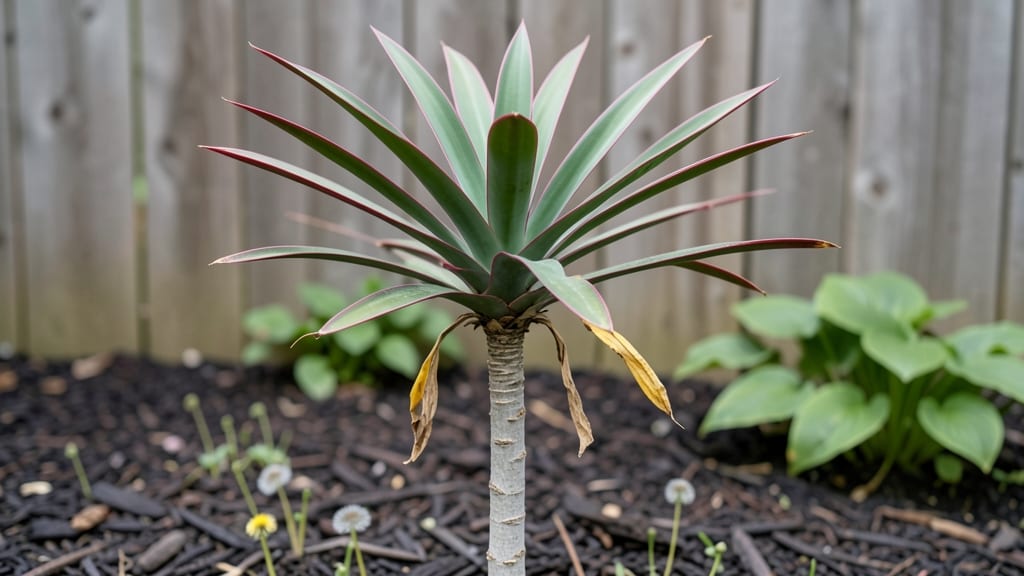
Growing a dragon tree outside transforms your yard into a striking tropical statement—with just three simple cuts to keep it thriving year-round. ✨ I’ve watched mine go from a struggling houseplant to a bold, 8-foot accent piece by mastering its outdoor needs, and the secret isn’t complicated: it’s about sunlight, soil, and strategic pruning.
The key is adapting to your climate, whether you’re in warm zones or cooler areas where winter protection becomes essential.
Dragon trees love bright, indirect light but can handle partial shade, making them versatile for patios, borders, or even large containers. The soil mix should drain well—think 50% potting soil, 30% perlite, and 20% compost—to prevent root rot, their biggest enemy.
In-ground plantings need well-draining soil, while containers let you control moisture and move the plant indoors if frost threatens. Most gardeners underestimate how adaptable these plants are once you get the basics right.
You’ll see richer green foliage and faster growth when you prune just three times a year: after spring flushes, mid-summer to shape, and late fall to clean up. The cuts encourage bushier growth and prevent leggy stems.
Even in winter, a thick mulch layer or wrapping the trunk protects it from freezing temps—no fancy equipment needed. The payoff? A nearly maintenance-free plant that adds drama without the fuss of high-maintenance tropicals.
Works in USDA Zones 10-12 year-round, but with winter care, they’ll survive as far north as Zone 8. Containers make them portable, while in-ground plantings create a long-term focal point. Here’s how to keep yours healthy through every season—no green thumb required.
📚 In This Guide
- What you need
- Instructions
- Tips and common mistakes
- Wrapping up and next steps
What you need
- ● Dragon Tree (Dracaena marginata) – 1 mature plant (3-5 feet tall, potted or bare-root). Pro tip: Choose one with a sturdy trunk and vibrant red edges!
- ● Well-draining potting mix – 1 bag (10-15 cubic feet). Look for a blend labeled "cactus/succulent mix" or amend regular soil with perlite/pumice.
- ● Large container or in-ground spot – 1 container (12"+ diameter) or a sunny, sheltered outdoor area with 6+ hours of indirect light.
- ● Pruning tools – 1 pair of sterilized bypass pruners (sharp, clean cuts prevent disease!).
- ○ Gloves – 1 pair (optional but recommended—Dragon Trees have mildly irritating sap!).
- ● Trowel or shovel – For planting (if in-ground).
- ● Slow-release fertilizer – 1 packet (balanced 10-10-10 or succulent-specific).
- ○ Mulch (optional) – 1 bag (bark or gravel) to retain moisture and deter weeds.
- ● Watering can or hose with nozzle – For gentle hydration (avoid soggy soil!).
- ○ Plant food (optional) – Liquid fertilizer (diluted to half-strength) for a post-pruning boost.
- ● Check your USDA Hardiness Zone (Dragon Trees thrive in Zones 10-12; colder zones? Keep it potted and bring it indoors in winter!).
- ● Pick a spot with bright, indirect light—no harsh midday sun (it can scorch the leaves!).
- ● Wait until spring or early summer to prune for new growth (avoid winter cuts—it’s dormancy season!).
Step-by-step guide to pruning your dragon tree for outdoor success
Here's how to keep your dragon tree thriving outside with just three straightforward pruning steps.
✂️ Step 1: Time Your First Spring Cut for New Growth
Prune your dragon tree in early spring—right as new growth begins—when you notice fresh, vibrant leaves emerging from the stem tips. This is the ideal time because the plant is entering its active growing season and can recover quickly. I always look for the first true leaves of the year as my signal to start.
Use clean, sharp pruning shears to make your cuts. Avoid tearing the stems—this invites disease. Cut just above a leaf node (the bump where leaves attach) at a 45-degree angle. This encourages bushier growth and prevents water from pooling on the cut. If your dragon tree has leggy branches, trim them back by about one-third to promote fuller foliage.
☀️ Step 2: Summer Pruning to Control Shape and Encourage Airflow
During mid-summer, when temperatures are consistently above 70°F, do a light shaping prune. This is when your dragon tree may develop uneven growth or overly long branches. Focus on removing any branches that are rubbing against each other or growing inward—these compete for sunlight and can weaken the plant.
I like to step back and assess the shape from all sides before making cuts. If a branch is growing in an awkward direction, trim it back to the nearest outward-facing leaf node. This keeps the tree balanced and reduces stress on the plant. After pruning, wipe down the shears with rubbing alcohol to prevent bacterial spread between cuts.
✂️ Step 3: Fall Cleanup to Prepare for Winter Dormancy
In late fall, as temperatures drop below 60°F and growth slows, do a final cleanup prune. Remove any dead, yellowed, or diseased leaves and branches first—they can harbor pests or diseases that might overwinter. Use the same 45-degree angle technique to make clean cuts just above a leaf node.
If your dragon tree has developed any weak or spindly growth over the summer, trim those back by one-half to redirect energy into stronger, healthier branches. This is also a great time to sterilize your tools again. After pruning, give the plant a light feeding with a balanced fertilizer to support its transition into dormancy. Watch for new growth in spring—it’s your reward for a job well done!
Tips & tricks for perfect dragon tree pruning
Keeping your dragon tree healthy outside requires just a few key tricks that make all the difference between a thriving plant and one struggling to survive seasonal changes.
Seasonal Timing is Everything: The temperature thresholds in the instructions—70°F for summer pruning and 60°F for fall cleanup—are critical because they align with your dragon tree's natural growth cycles. In early spring, focus on the first true leaves as your cue rather than a calendar date. These leaves indicate the plant's active growth phase has truly begun, making it the perfect time for your first cut. I've found that pruning too early can stress the plant before it's ready to recover.
Tool Sanitation Prevents Problems: Between each cut, especially during summer pruning, take 10 seconds to wipe down your shears with rubbing alcohol. I learned this the hard way after noticing unusual leaf spots that turned out to be fungal infections. The alcohol evaporates quickly and leaves no residue, making it ideal for sterilizing between cuts. This simple step can save your dragon tree from diseases that thrive in outdoor conditions.
Angle Matters More Than You Think: That 45-degree angle mentioned in the instructions isn't just about aesthetics—it's a water management technique. Cutting at this angle prevents water from pooling on the cut surface, which reduces the risk of rot and fungal infections. When I first started pruning, I made straight cuts and noticed more yellowing leaves in humid conditions. The angled cut helps water run off naturally, keeping the cut area dry and healthy.
Fertilizer Timing for Fall Success: After your fall cleanup, apply that light feeding of balanced fertilizer only after you've completed all your pruning. The plant needs time to recover from the stress of cutting before absorbing new nutrients. I've seen plants struggle when fertilized too soon after pruning—it's like giving someone a heavy workout right after surgery. Wait until you've finished all your cuts, then give it that gentle nutrient boost to support winter dormancy.
Pro Tips for Dragon Tree Outside
- Keeping your dragon tree healthy outside requires just a few key tricks that make all the difference between a thriving plant and one struggling to survive seasonal changes.
- Seasonal Timing is Everything: The temperature thresholds in the instructions—70°F for summer pruning and 60°F for fall cleanup—are critical because they align with your dragon tree's natural growth cycles.
- Tool Sanitation Prevents Problems: Between each cut, especially during summer pruning, take 10 seconds to wipe down your shears with rubbing alcohol.
Frequently asked questions
Can a dragon tree survive outside in cold climates?
A dragon tree is a tropical plant and cannot tolerate frost. If you live in USDA zones 9-11, it can stay outside year-round. In colder areas, bring it indoors before temps drop below 50°F (10°C) or grow it in a large container for easy relocation. A greenhouse or covered patio also works!
How often should I prune a dragon tree outside?
Prune your dragon tree 2-3 times a year to encourage bushier growth and remove dead leaves. The best times are:
- Spring (March-May): Trim leggy stems to shape.
- Summer (June-August): Light pruning to maintain size.
- Fall (September-November): Remove yellowing or damaged foliage before winter.
What’s the best way to propagate dragon tree cuttings from outdoor pruning?
Propagate in spring or summer for best results:
- Use 4-6 inch cuttings with healthy leaves.
- Let the cut end callous over (1-2 days).
- Plant in well-draining soil (cactus/succulent mix works) and keep bright but indirect light.
- Water lightly until roots form (4-6 weeks).
Why are my dragon tree’s leaves turning brown or crispy outside?
Brown or crispy leaves usually mean underwatering, overwatering, or sunburn. Check these fixes:
- Water issues: Let soil dry 2-3 inches deep between waterings. Dragon trees hate soggy roots!
- Sun exposure: If leaves scorch, move to partial shade (especially in hot afternoons).
- Low humidity: Mist leaves or use a pebble tray to boost moisture.
Are there alternatives to dragon trees for outdoor pruning?
If dragon trees seem high-maintenance, try these low-maintenance outdoor-pruning plants:
Plant
Why It Works
Olive Tree (Olea europaea)
Drought-tolerant, thrives in containers, and responds well to pruning.
Jade Plant (Crassula ovata)
Succulent with striking leaves; prune to shape and propagate easily.
Bougainvillea
Flowering powerhouse that blooms more with strategic pruning.
Ficus (e.g., Ficus microcarpa)
Hardy, fast-growing, and great for topiary or espalier styles.
Wrapping up and next steps
Growing a thriving dragon tree (Dracaena draco) outside isn’t just about aesthetics—it’s a year-round investment in resilience and beauty! 🌿 With just three simple cuts, you can prune with confidence, encourage lush growth, and even propagate new plants.
Whether you’re trimming for shape, health, or propagation, your dragon tree will reward you with vibrant foliage and sturdy structure.
Ready to take the next step? Grab your pruners, mark your calendar for seasonal trims, and watch your dragon tree flourish! Share your pruning progress or ask questions—your green thumb journey is just getting started.