
Size
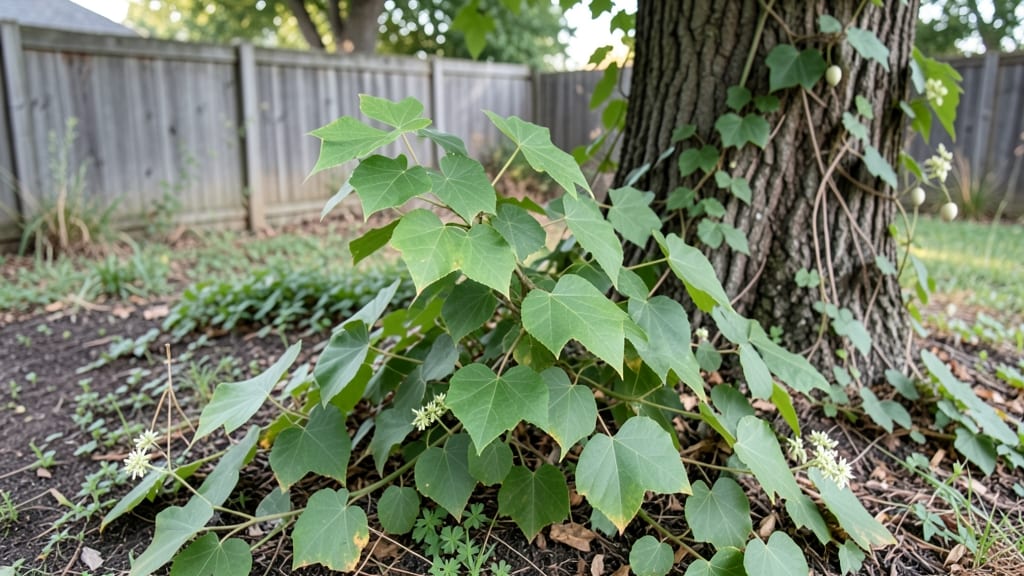
Does poison ivy grow up trees, and if so, how does it turn trunks into its own personal ladder? 🌿 I’ve seen it smother entire oaks, maples, and even fruit trees, choking out sunlight. and weakening the host plant over time.
The classic "leaves of three" rule applies here too, but the vines twist upward like green ropes, making them harder to spot until it’s too late.
Removing it safely means working smarter, not harder. Manual pulling works best in early spring or fall when the plant is dormant, but you’ll need thick gloves, long sleeves, and a sturdy tool to scrape those roots off bark without damaging the tree.
Chemical treatments like vinegar or horticultural oil can help, but timing matters—spray only on dry days, and avoid anything that could harm your tree’s leaves or bark.
Your goal isn’t just to clear the ivy but to stop it from coming back. Seal any exposed tree wounds with pruning paint, and keep the base of the trunk free of debris where new sprouts might take hold.
A 3-foot-wide mulch barrier around the tree’s drip line can also block regrowth, giving your tree a fighting chance to recover.
Here’s the kicker: some trees handle poison ivy better than others. Evergreens and thick-barked oaks often shrug it off, while thin-skinned fruit trees or young saplings can suffer permanent damage. If you’re dealing with a heavily infested yard, consider calling a professional—sometimes the ivy wins if you’re not careful.
📚 In This Guide
- What you need
- Instructions
- Tips and common mistakes
- Wrapping up and next steps
What you need
- ● Safety gear: Long-sleeved shirts and pants (preferably made of thick, tightly woven fabric)
- ● Heavy-duty nitrile or vinyl gloves (2–3 pairs)
- ● Closed-toe shoes or boots (avoid sandals!)
- ● Safety goggles (for protection against debris)
- ● Identification tools: Handheld magnifying glass (3x–5x magnification)
- ● Smartphone with a plant identification app (e.g., iNaturalist, PictureThis)
- ● Small notepad and pen (for logging observations)
- ● Cleanup supplies: Disposable plastic bags (5–10, for trash or contaminated items)
- ● Rubbing alcohol (70% or higher, in a spray bottle)
- ● Paper towels or damp cloths (for wiping down tools)
- ● Treatment (if needed): Garden hose with a spray nozzle (for rinsing off tools/gear)
- ● Poison ivy-specific herbicide (e.g., glyphosate or triclopyr, follow label instructions)
- ● Pruners or loppers (for cutting vines—sterilize with rubbing alcohol after each use)
- ● Ladder or sturdy step stool (if inspecting tall trees—never climb trees with poison ivy!)
- ● Garden kneeling pad (for comfort during ground inspections)
- ● Disposable coveralls (for heavy infestations)
- ● Camera (to document the plant for later reference or experts)
- ● First-aid kit with calamine lotion, hydrocortisone cream, and oral antihistamines (just in case!)
How to identify poison ivy climbing trees safely
Here's how to spot poison ivy on trees and protect yourself while removing it.
🌿 Step 1: Look for the Classic "Leaves of Three" Pattern
Start by scanning tree trunks and branches for the telltale three leaflets—this is poison ivy's signature. Each leaflet has a smooth or slightly toothed edge, and they grow in an alternating pattern along the vine. The middle leaflet always has the longest stem, creating a distinct triangular shape.
I always check the leaf arrangement first because this is the easiest way to confirm. If you see three glossy green leaflets growing together, assume it's poison ivy until proven otherwise. The leaves can also turn red or orange in fall, making them stand out even more.
🌱 Step 2: Check for Hairy or Smooth Stems
Poison ivy vines have hairy or smooth stems, depending on the plant's age. Younger vines are often fuzzy, while older ones become smoother and woody. Run your fingers along the stem—if it feels slightly rough or hairy, that's a strong clue.
Here's the thing—poison ivy can look like other vines, but the stem's texture is a key differentiator. It also leaves a white, milky sap when broken, which can cause skin irritation. If you see this sap, treat it like poison ivy until confirmed otherwise.
☀️ Step 3: Search for Aerial Roots or "Feet"
Poison ivy climbs by sending out aerial roots (called "feet") that attach to tree bark. These look like small, flat, grayish pads clinging to the trunk or branches. If you see these while inspecting a tree, you’ve found poison ivy.
I always check the base of the vine where it meets the tree. These roots can be tiny—sometimes just a few millimeters wide—but they’re a dead giveaway. If the vine is thick and woody with multiple roots, it’s likely been growing there for years.
✂️ Step 4: Confirm with a Safe Visual Test
If you're still unsure, do a rubbing test—gently rub the leaves between your fingers (wear gloves!). If the plant contains urushiol oil (the irritant in poison ivy), you’ll feel a slight stickiness or residue. This isn’t foolproof, but it’s a quick way to rule out harmless lookalikes like Virginia creeper.
Real talk: If you suspect poison ivy, don’t touch it. Instead, take a photo and compare it to trusted resources like the USDA’s poison ivy guide or consult a local extension office. When in doubt, assume it’s poison ivy and proceed with caution.
🪴 Step 5: Plan Removal Safely
If you confirm it’s poison ivy, never burn it—the smoke contains urushiol and can cause severe respiratory issues. Instead, wear long sleeves, gloves, and goggles, then cut the vine at the base with long-handled pruners. Bag the debris immediately and dispose of it in sealed trash.
For large infestations, consider hiring a professional. Poison ivy can regrow from roots or small stem pieces left behind, so thorough removal is key. If you’re dealing with a tree, focus on cutting the vine below the attachment points to weaken the plant over time.
Tips & tricks for identifying poison ivy on trees
These simple tricks will help you confidently spot poison ivy climbing trees and avoid dangerous mistakes.
Seasonal Color Clues: While the classic "leaves of three" is the best year-round identifier, seasonal color changes make poison ivy even easier to spot. In spring, look for bright green leaflets, while in fall they turn vibrant red or orange. These color shifts make poison ivy stand out against evergreen trees—just remember, the three-leaf pattern remains the definitive test.
Sap Test Safety: The rubbing test in Step 4 is your most reliable confirmation method, but here's the key: always wear gloves and use a non-porous tool (like a spoon handle) to rub the leaves. If you accidentally touch the sap, wash with cold water immediately—hot water opens skin pores and spreads the urushiol oil deeper. I keep a small bottle of rubbing alcohol handy to clean any accidental exposures right away.
Nighttime Inspection: Poison ivy vines can be harder to see during the day when they blend with tree bark, but at night they glow under a flashlight. The white, milky sap and aerial roots become more visible in low light. This is especially helpful for identifying vines on dark tree trunks where the leaves might be obscured during daylight hours.
Common Lookalikes: Virginia creeper is the most common poison ivy imposter, but there's one key difference: Virginia creeper has five leaflets, not three. Another trick is to look at the leaf arrangement—Virginia creeper's leaves spiral around the stem, while poison ivy's grow in an alternating pattern. I always double-check this when I'm unsure, as it's the most reliable visual distinction.
Pro Tips for Does Poison Ivy Grow Up Trees
- These simple tricks will help you confidently spot poison ivy climbing trees and avoid dangerous mistakes.
- Seasonal Color Clues: While the classic "leaves of three" is the best year-round identifier, seasonal color changes make poison ivy even easier to spot.
- Sap Test Safety: The rubbing test in Step 4 is your most reliable confirmation method, but here's the key: always wear gloves and use a non-porous tool (like a spoon handle) to rub the leaves.
Frequently asked questions
Got questions about poison ivy climbing trees? You’re not alone!
Here are some of the most common concerns—plus clear, actionable answers to keep your yard (and skin) safe.
Can poison ivy actually grow up a tree, or is it just clinging to the trunk?
Poison ivy does grow up trees—but it’s a sneaky hitchhiker! It doesn’t root into the tree itself; instead, it wraps around trunks or branches (like a vine) using its tendrils for support. Think of it as a climbing weed with an itchy agenda. If you see it sprawling upward, it’s actively seeking sunlight to thrive.
When is poison ivy most aggressive in trees during the year?
Spring and summer are peak seasons for poison ivy’s tree-climbing antics. That’s when it’s most visible (green leaves, red stems) and spreads fastest. In fall, its leaves turn red/brown, but the plant stays dangerous. Winter dormancy means less growth, but the vines remain alive—just dormant.
How do I tell if the vines on my tree are poison ivy vs. harmless ivy or Virginia creeper?
Use this quick ID cheat sheet:
- Poison ivy: “Leaves of three, let it be!” (3 shiny leaflets, white berries, red stems in spring).
- Harmless ivy: 5+ leaflets, no berries, climbs like a carpet.
- Virginia creeper: 5 leaflets, blue-black berries, turns fiery red in fall.
Should I cut poison ivy off a tree, or will it regrow from the roots?
Cutting alone won’t kill it—poison ivy regrows from roots or stem fragments. To win:
- Wear gloves + long sleeves (even then, avoid touching your face!).
- Cut vines at the base (where they meet the tree/ground).
- Apply vinegar or herbicide to the stump to prevent regrowth.
- Dispose of clippings in a sealed bag—don’t burn them!
What’s the safest way to remove poison ivy from a tree without getting blisters?
Safety first! Follow this step-by-step shield:
- Gear up: Heavy-duty gloves, goggles, and a disposable long-sleeve shirt.
- Wash tools: Spray pruners with rubbing alcohol before/after use.
- Work wet: Spray vines with water to reduce oil spread (but don’t use a pressure washer—it can aerosolize the oil!).
- Clean up: Shower immediately with cold water and soap (hot water opens pores!).
Wrapping up and next steps
Now that you’re armed with the knowledge to spot poison ivy climbing trees—whether it’s by recognizing its three-leaflet pattern, greenish-white berries, or hairy vines—you can confidently tackle yard care with caution. 🌿 Remember, prevention is key: wear gloves, use vinegar sprays, and avoid touching unknown plants.
Your next logical step? Inspect your yard and remove any suspicious vines before they spread further. Stay safe, and keep your outdoor space both beautiful and itch-free!