
Pruning
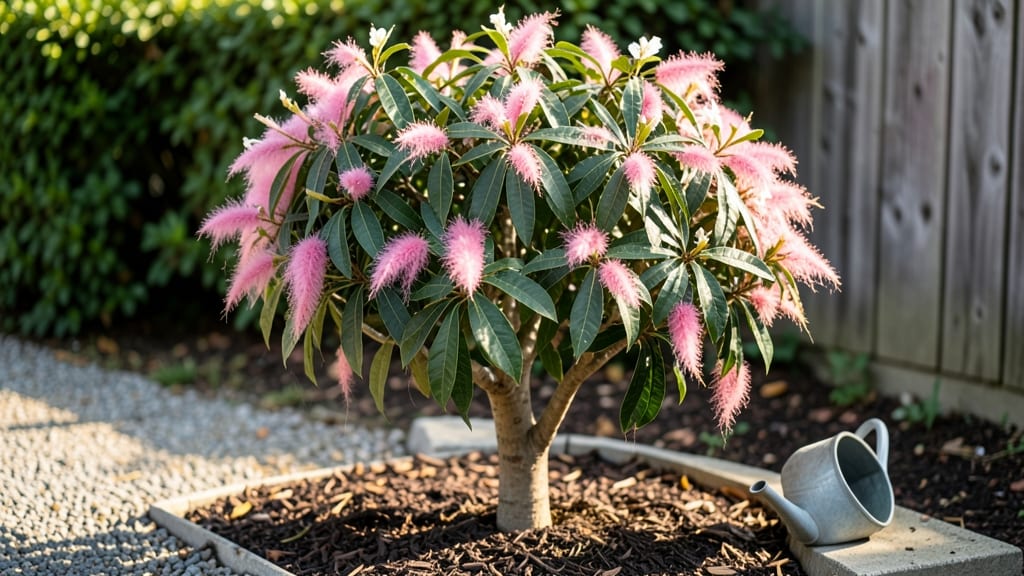
That blush-pink, fluffy-fruit cotton candy mango tree (Mangifera indica 'Cotton Candy') looks like a fairy tale—but pruning it right turns that fantasy into a year-round bloom machine 🌺.
I’ve wrestled with this quirky variety for three seasons, and the difference between a leggy, sparse tree and one bursting with flowers comes down to timing, cuts, and a little patience. The key? Pruning isn’t just about shaping—it’s about teaching the tree to focus its energy where you want it.
This isn’t your average mango. The ‘Cotton Candy’ produces pink-fruited, cotton-ball soft mangoes that taste like a cross between a peach and a tropical dream, but it grows slower than standard varieties. That means pruning isn’t just for aesthetics—it’s survival.
You’ll need sharp bypass pruners, a 3-in-1 hand pruner for thicker branches, and a spray bottle of diluted rubbing alcohol to sterilize cuts (trust me, this stops rot). The real magic happens in late winter when the tree’s dormant, but light pruning after blooms keeps it productive.
What you’ll end up with is a tree that flowers three times a year—spring, summer, and fall—with each flush of blooms leading to those signature fuzzy pink mangoes.
The branches stay compact and sturdy, the foliage thickens into a lush canopy, and you avoid the sad, bare limbs that plague neglected tropicals. Even in containers, this tree thrives when pruned right, making it perfect for patios or small yards where space is tight.
Here’s the plot twist: the ‘Cotton Candy’ responds best to selective pruning—never remove more than 25% of the canopy at once, or you’ll shock it into stress.
We’ll cover how to spot the right branches to cut, when to fertilize post-prune, and the one trick that doubles your bloom count. Ready to turn that pretty-but-picky tree into a fruit-bearing powerhouse?
📚 In This Guide
- What you need
- Instructions
- Tips and common mistakes
- Wrapping up and next steps
What you need
- ● Pruning shears: Bypass pruners (sharp, clean, and sterilized with rubbing alcohol—no rusty tools!)
- ● Loppers: For thicker branches (1.5"–2" diameter), with a bypass blade for precision cuts.
- ● Hand saw: Curved-tooth pruning saw for branches 2"–3" thick (avoid cheap saws—they tear wood!).
- ● Gloves: Heavy-duty, cut-resistant gloves (thorns are sneaky!).
- ● Disinfectant: 70% isopropyl alcohol or bleach solution (1 part bleach : 9 parts water) to sterilize tools between cuts.
- ○ Pruning sealant: Optional but helpful for large cuts (1" or wider) (e.g., Tanglefoot Tree Wound Pruning Seal).
- ● Ladder or step stool: Sturdy, non-slip (extendable ladders work for taller trees).
- ● Trash bags or bucket: For collecting pruned debris (compost or dispose—your call!).
- ● Pole pruner: For high branches (save your back!).
- ● Sharpie marker: To label cuts if grafting or propagating later.
- ● Gardening twine: For tying branches into desired shapes (e.g., espalier).
- ● Hose or spray bottle: To clean sap off tools post-pruning.
- ● Safety glasses: Because sap + wind = messy (trust me).
Step-by-step pruning for your cotton candy mango tree
Here's how I keep my mango tree blooming lushly year-round with simple, seasonal cuts.
✂️ Step 1: Identify and Remove Dead or Diseased Branches
Start by inspecting your tree for any branches that look brown, brittle, or have black spots—these are dead or diseased and need immediate removal. I use clean, sharp pruning shears to cut just outside the branch collar (the swollen area where the branch meets the trunk). This prevents unsightly stubs and helps the tree heal faster.
Don’t skip this step—dead wood can harbor pests and diseases that spread to healthy branches. If a branch is too thick for your shears, use a pruning saw instead. You’ll know you’ve done it right when the cut is smooth and the branch falls away cleanly without tearing.
✂️ Step 2: Thin Out Crowded Branches for Better Airflow
Next, focus on branches that are growing too close together or rubbing against each other. These compete for sunlight and nutrients, and their friction can create wounds where infections enter. I aim to remove about 20-30% of the tree’s total branches in this step, thinning from the inside out to improve airflow and light penetration.
Look for branches that cross or grow directly upward—these are prime candidates for removal. Cut them back to a healthy lateral branch or bud, making sure your cut is angled slightly downward to encourage water runoff. You’ll see a noticeable difference in the tree’s shape and health after this step.
☀️ Step 3: Encourage Blooming with Strategic Cuts
To promote year-round blooms, I prune just after the tree finishes fruiting. Cut back any overly long or leggy branches by about one-third of their length, focusing on the tips. This encourages the tree to produce new, bushier growth from the sides, where flowers often form.
For branches that are too thick to cut back significantly, I make smaller cuts to stimulate branching. Avoid heavy pruning in late summer or fall, as this can delay flowering. Instead, time your cuts to coincide with the tree’s natural growth cycles—you’ll notice new buds forming within 4-6 weeks of pruning.
⏰ Step 4: Clean Up and Protect the Tree
After pruning, collect all the clippings and dispose of them properly—either in a sealed bag or by burning (if allowed in your area). This prevents pests and diseases from lingering near your tree. I also sterilize my pruning tools with rubbing alcohol to kill any bacteria or fungi that might cause infections.
Finally, apply a balanced, slow-release fertilizer around the base of the tree to replenish nutrients lost during pruning. Water deeply but avoid soaking the area—you’ll know it’s right when the soil is moist 6 inches down. This final step sets your tree up for strong, healthy growth and abundant blooms.
Tips & tricks for perfect cotton candy mango tree pruning
Transforming your mango tree into a blooming tropical beauty takes more than just cutting branches—it's about understanding the right timing and technique.
Timing is Everything: The instructions mention pruning just after fruiting to encourage blooms, but here's the thing: timing varies by climate. In warmer zones, you can prune year-round, but in cooler areas, wait until spring after the last frost. I've seen trees bloom more prolifically when pruned in late winter to early spring—just as new growth begins. This aligns with the tree's natural cycle and maximizes flower production.
Tool Prep Matters: Before you start cutting, sterilize your pruning shears with rubbing alcohol—this isn't optional. I've seen fungal infections spread through unsterilized tools, ruining otherwise healthy trees. Also, make sure your blades are sharp; dull tools crush branches, creating larger wounds that take longer to heal. A quick test: if you can't make a clean cut through a pencil with one smooth motion, your shears need sharpening.
Visual Cues for Healthy Cuts: When making cuts in Step 1, look for the branch collar—the swollen area where the branch meets the trunk. Cut just outside this collar at a 45-degree angle. This angle helps water runoff, preventing rot. I've found that making cuts too close to the trunk can actually harm the tree by removing too much healthy tissue. Think of it like trimming your hair—you want to leave a little bit of length at the roots.
Seasonal Adjustments: While the instructions focus on post-fruiting pruning, don't overlook light maintenance pruning throughout the year. Remove any suckers (shoots growing from the base) and water sprouts (vertical shoots) as you notice them. These compete with your main branches for nutrients. I do this every few months, and it keeps my tree looking tidy while supporting better fruit production. Just avoid heavy pruning in late summer or fall—this can delay next year's flowering.
Pro Tips for Cotton Candy Mango Tree
- Transforming your mango tree into a blooming tropical beauty takes more than just cutting branches—it's about understanding the right timing and technique.
- Timing is Everything: The instructions mention pruning just after fruiting to encourage blooms, but here's the thing: timing varies by climate.
- Tool Prep Matters: Before you start cutting, sterilize your pruning shears with rubbing alcohol—this isn't optional.
Frequently asked questions
Got questions about keeping your cotton candy mango tree blooming beautifully? Here are answers to the most common queries—so you can enjoy those dreamy, tropical flowers year-round!
How often should I prune my cotton candy mango tree for blooms?
Prune your tree twice a year: once after the main harvest (late winter/early spring) to shape the canopy and encourage new growth, and again in early summer to stimulate fall blooms. Light trimming between seasons keeps it healthy without stressing the plant.
When is the best time to prune for fall/winter blooms?
For fall/winter flowers, prune in early August—just as the summer heat starts to fade. This triggers the tree to produce new growth that’ll bloom in 3–4 months. Avoid heavy pruning in late fall or winter, as the tree needs energy to sustain flowers.
Can I prune too much? What are the signs?
Yes! Over-pruning shows up as yellowing leaves, stunted growth, or no blooms. Stick to removing only 20–30% of the canopy per session. If you’ve already pruned too much, reduce stress by fertilizing lightly with a balanced citrus/mango blend and watering deeply.
What if my tree isn’t blooming after pruning?
Check these fixes:
- Light levels: Ensure it gets 6+ hours of direct sun daily.
- Fertilizer: Switch to a low-nitrogen, high-phosphorus blend (like 10-20-10) to boost flowering.
- Watering: Drought stress can halt blooms—keep soil consistently moist but not soggy.
- Age: Young trees (<3 years) may need 1–2 more years to mature.
Are there alternatives to pruning for more blooms?
While pruning is key, you can also:
- Use bloom-boosting sprays (like calcium nitrate) in early summer.
- Try stress-inducing methods like slight root pruning (dig around edges to stimulate growth).
- Move potted trees to a cooler spot (50–60°F) for 2–3 weeks in late summer to mimic seasonal change.
Wrapping up and next steps
Pruning your cotton candy mango tree isn’t just about keeping it neat—it’s your secret weapon for year-round tropical blooms that’ll make your garden the talk of the neighborhood! 🌺 With the right tools, timing, and technique, you can encourage lush growth, vibrant flowers, and that dreamy, candy-like fruit.
Remember, patience and consistency are key, so don’t rush the process.
Now that you’re armed with expert tips, grab those shears and get pruning! Start small, observe your tree’s response, and adjust as you go. Before you know it, your cotton candy mango tree will be bursting with color—and maybe even a few sweet surprises. Happy pruning! ✂️🌿